
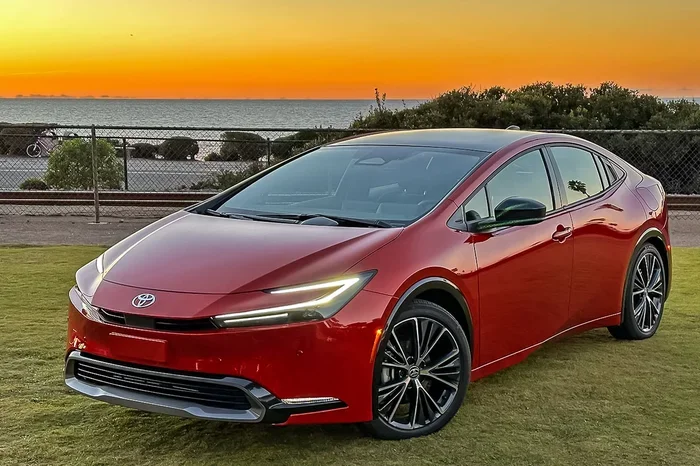
Toyota Camrys have built a legendary reputation for dependability, but how reliable are Toyota Camrys when you look past the marketing? Real-world data, owner feedback, and mechanic insights show they consistently rank among the most durable sedans on the road. With proper care, many examples easily surpass 200,000 miles with minimal major repairs. We will walk you through exactly what to expect, where minor quirks appear, and how to keep your Camry running strong for years.
Key Takeaways
- Long-Term Durability: Most Toyota Camrys routinely reach 200,000 to 300,000 miles with routine maintenance and sensible driving habits.
- Engine and Transmission Strength: Both the four-cylinder and V6 powertrains are proven, efficient, and rarely suffer catastrophic failures when serviced on schedule.
- Low Ownership Costs: Parts are widely available, repairs are usually straightforward, and Toyota Camry reliability keeps maintenance expenses below average for the class.
- Common Minor Issues: You may encounter dashboard warning lights, suspension wear, or occasional sensor glitches, but these are typically manageable and not widespread dealbreakers.
- Model Year Variations: Some generations had minor recalls or tweaks, so checking service history and Toyota Camry common problems for a specific year pays off.
- Maintenance Matters: Following the recommended schedule, using quality fluids, and addressing small warnings early dramatically extend the vehicle lifespan.
- Real Owner Feedback: Surveys and mechanic reports consistently place the Camry near the top for dependability, making it a smart choice for daily commuting and family use.
📑 Table of Contents
- How Reliable Are Toyota Camrys in Everyday Driving
- What Long-Term Toyota Camry Reliability Really Looks Like
- Common Toyota Camry Problems and How Serious They Are
- Toyota Camry Maintenance Schedule and Cost Reality
- Toyota Camry vs Other Reliable Sedans
- Real Owner Satisfaction and What It Means for You
- How to Buy a Reliable Toyota Camry With Confidence
- Conclusion
How Reliable Are Toyota Camrys in Everyday Driving
If you have ever shopped for a sedan, you have probably heard the same recommendation over and over. People point to the Camry and call it a safe bet. That reputation did not appear by accident. It comes from decades of steady engineering, conservative tuning, and a focus on longevity rather than flashy specs. When drivers ask how reliable are Toyota Camrys, they usually want a straight answer, not a sales pitch. The short version is that this car consistently delivers calm, predictable performance and rarely leaves owners stranded.
Reliability means different things to different people. For some, it means starting every morning without a cough. For others, it means reaching high mileage without major repairs. The Camry tends to satisfy both expectations. Its powertrains are tuned for smoothness and efficiency. The suspension balances comfort with control. The interior materials are practical rather than delicate. All of these choices add up to a vehicle that tolerates daily commuting, road trips, and years of stop-and-go traffic with very little drama.
Of course, no car is perfect. Even the most dependable models can develop quirks. The good news is that Camry issues are usually minor and affordable to address. You might see a warning light pop up, notice a worn suspension part, or deal with a sticky interior button. These are not signs of a fragile platform. They are normal wear items that appear on nearly every used car. The difference is that the Camry typically keeps running smoothly while you handle those small fixes.
What Long-Term Toyota Camry Reliability Really Looks Like
When you look at Toyota Camry reliability over a long horizon, patterns start to emerge. Owners who follow a sensible maintenance schedule often report smooth operation well past the 150,000-mile mark. Many examples keep going to 200,000 miles and beyond. That does not mean every single car will reach those numbers, but the trend is clear. The powertrain is robust, the electronics are stable, and the body holds up well when rust is managed.
Visual guide about Toyota Camry driving highway
Image source: content.carlelo.com
Mechanics often describe the Camry as a straightforward car to service. Components are laid out in a logical way. Filters and fluids are easy to reach. Replacement parts are plentiful and reasonably priced. This matters because a car that is easy to maintain tends to stay in better shape. Owners who keep up with oil changes, brake inspections, and tire rotations usually enjoy fewer surprises. The car rewards consistency.
Real-world feedback also highlights a calm driving experience. The steering feels predictable. The brakes respond in a familiar way. The transmission shifts without drama in most daily situations. These qualities may not sound exciting, but they matter a lot when you spend hours behind the wheel. A car that behaves consistently reduces stress and makes long commutes feel easier. That is a big part of why so many drivers stick with the Camry for many years.
Why the Powertrain Stands the Test of Time
The heart of Toyota Camry dependability is the engine and transmission combination. The four-cylinder option is efficient and smooth. The V6 option adds extra power without feeling overly complex. Both are designed with proven engineering principles. They use mature technology, sensible tolerances, and components that are known to age well. That kind of conservative approach often leads to fewer unexpected failures.
The transmission choices have also proven solid in everyday use. Traditional automatic transmissions in the Camry are tuned for durability and comfortable shifts. Newer hybrid setups add strong fuel economy and a simple driving experience. The hybrid system blends electric assist with a reliable gasoline engine, which can reduce strain during city driving. Many hybrid owners appreciate the quiet low-speed operation and the lower fuel bill. Either way, the powertrain choices are built to handle routine use for a long time.
What Owners Report After 100,000 Miles
Owner stories give useful context beyond spec sheets. After 100,000 miles, many Camry owners talk about minor maintenance rather than major repairs. Common service items include brake work, tire replacement, battery changes, and occasional sensor attention. Some people mention small interior rattles or worn door handles. Others note that the infotainment system feels basic but functional. These comments point to a car that ages in a normal, manageable way.
A smaller number of owners report more noticeable repairs, such as suspension component replacement or exhaust work. That is typical for any high-mileage vehicle. What stands out is the overall tone of the feedback. Most owners describe the Camry as steady and forgiving. They often say the car kept going without big interruptions. That kind of real-world consistency is a major reason the model stays popular in the used market.
Common Toyota Camry Problems and How Serious They Are
It helps to separate minor annoyances from genuine reliability concerns. Toyota Camry common problems are usually limited in scope and often tied to specific model years or optional features. A warning light on the dashboard can feel alarming, but it may simply signal a sensor that needs attention. A squeak from the suspension might mean a bushing or strut needs replacement. These are service items, not catastrophic failures.
Some owners have noticed occasional electronic quirks. A screen may freeze for a moment. A button may respond slowly. These issues are frustrating, but they rarely leave the car undrivable. In many cases, a software update or a simple reset helps. If a feature keeps acting up, a dealership or qualified technician can usually diagnose it without much guesswork. The key is to address small electronic hiccups before they become a daily irritation.
Dashboard Lights and Sensor Warnings
Dashboard warnings are one of the most common reasons owners search for answers. A maintenance reminder may appear at the wrong time. A traction control message may flash briefly. A sensor-related warning may show up and then disappear. In many situations, the car is still safe to drive, but you should not ignore a persistent light. A check engine light, for example, can point to anything from a loose gas cap to a more involved emissions issue.
If you want a quick reference for handling reminders, you can review our guide on How To Turn Off Toyota Camry Maintenance Light. It explains the basic steps and when a light likely needs professional attention. The main idea is simple. Treat warning lights as information, not panic signals. Check the situation, note any symptoms, and get the code read if the light stays on.
Suspension, Brakes, and Wear Items
Suspension and brake wear are normal parts of car ownership. The Camry is no exception. You may eventually replace struts, control arm bushings, brake pads, or rotors. These repairs are predictable and usually affordable compared with major engine or transmission work. The important habit is to listen for changes. A new clunk over bumps, a pulsing brake pedal, or a pulling sensation can all point to wear that needs attention.
Tires also deserve regular care. Proper inflation and rotation help the car handle smoothly and reduce strain on suspension parts. If you notice uneven tread wear, it may be time to check alignment. Small preventive steps often save money later. They also help the Camry feel stable and comfortable, which is a big part of the ownership experience.
Toyota Camry Maintenance Schedule and Cost Reality
A dependable car still needs care. The Toyota Camry maintenance schedule is fairly straightforward and follows the usual pattern of oil changes, fluid checks, filter replacements, and periodic inspections. Sticking to the schedule helps the engine stay clean, the transmission shift smoothly, and the brakes perform predictably. Skipping service does not always cause immediate trouble, but it raises the odds of larger problems down the road.
Maintenance costs for the Camry are generally manageable. Oil changes, routine inspections, and basic wear-item replacements tend to cost less than many rivals. Parts availability is strong, which helps keep labor and component prices reasonable. If you compare ownership expenses with more complex or less common vehicles, the Camry often comes out ahead. That is one reason it appeals to budget-conscious buyers who still want a dependable daily driver.
Smart Maintenance Habits That Extend Lifespan
A few simple habits make a big difference. Use the recommended oil type and change it on time. Keep an eye on coolant levels and brake fluid condition. Replace air filters before they become badly clogged. Listen for unusual noises and address them early. These actions sound basic because they are basic. Yet they are among the most effective ways to protect Toyota Camry engine reliability over the long term.
- Follow the schedule: Use the manufacturer maintenance guide as your baseline and adjust for harsh driving conditions.
- Use quality fluids: Clean oil, proper coolant, and fresh transmission fluid help components age gracefully.
- Check tires regularly: Correct pressure and rotation support handling, fuel economy, and suspension health.
- Replace wear parts on time: Brakes, wipers, batteries, and filters are small jobs that prevent bigger headaches.
- Keep records: A simple service log helps you track patterns and plan future work.
When to Pay Attention to Recalls and Service Bulletins
Recalls and service bulletins are part of the automotive world. They do not automatically mean a model is unreliable. They usually mean a specific part or procedure needs attention in certain vehicles. If you own or plan to buy a Camry, it is smart to check for open recalls and ask for service history. A well-documented car with recall work completed is often a better buy than one with missing records.
If you are comparing different Toyota models, you may also find it useful to read our article on Where Are Toyota Camrys Made. Understanding where a vehicle comes from can be interesting context, especially when you are evaluating build consistency and long-term support. The bigger point is to focus on the specific car in front of you, its history, and how it has been cared for.
Toyota Camry vs Other Reliable Sedans
The Camry does not exist in a vacuum. Several other sedans also claim strong dependability. That makes comparison useful. You want to know not just whether the Camry is reliable, but how it feels next to similar options. In practice, the Camry often stands out for its balance of comfort, cost of ownership, and predictable behavior. It may not be the flashiest choice, but it is often one of the easiest to live with.
Some rivals emphasize sharper handling or more premium interiors. Others focus on bold styling or advanced technology. Those are valid priorities. The Camry takes a more practical path. It aims to be comfortable, efficient, and easy to maintain. For many buyers, that trade-off makes sense. If your goal is a car that quietly does its job for years, the Camry is a strong candidate.
Comparison Snapshot
Here is a simple way to think about how the Camry stacks up against typical rivals in the reliable-sedan conversation.
- Toyota Camry: Strong overall dependability, comfortable ride, practical tech, manageable maintenance costs, and broad parts availability.
- Honda Accord: Engaging driving feel, efficient powertrains, and a solid reliability record, with a slightly more sporty character.
- Mazda3: Upscale interior feel and responsive handling, though long-term ownership costs can vary by model year and features.
- Hyundai Elantra: Attractive warranty coverage and modern features, with reliability that has improved a lot in recent years.
This is not a ranking of perfection. It is a reminder that each car has a personality. The Camry leans toward steady, low-stress ownership. If that matches your needs, the reliability story becomes even more appealing.
Real Owner Satisfaction and What It Means for You
Owner satisfaction is a useful mirror for reliability. When people keep a car for many years, they usually do it for a reason. Camry owners often mention low stress, predictable costs, and a car that simply keeps working. That does not mean every ownership experience is flawless. It means the car tends to deliver what most people want from a daily sedan. It starts, drives, and serves its purpose without demanding constant attention.
Satisfaction also comes from how the car fits real life. The Camry is easy to park in tight spaces. It handles grocery runs, school drop-offs, and highway trips with equal ease. The seating position feels comfortable for many drivers. The controls are familiar. These practical details matter more than people sometimes expect. A car that feels easy to use every day often earns higher loyalty, even if it is not the most exciting option on the lot.
Who Benefits Most From a Camry
The Camry is a good fit for a wide range of buyers, but it shines especially well for certain priorities. If you want a dependable commuter, it makes sense. If you need a family sedan with low operating stress, it is a strong choice. If you plan to keep the car for many years, its durability and serviceability are appealing. It is also a smart pick if you prefer a vehicle with a broad service network and plenty of replacement parts.
- Daily commuters: Enjoy a calm ride and predictable running costs.
- Families: Get a practical, easy-to-live-with sedan that handles routine use well.
- Long-term owners: Benefit from a platform known for reaching high mileage with proper care.
- Used-car shoppers: Often find a wide selection of well-maintained examples at different price points.
How to Buy a Reliable Toyota Camry With Confidence
If you are shopping for one, a little homework goes a long way. Start by identifying the model year and trim that fit your budget. Then look at the service history. A car with regular oil changes and documented repairs is usually a better bet than one with gaps in its records. A pre-purchase inspection can also reveal hidden wear before you commit. That step is especially helpful for higher-mileage examples.
It is also wise to think about how you will use the car. If you drive mostly in the city, fuel economy and ease of parking matter. If you take long highway trips, comfort and stability matter more. The Camry works well in both settings, but your priorities can guide which trim and powertrain make the most sense. A hybrid may appeal if you want lower fuel costs. A conventional gasoline model may appeal if you want a familiar, straightforward setup.
Quick Tips Before You Buy
- Check the service history: Regular maintenance is one of the strongest signs of a well-cared-for car.
- Look for warning signs: Fluid leaks, uneven tire wear, and unusual noises deserve attention.
- Test the electronics: Confirm the screen, windows, locks, and climate controls work normally.
- Verify recall status: Make sure any open recalls have been addressed.
- Get a second opinion: A mechanic inspection can help you avoid surprise repairs soon after purchase.
Common Mistakes to Avoid
- Ignoring small warning lights: A minor sensor issue can become a bigger hassle if left alone.
- Assuming low miles mean perfect condition: Time and storage can also affect hoses, seals, and tires.
- Overlooking tires and brakes: These are essential to safety and often tell you how the car was treated.
- Skipping the inspection: A quick professional check can save money and stress later.
- Focusing only on price: The cheapest option is not always the most dependable in the long run.
Conclusion
So, how reliable are Toyota Camrys in the real world? The answer is encouraging. This sedan has earned its strong reputation through steady engineering, practical design, and a track record that many owners and mechanics trust. It is not a car that tries to wow you with drama. It tries to get you where you are going with minimal fuss. For many people, that is exactly the point.
If you maintain it on time, pay attention to small warnings, and buy with care, a Camry can be a very dependable long-term companion. You may still encounter normal wear items and the occasional electronic quirk, but those are usually manageable. The bigger picture is what matters most. The Camry offers a calm, cost-effective, and durable ownership experience that continues to make sense for everyday drivers. If you want a sedan that prioritizes reliability without asking you to sacrifice practicality, this is one of the safest bets you can make.
Frequently Asked Questions
Are Toyota Camrys actually reliable in the long run?
Yes, most evidence and owner feedback suggest they are highly dependable when maintained properly. Many examples reach high mileage with only routine service and normal wear-item replacements.
What are the most common Toyota Camry problems?
The most common issues are usually minor, such as dashboard warning lights, suspension wear, or occasional electronic quirks. These are typically serviceable and do not indicate a widespread failure pattern.
How long can a Toyota Camry last?
A well-cared-for Camry can often last well beyond 150,000 miles, and many reach 200,000 miles or more. Longevity depends on maintenance, driving habits, and how quickly repairs are handled.
Is the Toyota Camry expensive to maintain?
Generally, no. Maintenance costs are usually manageable because parts are widely available and the car is straightforward to service. Routine oil changes, brakes, and tires are the most common ongoing expenses.
Which Toyota Camry model year is the most reliable?
Newer and recent model years are generally strong, but the best choice depends on service history and condition. It is smart to check for recalls, inspect the car, and review maintenance records before buying.
Do Toyota Camry hybrid models have reliability concerns?
Hybrid models are usually reliable and can be especially efficient in city driving. The hybrid system adds complexity, but it is designed for durability and often performs well with normal maintenance.