

Toyota is known for reliability, but many wonder if it qualifies as a luxury brand. While the main Toyota badge focuses on value, its Lexus division delivers premium luxury experiences. Understanding Toyota luxury helps buyers choose the right vehicle for their needs and budget.
Many people ask a simple question when shopping for a new car. They want to know if Toyota counts as a luxury brand. This question makes sense because the automotive market can feel confusing. You see high prices on some Toyota models. You also see premium features that rival expensive luxury cars. Yet, Toyota does not fit the traditional luxury definition. Understanding this distinction helps you make a smarter buying decision.
Toyota has built a strong reputation over many decades. The company focuses on creating dependable vehicles for everyday use. Their goal is to provide quality without demanding premium prices. This approach appeals to millions of drivers worldwide. However, Toyota also offers upscale options that blur the lines. Some models come with leather seats, advanced safety tech, and smooth rides. These features often appear in luxury vehicles. So, where does Toyota truly stand in the luxury conversation?
In this guide, we will explore everything you need to know. We will look at Toyota‘s brand positioning and its luxury division. We will also compare Toyota to traditional luxury makers. You will learn about premium trims, special features, and value considerations. By the end, you will have a clear picture of Toyota luxury and whether it fits your lifestyle.
Key Takeaways
- Toyota is not a luxury brand: The main Toyota label focuses on affordability and reliability for everyday drivers.
- Lexus is the luxury division: Lexus serves as Toyota‘s dedicated luxury vehicle brand with high-end features.
- Premium trims exist: Models like the Toyota 4Runner TRD Off-Road offer upscale features without the luxury price tag.
- Reliability matters: Toyota vehicles consistently rank high for dependability compared to traditional luxury competitors.
- Value proposition: Toyota provides excellent value, making it a smart choice for budget-conscious buyers seeking quality.
- Technology features: Modern Toyota models include advanced safety and infotainment systems found in luxury cars.
- Resale value: Toyota vehicles often retain strong resale value, outperforming many luxury brands over time.
📑 Table of Contents
Understanding the Toyota Brand Identity
Toyota started with a clear mission. The company wanted to build cars that were reliable, affordable, and practical. This mission still guides the brand today. Toyota does not try to compete with luxury marques like Mercedes-Benz or BMW. Instead, Toyota focuses on mass-market appeal. The brand targets everyday drivers who want quality without high costs. This strategy has made Toyota one of the best-selling automakers globally.
Reliability Over Prestige
One of Toyota‘s biggest strengths is dependability. Drivers know that a Toyota will usually start every morning. The brand prioritizes engineering that lasts. This focus on reliability often matters more to buyers than prestige. Many luxury brands offer flashy designs, but they can struggle with long-term durability. Toyota takes a different path. The company builds vehicles that age well and require fewer repairs. This approach creates strong customer loyalty.
Mass-Market Appeal
Toyota designs cars for a wide audience. You can find a Toyota in nearly every segment. The brand offers compact cars, sedans, SUVs, and trucks. This variety helps Toyota reach different types of buyers. A student might choose a Corolla for its low price. A family might pick a Sienna for its seating capacity. A contractor might buy a Tacoma for its toughness. Each model serves a practical purpose. None of these vehicles aim to be status symbols. They aim to be useful tools for daily life.
Global Consistency
Toyota maintains consistent standards across markets. A Toyota sold in one country often shares core qualities with models elsewhere. This consistency builds trust. Buyers know what to expect when they choose the Toyota badge. The brand avoids confusing buyers with too many variations. Instead, Toyota delivers a familiar experience. This reliability in branding helps the company stay competitive.
Lexus: Toyota’s True Luxury Division
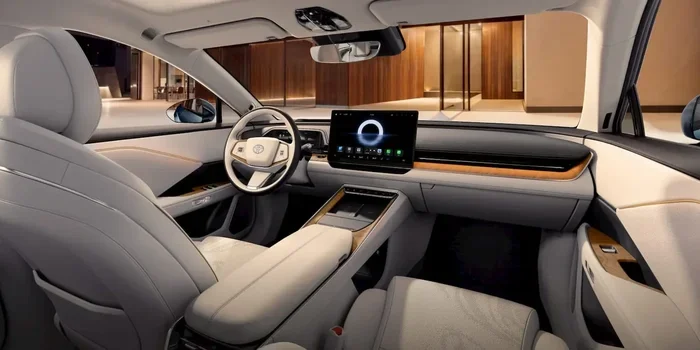
If you want Toyota luxury, you should look at Lexus. Lexus is Toyota‘s premium brand. It launched to compete with established luxury makers. Lexus vehicles feature higher-quality materials, more powerful engines, and advanced technology. The brand focuses on comfort, refinement, and status. This division gives Toyota a true foothold in the luxury segment.
Visual guide about Toyota luxury vehicle interior
Image source: electrek.co
How Lexus Differs from Toyota
Lexus models cost more than their Toyota counterparts. They use finer interior materials like soft-touch leather and wood trim. The engines often deliver smoother performance. Lexus also emphasizes quiet cabins and refined rides. These qualities match what buyers expect from luxury cars. Toyota, by contrast, keeps costs lower. The main brand uses simpler materials and focuses on function over form. Both brands share some engineering DNA, but they target different buyers.
Lexus Model Range
Lexus offers a wide range of premium vehicles. You can find luxury sedans, SUVs, coupes, and hybrids. Some popular models include the Lexus ES, Lexus RX, and Lexus LX. Each model brings distinct strengths. The ES focuses on comfort and ease of use. The RX targets families who want space and style. The LX appeals to buyers who need rugged capability with luxury touches. This variety helps Lexus reach many luxury buyers.
Lexus Ownership Experience
Owning a Lexus often includes premium perks. Dealers may offer enhanced customer service. Maintenance packages can feel more polished. The brand also provides strong warranties. These benefits mirror what other luxury brands offer. Lexus aims to create a full luxury experience, not just a premium car. This approach helps the brand stand out in a crowded market.
Premium Toyota Models That Feel Upscale
Even without the Lexus badge, some Toyota models feel quite upscale. These vehicles offer features that rival luxury cars. They may not carry the same prestige, but they deliver strong value. Buyers who want premium features without the luxury price often choose these models. Let’s look at a few standout examples.
Toyota 4Runner and TRD Off-Road
The Toyota 4Runner has a loyal following. It offers rugged capability and durable construction. The TRD Off-Road trim adds premium features for adventure seekers. You get enhanced suspension, all-terrain tires, and stylish badging. The interior includes supportive seats and practical storage. While not a luxury SUV, the 4Runner feels well-built. Many buyers appreciate its long-term dependability. This model shows how Toyota can offer premium traits in a rugged package.
Toyota Camry and Avalon (Discontinued)
The Toyota Camry has long been a popular sedan. Higher trims add leather seating, power features, and advanced safety tech. These additions make the Camry feel more refined. The Avalon offered even more upscale qualities before it ended production. It featured a quiet cabin, smooth ride, and elegant styling. Both cars showed that Toyota could create comfortable, premium-feeling sedans. Buyers who wanted luxury comfort at a lower cost often chose these models.
Toyota RAV4 and Highlander
SUVs like the RAV4 and Highlander also offer premium options. Top trims include leather interiors, dual-zone climate control, and large touchscreens. Advanced safety features come standard on many models. These SUVs provide a comfortable ride and practical space. Families often appreciate the blend of style and utility. While they are not luxury SUVs, they deliver strong everyday value. Many buyers find them a smart alternative to expensive luxury models.
Toyota Safety and Technology Features
Modern Toyota vehicles include impressive technology. Many of these features were once reserved for luxury cars. Today, Toyota makes them accessible to a broader audience. This shift helps Toyota compete in a tech-driven market. Buyers now expect safety and convenience features in every car. Toyota responds with a strong lineup of standard and available tools.
Toyota Safety Sense
Toyota Safety Sense comes on many new models. This suite includes pre-collision braking, lane departure alert, and adaptive cruise control. These features help prevent accidents and reduce driver stress. They also add a premium feel to the driving experience. Many luxury brands charge extra for similar systems. Toyota often includes them as standard equipment. This strategy makes Toyota vehicles feel more advanced than their price suggests.
Infotainment and Connectivity
Toyota models now feature large touchscreens and intuitive interfaces. You can connect your phone for navigation, music, and calls. Some models offer wireless charging and premium audio systems. These additions improve daily usability. A well-designed infotainment system can make a car feel more upscale. Toyota has worked to close the gap with luxury brands in this area. The result is a more modern and connected driving experience.
Advanced Driver Assistance
Beyond basic safety, Toyota offers helpful driver aids. Blind-spot monitoring, rear cross-traffic alert, and parking assist are common. These tools make driving easier in busy conditions. They also add convenience that many buyers appreciate. While luxury brands may offer more complex systems, Toyota covers the essentials well. This balance of function and affordability strengthens the brand’s appeal.
Comparing Toyota to Traditional Luxury Brands
It helps to compare Toyota with true luxury brands. This comparison shows where Toyota excels and where it differs. You can weigh factors like price, features, reliability, and prestige. Each buyer values different things. Some want status and refinement. Others want dependability and low cost. Understanding these differences clarifies the Toyota luxury question.
Price and Value
Luxury brands usually charge much higher prices. You pay for brand prestige, premium materials, and advanced engineering. Toyota keeps prices more accessible. This difference matters for budget-conscious buyers. A Toyota often costs less to buy and maintain. Many luxury cars also cost more to insure and repair. Toyota‘s value proposition appeals to practical buyers. You get solid quality without the luxury markup.
Materials and Refinement
Luxury cars often use finer materials. You may find soft leather, real wood, and metal accents. The fit and finish can feel more intricate. Toyota uses durable materials that age well. The interiors are functional and clean. They may not feel as fancy, but they hold up over time. Some higher Toyota trims bridge this gap with upgraded materials. Still, traditional luxury brands usually lead in pure refinement.
Reliability and Ownership Costs
Toyota has a strong reputation for reliability. Many luxury brands face higher repair costs and more frequent issues. This pattern affects long-term ownership. A Toyota often costs less to keep running. Parts are widely available, and service is straightforward. Luxury brands may require specialized care. For buyers who plan to keep a car for years, Toyota often makes sense. Reliability can outweigh prestige for many drivers.
Brand Prestige and Image
Prestige is a key part of luxury branding. Luxury badges signal status and success. Toyota does not focus on this image. The brand emphasizes practicality and trust. Some buyers care deeply about prestige. Others care more about performance and value. Toyota suits the latter group well. If status matters to you, a luxury brand or Lexus may fit better. If value matters more, Toyota often wins.
Is Toyota a Good Luxury Alternative?
Many buyers consider Toyota as a luxury alternative. This choice makes sense in several situations. You may want premium features without the high cost. You may prioritize reliability over prestige. You may plan to keep the car for a long time. In these cases, Toyota can be a smart pick. It offers a strong blend of quality and affordability.
Who Should Choose Toyota?
Toyota works well for practical buyers. Families often appreciate the space and safety features. Commuters value the fuel efficiency and low running costs. First-time car buyers like the approachable pricing. Outdoor enthusiasts may choose a 4Runner or Tacoma. These models offer capable performance and durable build quality. Toyota also suits buyers who want a stress-free ownership experience. If you want a car that just works, Toyota is a strong choice.
Who Should Look Elsewhere?
Some buyers may prefer a true luxury brand. If you want the latest cutting-edge tech, luxury makers may lead. If status and badge appeal matter to you, luxury brands deliver. If you want the most refined ride quality, luxury sedans often excel. These priorities point toward Lexus or other premium marques. Toyota may not satisfy every desire for luxury. It targets a different set of needs. Knowing your priorities helps you choose wisely.
The Smart Middle Ground
Toyota offers a middle ground for many shoppers. You can get upscale features without luxury prices. You can also choose Lexus for a full luxury experience. This flexibility is a major strength. Toyota gives buyers options across the spectrum. You can start with a practical Corolla or step up to a Lexus SUV. The brand family covers many lifestyles. This range makes Toyota a versatile choice in the market.
Expert Insights on Toyota and Luxury
Industry experts often note Toyota‘s unique position. The brand succeeds by focusing on core strengths. Reliability, efficiency, and practicality drive sales. Lexus allows Toyota to compete in luxury without diluting the main brand. This separation helps both brands stay focused. Experts also praise Toyota‘s consistent quality control. The company has improved materials and technology over time. These improvements help Toyota feel more competitive. Still, experts agree that Toyota is not a luxury brand in the traditional sense.
Common Mistakes to Avoid
Buyers sometimes misunderstand Toyota‘s positioning. One common mistake is expecting luxury-level refinement from every model. While some trims feel premium, most Toyota vehicles focus on function. Another mistake is ignoring Lexus when seeking luxury. If you want premium comfort and status, Lexus is the better path. A third mistake is assuming all Toyota models are identical. Higher trims can feel quite different from base models. Researching specific trims helps you find the right fit.
Quick Tips for Buyers
Here are a few helpful tips when considering Toyota:
- Compare trims carefully: Higher trims add features that feel more premium.
- Test drive multiple models: Ride quality and comfort vary across the lineup.
- Consider total cost of ownership: Factor in maintenance, insurance, and fuel.
- Explore Lexus if needed: If you want true luxury, Lexus may suit you better.
- Check advanced safety packages: These features add value and peace of mind.
Final Thoughts on Toyota Luxury
So, what is Toyota luxury? The answer depends on how you define luxury. If you mean prestige and high-end badge appeal, Toyota is not a luxury brand. If you mean premium features, comfort, and advanced tech, some Toyota models come close. Lexus gives Toyota a true luxury division for buyers who want that experience. This dual approach helps Toyota serve many types of drivers. You can choose practicality or step up to refinement. That flexibility is part of Toyota‘s strength.
When shopping, focus on your priorities. Think about budget, features, reliability, and image. A Toyota can be an excellent choice for value and dependability. A Lexus can deliver the full luxury experience you want. Either way, you are getting a quality product from a trusted company. Understanding Toyota luxury helps you buy with confidence. You will know exactly what you are getting and why it matters.
If you want to explore specific models, research trims and features carefully. Compare Toyota against luxury rivals to see what fits your needs. Test drive both mainstream and premium options. The right choice will match your lifestyle and budget. With the right information, you can find a vehicle that feels just right for you.
Frequently Asked Questions
Is Toyota considered a luxury brand?
Toyota is not considered a luxury brand in the traditional sense. The main Toyota badge focuses on affordability, reliability, and practical transportation. However, Toyota owns Lexus, which is its dedicated luxury division. Some Toyota models also offer premium trims with upscale features.
Does Toyota have a luxury line?
Yes, Toyota has a luxury line called Lexus. Lexus offers premium vehicles with higher-quality materials, advanced technology, and refined performance. These cars are designed to compete with other luxury brands. Lexus provides a more upscale experience than standard Toyota models.
Are any Toyota models considered luxury?
Most Toyota models are not luxury vehicles, but some trims feel upscale. Higher trims of the Camry, RAV4, and 4Runner can include leather seats, advanced safety tech, and refined interiors. These features give a premium feel without the luxury price tag. For a full luxury experience, Lexus is the better choice.
How does Lexus compare to Toyota?
Lexus is more expensive and refined than Toyota. It uses better materials, offers smoother rides, and includes more advanced features. Toyota focuses on value and practicality, while Lexus targets luxury buyers. Both brands share engineering expertise, but they serve different markets and buyer priorities.
Why do people compare Toyota to luxury brands?
People compare Toyota to luxury brands because some models include premium features. Advanced safety systems, comfortable rides, and high-tech infotainment can feel luxury-like. Also, Lexus gives Toyota a clear presence in the luxury segment. These factors make the comparison natural for many shoppers.
Is Toyota a good alternative to luxury cars?
Toyota can be a great alternative if you value reliability and cost savings. You can get strong performance, useful features, and low maintenance costs. If you want prestige and the most refined materials, a luxury brand may suit you better. The best choice depends on what you prioritize in a vehicle.