
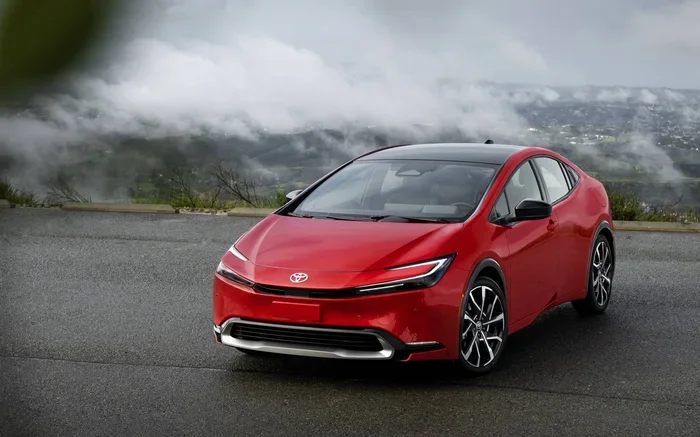
Yes, every Toyota Prius ever made is a hybrid vehicle. The Prius was built from the ground up as a hybrid, so there has never been a gas-only or plug-in-only version without hybrid components. Understanding Toyota Prius hybrid technology helps you see why this car stands out. You will learn about Prius generations, powertrain options, and how the system works in real life.
If you have ever wondered are all Toyota Prius hybrids, the short answer is yes. Toyota built the Prius as a hybrid from day one. There has never been a plain gas-only Prius sold to buyers. This matters because the hybrid system shapes everything about the car. It affects how the car feels, how it saves fuel, and how it fits into daily life.
People often ask this question because the word Prius has become so famous. Some shoppers hear about plug-in models, battery packs, and electric motors. Others hear about different model years and get confused. The good news is that the story is simple. Every Prius uses a hybrid powertrain. The differences come from how that hybrid system is tuned, packaged, and enhanced over time.
In this guide, we will clear up the confusion. You will learn what makes a Prius a hybrid, how the system works, and what changes across generations. We will also look at the plug-in version, common ownership questions, and what to expect if you are thinking about buying one. By the end, you will know exactly what the Prius is and why it has stayed popular for so long.
Key Takeaways
- Every Prius is a hybrid: Toyota designed the Prius as a hybrid from the start, and no gas-only model has ever been sold.
- Hybrid system basics: The Prius uses a gasoline engine paired with electric motors and a battery pack for better fuel economy.
- Generations matter: Each Prius generation improved efficiency, comfort, and technology while keeping the hybrid foundation.
- Plug-in option exists: The Prius Prime adds plug-in capability, but it still uses a hybrid powertrain under the hood.
- Fuel economy is a hallmark: Real-world mileage varies by model year and driving habits, but the Prius remains a top choice for efficiency.
- Reliability is strong: Many owners trust the Prius for long-term use, and proper maintenance helps the hybrid system last.
- Know your needs: Choose a standard Prius for maximum simplicity or a Prius Prime if you want plug-in flexibility.
📑 Table of Contents
Are All Toyota Prius Hybrids The Short Answer
Yes, all Toyota Prius models are hybrids. That is the simplest way to put it. The Prius was created to be a hybrid vehicle, and Toyota has kept that identity through every generation. If you see a Prius on the road, you are looking at a car that combines a gasoline engine with electric motors.
This is different from some other nameplates that started with one type of powertrain and later added hybrids. The Prius did not go through that change. It launched as a hybrid and stayed that way. That consistency is one reason the name became so closely tied to hybrid technology in the first place.
It also helps to know that hybrid does not mean the same thing in every car. Some hybrids are mild. Some are full. Some can plug in. The Prius family includes both standard hybrid models and plug-in models. Even with that difference, the core idea stays the same. A Prius always uses a hybrid system.
Why People Ask This Question
Shoppers usually ask this because the Prius has changed over time. The styling has evolved. The battery technology has improved. The plug-in version added another layer of choice. All of that can make the lineup feel complicated, even though the basic answer is straightforward.
Another reason is that hybrid cars can feel different from traditional cars. Some people are new to hybrid ownership. They may wonder whether the Prius works like a normal car or something more complex. The truth is that it drives like a regular car most of the time, but it uses smart engineering to save fuel.
What Makes a Prius a Hybrid
A hybrid car uses more than one power source to move the vehicle. In the Prius, that means a gasoline engine works together with electric motor(s) and a battery. The car switches between these power sources in a way that helps reduce fuel use and improve smoothness.
You do not need to charge a standard Prius by plugging it in. It recharges its battery through driving and regenerative braking. That is one of the easiest parts of owning a regular Prius. You just drive it, and the system manages the rest.
The Prius Prime is a little different because it can be plugged in. Even then, it is still a hybrid. It simply adds the ability to use more electric power before the gasoline engine steps in. So if you are asking are all Toyota Prius hybrids, the answer still stays yes.
How the Toyota Prius Hybrid System Works
The Prius hybrid system is designed to be practical. It does not ask you to change your routine much. Instead, it uses a clever setup to capture energy, reuse it, and reduce waste. That is why the car is known for strong fuel economy in everyday driving.
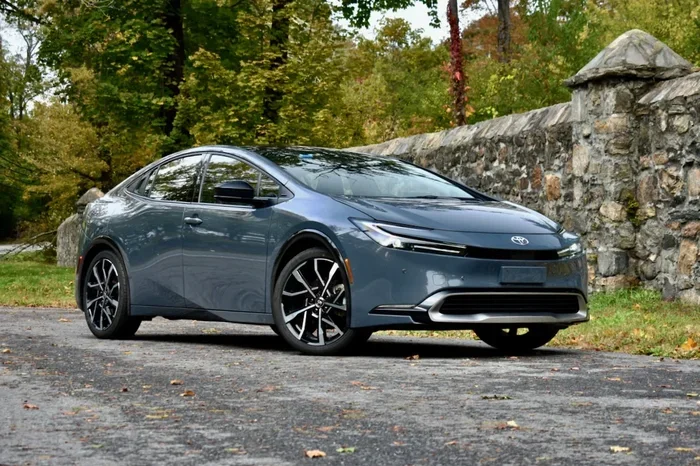
Visual guide about Toyota Prius hybrid car
Image source: images.ctfassets.net
At a basic level, the system can run on the gasoline engine, the electric motor, or both at the same time. At low speeds, the electric motor often does more of the work. During harder acceleration, the engine helps more. When you slow down, the system can recover energy and send it back to the battery.
The Role of the Gas Engine
The gasoline engine in a Prius is not there to do every job alone. It works as part of a team. This matters because engines are usually less efficient at very low speeds or during stop-and-go traffic. The hybrid setup helps reduce those inefficient moments.
When the car needs more power, the engine can provide it. When the car only needs a little power, the electric motor can take a bigger share. This balance is one reason the Prius feels calm and efficient in city driving.
The Role of the Electric Motor and Battery
The electric motor helps the car move quietly at low speeds and supports the engine when extra power is needed. The battery stores energy for that motor. In a standard Prius, the battery charges itself through normal driving and braking.
This setup can make the ride feel smooth. You may notice gentle acceleration from a stop and less noise in traffic. That is part of the hybrid experience. It is not just about fuel economy. It is also about how the car delivers power.
Plug-In vs Standard Hybrid
The Prius Prime is the plug-in version. It gives you the option to charge the battery from an outlet. That means you can drive a certain distance on electric power before the hybrid system uses the engine more. After that, it works like a regular hybrid.
The standard Prius does not need plugging in. It is ready to drive as soon as you start it. For many buyers, that simplicity is a big plus. For buyers who want more electric driving and have a place to charge, the Prime adds another option.
If you are comparing the two, think about your routine. Do you have a charger at home or work? Do you want the longest possible electric-only range each day? If yes, the Prime may appeal to you. If you want a simple hybrid with no charging routine, the standard Prius is the easier choice.
Prius Generations and What Changed Over Time
The Prius has gone through several generations, and each one brought updates. The hybrid foundation stayed, but the car itself kept improving. That is why people sometimes think different Prius models are very different from each other. In reality, they share the same hybrid identity, but with better refinement over time.
Earlier generations focused on proving that a hybrid could be practical. Later generations improved comfort, styling, technology, and efficiency. Some versions became a little larger. Some offered more driver aids. Some gave buyers more choice in trim levels and features.
Early Prius Models
The first Prius models were important because they showed that a hybrid could be usable in daily life. They were not flashy. They were practical. They introduced many drivers to the idea of combining gas and electric power in a normal-looking car.
These early models helped build the Prius reputation. People began to see the Prius as a smart choice for commuting and city driving. That reputation still follows the nameplate today.
Modern Prius Updates
Newer Prius models brought more polish. The styling became more defined. The interior technology improved. The driving experience felt more refined. In many cases, the car also became more efficient and more pleasant to live with every day.
Modern buyers often care about more than fuel economy. They want a car that feels current, has useful tech, and fits their lifestyle. The newer Prius tries to meet those expectations while keeping its hybrid strengths.
Prius Prime and the Plug-In Option
The Prius Prime added a new layer to the lineup. It keeps the hybrid system, but it also gives you plug-in charging. That means you can use more electric power for short trips and daily commuting if you have a charging spot.
This option matters because it gives buyers flexibility. Some people want a plug-in car but still want the safety net of a hybrid system. The Prius Prime fits that need. It is not a separate non-hybrid model. It is another way to use the hybrid idea.
Real World Fuel Economy and Driving Feel
Fuel economy is one of the biggest reasons people look at the Prius. In everyday use, the car is known for doing well in stop-and-go traffic. That is because hybrid systems can be especially effective when the car slows down often and recaptures energy.
Of course, real-world results depend on how you drive. Gentle acceleration helps. Smooth braking helps. Long highway trips may change the numbers too. The Prius is not magic, but it is engineered to make efficient driving easier.
City Driving vs Highway Driving
City driving often suits the Prius very well. Frequent stops give the system more chances to recover energy. Low-speed movement also lets the electric motor do more work. That is why many owners enjoy the car in commuting conditions.
On the highway, the car still does its job, but the driving pattern is different. There are fewer stops, so the hybrid system works in a different way. You can still expect efficient behavior, but the biggest gains often show up in mixed or city-heavy use.
What Owners Notice Day to Day
Many owners notice how quiet the car can feel at low speeds. They also notice how smooth it is when pulling away from a stoplight. Another common observation is how little attention the hybrid system needs during normal driving. Once you get used to it, it feels natural.
Some owners also appreciate the practical side. You do not need to plan your day around charging if you choose the standard Prius. You just drive it like a normal car. That convenience is a big part of the appeal.
Buying a Prius What to Consider
If you are thinking about buying a Prius, start by deciding which version fits your life. The standard hybrid is the simplest choice. The plug-in Prime is better if you want electric driving and have a charger. Both are hybrids, so either way you are getting the hybrid foundation.
Next, think about how you drive. If your daily routine includes a lot of city traffic, the Prius can be a great match. If you do mostly long highway trips, it may still work well, but your reasons for choosing it might be different. The best choice depends on your habits, not just the badge on the hood.
It also helps to look at the features you actually care about. Some buyers want the latest tech. Some want comfort. Some want a lower price. The Prius lineup can offer different priorities, so it is worth comparing trims instead of assuming every Prius is the same inside.
Maintenance and Long-Term Ownership
A Prius is generally straightforward to own. You still need regular maintenance like any car. Oil changes, tire care, brake checks, and routine inspections all matter. The hybrid system adds battery and electrical components, but the day-to-day ownership experience stays familiar.
Many people like the Prius because it feels low-stress. It is not usually a car that asks for special treatment. If you keep up with basic service, you are following the same kind of ownership habits you would use for most reliable cars.
Common Mistakes to Avoid
One common mistake is assuming all Prius models are identical. They are not. The standard hybrid and the plug-in Prime can suit different buyers. Another mistake is expecting the same fuel economy in every driving situation. Driving style and route type matter a lot.
It is also easy to overlook the importance of test driving the car. The hybrid feel is easy to understand in theory, but it makes more sense once you sit behind the wheel. A short drive can help you decide whether the car matches your expectations.
Expert Insights and Key Takeaways
From an ownership point of view, the Prius is a good example of a simple idea done well. It combines familiar car behavior with hybrid efficiency. You do not need to become a technical expert to use it. You just need to understand the basics and pick the version that fits your routine.
If you are still asking are all Toyota Prius hybrids, you can feel confident in the answer. The whole nameplate is built around hybrid technology. That is part of what makes the Prius easy to recognize and easy to trust for efficiency-minded buyers.
Here are the most important points to remember:
- Every Prius is a hybrid vehicle, whether it is a standard model or a plug-in Prime.
- The hybrid system helps in city driving by using electric power more often and recapturing energy.
- Prius generations improved over time, but the hybrid identity stayed the same.
- Prius Prime adds plug-in flexibility without changing the fact that it is still a hybrid.
- Driving habits affect fuel economy, so your results will depend on how and where you drive.
- Ownership is familiar, with regular maintenance and no special routine for the standard hybrid.
- Choose based on your lifestyle, not just the name on the badge.
If you want a car that saves fuel without asking you to change your habits too much, the Prius is worth a close look. If you want a little more electric range and have a place to charge, the Prime gives you that option. Either way, you are getting a hybrid car with a long-standing reputation for efficiency and practicality.
Frequently Asked Questions
Are all Toyota Prius models hybrids?
Yes, every Toyota Prius is a hybrid. Toyota designed the Prius as a hybrid from the start, and there has never been a gas-only Prius. The lineup includes a standard hybrid and a plug-in hybrid version, but both use hybrid technology.
Is the Prius Prime still a hybrid?
Yes, the Prius Prime is a plug-in hybrid. It can be charged from an outlet and drive on electric power for a limited range, but it still uses a gasoline engine and hybrid system. Once the battery is depleted, it operates like a regular hybrid.
Do you have to plug in a standard Toyota Prius?
No, a standard Prius does not need to be plugged in. It charges its battery through driving and regenerative braking. You can just fuel it and drive it like a normal car.
Why do people think some Prius models might not be hybrids?
People sometimes get confused because the Prius lineup has changed over time. Different generations, trim levels, and the plug-in Prime can make the family seem more complicated. Even so, every Prius still uses a hybrid powertrain.
Which Prius is best for city driving?
Both the standard Prius and the Prius Prime can work well in city driving. The standard hybrid is often the simplest choice because you do not need to charge it. The Prime can be appealing if you want more electric driving and have a place to plug in.
What should I look for when buying a used Prius?
Check the overall condition, service history, battery health, and the features you actually need. It also helps to test drive the car so you can feel how the hybrid system behaves. A used Prius can be a smart buy if it has been cared for properly.
=== CONCLUSION ===
If you have been wondering are all Toyota Prius hybrids, the answer is clear. Every Prius uses a hybrid powertrain, and that has been true throughout the model’s history. The standard Prius gives you a simple hybrid experience, while the Prius Prime adds plug-in flexibility without changing the core idea. That consistency is one reason the Prius has become such a well-known name in efficient driving.
When choosing one, think about your daily routine, your charging options, and how you drive. The Prius is not just about saving fuel on paper. It is about having a practical car that fits real life. If you want a hybrid that feels familiar, efficient, and easy to live with, the Prius remains a strong place to start.