
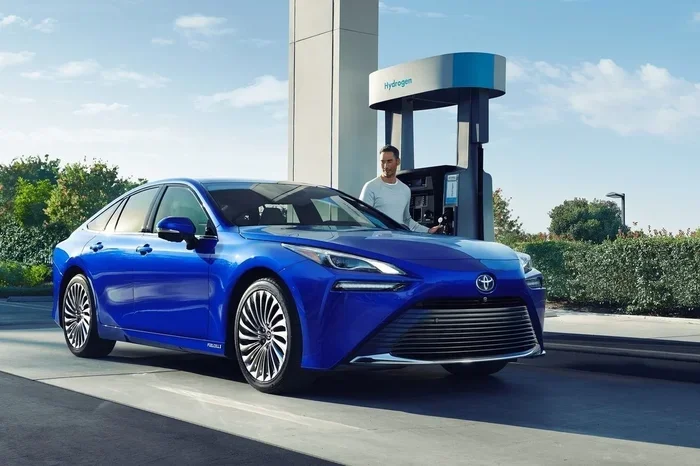
The Toyota Mirai is a clean, quiet, and futuristic sedan that runs on hydrogen instead of gas. It offers a smooth ride, fast refueling, and zero tailpipe emissions, but it only works well if you live near a hydrogen station. If you want an eco-friendly daily driver with premium comfort, the Mirai can be a great choice. However, high fuel costs and limited charging infrastructure make it a niche option for most buyers.
Key Takeaways
- Zero Emissions: The Mirai produces only water vapor, making it one of the cleanest cars on the road.
- Hydrogen Refueling: You can fill the tank in about five minutes, which feels much faster than charging an electric vehicle.
- Range and Efficiency: Modern Mirai models deliver around 350 to 400 miles per tank, depending on driving habits.
- Infrastructure Limits: Hydrogen stations remain scarce, so your daily commute and location matter a lot.
- Running Costs: Hydrogen fuel prices vary widely, and long-term ownership costs can be higher than gas or electric cars.
- Comfort and Tech: The cabin feels premium, quiet, and packed with safety features that suit family use.
- Best Fit: The Mirai works best for drivers who live near reliable hydrogen stations and want a low-emission luxury sedan.
📑 Table of Contents
- Are Toyota Mirai Good Cars Worth Considering Today
- How the Toyota Mirai Works and Why It Matters
- Performance, Range, and Real-World Driving
- Hydrogen Fueling, Range, and Infrastructure Reality
- Ownership Costs, Reliability, and Long-Term Value
- Comfort, Safety, and Everyday Practicality
- Who Should Buy a Toyota Mirai and Who Should Skip It
- Final Thoughts on the Toyota Mirai
Are Toyota Mirai Good Cars Worth Considering Today
The Toyota Mirai stands out in a crowded market of eco-friendly vehicles. It does not use gasoline. It does not plug into a wall. Instead, it runs on hydrogen fuel cells that turn stored hydrogen into electricity. That unique setup brings a mix of benefits and challenges. If you have ever asked yourself, are Toyota Mirai good cars for real-world driving, you are not alone. This sedan offers a smooth, quiet ride and a futuristic feel that many drivers love. At the same time, it depends on a fueling network that is still growing.
In this guide, we will break down how the Mirai works, what it costs to own, and who should actually buy one. We will look at range, comfort, safety, maintenance, and the hydrogen station situation. By the end, you will have a clear picture of whether this hydrogen-powered sedan fits your life.
How the Toyota Mirai Works and Why It Matters

Visual guide about Toyota Mirai hydrogen fuel cell
Image source: images.carexpert.com.au
The Mirai uses a hydrogen fuel cell system rather than a traditional engine. You fill a high-pressure tank with hydrogen, and the fuel cell combines that hydrogen with oxygen from the air. That reaction creates electricity, which then powers an electric motor. The only exhaust is water vapor. That makes the car very clean at the tailpipe.
This design gives the Mirai a few interesting strengths. First, it feels like an electric car in daily use. The motor delivers instant torque, so acceleration feels smooth and responsive. Second, the car does not need long charging sessions. You refuel with hydrogen much like you would pump gas. Third, the driving experience is quiet and refined, which suits a luxury-oriented sedan.
Of course, the technology also brings unique considerations. Hydrogen fuel cell vehicles need specialized fueling stations. They also use high-pressure storage systems and complex electronics. That does not make the car unreliable by default, but it does mean you should understand the ecosystem before buying. If you want a deeper look at the technology itself, you can read our explainer on what a Toyota Mirai is and how the system fits into Toyota’s broader lineup.
Fuel Cell Basics in Simple Terms
A fuel cell vehicle is not a hybrid and not a battery-electric car. It sits in its own category. The fuel cell stack acts like a small power plant on board. It generates electricity as you drive, rather than storing all the power in a large battery pack. That approach helps keep weight manageable and allows fast refueling.
The trade-off is that the car still depends on external fuel production. Hydrogen can be made in several ways, including from natural gas or through renewable electrolysis. The source of the hydrogen affects the overall environmental impact. Still, from a local air-quality perspective, the Mirai remains a very clean option.
Why This Design Appeals to Drivers
Many drivers like the Mirai because it feels familiar yet advanced. You get the quiet cabin and instant power of an electric car, but you skip the long charging waits. That can be a big deal for people who want an eco-friendly vehicle without changing their routine too much. The Mirai also carries a premium feel that makes it appealing for commuting, errands, and city driving.
Performance, Range, and Real-World Driving
When people ask are Toyota Mirai good cars for everyday use, they usually want to know about driving feel and range. The latest Mirai models deliver a comfortable, relaxed ride with enough power for highway merging and city traffic. The steering feels light and predictable, which makes the car easy to park and maneuver. The suspension soaks up bumps well, so the cabin stays composed on rough roads.
Range is one of the most important numbers for any alternative-fuel vehicle. The Mirai is designed to cover a solid distance on a full tank of hydrogen. In real-world driving, that range can vary based on speed, weather, and how aggressively you drive. Highway driving at higher speeds tends to reduce range more than calm city driving. Cold weather can also affect efficiency, just as it does with battery-electric cars.
Here is a simple comparison to help you picture how the Mirai fits among other eco-friendly options.
Quick Comparison: Mirai vs. Common Eco Alternatives
- Hydrogen Fuel Cell: Fast refueling, moderate to long range, limited fueling network.
- Battery Electric: Home charging convenience, lower fuel cost per mile, longer charging time.
- Gasoline Hybrid: Widely available fuel, proven reliability, still produces emissions.
The Mirai shines when you want electric-like driving without plugging in. It is less convenient if you do not have a hydrogen station nearby. That is why location matters so much. If you live in an area with several stations, the car becomes much more practical. If stations are far away, the ownership experience can feel stressful.
What Driving Feel and Comfort Are Like
Inside the Mirai, the focus is on comfort. The seat materials feel soft, the cabin is well insulated, and road noise stays low. That makes long commutes easier on the ears and shoulders. The controls are straightforward, and the infotainment system keeps things simple. You also get modern safety tech that helps with lane keeping, braking, and collision avoidance.
The car is not built for sporty thrills. It is built for smooth, polished movement. That matters if you want a refined sedan for daily use. It also matters if you often carry passengers who value a calm ride. For many buyers, that comfort factor is a major reason to consider the Mirai in the first place.
Hydrogen Fueling, Range, and Infrastructure Reality
This is the part that often decides the purchase. A hydrogen fuel cell car is only as practical as the fueling network around you. The Mirai can be a great car, but it becomes hard to live with if the nearest station is too far. Before buying, you should map your weekly routes and check where stations are located relative to home, work, and common errands.
Hydrogen fueling is fast compared with charging. You can usually fill the tank in a matter of minutes, which feels similar to pumping gas. That convenience is a major advantage for busy drivers. However, fuel availability can vary by region and even by day. Stations can go offline for maintenance or experience supply issues. That means you need a backup plan and a realistic understanding of local infrastructure.
How to Check If a Mirai Fits Your Routine
Start by listing your regular driving patterns. Think about your commute, school runs, weekend trips, and vacation routes. Then look at the hydrogen stations along those paths. If you can refuel without major detours, the Mirai becomes much more realistic. If you would need to drive far out of your way, the convenience advantage starts to fade.
It also helps to consider how you handle uncertainty. Some drivers do not mind planning around fueling stations. Others want total flexibility. The Mirai rewards the first group and challenges the second. If you want more context on Toyota’s hydrogen efforts and how they compare with other eco models, you may also find it useful to explore what a Toyota hybrid engine does, since hybrids remain a more widely supported option for many buyers.
Common Infrastructure Concerns
- Station spacing: Fewer stations mean longer detours for fuel.
- Supply consistency: Availability can change due to maintenance or delivery issues.
- Price variability: Hydrogen costs can shift by location and market conditions.
- Trip planning: Long road trips require more careful route planning.
These concerns do not make the Mirai a bad car. They make it a location-dependent car. If your area supports hydrogen fueling well, the ownership experience can feel smooth and modern. If not, the same car can feel limiting.
Ownership Costs, Reliability, and Long-Term Value
Cost is a major part of any car decision. With the Mirai, you need to think beyond the purchase price or lease terms. You also need to consider fuel, maintenance, insurance, and resale value. Hydrogen fuel prices can be higher than gasoline in many places, and that affects the total cost of driving. The exact impact depends on how much you drive and where you buy fuel.
Maintenance is another important piece. The Mirai does not need oil changes in the traditional sense, since it does not burn gasoline. It still needs regular checks for brakes, tires, filters, coolant, and fuel system components. The good news is that Toyota has a strong reputation for building durable vehicles, and the Mirai benefits from that engineering culture. If you are curious about Toyota’s general reliability reputation, you can compare it with models like the Camry by reading how reliable Toyota Camrys are in daily use.
What Affects Total Cost of Ownership
- Fuel price and usage: More miles and higher hydrogen prices increase costs.
- Lease vs. purchase: Some buyers prefer leasing because technology and infrastructure evolve quickly.
- Warranty coverage: Protective warranty terms can reduce worry about fuel cell components.
- Insurance and registration: Specialty vehicles can sometimes carry different insurance considerations.
Resale value can be harder to predict with hydrogen vehicles. The market is smaller, and buyer interest depends heavily on local fueling access. That does not mean the Mirai loses value quickly in every case, but it does mean you should think carefully about long-term ownership. If you plan to keep the car for many years, the fuel network may improve over time. If you plan to sell soon, you should be realistic about the pool of interested buyers.
Reliability in Everyday Terms
Reliability is not just about whether a car starts in the morning. It is about how often you face surprises. The Mirai is designed with durability in mind, and many owners appreciate the smooth, trouble-free feel of the drive. Still, any new technology benefits from careful attention to service schedules and fueling practices. Treat the car well, follow the recommended maintenance, and you improve your chances of a dependable ownership experience.
Comfort, Safety, and Everyday Practicality
The Mirai is a sedan, so it offers a familiar shape with a focus on passenger comfort. Front seats usually feel supportive, and the cabin gives enough room for daily commuting and family use. Cargo space is practical for groceries, luggage, and routine travel needs. The overall design feels more luxury-oriented than rugged, which makes sense for a clean-energy sedan.
Safety matters to almost every buyer, and the Mirai includes modern driver-assistance features. These can help with lane positioning, collision warnings, automatic braking, and blind-spot awareness. Such systems do not replace careful driving, but they add a useful layer of protection. If you want a car that feels calm, protected, and easy to live with, the Mirai has a lot to offer in day-to-day use.
Who Will Love the Daily Experience
- Commuters who want a quiet cabin.
- Eco-minded drivers who dislike long charging waits.
- Buyers near reliable hydrogen stations.
- People who value smooth, refined driving over sporty aggression.
Who May Want a Different Option
- Drivers in areas with few hydrogen stations.
- Buyers who want the lowest possible fuel cost per mile.
- People who frequently take long, unplanned road trips.
- Shoppers who prefer a more common fueling setup.
If you are comparing the Mirai with other Toyota models, it helps to think about your priorities. A RAV4 may offer more cargo flexibility, while a Camry may give you a broader service network and lower fueling complexity. For a closer look at how Toyota’s mainstream sedans fit into the reliability conversation, check how reliable Toyota Camrys are when used as daily drivers. That comparison can help you decide whether the Mirai’s unique approach is worth it for you.
Who Should Buy a Toyota Mirai and Who Should Skip It
The best way to answer are Toyota Mirai good cars is to match the car to the buyer. The Mirai is a strong fit for someone who wants a clean, quiet, premium-feeling sedan and already has hydrogen access. It is also a good fit for drivers who like the idea of fuel cell technology and want to support a lower-emission future. If you enjoy trying advanced automotive systems and you live in the right area, the Mirai can be a very satisfying car.
The Mirai is a weaker fit for someone who needs maximum fueling flexibility. If your routine includes frequent long-distance travel through areas with sparse hydrogen stations, the car may create more hassle than joy. It is also less ideal if your main goal is the lowest possible running cost. In that case, a gasoline hybrid or a battery-electric car with home charging may make more sense.
Smart Buying Tips
- Check local stations first. Do not guess. Verify real fueling options near home and work.
- Test the refueling routine. If possible, try a hydrogen fill-up before committing.
- Review lease terms carefully. Leasing can reduce long-term uncertainty with evolving technology.
- Think about your typical routes. Daily usability matters more than headline range numbers.
- Compare total cost, not just sticker price. Include fuel, insurance, and expected service needs.
Common Mistakes to Avoid
- Buying before checking station access. This is the biggest mistake and the easiest to avoid.
- Assuming hydrogen prices stay fixed. Costs can change by region and time.
- Overlooking weather effects. Cold conditions can affect efficiency and range.
- Ignoring resale reality. A smaller buyer pool can affect future value.
- Choosing the car for novelty alone. Practical fit matters more than hype.
Final Thoughts on the Toyota Mirai
So, are Toyota Mirai good cars? The honest answer is yes, but with an important condition. They are good cars for the right driver in the right location. The Mirai delivers a clean, quiet, and comfortable driving experience with the convenience of fast hydrogen refueling. It feels advanced without being difficult to live with, as long as fueling access is not a problem.
If you value zero tailpipe emissions, a refined cabin, and a different kind of eco-friendly driving, the Mirai deserves a serious look. If you need total fueling freedom, the lowest possible operating cost, or a more common support network, you may want to explore other options first. The best choice is the one that matches your daily life, not just the one that sounds impressive on paper.
Frequently Asked Questions
Are Toyota Mirai good cars for daily commuting?
Yes, they can be excellent for daily commuting if you live near reliable hydrogen stations. The ride is quiet, smooth, and easy to drive, which makes routine trips comfortable. The main limitation is fueling access, so your local station network matters a lot.
How far can a Toyota Mirai go on one tank of hydrogen?
Range varies by driving style, weather, and model year, but many drivers can expect a solid multi-hundred-mile range on a full tank. Highway speeds and cold weather usually reduce efficiency. The real-world number depends heavily on how and where you drive.
Is hydrogen fueling expensive compared with gas or electric charging?
Hydrogen can cost more per mile than gasoline or home charging in many areas, though prices vary by location and market conditions. That means total fuel cost is an important part of the ownership picture. You should compare local prices before deciding.
What is the biggest downside of owning a Toyota Mirai?
The biggest downside is the limited hydrogen fueling infrastructure. If stations are scarce or far from your routine routes, the car becomes less convenient. That infrastructure dependence is the main reason the Mirai is a niche vehicle.
Is the Toyota Mirai reliable enough for long-term ownership?
The Mirai is built by Toyota, which has a strong reputation for dependable vehicles, and the fuel cell system is designed for regular use. Long-term reliability still depends on maintenance, fueling quality, and local service support. Many owners find it smooth and straightforward when used within its intended setup.
Who should consider buying a Toyota Mirai?
The Mirai is best for eco-conscious drivers who want a premium, quiet sedan and already have practical hydrogen station access. It also suits buyers who like advanced technology and do not want to wait for battery charging. If you value comfort and clean driving more than fueling flexibility, it can be a strong fit.