
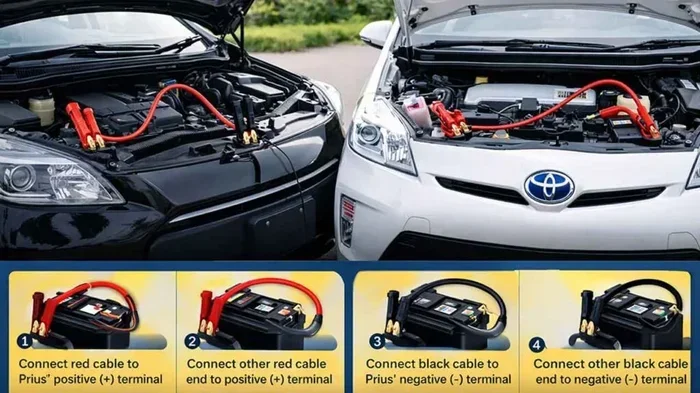
Jumpstarting a Toyota Prius requires special care because it uses both a high-voltage hybrid system and a standard 12-volt battery. You must locate the correct jump points under the hood and connect cables in the right order to avoid damage. This guide walks you through every step so you can get back on the road quickly and safely.
Key Takeaways
- Use the right cables: Always choose heavy-duty jumper cables or a portable jump starter rated for hybrid vehicles.
- Find the 12-volt battery: The Prius uses a small 12-volt battery in the trunk or under the hood for electronics and starting.
- Locate jump terminals: Many Prius models have dedicated jump points under the hood marked with red and black covers.
- Connect in order: Attach positive to positive first, then negative to a metal ground, and reverse when disconnecting.
- Start the donor car: A running vehicle with a healthy battery provides the power needed to boost the Prius.
- Check for damage: If the hybrid system shows warning lights after jumpstarting, visit a qualified technician.
- Prevent future issues: Regular battery checks and proper charging habits keep your Prius ready to go.
📑 Table of Contents
- Why Learning How to Jumpstart a Toyota Prius Matters
- Understanding the Toyota Prius Battery System
- Tools and Preparation You Need
- Step-by-Step Guide: How to Jumpstart a Toyota Prius
- Safety Tips and Common Mistakes to Avoid
- What to Do After a Successful Jumpstart
- When to Call a Professional Instead
- Keeping Your Prius Ready for the Road
- Final Thoughts on How to Jumpstart a Toyota Prius
Why Learning How to Jumpstart a Toyota Prius Matters
Every driver faces a dead battery at some point. It can happen after leaving lights on, during cold weather, or simply because a battery reaches the end of its life. When you drive a hybrid like the Prius, the process feels a bit different. Many people assume hybrids work exactly like regular cars. That is not true. The Prius combines a gasoline engine with an electric motor and a high-voltage battery pack. Yet it still relies on a small 12-volt battery to power the electronics, open the doors, and start the system.
Knowing how to jumpstart a Toyota Prius saves you time, stress, and money. You do not need to wait for roadside assistance in every situation. You can handle a simple boost yourself if you understand the right steps. This skill also helps you avoid costly mistakes. Connecting cables to the wrong spot can damage sensitive electronics. A careful approach keeps your hybrid system safe and gets you moving again.
In this guide, we cover everything you need. You will learn where to find the battery, which terminals to use, and how to connect jumper cables correctly. We also share safety tips, common mistakes, and answers to frequent questions. By the end, you will feel confident handling a dead Prius battery in your driveway or on the side of the road.
Understanding the Toyota Prius Battery System
Before you jumpstart any vehicle, you need to know what you are working with. The Prius uses two battery systems. The first is a large high-voltage hybrid battery. This battery powers the electric motor and helps the car save fuel. The second is a standard 12-volt battery. This smaller battery runs the lights, radio, dashboard, and computer systems. It also sends the initial signal to wake up the hybrid system.
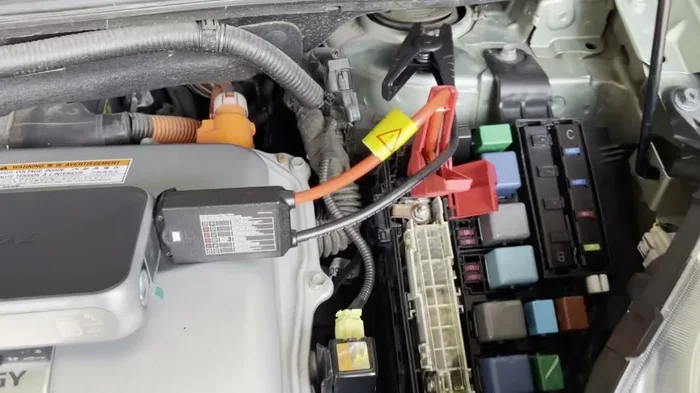
Visual guide about Toyota Prius jumpstart cables
Image source: i.ytimg.com
When people say their Prius will not start, the problem usually sits with the 12-volt battery. The hybrid battery rarely fails suddenly. It tends to lose power slowly over many years. The 12-volt battery, on the other hand, can drain quickly if the car sits too long or if a door stays open. That is why how to jumpstart a Toyota Prius focuses on the 12-volt side of the system.
Where the 12-Volt Battery Lives
In many Prius models, the 12-volt battery sits in the trunk. You will find it under the floor panel on the right side. Some newer models place it under the hood near the fuse box. The exact location depends on the year and trim level. Always check your owner manual first. If you cannot find the battery, look for a small compartment with a negative and positive terminal.
Jump Terminals Under the Hood
Toyota often adds convenient jump points under the hood. These points make the process easier and safer. You will see a red plastic cover marked with a plus sign and a black cover marked with a minus sign. These covers protect the terminals and reduce the risk of short circuits. When you learn how to jumpstart a Toyota Prius, using these marked points is the safest choice. They give you direct access to the 12-volt system without moving the battery.
Tools and Preparation You Need
Gathering the right tools before you begin makes the job smooth. You do not want to search for cables while standing next to a dead car. Prepare everything first. Here is what you need:
- Jumper cables: Choose heavy-duty cables with thick wires and sturdy clamps. Thin cables may not carry enough power.
- Portable jump starter: A compact jump box works well if you do not have another vehicle nearby.
- Safety gloves and glasses: Protect your hands and eyes from sparks or battery acid.
- Owner manual: Keep it handy to confirm terminal locations and any model-specific steps.
- A donor vehicle: If you use another car, make sure it runs on a healthy battery and has a similar voltage system.
Park the donor car close to the Prius. Leave enough space to open both hoods and move around safely. Turn off both vehicles before you connect anything. Set the parking brake on each car. These simple steps create a safe workspace and reduce the chance of accidents.
Checking the Battery Condition
Sometimes a battery looks dead but still holds some charge. Other times it is completely drained. If you have a multimeter, you can check the voltage. A healthy 12-volt battery reads around 12.6 volts when the car sits off. A reading below 12 volts usually means the battery needs a boost or replacement. This quick check helps you decide whether a jumpstart will work or if you need a new battery.
Step-by-Step Guide: How to Jumpstart a Toyota Prius
Now you are ready for the main process. Follow these steps in order. Do not skip steps or rush. A careful approach protects the hybrid electronics and keeps you safe.
Step 1: Locate the Jump Points
Open the hood of the Prius. Look for the red and black jump covers. If your model uses the trunk battery, you may still find jump points under the hood. These points connect directly to the 12-volt system. If you cannot see marked covers, locate the positive and negative terminals on the battery itself. Clean any corrosion with a wire brush if needed.
Step 2: Connect the Jumper Cables
Attach the red clamp to the positive jump point on the Prius. This point carries the plus charge. Then attach the other red clamp to the positive terminal on the donor car. Next, attach the black clamp to the negative jump point on the Prius. If no negative point exists, connect the black clamp to a clean metal surface on the engine block. This creates a safe ground. Finally, attach the other black clamp to the negative terminal on the donor car.
Always follow this order. Connecting positive first reduces the risk of sparks near the battery. It also keeps the sequence clear in your mind. When you master how to jumpstart a Toyota Prius, this order becomes second nature.
Step 3: Start the Donor Vehicle
Turn on the donor car and let it run for a few minutes. This allows power to flow into the Prius battery. You do not need to rev the engine. A steady idle works fine. If you use a portable jump starter, make sure it is fully charged and set to the correct mode.
Step 4: Start the Prius
Press the power button on the Prius. The dashboard should light up, and the hybrid system will begin its startup sequence. If the car does not start right away, wait another minute and try again. Do not crank the system repeatedly. Too many attempts can drain the donor battery further.
Step 5: Disconnect the Cables
Once the Prius starts, remove the cables in the reverse order. Take off the black clamp from the Prius first. Then remove the black clamp from the donor car. Next, remove the red clamp from the donor car. Finally, remove the red clamp from the Prius. Keep the clamps away from metal surfaces as you set them down.
Step 6: Let the Hybrid System Run
Allow the Prius to run for at least 15 to 20 minutes. This gives the 12-volt battery time to recharge. You can drive the car during this time if you need to reach a safe location or a repair shop. The gasoline engine will engage as needed to support the hybrid system.
Safety Tips and Common Mistakes to Avoid
Jumpstarting any car carries some risk. The Prius adds a layer of complexity because of its hybrid electronics. Follow these safety tips to stay protected and avoid damage.
- Never touch both clamps at once: Keep your hands clear of the metal ends. A short circuit can cause sparks or shock.
- Avoid reversing the cables: Connecting positive to negative can damage the battery and the car computer.
- Do not jump a damaged battery: If the battery case is swollen, cracked, or leaking, do not attempt a jumpstart. Call for help instead.
- Keep the hood open safely: Use the hood prop rod if your model requires it. A falling hood can cause injury.
- Work in a dry area: Moisture increases the risk of electrical issues. Move to a covered spot if it rains.
Common Mistakes People Make
Even experienced drivers make errors when they rush. Here are the most common mistakes and how to avoid them:
- Connecting to the wrong terminal: Always double-check the red and black markings. A quick glance prevents big problems.
- Skipping the ground connection: A poor ground can stop the jump from working. Find a clean metal surface and attach the clamp firmly.
- Trying to start the Prius too many times: Give the battery time to receive power. Patience saves the donor battery.
- Ignoring warning lights: If the hybrid system shows a warning after the jump, have a technician inspect it. The 12-volt battery may be fine, but another issue could exist.
- Using weak or frayed cables: Old cables may not deliver enough current. Replace damaged gear before you need it.
What to Do After a Successful Jumpstart
A successful jumpstart does not mean the problem is solved forever. The 12-volt battery may still be weak. You should take a few follow-up steps to protect your Prius and prevent another shutdown.
Drive and Recharge
Drive the car for at least 20 minutes. The hybrid system will recharge the 12-volt battery through the generator. If you only let the car sit idle, the recharge may be slow. A short drive with a mix of city and highway speeds works best. This helps the battery regain a stable charge.
Test the Battery
Visit an auto parts store or a mechanic to test the battery. They can check the voltage, cold cranking amps, and overall health. If the battery fails the test, replace it soon. A weak battery can leave you stranded again. When you understand how to jumpstart a Toyota Prius, you also need to know when the battery has reached the end of its life.
Check the Charging System
Sometimes the battery dies because the charging system has a problem. A faulty alternator or a loose belt can prevent proper charging. If the battery drains repeatedly, ask a technician to inspect the entire electrical system. This check catches small issues before they become big repairs.
When to Call a Professional Instead
Jumpstarting works for many dead battery situations. Yet some cases require professional help. Do not force a jumpstart if you see these signs:
- The battery is cracked, leaking, or swollen.
- The Prius shows multiple warning lights after the jump.
- The hybrid system makes unusual noises or refuses to engage.
- You do not have the right cables or a safe place to work.
- You feel unsure about the terminal locations or the connection order.
Roadside assistance can provide a safe jump or a battery replacement on the spot. A qualified hybrid technician can also diagnose deeper electrical issues. It is better to wait for help than to risk damage to the high-voltage system. Toyota hybrids contain sensitive components, and proper care matters.
Keeping Your Prius Ready for the Road
Prevention is easier than rescue. A few simple habits keep your Prius battery healthy and reduce the chance of a dead start.
- Drive regularly: Long periods of sitting drain the 12-volt battery. If the car sits for weeks, use a battery maintainer.
- Turn off accessories: Lights, fans, and infotainment systems draw power. Make sure everything shuts off when you leave the car.
- Check terminal connections: Loose or corroded terminals weaken the battery. Clean and tighten them during routine maintenance.
- Replace the battery on schedule: Most 12-volt batteries last three to five years. Age matters more than mileage.
- Store the car properly: If you park in a garage, keep the temperature moderate. Extreme heat and cold stress the battery.
These habits support the hybrid system and extend the life of the 12-volt battery. They also make how to jumpstart a Toyota Prius a backup skill rather than a frequent necessity.
Quick Tips for Hybrid Owners
Hybrid cars reward attentive owners. Here are a few extra tips that help you stay prepared:
- Keep a portable jump starter in your trunk. It works like a compact donor car and fits easily in small spaces.
- Learn the location of the jump points before an emergency happens. A quick review of the owner manual saves time.
- Carry basic safety gear such as gloves and a small flashlight. Low-light situations make the process harder.
- Write down the steps on a card and keep it in the glove box. Stress can make you forget simple sequences.
Final Thoughts on How to Jumpstart a Toyota Prius
A dead battery can ruin your day, but it does not have to stop you completely. With the right tools and a clear plan, you can handle the situation calmly. The key is to focus on the 12-volt battery and use the marked jump points under the hood. Always connect the cables in the correct order, start the donor vehicle, and give the Prius time to wake up. After the jump, drive the car long enough to recharge and test the battery health.
Learning how to jumpstart a Toyota Prius gives you confidence and independence. You will know what to do when the dashboard stays dark and the engine refuses to start. You will also know when to call for help and when to handle the job yourself. Keep your cables ready, practice the steps in your mind, and stay safe on the road. Your Prius will thank you with reliable starts and smooth hybrid performance for miles to come.
Frequently Asked Questions
Can I jumpstart a Toyota Prius with a regular car?
Yes, you can use a regular gas car as a donor vehicle. Just make sure both cars have 12-volt systems and follow the correct connection order. Keep the donor engine running while you boost the Prius.
Where do I connect the jumper cables on a Prius?
Look for the red and black jump covers under the hood. These marked points connect to the 12-volt battery system. If your model lacks covers, connect directly to the battery terminals after confirming the positive and negative sides.
How long should I let the Prius run after a jumpstart?
Run the car for at least 15 to 20 minutes. A short drive helps the hybrid system recharge the 12-volt battery more effectively. If the battery remains weak, test it and consider a replacement.
What happens if I connect the cables backwards?
Reverse connection can damage the battery, blow fuses, or harm the car computer. If you accidentally swap the clamps, disconnect them immediately and check for warning lights. Have a technician inspect the vehicle before driving.
Can a portable jump starter work on a Prius?
Yes, a portable jump starter works well if it is rated for 12-volt systems and has enough power. Follow the same connection order you would use with another car. Make sure the unit is fully charged before you need it.
Why does my Prius battery keep dying?
Repeated drain often points to an old battery, a charging issue, or a parasitic draw from an accessory. A battery test and a charging system check can reveal the cause. If the problem continues, ask a hybrid-trained mechanic to inspect the vehicle.