
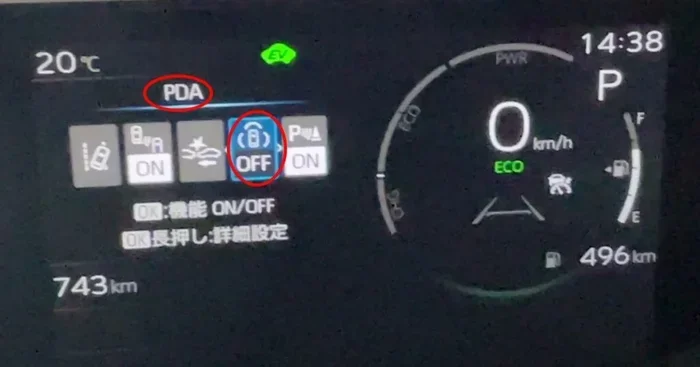
PDA on Toyota means Parking Distance Assist, a helpful safety feature that warns you about obstacles near your vehicle. When this system lights up or beeps, it usually signals a sensor issue, dirt buildup, or a simple settings change. You can often resolve it with a quick clean, a reset, or a dealer check. Understanding what is PDA on Toyota cars helps you stay safe and avoid costly repairs.
This is a comprehensive guide about what is pda on toyota.
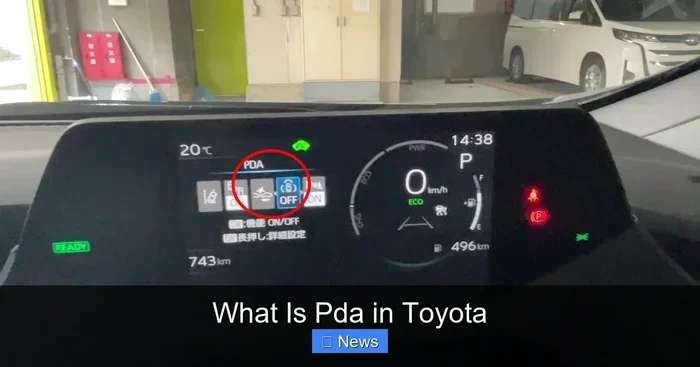
Visual guide about Toyota dashboard PDA button
Image source: toyotaautodealer.com
Key Takeaways
- PDA stands for Parking Distance Assist: It uses front and rear sensors to warn you about nearby objects while parking.
- A PDA warning usually means a sensor problem: Dirt, damage, or electrical glitches can trigger the alert.
- Simple fixes often work first: Cleaning sensors, checking settings, and restarting the system can clear the warning.
- Professional diagnosis may be needed: If the light stays on, a scan tool or dealer visit can pinpoint the exact fault.
- PDA supports safer parking: It works best when you keep sensors clean and understand its limits.
- Toyota models vary in PDA features: Some cars show distance beeps, while others display visual guides on the screen.
- Regular maintenance helps prevent PDA errors: Washing the bumper and inspecting wiring keeps the system reliable.
[FEATURED_IMAGE_PLACEHOLDER]
What Is PDA on Toyota Cars?
If you have ever seen a new warning light or heard unusual beeping while parking, you may have asked yourself, what is PDA on Toyota cars? PDA stands for Parking Distance Assist. It is a driver aid that helps you avoid bumps, curbs, and objects when you move slowly or reverse. The system uses small sensors on the front and back of the vehicle. These sensors send out signals and measure how close an object is. When something gets too near, the car gives you a warning. That warning can be a sound, a light, or both.
This feature is especially useful in tight parking lots, narrow driveways, and crowded streets. It gives you extra awareness when your view is limited. Many drivers rely on it during daily commutes and weekend errands. The system is simple in concept, but it can feel confusing when a warning appears unexpectedly. That is why it helps to understand how PDA works, what triggers it, and what to do when it acts up.
Toyota includes parking assist technology in many models to improve confidence behind the wheel. Some versions focus on audible alerts. Others add visual guides on the dashboard screen. In either case, the goal is the same: help you park with less stress. If you know the basics, you can use the system more effectively and spot problems early.
How the PDA System Works in Toyota Vehicles
The Parking Distance Assist system relies on ultrasonic sensors. These sensors sit in the bumper and measure distance by sending out sound waves. When the waves hit an object, they bounce back to the sensor. The car then calculates how close the object is. If the distance becomes short enough, the system alerts you.
Most Toyota vehicles use a mix of front and rear sensors. The front sensors help when you approach a wall or another car. The rear sensors help when you back into a spot or out of a tight space. Some models also combine PDA with a backup camera or a wider parking view. That combination gives you both sound alerts and a visual picture.
The system usually activates at low speeds. It is not meant for highway driving. Instead, it works when you creep forward or reverse. That is why you may notice it most during parking maneuvers. The alerts often start softly and become more urgent as the gap shrinks. This gradual warning helps you react in time.
A few important points shape how PDA behaves:
- Sensor placement matters: Front and rear sensors cover different zones around the car.
- Speed affects activation: The system is most active during slow movements.
- Warnings can vary by model: Some cars beep, some show bars or lines, and some do both.
- Weather and dirt can interfere: Heavy rain, mud, or snow may reduce sensor accuracy.
What Triggers a PDA Warning or Light
When drivers search for what is PDA on Toyota cars, they often want to know why the warning appears. In many cases, the alert is not a major failure. It may simply mean the system detected an object or noticed a sensor issue. The most common triggers include:
- An object near the vehicle: Walls, poles, carts, and even low barriers can trigger alerts.
- Dirty sensors: Dust, grime, bug splatter, or wax buildup can block the signal.
- Sensor damage: A cracked bumper or dented sensor area can affect performance.
- Electrical glitches: A loose connection or temporary system error may cause a false warning.
- Settings or mode changes: Some vehicles let you adjust or disable parking alerts, which can confuse drivers.
Sometimes the warning shows up as a light on the dashboard. Other times it appears as repeated beeping. In some Toyota models, the display may show distance marks or warning zones. If the message seems unclear, check the owner’s manual for the exact symbol. Different model years can use slightly different indicators.
It is also worth noting that PDA warnings can appear during normal use. For example, if you pull too close to a curb, the system may beep even if nothing is wrong. That means a warning does not always equal a broken part. Context matters. If the alert happens only when you are near an object, the system may be doing its job.
Common PDA Problems and What They Mean
If the PDA warning stays on, repeats often, or appears when no object is nearby, something may need attention. Here are some common issues and what they usually suggest:
Dirty or Blocked Sensors
This is one of the easiest problems to miss. If the front or rear sensors are covered in dirt, the system may struggle to read distance correctly. The result can be false beeps or a constant warning. A gentle cleaning with water and a soft cloth often solves this. Avoid harsh chemicals that could damage the bumper or sensor cover.
Faulty or Misaligned Sensors
If a sensor gets bumped or the bumper takes a hit, the sensor may shift out of place. Even a small misalignment can affect readings. A faulty sensor may also stop responding altogether. In that case, the system may warn you that it cannot trust the data it is receiving.
Wiring or Electrical Issues
Parking assist systems depend on clean electrical connections. Corrosion, loose plugs, or damaged wiring can interrupt communication between the sensors and the control module. These problems may cause intermittent warnings. They can also cause the system to turn off unexpectedly.
System Calibration or Module Errors
Some Toyota vehicles need the parking assist system to recalibrate after repairs or battery work. If the system was reset incorrectly, it may show a warning until it stabilizes. A diagnostic scan can help identify whether the issue is a sensor fault, a communication error, or a module concern.
False Alerts from Environmental Factors
Heavy rain, fog, or reflective surfaces can sometimes interfere with sensor readings. Small objects that absorb sound waves may also be harder for the system to detect. While these are not defects, they can make the system seem inconsistent.
How to Troubleshoot PDA Warnings Step by Step
If you are dealing with a PDA alert, start with the simplest checks first. Many problems are minor and can be handled without a repair shop. Use this practical order:
- Look around the vehicle: Check for objects, curbs, or low barriers near the front or rear.
- Inspect the sensors: Clean the front and rear sensor areas gently.
- Check for damage: Look for cracks, dents, or loose trim near the bumper.
- Restart the car: Turn the vehicle off and back on to clear a temporary glitch.
- Review settings: Make sure parking alerts or related aids are turned on if you want them active.
- Test at low speed: Move slowly in a clear area to see whether the warning returns.
If the warning disappears after cleaning or restarting, the issue may have been temporary. If it returns quickly, keep monitoring when it happens. Note whether it appears only in reverse, only at the front, or all the time. Those details help a mechanic or dealer diagnose the problem faster.
A diagnostic scan is often the next best step if the light stays on. A scan tool can read stored codes and point to a specific sensor or circuit. That saves time compared with guessing. In some cases, the fix may be as simple as replacing one sensor. In other cases, the shop may need to inspect wiring or the control module.
If you are not comfortable checking the system yourself, a trusted technician can help. The goal is to confirm whether the alert is a true fault or just a normal parking warning. That distinction matters because it affects both cost and urgency.
When to Visit a Toyota Dealer or Repair Shop
Some PDA concerns are easy to handle at home. Others need professional help. You should consider a service visit if:
- The warning stays on after cleaning and restarting.
- You notice physical damage to the bumper or sensor area.
- The system behaves erratically, such as beeping with no object nearby.
- Other related warnings appear alongside the PDA alert.
- The vehicle was in a minor collision or had recent bumper work.
A dealer or qualified shop can check the sensors, wiring, and control system in a structured way. They can also confirm whether the problem is tied to a specific module. If you have a newer Toyota, the repair shop may also update software if needed. Software updates can improve how the system interprets sensor data.
If you are wondering what is PDA on Toyota cars in terms of repair cost, the answer depends on the cause. A cleaning or settings check may cost very little. A sensor replacement or wiring repair may cost more. The best approach is to get a clear diagnosis before approving any major work. That way, you know exactly what needs attention.
Tips for Keeping PDA Working Reliably
A little routine care goes a long way. To keep Parking Distance Assist working well, make these habits part of your normal car care:
- Wash the front and rear bumpers regularly. This helps keep sensors clear of dirt and buildup.
- Check sensor areas after storms or rough parking. Look for debris, scratches, or loose trim.
- Avoid slamming the car into objects. Even small impacts can affect sensor alignment.
- Keep the area around sensors free of stickers or accessories. Some add-ons can block the signal.
- Read the owner’s manual for your model. Toyota may use different alerts or settings across trims.
- Address warning lights early. Small issues are often easier to fix than delayed problems.
It also helps to understand the system’s limits. PDA is a support tool, not a replacement for careful driving. Always use your mirrors, cameras, and direct vision when parking. Use the alerts as a backup, especially when your view is blocked. That mindset helps you get the most value from the feature.
Final Thoughts on What Is PDA on Toyota Cars
So, what is PDA on Toyota cars? It is a practical parking aid that helps you judge distance and avoid obstacles. For many drivers, it adds confidence in tight spaces and reduces the stress of low-speed maneuvering. When it works well, it feels like a helpful extra set of eyes around the vehicle.
When a PDA warning appears, do not panic. Start with the simple causes first, such as dirt, objects nearby, or a temporary glitch. If the alert continues, inspect the sensors and consider a diagnostic check. Most issues are manageable once you know what the system is trying to tell you.
The best approach is to treat PDA as part of your overall parking routine. Keep the sensors clean, learn the alerts for your model, and pay attention when the system speaks up. With that habit, you can use Parking Distance Assist more confidently and keep your Toyota running smoothly in everyday parking situations.
Frequently Asked Questions
What does PDA stand for on a Toyota?
PDA usually stands for Parking Distance Assist. It is a system that helps warn you about objects near the front or rear of the vehicle while parking or moving slowly.
Is PDA the same as a backup camera?
No, PDA and a backup camera are not the same thing. PDA uses sensors to give distance warnings, while a backup camera shows a video view behind the car. Some Toyotas use both together.
Why does my Toyota keep beeping when I am parking?
Repeated beeping often means the system detects an object close to the sensors. It can also happen if the sensors are dirty or if there is a sensor or electrical issue. Check the area around the car first, then clean the sensors if needed.
Can dirty sensors cause PDA warnings?
Yes, dirty sensors can interfere with distance readings and trigger warnings. Dirt, wax, mud, or bug buildup may block the sensor signal. Cleaning the sensor area gently often helps.
Do I need a dealer to fix a PDA light?
Not always. If the light comes on only when you are near an object, the system may be working normally. If the warning stays on, a diagnostic check at a dealer or repair shop can help identify the exact cause.
Does PDA work at high speeds?
Usually no. PDA is designed for low-speed parking and close-distance warnings. It is not meant to act as a highway safety system, so it is most noticeable when you are creeping forward or reversing.