
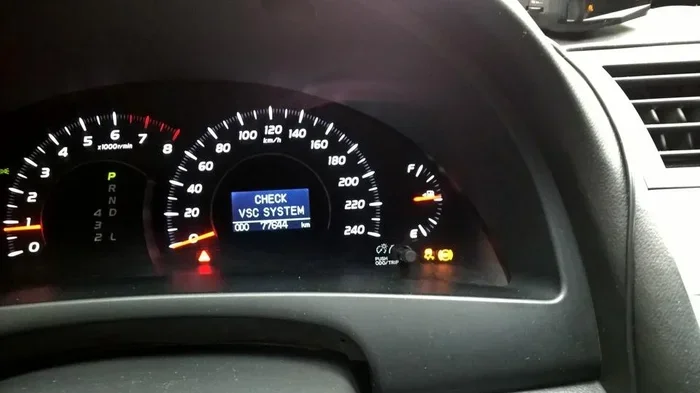
VSC stands for Vehicle Stability Control, and it is a smart safety system built into most modern Toyota cars. It watches your steering and wheel speed to help prevent skids and loss of control. If the VSC light turns on, it usually means the system needs attention or was turned off by accident. Understanding what is VSC on a Toyota helps you drive with confidence and know when to visit a mechanic.
If you have ever seen a small light pop up on your dashboard and wondered what it means, you are not alone. Many Toyota drivers notice a VSC indicator and start searching for answers right away. The good news is that this system is designed to help you, not confuse you. Once you understand how it works, you can react calmly and keep your car running smoothly.
In this guide, we will break down what is VSC on a Toyota in plain language. You will learn why the light appears, what triggers it, and how to decide whether you need a quick reset or a mechanic visit. We will also share simple checks you can do at home and tips to avoid common mistakes. By the end, you will feel much more confident behind the wheel.
Key Takeaways
- VSC means Vehicle Stability Control: It is a safety system that helps keep your Toyota stable during sharp turns or slippery conditions.
- The VSC light has two common meanings: It may blink to warn of a slip, or stay solid to show a system fault or manual deactivation.
- Common triggers include wheel speed sensor issues, loose gas caps, low battery voltage, and accidental button presses.
- You can often reset the light by checking simple items first, but a persistent light needs a professional diagnostic scan.
- VSC works with traction control and ABS to monitor steering angle, yaw, and wheel spin in real time.
- Driving with the VSC light on is usually safe for basic travel, but you lose extra stability help in bad weather.
- Regular maintenance and prompt sensor checks keep the system ready when you need it most.
📑 Table of Contents
What Is VSC on a Toyota
VSC stands for Vehicle Stability Control. It is an electronic safety feature that helps your Toyota stay balanced when road conditions get tricky. The system watches your steering input, wheel speed, and vehicle direction. If it senses a slide or a loss of grip, it steps in to help you maintain control.
Think of VSC as a quiet co-pilot. It does not take over the car. Instead, it gives small corrections when needed. This can make a big difference during sudden turns, wet roads, or loose gravel. Many drivers never notice it working because it acts fast and stays in the background.
How VSC Fits Into Toyota Safety
Toyota builds VSC to work with other safety systems. It often teams up with traction control and the anti-lock braking system. Together, these tools help reduce wheel spin and support steady braking. The goal is simple: help the car go where you point it, even when the road does not cooperate.
This is why the Toyota VSC system matters so much. It is not just a dashboard light. It is part of a larger safety network that supports everyday driving. If one part needs attention, the light lets you know early, before a small issue becomes a bigger one.
What the VSC Light Looks Like
The VSC light usually appears as a small icon with a car and skid marks, or as a simple warning message on the dashboard display. On some models, you may also see a separate traction control light. These indicators can blink or stay steady, and each behavior sends a different message.
A blinking light often means the system is actively helping you during a slip. A steady light usually means the system is off or has detected a fault. Knowing the difference helps you stay calm and choose the right next step.
How the VSC System Works
The VSC system Toyota uses relies on several sensors and a control module. These parts talk to each other many times per second. They measure things like wheel rotation, steering angle, and vehicle yaw, which is the side-to-side motion of the car. When the data does not match your steering direction, the system reacts.
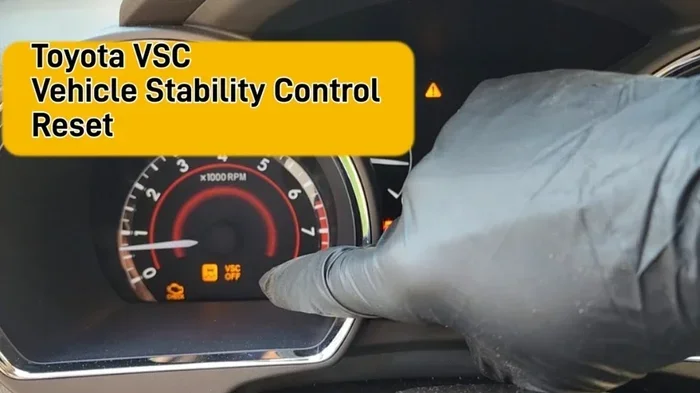
Visual guide about Toyota VSC system dashboard
Image source: i.ytimg.com
Here is a simple way to picture it. If you turn the wheel but the car keeps sliding straight, VSC notices the mismatch. It may reduce engine power slightly or apply brake pressure to one wheel. That small adjustment can help the car rotate back into line. The whole process happens quickly and smoothly.
Sensors That Help VSC Do Its Job
Several sensors support the system. Wheel speed sensors track how fast each wheel turns. The steering angle sensor checks where your wheels point. Other sensors monitor acceleration and rotation. When these signals stay in sync, the system runs quietly in the background.
If one sensor sends odd data, the VSC warning light may turn on. That does not always mean the car is unsafe to drive. It often means the computer needs a closer look. Still, it is wise to treat the light as a helpful alert rather than ignore it.
VSC and Traction Control Together
VSC and traction control are close cousins. Traction control focuses on reducing wheel spin when you accelerate. VSC focuses on overall stability when cornering or reacting to sudden moves. In many Toyota models, the two systems share hardware and software. That is why you may see related messages or lights appear together.
This connection matters because a single issue can affect both systems. For example, a wheel speed sensor problem may impact traction control and VSC at the same time. If you notice multiple warnings, it is worth checking the simplest causes first.
Why the VSC Light Comes On
There are several reasons the VSC light on Toyota vehicles turns on. Some are temporary and easy to fix. Others point to a part that needs service. The best approach is to start with the simple checks before assuming the worst.
One common reason is a temporary loss of stability. If you drive through rain, snow, or loose gravel, the light may blink as the system helps you. That is normal. Once conditions improve, the light usually stops blinking.
Another common reason is accidental deactivation. Some Toyota models have a button that lets the driver turn off traction control or VSC in certain situations. If the button gets pressed, the dashboard may show a message or light. This is often an easy fix.
Simple Triggers You Can Check First
Before paying for repairs, look for the easy culprits. A loose or missing gas cap can sometimes trigger warning lights. Low battery voltage can also confuse the electronics. A recent jump start or battery change may leave the system in a temporary warning state.
It is also smart to check tire condition. Very low tire pressure or mismatched tires can affect wheel speed readings. If one tire is much more worn than the others, the system may notice the difference and react.
Sensor and Electrical Issues
If the simple checks do not solve it, the issue may be sensor-related. A dirty or failing wheel speed sensor is a common suspect. Wiring problems, corroded connectors, or a weak ground connection can also cause the light to stay on. In some cases, the brake system or ABS module may need attention too.
This is where a diagnostic scan becomes useful. A technician can read the stored codes and narrow down the problem. That saves time and helps avoid replacing parts that are still working fine.
How to Reset VSC Light on Toyota
Many drivers ask how to reset the VSC system when the light stays on. The right method depends on the cause. If the light came on because of a temporary slip, it may clear on its own after a short drive. If it came on because of a button press, you may be able to turn it back on manually.
One simple first step is to turn the car off, wait a moment, and restart it. This can clear a momentary electronic glitch. If the light remains, check whether the VSC or traction control button was pressed. On some models, pressing it again restores the system.
When a Reset Is Not Enough
If the light stays on after a restart, do not keep trying random fixes. A persistent light usually means the computer stored a fault code. In that case, the car needs a proper scan. Disconnecting the battery may clear the light for a short time, but it does not fix the root cause. The light can return quickly if the real issue is still there.
It is also important to remember that the Toyota VSC light can appear alongside other warnings. If you see brake warnings, ABS messages, or a check engine light, the problem may be more involved. Those situations are better handled by a professional.
Safe DIY Checks Before You Visit a Shop
You can still do a few safe checks at home. Make sure the tires are inflated properly. Inspect the gas cap and tighten it if needed. Look for obvious damaged wiring under the car, especially near the wheels. If you recently worked on the battery, double-check the connections.
These small steps often solve simple issues. If the light still stays on, schedule a diagnostic check. That way, you know exactly what needs attention instead of guessing.
Is It Safe to Drive with the VSC Light On
This is one of the most common questions after seeing the VSC indicator. In many cases, the car is still drivable for normal trips. The engine, brakes, and steering usually still work. The main difference is that you lose extra stability support if the road gets slippery.
That said, caution matters. If the light is steady and stays on, the system may be disabled or limited. If the light blinks while you drive, the car is telling you it is struggling to maintain grip. In that moment, slow down, smooth out your steering, and avoid sudden moves.
When You Should Be More Careful
You should be extra careful in rain, snow, ice, or rough pavement. Without full VSC support, the car may be more likely to slide if you brake hard or turn sharply. Keep a larger following distance. Brake earlier. Make gentle inputs on the wheel and pedals.
If the light appears with other warning messages, do not ignore it. A combined warning pattern can point to a shared system problem. If you feel unusual pulling, braking issues, or loss of control, stop driving and get help.
Quick Tips for Safer Driving When VSC Is Off
- Slow down earlier on wet or loose roads.
- Brake gently instead of slamming the pedals.
- Avoid sudden steering moves during corners.
- Check tire pressure before long trips.
- Use caution in bad weather until the light is checked.
Common Causes and Fixes for VSC Problems
When the VSC system Toyota warning appears, the fix depends on the cause. Some problems are minor. Others need parts or professional service. Here are the most common causes and what they usually mean.
Wheel speed sensor issues are frequent. These sensors can get dirty, damaged, or fail over time. If one sends bad data, VSC may turn on the light. Cleaning or replacing the sensor often resolves the problem.
Battery or charging issues can also trigger warnings. If voltage drops too low, electronics may behave oddly. A weak battery, loose terminal, or failing alternator can create confusing dashboard messages. Fixing the electrical issue often clears the warning.
Other Possible Causes
Brake system concerns may affect VSC too. Since the system can apply brake pressure to individual wheels, it depends on healthy brake components. A problem in the ABS module or brake light switch can sometimes interfere with normal operation.
Wiring damage is another possibility. Cracked harnesses, corroded plugs, or rodent damage can interrupt sensor signals. These issues may need repair before the light stays off for good.
Expert Insights on Handling VSC Warnings
The best approach is to treat the light as information, not panic. Start with the simple checks. If the light remains, get the codes read. A clear diagnosis prevents wasted money and unnecessary part swapping. It also helps you decide whether the car is safe for your daily drive.
If you are unsure, ask a trusted technician to inspect the system. A quick scan and visual check can save time. It is better to confirm the cause early than to wait until the problem grows.
Key Takeaways for Toyota VSC Owners
Understanding what is VSC on a Toyota makes the dashboard less stressful. The system is there to help you stay stable and in control. When the light turns on, it is usually telling you one of three things: the system is actively helping, it was turned off, or it needs service.
Start with the easy checks. Restart the car, verify the button was not pressed, and inspect the gas cap and tires. If the light stays on, book a diagnostic scan. That gives you a clear answer and a smart path forward.
Most importantly, do not ignore a persistent light. Even if the car seems fine, the warning may point to a sensor or electrical issue. Catching it early keeps your Toyota safer and helps you avoid bigger repairs later.
Frequently Asked Questions
What does VSC mean on a Toyota?
VSC means Vehicle Stability Control, a safety system that helps keep the car stable during slips or sudden maneuvers. It uses sensors to monitor wheel speed and steering, then helps correct the vehicle if it starts to lose grip.
Why is the VSC light on in my Toyota?
The light may come on because the system is actively helping during a slip, because it was turned off by a button, or because it detected a fault. A steady light usually means a problem or manual deactivation, while a blinking light often means the system is working in a low-traction situation.
How do I turn off the VSC light on a Toyota?
If the light came on from a button press, you may be able to turn the system back on by pressing the button again. If it stays on, try restarting the car and checking simple items like the gas cap and tire pressure. If it still remains on, a diagnostic scan is usually needed.
Can I drive my Toyota with the VSC light on?
In many cases, yes, for normal driving on dry roads. However, you may have less stability support in slippery conditions, so you should drive more carefully. If the light appears with other warnings or you notice braking or handling problems, have the car checked soon.
Does a VSC light mean my check engine light is also on?
Not always, but the two can be related. Some electrical or sensor issues can trigger both warnings. If both lights are on, it is a good idea to get the codes read so you know whether one problem is affecting multiple systems.
How much does it cost to fix VSC on a Toyota?
The cost depends on the cause. A simple reset or gas cap fix may cost very little, while a sensor replacement or wiring repair can be more expensive. The best way to know is to have the system scanned first so you can address the exact issue.