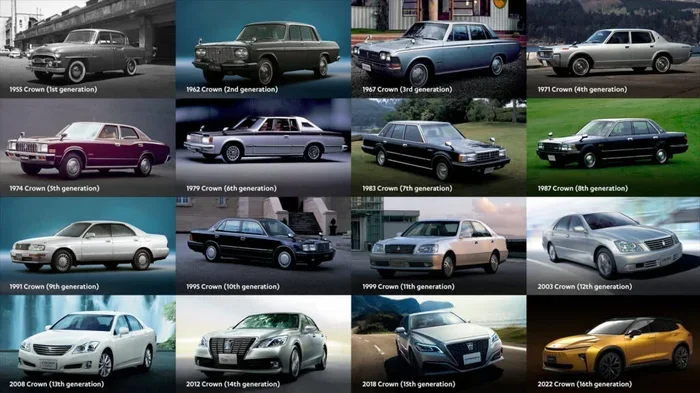
The Toyota Crown first arrived in 1955 as a comfortable family sedan. Since then, the nameplate has evolved through many generations, body styles, and markets. This guide explains when the Toyota Crown came out and how each era shaped the model. You will also learn which generations matter most for reliability, style, and value.
The Toyota Crown has a long story that starts in the mid-1950s. It began as a modern family car for Japan and grew into a recognizable nameplate worldwide. If you are wondering when did Toyota Crown come out, the short answer is 1955. The longer answer is more interesting, because the Crown changed a lot over time. It moved through many generations, body shapes, and markets. Each version reflected the needs of drivers in that era.
This guide breaks that history into clear sections. You will see how the model started, how it expanded, and how it adapted to new trends. We will also look at why the Crown matters today. Whether you are a car fan, a buyer, or just curious, this timeline gives you a simple path through the model’s past.
Key Takeaways
- First launch: The Toyota Crown debuted in 1955 as a premium sedan for the Japanese market.
- Generational growth: The model expanded through many generations, from classic sedans to modern hybrid crossovers.
- Body style variety: Over time, the lineup included sedans, wagons, vans, and more recent crossover designs.
- Market reach: The Crown became popular in Japan and later reached other regions with different specifications.
- Technology progress: Later versions added fuel injection, better safety features, and hybrid powertrains.
- Buying insight: Understanding the release timeline helps you compare age, features, and expected upkeep.
- Model variety: If you want broader Toyota context, explore related models and ownership topics before buying.
📑 Table of Contents
- When Did Toyota Crown Come Out and Why It Matters
- The First Toyota Crown and Early Generations
- Toyota Crown Release Timeline Through the Decades
- Body Styles, Market Shifts, and Generational Changes
- Technology, Comfort, and Powertrain Evolution
- Buying Considerations and Common Ownership Questions
- Why the Toyota Crown Still Has a Place Today
- Final Thoughts on the Toyota Crown Timeline
When Did Toyota Crown Come Out and Why It Matters
The Toyota Crown release date matters because it marks the start of one of Toyota’s most enduring nameplates. The first generation launched in 1955. At that time, Japan was rebuilding its auto industry, and the Crown helped show that Toyota could build a polished passenger car. It was not just a vehicle. It was a statement.
Understanding the timeline also helps you compare older and newer versions. A 1960s Crown feels very different from a modern Crown. The early models focused on basic comfort and reliability. Later models added more power, better rides, and new technology. If you are researching used cars or classic Toyota models, this history gives you useful context.
This topic also connects to broader Toyota ownership questions. If you are comparing Toyota sedans, wagons, or crossovers, it helps to know how the brand evolved. For example, you may want to check reliability patterns across different Toyota nameplates, including models to avoid in certain years, such as this guide on what years of Toyota Tacoma to avoid. That kind of background can help you make smarter choices.
Why the Crown Became Important
The Crown stood out because it balanced comfort and practicality. It was designed for daily use, not just style. That made it appealing to families and fleet buyers. Over time, the nameplate became a trusted option in several markets.
Another reason the Crown matters is its flexible identity. It has been a traditional sedan, a station wagon, and more recently a crossover-style vehicle. That flexibility helped the model stay relevant for decades.
The First Toyota Crown and Early Generations
The first Toyota Crown model appeared in 1955. This original version was built as a comfortable sedan with a focus on everyday use. It used a straightforward design and a conventional layout. For its time, it felt modern and refined.
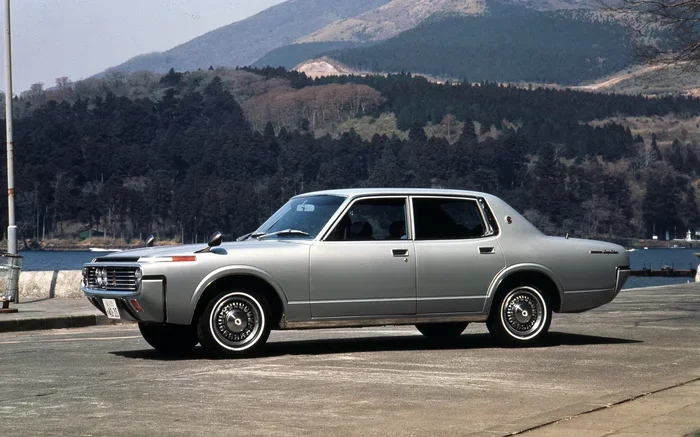
Visual guide about Toyota Crown sedan history
Image source: global.toyota
In the years that followed, the Crown continued to improve. Early updates brought better engines, stronger bodies, and more convenient features. These changes helped the Crown compete in Japan’s growing car market. The model also started to gain attention outside Japan in limited markets.
What Early Crown Buyers Wanted
Early buyers usually wanted a few key things. They wanted a car that started reliably. They wanted a smooth ride. They also wanted a vehicle that felt more upscale than a basic utility car. The Crown aimed to deliver all three.
This era also reflected a broader shift in automotive design. Cars were becoming more comfortable and more refined. The Crown fit that trend well. It showed that Toyota could build a passenger car with a premium feel.
Toyota Crown Release Timeline Through the Decades
If you want a simple Toyota Crown history, think in generations. The model did not stay static. It changed with the times. Each generation brought a new look, new engineering goals, and often a new market position.
During the 1960s and 1970s, the Crown became more established. It was available in more configurations and reached more buyers. As Toyota expanded globally, the Crown followed. It became one of the brand’s recognizable models in several regions.
By the 1980s and 1990s, the Crown had become more refined. Engine options improved. Ride quality improved. Interior features became more modern. The model also began to reflect stricter safety and emissions standards. That meant more engineering attention and more variation between markets.
How the Timeline Shaped the Model
Each decade left its mark. The 1960s emphasized growth and accessibility. The 1970s brought more attention to efficiency and durability. The 1980s and 1990s focused on comfort, refinement, and technology. Later decades added more styling drama and more advanced driver aids.
This long timeline is one reason the Crown feels familiar yet different depending on the year. A vintage Crown can be a classic cruiser. A newer Crown can feel more like a tech-forward sedan or crossover. The nameplate has always adapted.
Body Styles, Market Shifts, and Generational Changes
One of the most interesting parts of the Toyota Crown generations story is how the body styles changed. For a long time, the Crown was known as a sedan. That made sense, because the model was built for passengers who wanted comfort and status. But the lineup eventually expanded.
Wagon versions appeared in some markets. Those versions appealed to buyers who wanted more cargo space without losing the Crown’s comfortable feel. In some regions, the model also took on different styling cues to suit local tastes. That flexibility helped the Crown stay useful.
In more recent years, the Crown moved toward a bolder design direction. It began to feel less like a traditional sedan in some markets and more like a modern crossover. That shift reflected a bigger industry trend. Buyers wanted higher seating positions, stylish profiles, and versatile interiors. Toyota responded with a new interpretation of the Crown.
Why Body Style Matters for Buyers
Body style affects how a car feels to use every day. A sedan can feel nimble and classic. A wagon can offer more practicality. A crossover-style Crown can feel taller and more commanding. If you are comparing used or new models, the body style can matter as much as the generation itself.
It also affects how the car fits into your life. Some buyers want a refined commuter. Others want a family hauler. The Crown’s variety means there is no single answer to what a Crown should be. That is part of its long appeal.
Technology, Comfort, and Powertrain Evolution
The Toyota Crown release date is only the beginning of the story. The real evolution shows up in the mechanical and comfort improvements. Over time, the Crown adopted better engines, smoother transmissions, and more helpful features.
Early versions were simple by modern standards. Later versions introduced more advanced engineering. Fuel delivery improved. Interior materials improved. Noise control improved. Safety features also became more important as regulations and buyer expectations changed.
In newer generations, hybrid options became part of the conversation. That reflects Toyota’s broader push toward electrified powertrains. A hybrid Crown can offer a different driving feel than older versions. It can feel quieter at low speeds and more efficient in daily driving.
What Changed for Daily Driving
Daily driving is where these changes matter most. A modern Crown may feel easier to live with in traffic. It may have better climate control, clearer displays, and more convenient controls. Older Crowns can still be enjoyable, but they usually ask more from the driver.
Comfort also changed with the times. Suspension tuning, seat design, and noise insulation all became more refined in later generations. That is one reason newer Crowns often feel more polished on ordinary roads.
Buying Considerations and Common Ownership Questions
If you are thinking about buying a Crown, the generation and year matter a lot. A classic Crown can be appealing for style and nostalgia. A newer Crown can be appealing for comfort and modern features. The right choice depends on your goals.
Before buying any Toyota model, it helps to look at the full ownership picture. Maintenance needs, parts availability, and model-specific issues can vary by year and region. It is smart to compare the Crown with other Toyota options too. If you are exploring Toyota ownership more broadly, you may also find it useful to read about the Toyota customer service number and other support resources.
You should also think about how the Crown fits your driving habits. If you want a comfortable daily car, a newer generation may be the better match. If you want a vintage character car, an older Crown can be more fun. Just remember that older cars usually need more attention.
Common Mistakes to Avoid
One common mistake is assuming all Crowns are similar. They are not. A 1970s Crown and a recent Crown can feel like different cars entirely. Always check the generation, condition, and available features.
Another mistake is ignoring maintenance history. Any used car is only as good as its care record. That is especially true for older models, where wear items and aging parts matter more. A careful inspection can save you trouble later.
Quick Tips for Crown Buyers
- Match the generation to your goal: Choose classic charm or modern convenience, not both.
- Check local availability: Some markets had different Crown versions than others.
- Inspect wear items: Pay attention to suspension, brakes, and interior condition.
- Compare ownership costs: Older models may need more hands-on upkeep.
- Test drive first: Driving feel can vary a lot between generations.
Why the Toyota Crown Still Has a Place Today
The Toyota Crown history is not just about the past. It is also about endurance. The nameplate survived because it kept changing with the market. It started as a comfortable sedan and later reinvented itself for new buyer preferences. That kind of adaptability is rare.
Today, the Crown can appeal to different kinds of buyers. Some people like its traditional reputation. Others like its newer styling and hybrid options. Some simply appreciate that Toyota kept the name alive through many eras. That gives the Crown a special place in the brand’s lineup.
If you enjoy Toyota history, the Crown is a great model to study. It shows how a car can evolve without losing its identity. It also shows how a nameplate can reflect broader changes in design, technology, and consumer taste.
Expert Insight on the Crown’s Longevity
The Crown’s biggest strength is its flexibility. It has never been locked into one narrow role. That has allowed it to remain relevant across decades. When buyers wanted refinement, the Crown delivered. When buyers wanted style, the Crown adapted. When buyers wanted electrification, the Crown added hybrid choices.
That does not mean every generation was perfect for every buyer. But it does mean the nameplate has stayed meaningful. For a model that first came out in 1955, that is a strong legacy.
Final Thoughts on the Toyota Crown Timeline
So, when did Toyota Crown come out? It came out in 1955, and it has been changing ever since. The model’s story is one of steady evolution. It began as a comfortable Japanese sedan and grew into a versatile nameplate with many faces. That makes the Crown more than just a model name. It is a long-running chapter in Toyota’s history.
If you are studying the Crown for fun, the timeline is fascinating. If you are shopping for one, the generation and condition matter most. Either way, the Crown offers a clear lesson in how cars can age, adapt, and remain useful. It is a simple name with a surprisingly deep history.
For more Toyota ownership context, you can also explore related topics like whether the Toyota RAV4 is an SUV or the towing capacity of a Toyota 4Runner. Those guides can help you compare different Toyota models and choose the right one for your needs.
Frequently Asked Questions
When did the Toyota Crown first come out?
The Toyota Crown first came out in 1955. It launched as a comfortable family sedan and quickly became an important model for Toyota. That original release started a long lineage of updates and redesigns.
What was the first Toyota Crown like?
The first Crown was a conventional sedan focused on comfort, reliability, and a polished feel. It was more refined than many basic cars of its time. Early buyers appreciated its practical design and upscale image.
Did the Toyota Crown always stay a sedan?
No, the Crown was mainly known as a sedan for much of its history, but it also appeared in other body styles in different markets. Wagon versions and later crossover-style interpretations expanded the lineup. The model changed to match buyer needs.
Why has the Toyota Crown lasted so long?
The Crown lasted because it adapted well to changing markets. It balanced comfort, style, and technology across many generations. Toyota also used the nameplate in different ways, which helped it stay relevant.
Are newer Toyota Crown models very different from older ones?
Yes, newer Crown models can feel very different from older ones. Later versions often have more technology, different styling, and in some cases hybrid powertrains. Older Crowns usually feel more traditional and simpler to use.
What should I check before buying a used Toyota Crown?
You should check the generation, maintenance history, and overall condition. Pay close attention to wear items, interior condition, and driving feel. It also helps to compare the model year with the features you actually want.