
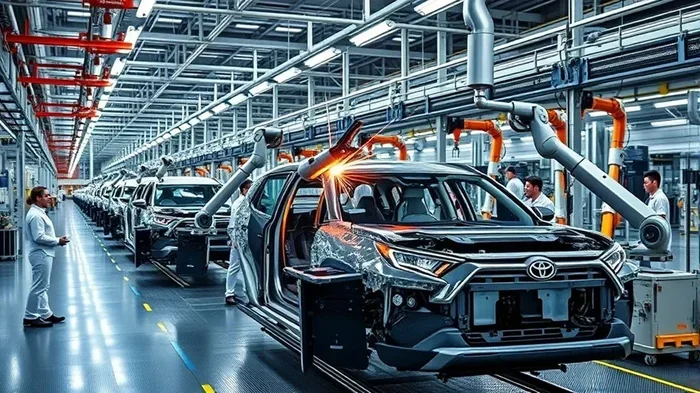
Where Are Toyota RAV4 Built? These popular compact SUVs roll out from high-tech factories in Japan, Canada, and the United States. Knowing the origin helps you understand build quality, supply chain, and model variations. This guide breaks down every manufacturing plant and what it means for your next vehicle purchase.
Buying a new car comes with a lot of questions. You likely want to know about fuel economy, safety ratings, and long-term reliability. But one question keeps popping up: Where Are Toyota RAV4 Built? Understanding the answer gives you a clearer picture of the vehicle you are about to drive home. It also helps you appreciate the massive global effort behind every hood you lift.
Toyota does not rely on a single factory for the RAV4. Instead, the company uses a smart, worldwide production strategy. This approach keeps costs reasonable, speeds up delivery, and helps the company respond quickly to market changes. Whether you live in North America, Europe, or Asia, there is a good chance your RAV4 came from a facility close to your region.
In this guide, we will walk through the main manufacturing locations, what each plant specializes in, and how you can find out where your specific model originated. We will also look at why location matters, what it means for quality, and how Toyota keeps its standards high across different continents. By the end, you will have a complete picture of the RAV4 production map.
Key Takeaways
- Global Production Network: Toyota builds the RAV4 across multiple continents to meet demand and reduce shipping costs.
- Primary Countries: The main manufacturing hubs are Japan, Canada, and the United States.
- Plant Specialization: Each factory focuses on specific trims, powertrains, and regional requirements.
- Hybrid Models: Hybrid variants often come from specialized lines with stricter quality checks.
- Badging and Origin: The VIN and door jamb stickers reveal exactly where your specific RAV4 was assembled.
- Quality Consistency: Toyota maintains strict global standards, so build quality remains high regardless of location.
- Future Trends: Shifting demand and new technologies continue to shape where and how the RAV4 is produced.
📑 Table of Contents
- Where Are Toyota RAV4 Built? The Global Overview
- The Japanese Roots: Toyota’s Home Soil Production
- North American Production: Canada and the United States
- How to Tell Where Your RAV4 Was Assembled
- What Differences Exist Between Plants?
- Expert Insights on Toyota’s Production Strategy
- Common Questions About RAV4 Manufacturing
- Key Takeaways
Where Are Toyota RAV4 Built? The Global Overview
The short answer is simple: Toyota builds the RAV4 in several countries, with the biggest hubs located in Japan, Canada, and the United States. This global footprint allows Toyota to serve regional markets efficiently. It also reduces the distance between production and sales, which helps keep prices competitive.
Each region has its own reasons for producing the RAV4. Some plants focus on gasoline models. Others specialize in hybrid powertrains. A few handle specific trim levels or market-specific features. This division of labor keeps the production line moving smoothly and helps Toyota maintain consistent quality across the board.
Here is a quick snapshot of the major production regions:
- Japan: The original home of the RAV4 and a key source for global exports.
- Canada: A major North American hub that supplies many U.S. and Canadian dealers.
- United States: Multiple plants handle different versions, including hybrid and standard models.
- Other Markets: Regional assembly and partnerships help serve local demand in select areas.
This setup means that two RAV4s with the same badge can come from different places. The good news is that Toyota applies the same core engineering standards everywhere. So, regardless of the factory, you still get the signature reliability the brand is known for.
The Japanese Roots: Toyota’s Home Soil Production
Japan holds a special place in the RAV4 story. The model launched there first, and Japanese plants continue to play a major role in its production. Many enthusiasts see a Japanese-built RAV4 as the classic version, and there is a good reason for that. The original engineering, testing, and refinement all started on home soil.
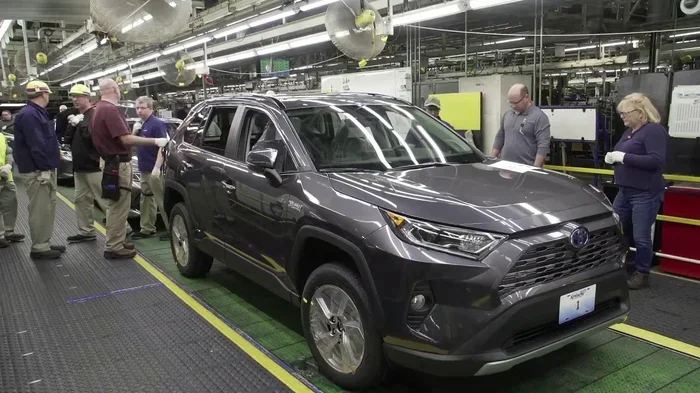
Visual guide about Toyota RAV4 assembly line
Image source: i.ytimg.com
Key Japanese Manufacturing Hubs
Toyota operates several large facilities across Japan. These plants handle different stages of the build process, from stamping and welding to final assembly and quality inspection. Some lines focus on compact SUVs, while others handle a broader mix of models. The RAV4 shares space with other popular vehicles, which helps Toyota keep production efficient.
Japanese plants are known for strong attention to detail. Workers receive extensive training, and the assembly process emphasizes precision. This culture of careful craftsmanship carries over into the final product. If you are curious about how Toyota maintains such a strong reputation, it helps to look at the company’s manufacturing philosophy. You can explore more about the brand’s identity and heritage in resources like what is the logo for Toyota, which touches on the company’s long-standing visual and cultural identity.
What Japanese-Built RAV4s Are Known For
Models assembled in Japan often carry a reputation for tight panel gaps, consistent paint quality, and careful interior fitting. That does not mean other plants fall short. It simply reflects the long history and deep institutional knowledge found in the home market. Many buyers also appreciate that Japanese production can sometimes align with specific trim packages or early releases for certain markets.
If you want to compare a Japanese-built RAV4 with other Toyota compact SUVs, it can help to understand how the RAV4 fits into the larger family. For example, you might look at is Toyota Rav4 an Suv to see how this model stacks up against the brand’s broader SUV lineup.
North American Production: Canada and the United States
North America is one of the biggest markets for the RAV4, so it makes sense that Toyota built strong production capacity here. Canadian and U.S. plants handle a large share of the vehicles sold across the continent. This local production shortens delivery times and helps Toyota respond quickly to regional preferences.
The Canadian Connection
Canada plays a major role in RAV4 production. The country’s automotive industry has a long history of building reliable vehicles for both domestic use and export. A Canadian-assembled RAV4 often serves buyers in both Canada and the United States, making it a key part of the supply chain.
Many shoppers ask a closely related question: Are Toyota Rav4 All Wheel Drive? The answer depends on the trim and powertrain you choose, and that information can influence where you look for specific inventory. You can read more in Are Toyota Rav4 All Wheel Drive if you want a deeper dive into drivetrain options.
United States Assembly Plants
The United States hosts several Toyota assembly facilities, and some of them contribute to RAV4 production. These plants are highly automated and rely on a mix of skilled labor and advanced robotics. The result is a fast, consistent build process that can handle large volumes without sacrificing quality.
U.S. production also helps Toyota adjust to market shifts. If demand rises for a particular trim or powertrain, the company can rebalance its lineup across plants. That flexibility matters because the RAV4 competes in a busy compact SUV segment. If you are wondering Is Toyota Rav4 A Reliable Car, the broad North American production network actually supports consistency by spreading best practices across multiple facilities. You can check out Is Toyota Rav4 A Reliable Car for more context on long-term dependability.
How to Tell Where Your RAV4 Was Assembled
If you already own a RAV4 or you are shopping for a specific used example, you may want to know exactly where it came from. Fortunately, Toyota makes this information fairly easy to find. You do not need special tools or deep automotive knowledge. A few simple checks can point you in the right direction.
Check the VIN and Door Jamb Sticker
The Vehicle Identification Number, or VIN, contains clues about the vehicle’s origin. The first few characters often indicate the country and manufacturer. In addition, many Toyota vehicles include a door jamb sticker or a certification label that lists the assembly plant. This label can tell you whether the car came from Japan, Canada, the United States, or another location.
This simple step can be surprisingly useful. It helps you confirm the vehicle’s background and understand its production context. If you are the curious type, you might also enjoy learning about other ownership basics, such as How To Open Gas Tank On Toyota Rav4, which is one of those small but helpful everyday details.
Ask the Dealer or Check Build Sheets
If you are buying new or certified pre-owned, the dealer can often provide build information. Some sellers include the plant location in the vehicle history or build sheet. This record may also show the production date, paint color, and option packages. Having that information can make you feel more confident in your purchase.
For used cars, a vehicle history report can sometimes include assembly details. While not every report lists the plant, it is worth checking if you want the full story. Knowing the origin can be especially helpful if you are comparing similar models and want to understand subtle differences in trim availability or market-specific features.
What Differences Exist Between Plants?
You might wonder whether a RAV4 from one country feels different from a RAV4 from another. In practice, the core vehicle remains largely the same. Toyota designs the RAV4 to meet consistent global standards, so the fundamentals do not change much from plant to plant. Still, there are a few nuances worth understanding.
Trim Availability and Market-Specific Features
Different regions sometimes receive different trim packages. A plant may focus on certain option bundles that match local buyer preferences. For example, one facility might produce more hybrid models, while another handles more conventional gasoline versions. That division helps Toyota keep production efficient and aligned with demand.
If you are comparing trims, you may also want to look at how the RAV4 fits into the larger Toyota SUV story. A helpful read is Is A Toyota Rav4 A Good Car, which discusses the model’s overall strengths and why so many buyers choose it.
Quality Standards Across Locations
Toyota is known for applying strict quality controls worldwide. That means a RAV4 built in one country is not automatically better or worse than one built elsewhere. The company uses standardized inspection points, repeatable assembly steps, and regular audits. These practices help keep variation low.
That said, individual experiences can still vary. A specific model year, production run, or option package may have its own quirks. If you want to understand which model years have been smoother than others, you can explore What Year Toyota Rav4 To Avoid for a closer look at historical considerations.
Expert Insights on Toyota’s Production Strategy
From a broader perspective, Toyota’s multi-plant approach is a smart response to modern automotive demand. The RAV4 is one of the most popular compact SUVs in many markets, so producing it in several locations helps the company stay responsive. It also reduces the risk of bottlenecks if one facility faces supply issues or high order volume.
Why Local Production Matters
Local production can lower shipping costs and shorten delivery times. It can also help Toyota tailor certain aspects of the vehicle to regional requirements. That might include emissions standards, market-specific safety packages, or preferred trim combinations. In other words, the company balances global consistency with local flexibility.
This balance is one reason the RAV4 remains such a strong seller. Buyers get a vehicle that feels familiar and dependable, while Toyota gets the efficiency of a distributed production network. If you are interested in how Toyota thinks about its broader lineup and brand identity, you might also enjoy reading about What Is The Toyota Customer Service Number as part of understanding the company’s support structure.
How Production Choices Affect Buyers
For most shoppers, the plant location is less important than the trim, powertrain, and overall condition of the vehicle. A well-maintained RAV4 from any region can deliver a great ownership experience. Still, knowing where your car was built can satisfy curiosity and help you feel more connected to the purchase.
It also helps you ask better questions. If you want to confirm drivetrain details, you can look into Is Toyota Rav4 4 Wheel Drive to understand how the RAV4’s drive systems work. If you are comparing the RAV4 with other Toyota models, you may find it useful to explore related topics such as What Is The Towing Capacity Of A Toyota 4Runner, especially if towing or hauling is part of your daily routine.
Common Questions About RAV4 Manufacturing
Buyers often ask practical questions about where the RAV4 comes from and what that means for them. Below are a few of the most common concerns, along with straightforward answers.
Does the assembly location affect reliability?
Not in a major way. Toyota applies strong global quality standards, so the assembly plant does not automatically determine reliability. The model year, maintenance history, and driving habits usually matter more.
Are hybrid RAV4s built in the same places as gas models?
Often, yes, but some plants and lines specialize in hybrid production. Toyota organizes its facilities to match demand, so hybrid and gasoline models may come from different lines or plants depending on the region.
Can I choose a specific plant when buying new?
Usually not directly. Inventory depends on dealer supply and production allocation. You can sometimes request a built-to-order vehicle or search across multiple dealerships, but plant selection is generally not a direct customer choice.
Why does Toyota build the RAV4 in so many places?
Multiple plants help Toyota meet high demand, reduce shipping distances, and respond faster to regional market changes. It also adds flexibility if one facility needs to adjust production for any reason.
Is a Japanese-built RAV4 better than one built elsewhere?
Not necessarily. Japanese production has a strong legacy and careful craftsmanship, but other plants also maintain high standards. The best choice depends on the specific model, trim, condition, and your personal preferences.
Where can I find official production information?
You can usually find plant details on the door jamb label, in the VIN decoding information, or through dealer build sheets and vehicle history resources. Toyota’s own documentation may also include assembly plant data for a specific vehicle.
Key Takeaways
Understanding Where Are Toyota RAV4 Built gives you a clearer view of the vehicle’s journey from factory to driveway. The RAV4 is produced across a global network, with major hubs in Japan, Canada, and the United States. Each plant supports the overall lineup in a slightly different way, whether through standard gasoline models, hybrid variants, or market-specific trims.
For most buyers, the plant location is interesting but not decisive. The bigger priorities are the trim level, powertrain, condition, and how well the vehicle matches your needs. Still, knowing the production map helps you ask better questions and appreciate the scale behind this popular compact SUV.
If you are weighing your options, focus on the model that fits your lifestyle. Look at the drivetrain, cargo space, safety features, and long-term ownership costs. Whether your RAV4 comes from Japan, Canada, or the United States, you are buying into a vehicle with a broad global footprint and a strong reputation for everyday usefulness.