Most Toyota Camry models hold between 14.8 and 15.8 gallons in their standard fuel tanks. This capacity gives you a reliable driving range for daily commutes and long trips. You will learn exact numbers by trim and year in this guide. We also cover real-world range, refueling habits, and simple ways to stretch every tank.
Key Takeaways
- Standard capacity: Most Camry sedans use a 15.8-gallon tank, though some trims hold 14.8 gallons.
- Real-world range: You can expect 370 to 550 miles per tank based on engine and driving habits.
- Fuel type: Regular unleaded works for every Camry, and premium is not required.
- Refueling habit: Fill up near a quarter tank to protect the fuel pump and avoid stranding.
- Efficiency tips: Smooth acceleration, steady speeds, and proper tire pressure improve MPG.
- Trim differences: Hybrid models often deliver more miles per gallon with the same tank size.
- Owner checks: Always confirm your exact capacity in the owner manual for your model year.
📑 Table of Contents
- How Many Gallons Are In A Toyota Camry Fuel Tank
- Understanding The Toyota Camry Fuel Tank Size
- Tank Capacity By Trim And Model Year
- Real-World Range And Fuel Economy
- Fuel Type, Filling Tips, And Best Practices
- How To Estimate Your Range Before A Trip
- Comparing Camry Tank Size With Other Toyota Models
- Maintenance, Fuel System Care, And Long-Term Tips
- Final Thoughts On Camry Fuel Capacity
How Many Gallons Are In A Toyota Camry Fuel Tank
If you drive a Toyota Camry, you probably wonder about your car fuel tank size. That number matters for road trips, budgeting, and peace of mind. In simple terms, most Camry sedans carry 15.8 gallons of fuel. A few trims hold 14.8 gallons. These numbers stay steady across many recent model years. You can plan your fill-ups with confidence once you know your exact capacity.
This guide breaks down the numbers in a clear way. We will look at tank size by trim and year. We will also cover real-world range, fuel economy, and smart refueling habits. You will leave with practical tips you can use right away. Let us start with the basics and keep things simple.
Understanding The Toyota Camry Fuel Tank Size
When people ask how many gallons are in a Toyota Camry fuel tank, the answer is usually one of two numbers. The larger tank holds 15.8 gallons. The smaller tank holds 14.8 gallons. Most buyers will see the 15.8-gallon figure on standard gas models. Some trims and special configurations use the smaller tank. The difference is small, but it can change your total range by a few dozen miles.
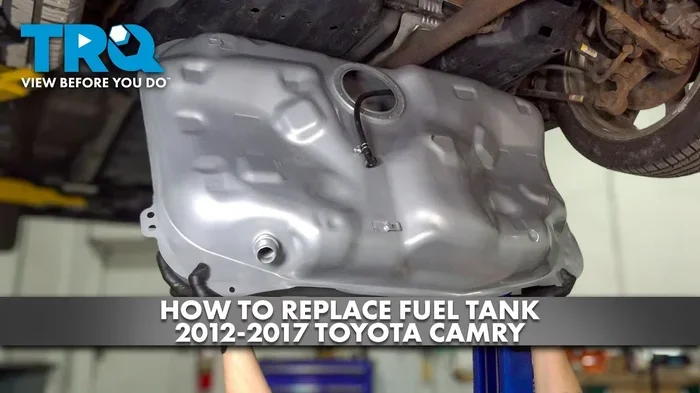
Visual guide about Toyota Camry fuel tank
Image source: i.ytimg.com
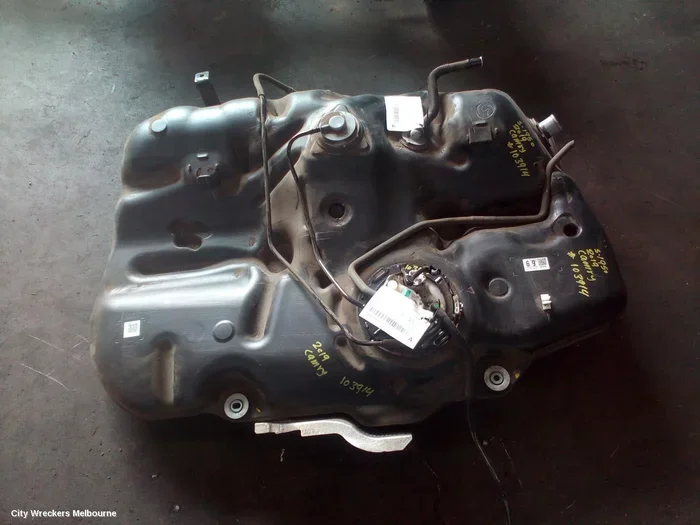
You can think of the tank as a simple storage box under the rear of the car. It is designed to fit safely while leaving room for other parts. The tank shape helps keep weight balanced. That balance supports steady handling and comfortable driving. A well-designed tank also helps the fuel pump stay cool and work smoothly.
Why The Numbers Matter
Knowing your tank size helps you plan better. You can estimate how far you can go before refueling. You can also budget for gas with more accuracy. If you drive a long commute or take weekend trips, this knowledge saves time and stress. It also helps you avoid pushing the car too low on fuel.
Quick Check For Your Model
The safest way to confirm your exact capacity is to check the owner manual. You can also look at the fuel door label or the manufacturer spec sheet for your trim. If you see a number close to 14.8 or 15.8, that is your target. Keep in mind that small changes can happen between model years. Always trust the manual for your specific car.
Quick Tip: Write your tank size on a note in your phone. It makes trip planning and fuel budgeting much easier.
Tank Capacity By Trim And Model Year
Not every Camry is identical. Trim levels, engines, and model years can shift the exact tank size. Most gas models in recent years use the 15.8-gallon tank. Some earlier models and certain trims use 14.8 gallons. Hybrid models usually share the same tank size as their gas counterparts, but their fuel economy is often better. That means you may travel farther on the same amount of fuel.
Here is a simple way to think about it. The tank size is only one part of the story. Your engine, driving style, and road conditions also matter. A larger tank does not always mean a longer trip if your fuel economy is lower. Still, having the right tank number gives you a solid starting point.
Common Capacity Patterns
- Standard gas trims: Often 15.8 gallons in recent model years.
- Some base or special trims: May use 14.8 gallons.
- Hybrid models: Usually similar tank size, with stronger fuel economy.
- Older model years: Can vary, so check the manual for exact details.
If you compare trims, focus on the full picture. A slightly smaller tank can still deliver strong range if the car sips fuel efficiently. On the other hand, a larger tank can be helpful if you often drive in areas with few gas stations. Both options work well when you understand your driving needs.
Practical Example
Imagine you drive a Camry with a 15.8-gallon tank. If your car gets about 30 miles per gallon on the highway, you could cover roughly 470 miles before refueling. That is a useful estimate for planning stops. If your driving is more city-heavy, your range may be lower. Smooth driving and steady speeds can help you get closer to the higher end of that range.
Real-World Range And Fuel Economy
Tank size tells you how much fuel you can store. Fuel economy tells you how far that fuel can take you. Together, they create your real-world range. This is the number many drivers care about most. A Camry is known for solid efficiency, which makes it a strong choice for daily use and long drives.
Several factors affect your range. City traffic usually lowers fuel economy because of stops and starts. Highway driving often improves it because the car can hold a steady speed. Weather, cargo weight, tire pressure, and AC use also play a role. Even small changes can add up over time.
What Affects Your Miles Per Gallon
- Driving style: Gentle acceleration and smooth braking save fuel.
- Speed: Very high speeds can reduce efficiency.
- Tire pressure: Properly inflated tires help the car roll easier.
- Load: Extra weight can lower fuel economy.
- Maintenance: Clean filters and healthy engine parts support better MPG.
If you want to stretch each tank, focus on habits first. You do not need fancy tricks. Simple consistency works best. Drive calmly, keep tires checked, and avoid carrying more weight than you need. These small steps can help you get the most from your Camry fuel tank.
City Versus Highway
City driving usually gives lower MPG than highway driving. That is normal for almost every car. In the city, you idle at lights, turn often, and brake more. On the highway, the engine can stay in a steady rhythm. If you split your time between both, your average will sit somewhere in the middle. That average is what you should use for planning.
Fuel Type, Filling Tips, And Best Practices
Most Toyota Camry models run well on regular unleaded gasoline. You do not need premium fuel unless your specific model says otherwise. Using the recommended fuel helps you save money and keeps the engine happy. Always check the fuel door or manual if you are unsure.
When you refuel, a few simple habits can help. Try not to wait until the tank is completely empty. Filling up sooner protects the fuel system and reduces the chance of being stranded. It also gives you more flexibility on busy days. A good habit is to start thinking about fuel when the gauge gets near a quarter tank.
Smart Refueling Habits
- Refuel early: Fill up before the tank gets too low.
- Use the right fuel: Stick with regular unleaded unless told otherwise.
- Check the cap: Make sure the fuel cap is secure after filling.
- Watch the gauge: Learn how your car shows fuel levels.
- Plan stops: Use your tank size and MPG to choose smart stop points.
Another helpful habit is to keep an eye on fuel prices along your route. If you know your tank size, you can estimate how much a fill-up will cost. That makes it easier to compare stations and plan errands. Over time, these small decisions support better budgeting.
Common Mistake: Waiting until the last moment to refuel. This can add stress and may leave you searching for a station at the worst time.
How To Estimate Your Range Before A Trip
Planning a trip becomes easier when you do a quick estimate. Start with your tank size. Multiply it by your average MPG. That gives you a rough range number. Then leave a safety margin so you do not push the limit. This is especially useful for highway travel or rural routes.
For example, if your Camry holds 15.8 gallons and averages 32 MPG, your estimated range is about 505 miles. That is a useful guide, not a promise. Real driving conditions can change the result. Always leave room for traffic, weather, and detours. A little caution goes a long way.
Simple Range Formula
Tank size x Average MPG = Estimated range
Use this as a quick planning tool. If you want a safer number, subtract a small buffer. That buffer helps account for city driving, hills, or heavy AC use. This approach keeps your trip planning realistic and relaxed.
Trip Planning Checklist
- Know your tank size: 14.8 or 15.8 gallons for most Camry models.
- Know your MPG: Use your recent average, not just the window estimate.
- Add a buffer: Plan to refuel before you hit the absolute limit.
- Map stations: Check for fuel stops on long routes.
- Pack light: Remove extra weight when you can.
This checklist is simple, but it works. It helps you avoid guesswork and keeps your trip comfortable. If you drive a hybrid, you may enjoy even better efficiency. That can make your range estimate look even better.
Comparing Camry Tank Size With Other Toyota Models
The Camry is a midsize sedan, so its tank size fits that role well. It is larger than many small cars, but smaller than big SUVs and trucks. That balance supports everyday use, commuting, and family travel. If you compare it with other Toyota models, you can see how each vehicle is built for different needs.
A compact sedan may have a smaller tank and shorter range. A larger SUV may carry more fuel but also use more of it. The Camry sits in a sweet spot for many drivers. It offers a practical tank size with strong fuel economy. That combination is one reason the Camry stays popular.
Quick Comparison Table
| Vehicle Type | Typical Tank Size | Range Focus |
|---|---|---|
| Compact Sedan | Smaller tank, shorter range | City-friendly, efficient |
| Midsize Sedan (Camry) | 14.8 to 15.8 gallons | Balanced range and efficiency |
| Large SUV | Larger tank, higher fuel use | Long distance, more capacity |
| Hybrid Sedan | Similar tank, better MPG | Extended range per gallon |
This table shows the big picture. The Camry gives you a practical middle ground. You get enough fuel capacity for most trips without the heavier fuel use of a large truck or SUV. If your needs change, you can choose a different vehicle type. For many people, the Camry hits the right balance.
Maintenance, Fuel System Care, And Long-Term Tips
A healthy fuel system helps your Camry use fuel efficiently. Simple maintenance supports that goal. Keep up with regular service, and pay attention to warning signs. If your car starts using more fuel than usual, it may be time to check a few things. Small issues can sometimes grow into bigger ones if ignored.
Fuel quality matters too. Use fuel from reliable stations when you can. This helps reduce contamination concerns and supports cleaner engine performance. It is also wise to keep the fuel cap in good shape. A loose or damaged cap can affect the fuel system and trigger warning lights.
Easy Care Habits
- Follow the service schedule: Regular checks keep the car running well.
- Watch tire pressure: Proper inflation supports better MPG.
- Use quality fuel: Choose trusted stations for everyday fills.
- Check the cap: Make sure it seals properly after refueling.
- Listen and look: Notice unusual smells, noises, or gauge changes.
These habits are easy to remember. They do not take much time, but they help protect your car. A well-cared-for Camry can deliver steady efficiency for a long time. That means fewer surprises at the pump and a more reliable driving experience.
Expert Insight: If you want the best balance of convenience and efficiency, treat your fuel tank like a planning tool. Know your capacity, know your typical MPG, and refuel with a little margin. That simple routine makes driving more relaxed.
Final Thoughts On Camry Fuel Capacity
So, how many gallons are in a Toyota Camry fuel tank? For most drivers, the answer is 15.8 gallons, with some trims using 14.8 gallons. That capacity gives you a dependable range for work, errands, and travel. When you combine the tank size with smart driving and basic maintenance, your Camry can go a long way on each fill-up.
The best next step is simple. Check your owner manual to confirm your exact tank size. Then track your real MPG over a few weeks. Once you know both numbers, you can plan trips and fuel stops with confidence. That is the easiest way to make your Camry work for you every day.
Frequently Asked Questions
How many gallons does a Toyota Camry fuel tank hold?
Most Toyota Camry models hold 15.8 gallons, while some trims hold 14.8 gallons. The exact number depends on the model year and trim. Always check your owner manual to confirm your specific car.
How far can a Camry go on one tank of gas?
Your total range depends on tank size and fuel economy. Many drivers can expect roughly 370 to 550 miles per tank based on driving conditions. Highway driving usually gives a longer range than city driving.
Does the Toyota Camry use regular or premium gas?
Most Camry models use regular unleaded gasoline. Premium fuel is usually not required. Check the fuel door or owner manual to be sure for your specific trim.
Is a 15.8 gallon tank standard on every Camry?
No, not every Camry uses the same tank size. Many recent gas models use 15.8 gallons, but some trims use 14.8 gallons. Hybrid models often share a similar tank size with strong fuel economy.
What is the best time to refuel a Camry?
A good habit is to refuel before the tank gets too low, such as near a quarter tank. This helps reduce stress and supports better fuel system habits. It also gives you more flexibility on busy days.
How can I improve my Camry fuel economy?
You can improve MPG by driving smoothly, keeping tires properly inflated, and avoiding extra weight. Steady speeds and regular maintenance also help. Small changes in daily driving can make a noticeable difference over time.