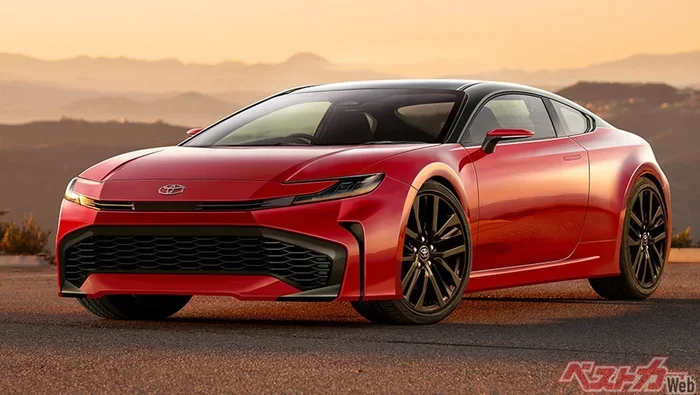
Rumors about the Toyota Celica returning have sparked excitement among car lovers. While no official confirmation exists yet, industry hints suggest a possible revival. This article explores the latest updates, historical context, and what a comeback could mean for fans.
Car enthusiasts have been asking one question lately. Is the Toyota Celica coming back? The nameplate carries deep history. It represents affordable sports car joy. Many drivers remember its sharp handling and reliable engineering. Others simply love the classic design. That passion keeps the rumor mill running. Social media fills with concept sketches and hopeful posts. But what does the evidence actually show? We will break down the facts, the rumors, and the realistic chances of a return.
Toyota has shifted its focus in recent years. The company now prioritizes crossovers, trucks, and hybrid vehicles. These segments drive strong sales worldwide. Sports cars occupy a smaller niche. Yet Toyota still values performance branding. Models like the Supra and GR86 prove that point. A revived Celica could fit between those two. It might offer a lighter, more accessible driving experience. We will explore how that could work. We will also look at what stopped the original production. Understanding the past helps us predict the future.
This guide covers every angle. We will examine market trends, engineering possibilities, and brand strategy. You will learn what to watch for and where to find reliable updates. We will also compare the Celica to current alternatives. By the end, you will have a clear picture. You will know whether to believe the hype or wait for official news. Let us dive in.
Key Takeaways
- No official announcement: Toyota has not confirmed a Celica return for 2025 or beyond.
- Strong enthusiast demand: Fans frequently petition for the model’s revival due to its iconic status.
- Hybrid focus likely: Any new Celica would probably feature hybrid or electric powertrains.
- Market competition: Toyota may prioritize SUVs and trucks over niche sports cars.
- Legacy matters: The Celica’s racing heritage and affordable performance make it unforgettable.
- Watch official channels: Trust Toyota press releases over social media speculation.
- Alternative options exist: Models like the GR86 or Supra may satisfy sports car cravings today.
📑 Table of Contents
- Is the Toyota Celica Coming Back? What the Rumors Say
- Toyota Celica History and Why Fans Want It Back
- Is the Toyota Celica Coming Back? Market and Brand Factors
- What a Modern Toyota Celica Could Look Like
- Is the Toyota Celica Coming Back? Alternatives and What to Watch For
- Expert Insights and Key Takeaways
Is the Toyota Celica Coming Back? What the Rumors Say
Rumors about a Celica revival spread quickly. Online forums buzz with speculation. YouTube channels share concept renders. Automotive journalists occasionally mention the name in passing. None of this equals an official announcement. Toyota remains quiet on the subject. That silence is typical during early planning stages. Companies often protect new projects until launch dates solidify.
Several factors fuel the speculation. First, Toyota has revived other classic names. The Supra returned after a long absence. The Land Cruiser also made a recent comeback. These moves show that Toyota listens to fan demand. Second, the current sports car market has gaps. Many buyers want a lightweight, rear-wheel-drive option. The Celica historically filled that role. A modern version could attract younger drivers.
However, rumors often mix facts with wishful thinking. A concept sketch is not a production plan. A leaked memo may be outdated or inaccurate. We must separate excitement from evidence. The best approach is to watch official channels. Toyota press releases, auto show schedules, and executive interviews carry real weight. Until then, the question remains open. Is the Toyota Celica coming back? The answer is still unknown.
Where the Rumors Start
Fan communities drive much of the buzz. Enthusiasts share old brochures and track footage. They remind others why the Celica mattered. That nostalgia creates momentum. Sometimes journalists pick up the theme. They write speculative pieces that reach wide audiences. Those articles can influence public perception. They may also prompt indirect comments from Toyota representatives. A careful phrase in an interview can spark new theories.
Industry analysts also contribute. They study product cycles and market gaps. They note that Toyota needs a halo model. A halo model builds brand excitement. It draws attention to mainstream vehicles. The Celica could serve that purpose. Analysts do not have insider access, but they understand patterns. Their observations often align with long-term planning. That alignment makes their comments worth noting.
What Toyota Has Actually Said
Public statements remain limited. Executives usually discuss broader strategies. They mention electrification, safety, and global growth. They rarely highlight specific niche models. That does not mean those models are impossible. It simply means they are not prioritized in public messaging. Toyota may be testing concepts behind the scenes. Development cycles take years. A car announced today might not arrive until later in the decade.
We should also consider regional differences. Toyota operates in many markets. A model that makes sense in Japan may not fit North America. Pricing, regulations, and buyer preferences vary. A global revival would require careful planning. Toyota would need to balance costs with demand. That balance is hard to achieve with low-volume sports cars. The company may prefer a shared platform approach. That strategy reduces risk and simplifies production.
Toyota Celica History and Why Fans Want It Back
The Celica launched in the nineteen seventies. It quickly became a popular coupe. Buyers loved its clean styling and smooth ride. The car offered a practical alternative to more expensive sports models. It delivered fun without a high price tag. That combination built a loyal following. Many owners kept their Celicas for years. They trusted the reliability and enjoyed the driving feel.

Visual guide about Toyota Celica concept car
Image source: oldconceptcars.com
Over time, the Celica evolved. Toyota added turbo engines, sport suspensions, and special editions. Some versions competed in racing series. Those racing efforts strengthened the badge’s reputation. The Celica became associated with agility and durability. Fans still talk about those traits. They remember the way the car communicated with the road. That memory keeps the nameplate alive in conversation.
The original production ended for several reasons. Market trends shifted toward SUVs. Buyers wanted more cargo space and higher seating positions. Sports coupes became harder to sell in large numbers. Toyota also streamlined its lineup. Reducing overlap helped manage costs. The Celica eventually gave way to other models. Yet the emotional connection never disappeared. Fans still ask whether Toyota will bring it back.
The Celica’s Racing Legacy
Racing played a big role in the Celica’s image. Toyota entered the car in various competitions. It proved itself on track and in rally events. Success in motorsport often boosts street car sales. Enthusiasts appreciate that connection. They like knowing a road car shares DNA with a race car. That heritage adds value beyond specifications. It creates a story that buyers can believe in.
Modern Toyota continues to use motorsport for branding. The company fields teams in endurance races and rally raid events. Those efforts keep performance in the public eye. A revived Celica could follow the same path. It might appear in customer racing programs or track days. That possibility excites fans. It suggests a car designed for driving enjoyment, not just commuting.
What Made the Celica Special
Several qualities set the Celica apart. It offered a balanced chassis. It reacted quickly to steering inputs. It felt nimble in city traffic and stable on open roads. The interior was simple but functional. Controls sat within easy reach. Visibility remained good for a coupe. These practical details mattered to daily drivers. The Celica was not just a weekend car. It could handle regular use with ease.
Affordability also played a key role. Many young buyers chose the Celica as their first sports-oriented vehicle. It provided a gateway into enthusiast driving. That accessibility built a wide fan base. People who could not afford premium coupes still got a fun experience. Toyota understood that market well. A modern version would need to respect that legacy. It would need to stay approachable while meeting current standards.
Is the Toyota Celica Coming Back? Market and Brand Factors
Market conditions shape every product decision. Toyota studies buyer behavior closely. It tracks which segments grow and which shrink. Sports cars currently occupy a narrow slice. That slice still exists, but it demands careful execution. Buyers expect high quality, modern technology, and strong performance. They also expect reasonable pricing. Meeting all those expectations is challenging. Toyota must weigh the potential reward against the cost.
Brand strategy matters too. Toyota uses performance models to reinforce its engineering image. The Supra highlights luxury and power. The GR86 emphasizes rear-wheel-drive balance. A Celica could represent lightweight efficiency. It might focus on everyday usability and modest power. That positioning would differentiate it from existing models. It would also give Toyota a broader sports car story. A diversified lineup can attract different types of drivers.
Competition is another factor. Other brands offer affordable sports coupes. Some use shared platforms to reduce costs. Others lean into hybrid or electric powertrains. Toyota must decide how to stand out. It could emphasize reliability, practicality, or driving finesse. It could also leverage its hybrid expertise. A hybrid Celica would align with current technology trends. That choice might appeal to eco-conscious enthusiasts.
SUV and Truck Focus vs. Sports Cars
Toyota has invested heavily in SUVs and trucks. Those vehicles generate strong revenue. They also suit family needs and commercial use. The company naturally prioritizes high-demand segments. Sports cars do not move in the same volumes. They require different engineering and marketing approaches. That difference affects resource allocation. Toyota may limit niche projects to protect overall efficiency.
Still, a small sports car can serve strategic goals. It can refresh brand image. It can attract media attention. It can inspire younger buyers to explore the Toyota ecosystem. Those benefits are real, even if sales are modest. The challenge is balancing passion projects with business realities. Toyota has managed that balance before. It may do so again if the timing feels right.
Hybrid and Electric Possibilities
Powertrain choice will shape any revival. Hybrid systems are already common in Toyota’s lineup. They offer strong efficiency and smooth delivery. A hybrid Celica could provide instant torque and reduced fuel consumption. That combination suits city driving and weekend trips. It also fits Toyota’s broader electrification goals.
Electric options remain possible too. Battery technology continues to improve. Lighter sports cars can benefit from electric drivetrains. Instant power and low center of gravity enhance handling. However, cost and range considerations still matter. Toyota would need to price the car carefully. It might start with hybrid-only variants. That approach would lower development risk. It would also keep the car accessible to more buyers.
What a Modern Toyota Celica Could Look Like
If Toyota decides to proceed, the new Celica would likely follow current design language. Expect clean lines, sharp accents, and a confident stance. The car may borrow cues from recent Toyota concepts. Those concepts often feature layered surfaces and dynamic lighting. A modern Celica would need to feel fresh yet familiar. Fans want recognition, not a complete reinvention. Toyota understands that balance.
Interior design would also matter. Buyers expect digital displays, quality materials, and intuitive controls. The Celica’s heritage suggests a driver-focused layout. Physical buttons for key functions could remain. That choice improves usability and reduces distraction. Seating position and visibility would need attention. A coupe should feel comfortable for daily use. Toyota could add storage solutions to improve practicality. Those details would strengthen the car’s appeal.
Performance and Handling Expectations
Performance would likely match the Celica’s roots. A lighter platform could improve agility. Shorter steering throws and firm suspension tuning might enhance response. Toyota could offer multiple power options. A base hybrid might prioritize efficiency. A sportier variant could deliver stronger acceleration. That variety would let buyers choose their preferred experience. It would also help Toyota reach different price points.
Handling should remain a priority. The Celica’s identity centers on balanced driving dynamics. A modern version would need to honor that identity. Torque vectoring, adaptive dampers, and responsive brakes could support that goal. Even a modest power output can feel engaging with the right chassis setup. Toyota has the engineering talent to achieve that result. The question is whether it chooses to apply that talent here.
Pricing and Positioning
Pricing will influence success. A revived Celica should stay accessible. High prices would limit its audience. Toyota might aim for a range below the Supra. It could sit above mainstream coupes in terms of character. That positioning would make sense historically. The Celica was never a luxury car. It was a practical sports-oriented choice. A modern version should reflect that spirit.
Optional features could adjust the price. Sport packages, upgraded interiors, and limited editions might add variety. Those options can attract enthusiasts without raising base costs. Toyota often uses this strategy effectively. It keeps the core model affordable while offering customization. That approach could work well for a Celica revival. It would preserve the car’s welcoming image.
Is the Toyota Celica Coming Back? Alternatives and What to Watch For
While we wait for clarity, other models can fill the gap. The GR86 offers rear-wheel drive and a light feel. It provides a pure driving experience at a reasonable price. The Supra delivers more power and a premium feel. It suits buyers who want stronger performance. Both cars show that Toyota still values sports driving. They also prove the company can execute performance projects.
Other brands offer additional choices. Some competitors focus on manual transmissions and analog feedback. Others emphasize hybrid efficiency or electric power. Buyers can compare features, driving feel, and ownership costs. That comparison helps clarify what matters most. If you want lightweight balance, one car may stand out. If you want daily practicality, another may fit better. The market gives enthusiasts options even without a Celica.
To stay informed, follow reliable sources. Watch Toyota’s official announcements. Attend auto shows when possible. Read interviews with product planners. Be cautious with unverified leaks. Speculation can be fun, but it should not replace facts. A thoughtful approach keeps expectations realistic. It also helps you recognize genuine news when it appears.
How to Stay Updated
Set up alerts from trusted automotive news sites. Follow Toyota’s social media channels for official updates. Join enthusiast groups that share verified information. Those groups often discuss technical details and historical context. They can help you understand what a revival would mean. Just remember to verify claims before sharing them. Accurate information keeps the community healthy.
Consider test driving current alternatives. Hands-on experience reveals more than specifications. You can feel steering weight, brake response, and seat comfort. You can also compare visibility and storage space. Those factors affect daily enjoyment. A sports car should fit your life, not just your wish list. Testing multiple models will sharpen your preferences. That knowledge will help you decide when the time comes.
Common Mistakes to Avoid
Do not assume every rumor is true. Unofficial sketches and anonymous posts can mislead. They may reflect personal dreams rather than actual plans. Treat them as entertainment, not evidence. Also, avoid overpaying for existing cars based on speculation. Market prices can shift quickly. Buy what you can afford and what you will enjoy. Patience usually pays off.
Another mistake is ignoring practical needs. A sports car should still work for your routine. Think about weather, storage, and maintenance. Consider insurance costs and fuel economy. Those details matter over time. A dream car becomes frustrating if it does not fit your life. Balance passion with practicality. That balance leads to better decisions.
Expert Insights and Key Takeaways
Industry observers note that Toyota moves carefully. The company tests ideas before committing. It values reliability and broad appeal. Those priorities shape which models reach production. A Celica revival would need to align with those priorities. It would also need a clear audience. Without that audience, the project may not advance. With it, the chances improve.
Experts also point to platform sharing. Using an existing chassis can reduce cost and complexity. That strategy helps niche models survive. It allows Toyota to focus resources on differentiation. Driving dynamics, styling, and technology can still stand out. Platform sharing does not mean compromise. It means smart engineering. Many successful cars follow that path.
Ultimately, the answer depends on timing and strategy. Is the Toyota Celica coming back? The possibility exists, but confirmation is still missing. Fans should stay hopeful yet realistic. Toyota has revived names before. It may do so again if the business case makes sense. Until then, the legacy of the Celica continues to inspire. Its story reminds us why affordable sports cars matter.
Key takeaways help summarize the situation. Keep them in mind as you follow future updates. They will guide your expectations and decisions.
- Official news first: Trust Toyota statements over internet speculation.
- Market reality matters: Sports cars face strong competition and narrow demand.
- Hybrid likely: Electrification could shape the next Celica’s powertrain.
- Legacy counts: The Celica’s history gives it strong emotional value.
- Alternatives exist: The GR86 and Supra already serve sports car buyers.
- Stay informed: Follow reliable sources and verify claims.
- Buy for now: Choose a car that fits your life today.
Frequently Asked Questions
Is the Toyota Celica coming back in 2025?
There is no official confirmation yet. Toyota has not announced a 2025 Celica revival. Rumors exist, but they remain unverified until the company speaks publicly.
Why did Toyota stop making the Celica?
Market demand shifted toward SUVs and trucks. Sports coupes became a smaller segment. Toyota streamlined its lineup to focus on higher-volume models.
Could a new Celica be a hybrid?
Yes, that is very possible. Toyota emphasizes hybrid technology across many models. A hybrid Celica would fit the company’s current strategy and efficiency goals.
What Toyota sports cars are available now?
The GR86 and Supra are the main options. The GR86 offers a lightweight rear-wheel-drive experience. The Supra provides more power and a premium feel.
Will the Celica return with a manual transmission?
Nothing has been confirmed. A manual gearbox would appeal to enthusiasts, but Toyota may prioritize automatic or hybrid transmissions for broader appeal.
Where should I follow news about a possible Celica revival?
Follow Toyota’s official website and press releases. Trusted automotive news outlets and verified industry interviews are also reliable sources for updates.