

Finding your Toyota paint code is simpler than most car owners expect. You can locate it on the driver door jamb, inside the glove compartment, or on the engine firewall. This guide walks you through every possible spot, explains how to read the label, and shows you how to match the color for touch-ups or full repaints. Follow these clear steps and get your exact shade in minutes.
Key Takeaways
- Primary location: The driver side door jamb sticker is the most common and reliable place to find your Toyota paint code.
- Secondary spots: Check the glove box door, firewall, trunk lid, or spare tire cover if the door jamb label is missing or unreadable.
- Code format: Toyota paint codes typically appear as a two or three character alphanumeric string, often labeled as C, COLOR, or PAINT.
- Factory vs. aftermarket: Original factory codes match your vehicle’s build sheet, while custom repaints may use different supplier codes.
- Decoding tips: Cross reference the code with official Toyota color charts or trusted automotive paint databases to confirm the exact shade.
- Touch-up preparation: Clean the surface, test the paint on a hidden area, and apply thin layers for a seamless repair.
- Professional help: When in doubt, consult a certified Toyota dealer or automotive paint specialist to verify the code and match the finish.
📑 Table of Contents
- Where To Find Toyota Paint Code on Your Vehicle
- Driver Side Door Jamb Sticker
- Glove Box and Interior Label Locations
- Under the Hood and Firewall Areas
- Trunk, Spare Tire, and Rear Compartment Spots
- Decoding the Toyota Paint Code Format
- Using the Paint Code for Touch-Ups and Repaints
- When to Consult a Dealer or Paint Professional
- Final Thoughts on Finding Your Toyota Paint Code
Where To Find Toyota Paint Code on Your Vehicle
Every Toyota vehicle carries a unique color identifier that helps owners, dealers, and repair shops match the original finish. Knowing where to find Toyota paint code labels saves time, prevents costly color mismatches, and makes touch-up work much easier. The code is usually printed on a manufacturer label placed in a few standard locations. These spots were chosen for easy access during assembly and service inspections. You do not need special tools to locate them. A flashlight and a clean cloth are often enough to reveal the information.
Many drivers assume the paint code sits on the exterior of the car, but it rarely does. Toyota places these labels inside the cabin or under the hood to protect them from weather and road debris. The label also includes other important details like the model year, plant code, and trim level. Once you know where to look, you can find the code in just a few minutes. This guide covers every common location, explains how to read the label, and shares practical tips for verifying the exact color.
Understanding the paint code also helps when you shop for touch-up supplies or plan a larger repaint project. Matching the original factory shade keeps your car looking consistent and protects its resale value. Even minor scratches look better when the new paint blends seamlessly with the existing finish. Let us walk through the exact steps so you can locate your code with confidence.
Driver Side Door Jamb Sticker
The most reliable spot for your Toyota paint code is the certification label on the driver side door jamb. Open the door and look along the vertical pillar where the door latches. You will usually see a white or silver sticker with manufacturing details. The paint code often appears near the top or middle of the label. It may be marked as C, COLOR, or PAINT followed by two or three characters.
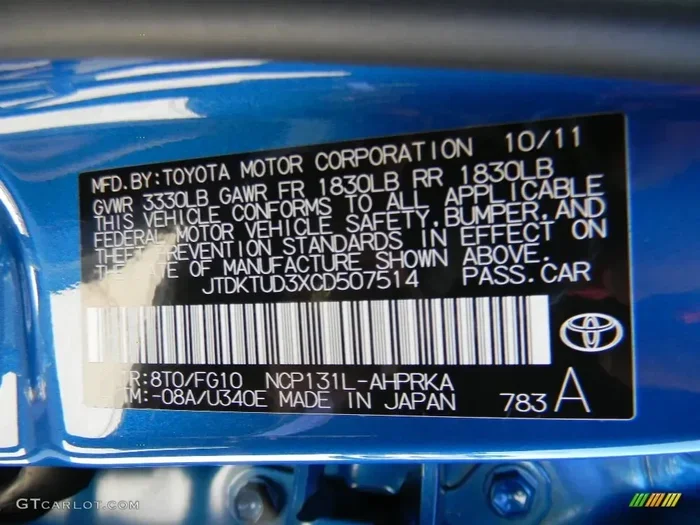
Visual guide about Toyota paint code label closeup
Image source: i2.wp.com
How to Read the Door Jamb Label
Start by cleaning the area with a soft cloth so the text is easy to read. Look for a section that lists color information. Toyota often uses a simple format like C/4F or C/1G. The letters after the slash represent the actual paint code. Write down the exact characters before moving on. If the label shows multiple codes, focus on the one labeled for color or paint.
What If the Sticker Is Damaged?
Weather, sun exposure, and frequent door opening can wear down these labels over time. If the sticker is faded or peeling, try a gentle cleaner and a bright light. Sometimes the code is still visible underneath the surface. If the label is completely unreadable, move to the next location on the list. You can also check your owner manual or vehicle documentation for a printed reference.
Quick Tips for Door Jamb Checks
- Use a flashlight: A bright beam reveals faint text and small print.
- Clean gently: Wipe with a dry microfiber cloth before applying any cleaner.
- Take a photo: Capture the label so you can zoom in later.
- Compare both sides: Some models place similar labels on the passenger side too.
Glove Box and Interior Label Locations
If the door jamb does not yield clear results, the glove compartment is the next best place to check. Many Toyota models place a color or vehicle information label on the glove box door or inside the compartment. Open the glove box fully and inspect the top, sides, and back panel. You may also find a smaller sticker on the underside of the glove box cover.
Interior Label Variations by Model
Different Toyota lines sometimes use slightly different interior placements. Sedans often label the glove box door edge, while SUVs may place the sticker on the interior trim panel. Hatchbacks and wagons can hide the label near the side wall of the compartment. The code format remains similar across models, so look for the same C or COLOR prefix.
Checking the Owner Documentation
Your original purchase paperwork can also help when physical labels are missing. Some owners receive a window sticker or build sheet that lists the exterior color and code. Dealer service records may also note the paint code during routine inspections. Keep these documents in a safe place because they provide a reliable backup reference.
Common Mistakes in Interior Checks
- Overlooking the back panel: The label often sits flat against the rear wall of the glove box.
- Confusing trim codes: Interior trim labels may list fabric or leather codes instead of paint.
- Ignoring small print: The paint code can appear in a compact section with tiny text.
- Skipping the spare tire cover: Some models place vehicle info near the trunk or cargo area.
Under the Hood and Firewall Areas
When interior labels are unavailable, check under the hood. Toyota sometimes places a manufacturer label on the firewall, radiator support, or inner fender. Open the hood and look near the base of the windshield or along the sides of the engine bay. The paint code may appear on the same label that lists vehicle identification details.
Firewall Label Placement
The firewall label is often positioned on the driver side bulkhead. It may be partially hidden by hoses or wiring, so move carefully and use a flashlight. The code is usually printed in a clear alphanumeric format. If you see multiple codes, focus on the one marked for color or paint. Always write the code exactly as it appears to avoid ordering the wrong shade.
Radiator Support and Fender Labels
Some vehicles place secondary labels near the radiator support or inner fender. These spots are less common but still useful when other labels are missing. Check both sides of the engine bay because placement can vary by model year. If you find a label with manufacturing data, scan it carefully for a color identifier.
Safety and Cleanliness Tips
- Wait for a cool engine: Avoid checking labels right after driving.
- Use gloves if needed: Keep hands clean when reaching near engine components.
- Avoid harsh chemicals: Use mild cleaners only on label surfaces.
- Take your time: Rushing can lead to missed details or misread characters.
Trunk, Spare Tire, and Rear Compartment Spots
A few Toyota models place vehicle information labels in the trunk or cargo area. Check the spare tire cover, trunk lid, or side trim panels. The paint code may appear on a small sticker attached to the cover or on the interior side of the trunk floor. This location is less common, but it can be a lifesaver when other labels are unreadable.
Spare Tire Cover and Well
Lift the spare tire cover and inspect the top and underside. Some labels are attached directly to the cover material, while others sit on the metal or plastic well below. If the cover is missing or damaged, check the surrounding trim. The code may still be visible on a nearby panel or fastener area.
Trunk Lid and Cargo Trim
Open the trunk fully and examine the lid interior and cargo sides. Look for manufacturer labels that list model information. The paint code may be grouped with other build details. If you see a label with a color section, compare it to the format you found elsewhere. Consistency across labels helps confirm the correct code.
When Rear Labels Are Missing
- Check the jack kit area: Some labels sit near the tools or cargo mats.
- Inspect removable panels: Small stickers can hide under trim pieces.
- Look for faded print: Gentle cleaning may reveal the code.
- Move to documentation: Use build sheets or dealer records as a backup.
Decoding the Toyota Paint Code Format
Once you locate the label, the next step is understanding the code itself. Toyota paint codes usually appear as a short alphanumeric string. The format often includes a prefix like C followed by two or three characters. These characters correspond to a specific factory color name and formulation. The exact shade may have slight variations by model year, so always compare the code with an official reference.
Common Code Styles
You may see formats such as C/4F, C/1G, or similar variations. The prefix indicates color information, while the characters after the slash identify the specific paint. Some labels print the code without a slash, but the meaning stays the same. Write down every character exactly as shown, including any letters or numbers. Even a small mistake can lead to a mismatched touch-up bottle.
Factory Color Names and Variants
Each code ties to a factory color name like Supersonic Red, Celestite Gray, or Wind Chill Pearl. Some colors include clear coat or pearl layers that affect the final look. That is why matching the code matters more than guessing by eye. Two cars can look similar but still use different formulations. Always verify the code before buying paint or touch-up supplies.
Comparison of Common Toyota Paint Code Locations
Below is a quick comparison to help you choose the best starting point. Use this table to narrow your search and save time.
| Location | Ease of Access | Reliability | Best For |
|---|---|---|---|
| Driver door jamb label | Very easy | High | Most models and years |
| Glove box door or interior | Easy | High | Sedans, SUVs, and hatchbacks |
| Firewall or radiator support | Moderate | Medium to high | When interior labels are missing |
| Trunk or spare tire area | Moderate | Medium | Cargo area labels on select models |
| Owner paperwork or build sheet | Easy if available | High | Backup when stickers are faded |
Expert Insights on Code Verification
Always cross check the code with a trusted Toyota color chart or an authorized paint supplier. If you plan a larger repaint, ask a professional to confirm the formulation. Pearl, metallic, and matte finishes often require special basecoat and clearcoat steps. A verified code reduces guesswork and improves the final result. When you know where to find Toyota paint code information and how to read it, you can move forward with confidence.
Using the Paint Code for Touch-Ups and Repaints
After you find the code, the real work begins. Touch-up paint works best when you prepare the surface properly and apply the product carefully. A small chip or scratch can blend well if you follow a simple process. Larger areas may require more advanced steps, but the same code still guides the color match.
Preparing the Surface
Start by cleaning the damaged area with mild soap and water. Dry it completely before moving on. If there is rust, loose paint, or debris, remove it gently with a soft tool or fine abrasive pad. Wipe the spot again to ensure it is smooth and clean. Proper preparation helps the new paint adhere and look more natural.
Applying Touch-Up Paint
Use thin layers instead of one heavy coat. Allow each layer to dry before adding the next. This approach prevents drips and keeps the finish even. If your paint includes a clear coat, apply it after the color layer reaches the right stage. Check the manufacturer instructions for drying times and coverage tips. Patience pays off with a cleaner repair.
Testing the Match
Before working on a visible area, test the paint on a hidden spot or a spare panel if possible. Compare the dried color in natural light. Look for differences in sheen, depth, and tone. If the match looks close, proceed with the repair. If it seems off, double check the code and the product label. A quick test saves time and prevents frustration.
Quick Tips for Better Results
- Work in a shaded area: Direct sun can dry paint too fast.
- Use the right brushes: Small applicators help control tiny repairs.
- Keep layers thin: Multiple light coats look more natural.
- Allow full curing: Wait before washing or waxing the repaired spot.
Common Mistakes to Avoid
- Skipping surface prep: Dirt and debris cause uneven adhesion.
- Applying thick coats: Heavy paint creates bumps and shadows.
- Ignoring clear coat needs: Some colors need a top layer for proper shine.
- Rushing drying time: Early handling can smudge the repair.
When to Consult a Dealer or Paint Professional
Some situations call for extra help. If the label is completely missing, the code is unclear, or the color includes special effects, a professional can verify the match. Dealers often have access to factory paint references and vehicle build data. Automotive paint shops can also cross reference the code with supplier formulas.
When Professional Help Makes Sense
Consider expert assistance if you are repairing a large area or matching a pearl or metallic finish. These colors can be tricky because they rely on multiple layers and specific application methods. A professional can also help when you need a seamless blend across a panel. If you want the best possible result, verification is worth the extra step.
What to Bring to a Paint Shop
Bring the code, photos of the label, and notes about the vehicle model and year. If you have the owner manual or build sheet, share that too. The more information you provide, the easier it is to confirm the correct formulation. Clear communication helps the shop match the color and advise on the best application method.
Maintaining Your Paint After Repair
Once the repair is complete, protect the finish with regular washing and careful drying. Avoid harsh cleaners that can dull the surface. If the repaired area is small, you can still wax the surrounding panels, but follow product guidance for fresh paint. Good maintenance keeps the color looking sharp and helps the repair blend over time.
Final Thoughts on Finding Your Toyota Paint Code
Knowing where to find Toyota paint code labels gives you a practical advantage as a car owner. You can handle small touch-ups with confidence, verify color matches before buying supplies, and avoid unnecessary mistakes. The driver door jamb, glove box, firewall, and trunk area are the most useful places to check. With a flashlight, a clean cloth, and a careful eye, you can usually locate the code in just a few minutes.
Take your time when reading the label and write down the code exactly as it appears. Compare it with official references before ordering paint or starting a repair. If the label is faded or missing, use your owner documentation or ask a dealer for help. A verified code makes every color matching task easier and more accurate.
Keep this information handy for future touch-ups, resale questions, or service visits. When you understand the process, a simple paint code search becomes a quick and stress-free task. Your Toyota deserves a clean, accurate match, and the right code is the first step toward that result.
Frequently Asked Questions
Where is the most common place to find a Toyota paint code?
The driver side door jamb sticker is the most common location. Open the door and look for a manufacturer label that lists color information, usually marked with a C or COLOR prefix.
What does a Toyota paint code look like?
It usually appears as a short alphanumeric string such as C/4F or C/1G. The characters after the prefix identify the specific factory color formulation for your vehicle.
Can I find the paint code in the glove box?
Yes, many Toyota models place a vehicle information label on the glove box door or inside the compartment. Check the top, sides, and back panel if the code is not immediately visible.
What should I do if the paint code label is faded or missing?
Try gentle cleaning and a bright light first. If the label is still unreadable, check other spots like the firewall, trunk area, or your owner paperwork for a backup reference.
Is the paint code the same as the color name?
No, the code is a specific identifier that ties to a factory color name and formulation. Two cars can share a similar-looking color but still use different codes or finish types.
Do I need the paint code for small touch-up repairs?
Yes, using the correct code helps you match the original shade more accurately. Even for small chips, the right code improves blending and keeps the repair looking consistent.