

Most Toyota hybrid batteries reliably last between 10 to 15 years or roughly 150,000 to 200,000 miles. Many owners enjoy trouble-free performance well beyond that range when they follow simple maintenance habits. Understanding how long do Toyota hybrid batteries last helps you plan ahead, avoid sudden breakdowns, and save money on unnecessary replacements. We will walk you through real-world lifespan data, common failure signs, and practical steps to extend your battery health.
Toyota hybrids have earned a strong reputation for reliability, efficiency, and everyday practicality. Many drivers choose these vehicles because they want better fuel economy without giving up the convenience of a traditional car. Yet one question keeps coming up in forums, service centers, and family conversations. People want to know how long do Toyota hybrid batteries last before they face a costly replacement. This concern is completely understandable. The hybrid battery sits at the heart of the system, and it represents a significant part of the vehicle value.
The good news is that modern hybrid packs are built to handle years of real-world driving. Toyota engineered these systems with durability in mind, and the company backs many batteries with long-term coverage. Still, every battery ages differently. Your driving style, climate, maintenance habits, and even parking routines affect how quickly the pack degrades. In this guide, we will break down the typical lifespan, the signs that your battery needs attention, and the smart steps that help you get the most out of your hybrid. You will walk away with a clear picture of what to expect and how to protect your investment.
Key Takeaways
- Realistic lifespan: Most Toyota hybrid packs last 10 to 15 years or 150,000 to 200,000 miles with normal use.
- Driving habits matter: Gentle acceleration, smooth braking, and avoiding extreme heat greatly extend battery life.
- Early warning signs: Reduced fuel economy, frequent engine running, and dashboard alerts often signal battery wear.
- Replacement costs vary: Brand-new OEM batteries cost more, but rebuilt and reconditioned options offer solid value.
- Simple maintenance helps: Keeping the battery cool, updating software, and servicing the cooling fan delay degradation.
- Warranty coverage: Many Toyota hybrid batteries carry long-term warranties that protect you for up to 10 years or 150,000 miles.
- Professional testing saves money: A quick health check reveals true battery condition before you commit to replacement.
📑 Table of Contents
- Understanding How Long Do Toyota Hybrid Batteries Last in Real Life
- Key Factors That Affect Hybrid Battery Longevity
- Common Warning Signs Your Battery Needs Attention
- Replacement Options and What to Expect
- Practical Tips to Extend Your Hybrid Battery Life
- Expert Insights and Real-World Expectations
- How to Think About Long-Term Hybrid Ownership
Understanding How Long Do Toyota Hybrid Batteries Last in Real Life
Hybrid batteries do not follow a single expiration date. Instead, they gradually lose capacity over time. Most owners notice a slow change rather than a sudden failure. In everyday use, a well-cared-for Toyota hybrid battery often delivers strong performance for a decade or more. Many vehicles reach 150,000 miles with the original pack still working fine. Some even push past 200,000 miles before showing meaningful decline. The exact number depends on how the car is driven and where it lives.
Temperature plays a major role. Hot climates stress battery cells more than mild weather. Frequent short trips can also affect long-term health because the system has less time to balance its charge. On the other hand, steady highway driving and regular mixed use usually support healthier battery conditions. If you want a clearer picture of how specific Toyota models age, you may find it helpful to read about how long Toyota Camrys last, since many hybrid versions share similar durability patterns.
What the Battery Actually Does
The hybrid battery stores electricity that helps the electric motor assist the gasoline engine. It captures energy during braking and uses that energy to reduce fuel consumption. This constant charging and discharging creates natural wear. Think of it like a smartphone battery that cycles every day. It will not last forever, but good habits can slow the decline. Toyota designs these packs to handle thousands of cycles, which is why many owners enjoy many years of dependable service.
Typical Lifespan by Mileage and Years
Most mechanics and hybrid specialists see a practical range rather than a fixed limit. Here is a simple overview of what many owners experience:
- 0 to 60,000 miles: Usually strong performance with little noticeable change.
- 60,000 to 120,000 miles: Minor capacity loss may appear, but daily driving remains normal.
- 120,000 to 180,000 miles: Some packs begin to show wear, especially in hot regions or harsh driving conditions.
- 180,000 miles and beyond: Many batteries still work well, though monitoring becomes more important.
Key Factors That Affect Hybrid Battery Longevity
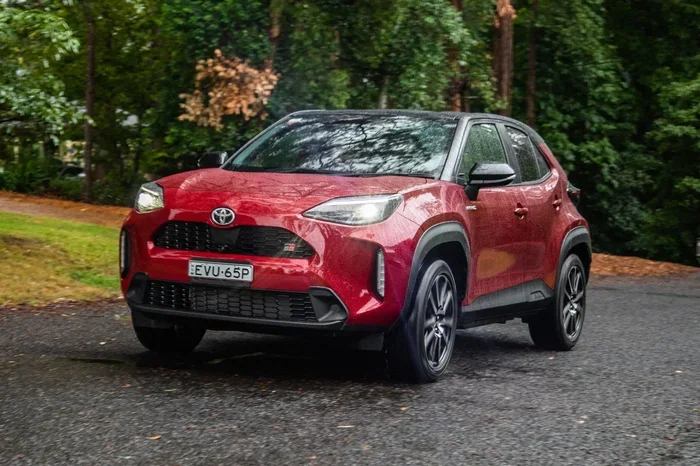
Several everyday conditions shape battery health. You cannot control everything, but you can influence many of the biggest factors. Understanding these drivers helps you make better choices and avoid unnecessary stress on the system.
Visual guide about Toyota hybrid battery pack closeup
Image source: images.carexpert.com.au
Climate and Temperature Exposure
Heat is one of the strongest enemies of battery longevity. Sustained high temperatures can speed up chemical aging inside the pack. That does not mean you should avoid driving in warm areas. It simply means you should pay extra attention to cooling system care and parking habits. Shade, garages, and sensible driving during the hottest hours can all help reduce thermal strain.
Driving Style and Charge Cycles
Aggressive driving forces the battery to work harder. Hard acceleration and frequent rapid stops increase charge cycles and heat buildup. Smoother driving allows the hybrid system to manage energy more gently. If you drive calmly, the battery usually stays in a more comfortable operating range. Over time, that gentler use can support longer service life.
Maintenance and Cooling System Care
Many Toyota hybrids use air or liquid cooling to keep the battery within a safe temperature range. Dust-clogged vents, dirty fans, or neglected cooling components can raise operating temperatures. Regular inspections help the pack stay balanced. Owners who keep up with basic service often see better long-term results. If you ever need to handle small routine tasks, you might also appreciate guides like how to change the battery in a Toyota key fob, since simple maintenance habits tend to carry over across the vehicle.
Parking Habits and Idle Time
Leaving a hybrid parked for long periods in extreme heat or cold can affect battery condition. Short, regular drives usually help the system stay balanced. If a car sits unused for weeks, the battery may lose some optimal performance. Whenever possible, move the vehicle occasionally and avoid storing it in harsh conditions for extended stretches.
Common Warning Signs Your Battery Needs Attention
Hybrid batteries usually give hints before they fail completely. Paying attention to those signs can save you from being stranded or facing a bigger repair later. Some symptoms are subtle, while others show up clearly on the dashboard.
Reduced Fuel Economy
One of the first changes many drivers notice is lower miles per gallon. The hybrid system may rely more on the gasoline engine and less on electric assist. If your fuel economy drops without a change in driving routine, the battery may not be holding charge as well as it used to.
More Frequent Engine Use
A healthy hybrid often runs quietly on electric power at low speeds. When the battery weakens, the gasoline engine may start more often and stay on longer. You might notice the car feels less smooth during low-speed maneuvering. That change can point to declining battery capacity.
Dashboard Alerts and Error Messages
Toyota vehicles often warn drivers when the hybrid system detects a problem. A warning light, message, or hybrid system alert deserves attention. Do not ignore these indicators. A quick diagnostic check can reveal whether the issue is minor or related to the battery pack itself.
Performance Changes During Acceleration
You may feel the vehicle hesitate slightly or lose some of its usual responsiveness. Weak battery output can affect how the electric motor assists the engine. If the car feels different during normal driving, it is worth having the hybrid system tested.
Replacement Options and What to Expect
If your battery eventually needs service, you have more choices than many people realize. The best option depends on your budget, how long you plan to keep the car, and the exact condition of the pack.
OEM Replacement Batteries
Original equipment manufacturer batteries offer a direct match for your vehicle. They usually come with strong quality control and a warranty. The tradeoff is price. OEM units tend to cost more than other options, but they can be a dependable choice if you want the closest experience to the original system.
Reconditioned and Rebuilt Packs
Reconditioned batteries use tested cells and replaced components to restore performance. Many owners choose this route because it balances cost and reliability. A reputable rebuild can give you useful life at a lower price than a brand-new unit. Make sure the shop stands behind its work with a clear warranty.
Used Battery Options
Some buyers look for used hybrid batteries from salvage sources or online marketplaces. This path can be affordable, but it carries more uncertainty. Cell condition varies widely, and a used pack may not last as long as expected. If you consider this route, ask for test results and verify the source carefully.
Practical Tips to Extend Your Hybrid Battery Life
You do not need complicated routines to protect your hybrid battery. A few simple habits can make a meaningful difference over time. The goal is to reduce heat, avoid extreme stress, and keep the system in good overall condition.
Drive Smoothly and Avoid Hard Spikes
Gentle acceleration helps the battery stay in a balanced state. Try to ease into speed rather than demanding quick bursts. Smooth braking also gives the regenerative system a better chance to capture energy without heavy strain. Over thousands of trips, this calmer approach supports healthier battery aging.
Keep the Cooling System Clean
Check the battery cooling intake and fan area from time to time. Clear away leaves, dust, and debris that may block airflow. A cool battery generally ages more slowly than an overheated one. If your vehicle uses a dedicated cooling fan, service it according to the manufacturer schedule.
Mind the Weather When Possible
You cannot change the climate where you live, but you can adjust habits. Park in shade when it is available. During very hot days, avoid leaving the car baking in direct sun for long periods. In cold weather, allow the system to warm up naturally during normal driving. Small adjustments help reduce unnecessary stress.
Stay Current With Software and Service Updates
Hybrid systems use software to manage charging, discharge, and temperature control. Updates can improve how the battery is treated. Ask your service center whether any system updates are available during routine visits. Keeping the vehicle current is a simple way to support long-term performance.
Monitor Fuel Economy and Driving Feel
Pay attention to small changes. If your fuel economy drifts downward or the car feels different at low speeds, note it. Early awareness gives you more options. A battery health check can clarify whether the issue is minor or worth addressing soon.
Expert Insights and Real-World Expectations
Hybrid specialists often say the biggest mistake owners make is waiting too long to check a warning sign. Another common mistake is assuming every drop in fuel economy means a major failure. Sometimes the issue is small, and sometimes it is battery-related. A professional test removes the guesswork.
Experts also emphasize that hybrid battery lifespan is not just about the cells. The whole system matters, including sensors, cooling, and control software. A well-maintained hybrid usually performs better for longer than a neglected one. If you compare hybrid durability to other Toyota models, it helps to look at broader ownership patterns. For example, many readers explore how many miles a Toyota Camry can last to understand how Toyota powertrains hold up over time.
Quick Tips
- Test early: If you notice changes, get a battery health check before the problem grows.
- Keep it cool: Good airflow and clean vents help the pack stay in a safer temperature range.
- Drive calmly: Smooth inputs reduce stress on the battery and support longer life.
- Use warranty info: Know your coverage details so you can act quickly if a defect appears.
Common Mistakes
- Ignoring warning lights: Dashboard alerts often signal a real issue that deserves attention.
- Assuming all replacements are expensive: Reconditioned and rebuilt options can fit many budgets.
- Neglecting cooling care: Blocked vents and dirty fans can raise battery temperatures unnecessarily.
- Panic buying: Not every performance change means the battery is dead. Get facts before replacing parts.
How to Think About Long-Term Hybrid Ownership
Owning a hybrid is mostly about balance. You get excellent efficiency, but you also want to stay aware of battery health as the car ages. That awareness does not need to be stressful. It simply means checking the system occasionally, driving sensibly, and addressing small issues before they become big ones. Many Toyota hybrid owners keep their original batteries for many years and only consider replacement when the vehicle itself is nearing the end of its life.
If you are trying to plan ahead, it helps to think in terms of value rather than fear. A hybrid battery is a major component, but it is also part of a system that can deliver strong reliability when treated well. Learning how long do Toyota hybrid batteries last gives you a realistic framework. You can budget wisely, drive with confidence, and make better decisions when the time comes.
Key Takeaways
- Expect a long service life: Many packs perform well for 10 to 15 years and well over 100,000 miles.
- Care matters a lot: Cooling, cleanliness, and smooth driving help the battery age gracefully.
- Watch for early clues: Fuel economy drops and frequent engine use often appear before major failure.
- Choose replacement wisely: OEM, rebuilt, and used options each have different trade-offs.
- Get professional testing: A clear diagnosis helps you avoid unnecessary spending.
Frequently Asked Questions
How long do Toyota hybrid batteries last on average?
Most Toyota hybrid batteries last around 10 to 15 years or roughly 150,000 to 200,000 miles with normal use. Many packs continue working beyond that range when the vehicle is driven gently and kept cool. Real-world results vary based on climate, maintenance, and driving habits.
What are the first signs that a hybrid battery is failing?
Common early signs include reduced fuel economy, the gasoline engine running more often, and lower electric-only performance at low speeds. Dashboard warnings or hybrid system messages may also appear. A professional battery health check can confirm whether the pack is degrading.
Can a Toyota hybrid battery last more than 200,000 miles?
Yes, many Toyota hybrid batteries keep working past 200,000 miles, especially if the car is well maintained and not exposed to extreme heat. Some packs last even longer with only moderate capacity loss. Regular monitoring helps you get the most out of a high-mileage battery.
How much does it cost to replace a Toyota hybrid battery?
Replacement cost depends on whether you choose a new OEM battery, a rebuilt pack, or a used unit. OEM batteries usually cost the most, while reconditioned options often provide a more affordable path. Labor, warranty terms, and regional pricing also affect the final price.
Does driving style affect hybrid battery life?
Yes, aggressive acceleration and frequent hard braking can increase stress on the battery. Smoother driving helps the system manage charge and temperature more gently. Over time, calm driving habits can support better long-term battery health.
Should I replace the battery if my fuel economy drops a little?
Not always. A small drop in fuel economy can happen for many reasons, including weather, tire pressure, or driving conditions. If the change is noticeable and persistent, have the hybrid system tested before deciding on replacement. Early testing often reveals whether the battery is truly the issue.