
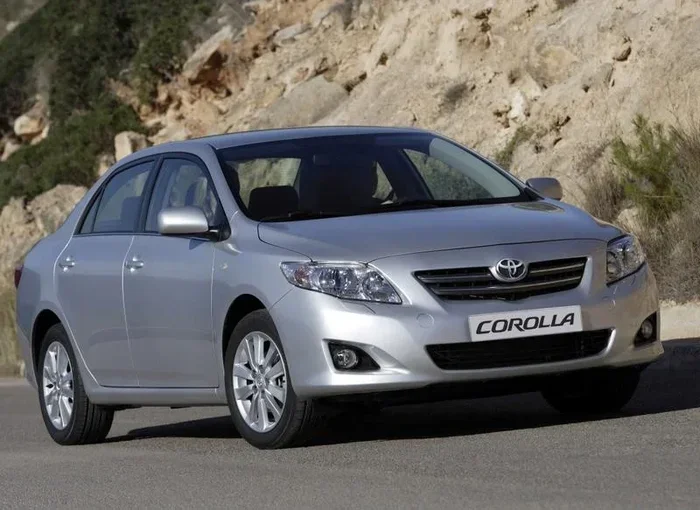
If you are asking how much is a 2007 Toyota Corolla worth, the answer depends on mileage, condition, trim level, and your local market. Most examples sell between $3,000 and $7,500, with clean, low-mileage models reaching higher prices. You can boost value by fixing small issues, keeping records, and timing your sale well. This guide breaks down real pricing, what buyers care about, and how to maximize your return.
Used cars can be a smart buy, and the 2007 Toyota Corolla remains a popular choice for budget-minded drivers. People love this car because it is simple, reliable, and easy to afford. If you own one, you may be wondering what it is worth today. If you are shopping, you want a fair price that matches the car’s condition. Either way, understanding value helps you make a better deal.
This guide explains the main factors that affect price. We will look at trim levels, mileage, condition, and market trends. You will also find practical tips for selling or buying with confidence. By the end, you will know what to expect and how to get the best result.
Key Takeaways
- Base pricing range: Most 2007 Corollas trade between $3,000 and $7,500, depending on condition and mileage.
- Trim matters: CE, LE, and S models differ in features, and buyers pay more for popular options like alloy wheels and air conditioning.
- Mileage is king: Lower miles usually mean higher value, but a well-maintained higher-mileage car can still fetch a solid price.
- Condition and records count: Clean interiors, working mechanics, and service history help you command more money.
- Local market shifts value: Regional demand, weather, and inventory can push prices up or down.
- Small fixes pay off: Simple improvements like detailing, tire care, and minor repairs often improve your final sale price.
- Sell smart: Compare listings, get multiple quotes, and write honest ads to sell faster and for more.
📑 Table of Contents
- How Much Is a 2007 Toyota Corolla Worth Today
- Trim Levels and How They Affect Value
- Mileage and Condition: The Big Value Drivers
- Market Trends and Regional Pricing
- How to Estimate Your Car’s Value Accurately
- Tips to Maximize Your Sale Price
- Buying a 2007 Corolla: What to Check Before You Pay
- Final Thoughts on Value and Smart Buying
How Much Is a 2007 Toyota Corolla Worth Today
When people search for how much is a 2007 Toyota Corolla worth, they usually want a clear number. The truth is, value changes based on several things. Most examples fall somewhere between $3,000 and $7,500. Clean, low-mileage cars with popular features often reach the upper end. Higher-mileage cars or those needing work usually sit lower.
Think of value like a puzzle. Each piece changes the final picture. A car with fresh oil changes, good tires, and a clean interior will stand out. A car with warning lights, worn seats, or a rough transmission will not command as much. The best approach is to compare similar listings in your area and adjust for your car’s unique condition.
What Buyers Look For First
Buyers usually start with the basics. They want a car that starts easily, drives smoothly, and feels safe. They also care about visible wear. Scratches, dents, and torn upholstery can reduce interest. On the other hand, a tidy car with a solid service history can create real confidence.
Here are the first things many buyers check:
- Mileage: Lower miles usually suggest less wear.
- Service history: Records show the car was cared for.
- Tires and brakes: These are costly to replace, so buyers notice them.
- Interior condition: Clean seats, working windows, and a functional dashboard matter.
- Exterior condition: Paint, body panels, and rust spots affect first impressions.
Trim Levels and How They Affect Value
The 2007 Corolla came in several trims, and that changes price. The base CE model is the simplest and usually the most affordable. The LE adds comfort features that many shoppers want. Some examples also include sportier styling or extra convenience items. When you compare listings, trim differences can explain why one car costs more than another.
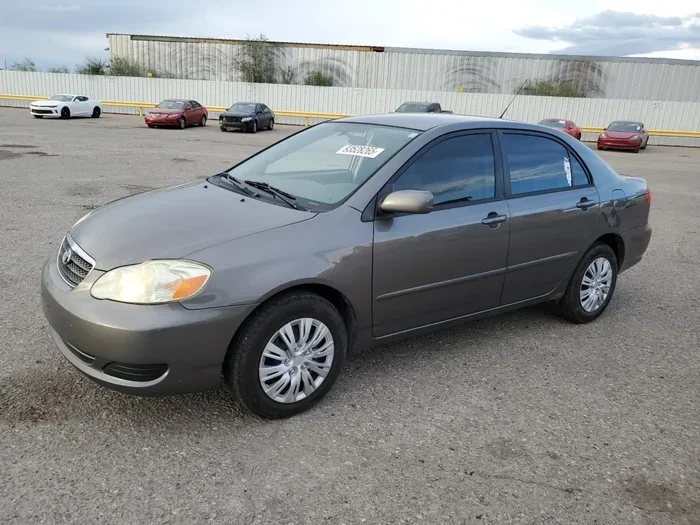
Visual guide about 2007 Toyota Corolla sedan
Image source: cs.copart.com
Features that often improve appeal include alloy wheels, air conditioning, power windows, and a decent audio system. A car with these items may sell faster because it feels more complete. If your car has them, make sure to mention them clearly in your ad.
Common Trim Differences to Note
Not every feature affects value equally. Some items are nice to have, while others are almost expected. Buyers often pay more for comfort and convenience, especially when the car feels ready to drive. Still, the engine and mechanical condition matter most. A well-maintained base model can be a better buy than a neglected higher trim.
Quick tips for trim comparison:
- Check for working air conditioning and heating.
- Confirm power accessories actually function.
- Look for alloy wheels versus steel wheels with covers.
- Note any aftermarket additions, but keep expectations realistic.
Mileage and Condition: The Big Value Drivers
Mileage is one of the biggest price factors for any used car. With a used Corolla, buyers often expect higher miles because the car is older. Still, a lower-mileage example usually earns more attention. That said, mileage alone does not tell the whole story. A car with 140,000 miles and careful maintenance can be a better choice than one with 90,000 miles and neglected service.
Condition matters just as much. A car that has been driven gently, parked indoors, and serviced on time often feels stronger. Mechanical health is critical. If the engine runs smoothly, the transmission shifts well, and the brakes feel solid, buyers will feel more comfortable. That confidence can support a higher asking price.
How Mileage Changes the Price
You can think of mileage as a slider. As miles rise, value usually moves down. But the slope is not always steep. If the car has a clean record and no major issues, the drop may be smaller. If there are warning signs, the drop can be larger. Buyers often adjust their offer based on what they expect to spend soon, such as tires, brakes, or timing service.
Things that can soften the impact of higher mileage:
- Regular oil changes and fluid service
- New or recently inspected tires
- Healthy brakes and suspension
- No check engine light or known engine issues
- Clean interior and reasonable exterior care
Market Trends and Regional Pricing
Used car prices do not stay fixed. They move with supply, demand, and local conditions. In some areas, small reliable cars are in strong demand because they are affordable to own. In other places, inventory may be higher, which can soften prices. Weather also plays a role. Rust-prone regions may see lower values for cars with corrosion, while dry climates can help a car stay in better shape.
Seasonality matters too. Convertibles may sell better in warm months, while all-wheel drive or rugged vehicles may gain interest in winter. The Corolla resale value is usually steadier than many flashy models because it is known for practicality. That stability is part of why people trust this car year after year.
Why Location Changes the Number
If you want a realistic price, look at local listings instead of national averages alone. A car in one city may sell for more than the same car in another city. Local economy, commute habits, and even fuel prices can influence demand. If gas prices rise, efficient cars often become more attractive. If a region has many cheap alternatives, buyers may negotiate harder.
Helpful ways to gauge local value:
- Compare similar Corollas listed nearby
- Note how quickly listings are marked sold
- Check asking prices and final sale prices when possible
- Factor in regional rust, flood risk, or climate wear
How to Estimate Your Car’s Value Accurately
If you want a solid estimate, start with a few comparisons. Look at similar cars with similar miles, trim, and condition. Do not compare your car to examples that are clearly in better or worse shape. Small differences can change the price more than people expect. A car with a clean title, recent tires, and a functioning air conditioner may deserve a stronger offer than one without those items.
It also helps to be honest about flaws. Buyers notice them quickly, and hiding problems can slow the sale. If something needs repair, decide whether fixing it makes sense before selling. Sometimes a small investment improves the sale price. Other times, it is better to sell as-is and let the next owner handle the work.
Simple Valuation Steps
You do not need a complicated process to get a good estimate. A short checklist can keep you grounded and prevent overpricing or underselling.
Try this approach:
- Find three to five similar listings in your area
- Adjust for mileage, trim, and condition
- Note any extra features or recent repairs
- Write down your car’s strengths and weaknesses
- Set a realistic range instead of one rigid number
If you want more context on Toyota ownership costs, you may also find it useful to read about how much is a oil change at Toyota, since routine service can influence long-term value.
Tips to Maximize Your Sale Price
Whether you are selling privately or trading in, a few smart moves can help. Start by making the car easy to appreciate. A thorough clean, both inside and out, gives the best first impression. Fix small issues that are cheap to handle, like burnt-out bulbs, worn wipers, or minor stickers on the glass. These details show care and make the car feel more ready.
Good paperwork also helps. Gather service records, the title, and any repair receipts. A buyer who sees organized records may feel more confident. Write a clear ad that explains what the car offers and what it may still need. Honest descriptions often lead to smoother negotiations and fewer surprises.
Small Improvements That Can Help
You do not need a major overhaul to improve value. Focus on the visible and mechanical basics. A car that feels healthy and looks cared for usually attracts more interest. If you are wondering what matters most, think about the things buyers notice right away.
Good quick fixes include:
- Deep cleaning the seats, carpets, and dash
- Washing and waxing the exterior
- Replacing old air fresheners with a neutral smell
- Checking tire pressure and tread depth
- Making sure all lights and gauges work
For buyers comparing models, it can also help to understand how this car stacks up against other reliable used options. You may want to review how many miles will a Toyota Rav 4 last if you are weighing a sedan against a compact SUV.
Common Mistakes to Avoid
Some sellers lose money by expecting too much or hiding problems. Others rush and accept a low offer without checking the market. Try to avoid these mistakes:
- Overpricing: A high asking price can scare off serious buyers.
- Ignoring flaws: Buyers will find them, and trust can drop fast.
- Skipping records: Missing paperwork makes valuation harder.
- Poor photos: Dark or messy images make the car look worse.
- Rushing negotiations: A patient approach often leads to a better result.
Buying a 2007 Corolla: What to Check Before You Pay
If you are on the buying side, take your time. A low price can be tempting, but it should not distract you from inspection. Start with a cold start if possible. Listen for unusual noises and watch for smoke from the exhaust. Check how the car shifts through gears and whether the steering feels steady. A short test drive can reveal a lot.
Look over the body carefully. Small dents may be normal, but rust, mismatched paint, or uneven panel gaps can signal past damage. Ask for service records and verify the title status. If the car has a check engine light or repeated repairs, factor that into your offer. A careful inspection can save you from buying a car that looks fine but costs more later.
A Practical Pre-Purchase Checklist
Use a simple checklist before you commit. This keeps the process calm and helps you compare cars more fairly.
Check these items:
- Engine startup and idle quality
- Transmission response and shifting
- Brakes, suspension, and steering feel
- Tire condition and uneven wear
- Lights, windows, locks, and mirrors
- Interior wear, odors, and electronics
- Title, mileage, and service history
If you want to compare maintenance expectations with another popular Toyota, you can also look at how many quarts of oil in a Toyota Corolla to better understand basic service needs.
Final Thoughts on Value and Smart Buying
So, how much is a 2007 Toyota Corolla worth? The best answer is that it depends on the car in front of you. Most examples sit in a practical, affordable range, and the final number reflects mileage, condition, trim, and local demand. A clean, well-maintained Corolla can be a strong value for both a seller and a buyer. A car with problems will usually price lower, and that is fair.
If you are selling, focus on presentation, honesty, and realistic pricing. If you are buying, focus on condition, records, and a thorough inspection. Either way, the 2007 Corolla value is strongest when the car is cared for and priced fairly. Take your time, compare options, and let the car’s actual state guide your decision.
Frequently Asked Questions
How much is a 2007 Toyota Corolla worth in good condition?
In good condition, a 2007 Toyota Corolla usually falls somewhere in the mid-range of used pricing, often between $4,000 and $6,500 depending on mileage and trim. Cars with cleaner interiors, newer tires, and service records tend to command more. Always compare similar local listings for the best estimate.
Does mileage affect the price more than trim level?
Mileage usually has a bigger impact than trim, but both matter. A lower-mileage base model can be worth more than a higher-mileage premium model if it is in better shape. Buyers care most about overall condition, reliability, and how much repair work the car may need soon.
What makes a 2007 Corolla sell faster?
A clean interior, working essentials, and a solid maintenance history help it sell faster. Good photos, honest descriptions, and a fair price also make a big difference. Small fixes like fresh tires, working lights, and a tidy engine bay can improve buyer confidence.
Should I repair small issues before selling?
It depends on the cost and the size of the problem. Cheap fixes like bulbs, wipers, or minor cleaning often help because they improve first impressions. For larger repairs, compare the repair cost to the likely increase in sale price before deciding.
How can I tell if the asking price is fair?
Compare the car to similar listings with similar miles, trim, and condition in your area. If the price is much higher, look for extra features or better condition to justify it. If it is much lower, check for hidden issues, missing records, or needed repairs.
Is a 2007 Corolla a good used car to buy?
Yes, it can be a smart buy if it has been maintained well and fits your budget. The car is known for being practical and affordable to own, which is why many shoppers still look for it. A careful inspection and a test drive are still important before you buy.