
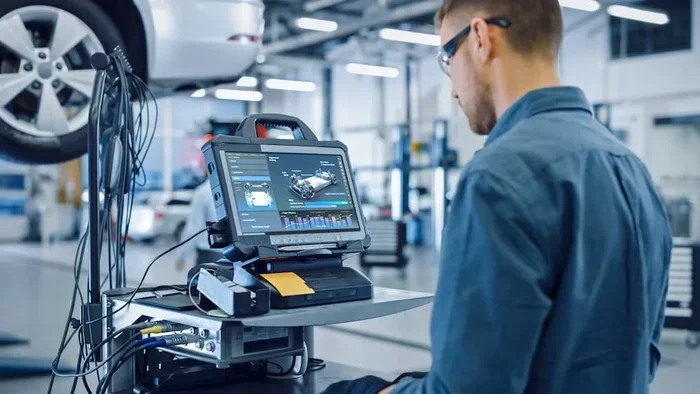
How Much Is a Diagnostic Test at Toyota? Most drivers pay between $100 and $150 for a full vehicle scan at a Toyota dealership. Independent shops often charge less. The final price depends on your car model, the problem type, and local labor rates. Understanding these costs helps you avoid surprise bills and make smart repair choices.
How Much Is a Diagnostic Test at Toyota? This question pops up the moment a warning light turns on. You hear a strange click. Your car feels sluggish. Or the check engine light glows red. You want answers fast. You also want to avoid wasting cash on guesswork. The good news is that modern diagnostics are quick, precise, and fairly predictable in price. In this guide, we will break down real costs, what influences them, and how you can get the best value. We will also share smart tips that help you talk to mechanics with confidence.
Many drivers assume a diagnostic test is just a quick plug-in. It is much more than that. A trained technician connects a scan tool to your vehicle computer. The tool reads stored trouble codes. It checks live sensor data. It reviews system readiness. This process reveals what is working and what is failing. Some shops charge a flat fee. Others bill by the hour. Either way, you deserve clear pricing before work begins. Let us walk through the details so you know exactly what to expect.
Key Takeaways
- Average Cost Range: Toyota diagnostic tests typically cost between $100 and $150 at dealerships.
- Independent Shops: Local mechanics often charge $50 to $100 for similar scans.
- What You Get: A full test reads error codes, checks sensors, and identifies engine or transmission issues.
- Free Options: Some parts stores offer free code reads, but they lack deep system analysis.
- Warranty Coverage: New Toyota vehicles may include complimentary diagnostics under powertrain or bumper-to-bumper coverage.
- Save Money Tips: Ask for a flat rate, request a written estimate, and compare quotes before booking.
- When to Book: Schedule a test as soon as warning lights appear, strange noises start, or performance drops.
📑 Table of Contents
What Does a Toyota Diagnostic Test Actually Cover
A proper diagnostic test looks at the whole health of your car. It does not just point to one broken part. The process starts with a visual inspection. The technician checks belts, hoses, fluid levels, and visible damage. Next comes the electronic scan. The scan tool talks to your car computer. It pulls fault codes from the engine, transmission, brakes, and emissions systems. Some advanced tools also read manufacturer-specific codes. These codes give clues, not final answers. A good mechanic uses them as a starting point.
Engine and Powertrain Checks
The engine system gets the most attention. The tool checks fuel trim, oxygen sensor readings, and ignition timing. It looks for misfires and abnormal pressure readings. If your car struggles to start, the scan may reveal a weak sensor or a fuel delivery issue. Transmission data also appears here. Shift timing, fluid temperature, and torque converter behavior show up in the live data stream. This helps spot slipping or harsh shifting before major damage occurs.
Emissions and Sensor Verification
Modern cars run strict emissions tests. The diagnostic tool checks the catalytic converter, exhaust gas recirculation, and evaporative vent system. It also verifies that all monitors are ready. If a monitor is incomplete, the car may fail a state inspection. A full scan explains why. Sometimes a loose gas cap or a small vacuum leak triggers a cascade of codes. Fixing the root cause clears the rest. This is why a proper test matters more than a quick code read.
Real Cost Breakdown for Toyota Diagnostics
So, how much is a diagnostic test at Toyota? The short answer is that most dealership visits fall between $100 and $150. Independent repair shops often charge less. You may see prices from $50 to $100 in many local markets. The exact number depends on your region, your vehicle, and the shop’s labor rate. Big cities tend to cost more. Rural areas often cost less. Luxury or hybrid models may require special tools, which can raise the price slightly.
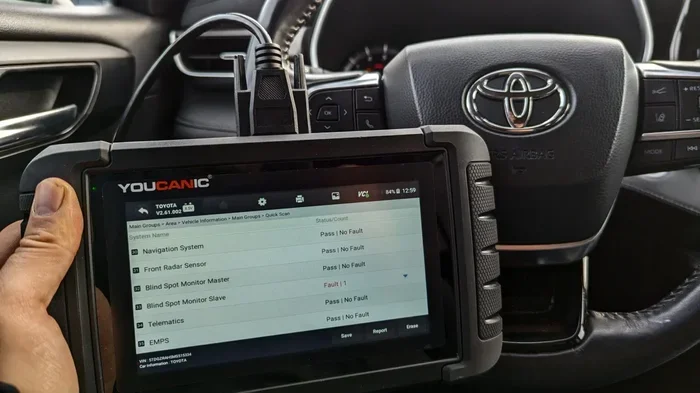
Visual guide about Toyota mechanic diagnostic scan
Image source: youcanic.com
Some shops offer a flat diagnostic fee. Others apply the fee toward future repairs if you choose them. This is a common practice. It protects the shop from losing time on a simple scan. It also gives you a clear starting point. Always ask whether the fee is refundable or credited toward parts and labor. A transparent shop will explain this upfront. You should never feel rushed into a repair before you understand the findings.
Dealership vs Independent Shop Pricing
Toyota dealerships use factory-trained technicians and genuine scan tools. They have direct access to service bulletins and technical updates. This expertise often justifies a higher fee. Independent shops can be just as skilled, especially those with ASE-certified mechanics. They may use aftermarket scanners that cover most common systems. For routine engine or transmission issues, an independent shop can save you money. For complex hybrid, safety, or manufacturer-specific problems, a dealership may be the better choice.
What Influences the Final Price
Several factors shape the final bill. Here are the most common ones:
- Vehicle Model: Newer cars and hybrids often need advanced software and special adapters.
- Problem Complexity: Intermittent issues take longer to trace than clear fault codes.
- Local Labor Rates: Urban centers and high-cost regions charge more per hour.
- Shop Overhead: Dealerships carry higher operational costs, which affects pricing.
- Additional Testing: Some problems require pressure tests, scope analysis, or road testing.
If your car needs a second round of testing, ask whether the follow-up is included. Many shops will extend the diagnostic window if the first scan did not reveal the full picture. Clear communication keeps costs under control.
Free and Low-Cost Alternatives Worth Knowing
You do not always need to pay for a full dealership scan right away. Some options can give you a quick starting point. Auto parts stores often read check engine codes for free. This service is helpful when you want to know the basic trouble code. It is not a full diagnostic. The staff usually cannot analyze live data or test components. Still, it can tell you whether the issue is serious or minor. A loose gas cap, for example, often triggers a simple emissions code.
Another option is a handheld code reader. You can buy a basic unit for a modest price. More advanced models connect to your phone and show live data. These tools work well for curious owners who want to learn. They do have limits. They may not access all systems. They also cannot replace a trained eye. If the code points to a complex failure, you still need a professional test. Think of personal scanners as a first step, not a final answer.
When a Quick Code Read Is Enough
A free or low-cost code read works well in simple situations. Use it when the check engine light is steady, not flashing. Use it when the car drives normally and no strange noises appear. Use it when you want to confirm a minor issue before booking a repair. If the code suggests a sensor or emissions part, you can research the part and get a rough repair estimate. Just remember that a code alone does not prove the part is bad. A full test confirms the real cause.
How to Save Money on Toyota Diagnostic Services
Smart shoppers ask the right questions before booking. Start by requesting a flat diagnostic fee. This avoids surprise hourly charges. Ask what the fee includes. A good answer mentions code reading, live data review, and a clear explanation of findings. Ask whether the fee applies to future repairs. Many shops will credit it if you proceed with the fix. This policy can save you a meaningful amount.
Next, compare quotes from two or three shops. You do not need to choose the cheapest option blindly. Look for clear explanations, good reviews, and transparent policies. A fair price with strong communication is often better than a low price with vague answers. If you own a newer Toyota, check your warranty status. Some coverage plans include diagnostic work for certain failures. This can reduce your out-of-pocket cost significantly.
Questions to Ask Before You Book
Use this short checklist when you call a shop:
- What is your flat diagnostic fee?
- Does the fee cover live data and a written summary?
- Will you credit the fee if I repair the issue with you?
- Do you use factory tools for Toyota models?
- Can you give a rough time estimate for the test?
These questions show that you are informed. They also help you compare shops on equal terms. A respectful mechanic will welcome them.
Warning Signs That Mean You Should Book Soon
Delaying a diagnostic test can turn a small issue into a big bill. Watch for clear warning signs. A flashing check engine light usually means active misfire. That problem can damage the catalytic converter quickly. Strange noises, loss of power, rough idling, or fluid leaks also deserve fast attention. If your car drifts, pulls, or brakes unevenly, the issue may involve safety systems. Book a test as soon as these signs appear. Early diagnosis often leads to simpler repairs.
Do not ignore intermittent problems either. A light that turns on and off can still point to a real fault. The car computer stores the code even after the light goes out. A technician can read the history and trace the pattern. This is especially useful for heat-related or load-related failures. Catching these early protects your engine and your wallet.
Why Early Diagnosis Saves Cash
Small issues often share parts with larger systems. A failing sensor can force the engine to run rich. That extra fuel can stress the catalytic converter. A weak transmission sensor can cause harsh shifts that wear clutches. Fixing the root cause early keeps the rest of the system healthy. It also reduces labor time. A focused repair usually costs less than a major overhaul. Quick action is one of the best habits any car owner can build.
Expert Tips for a Smooth Diagnostic Visit
A little preparation makes the visit smoother. Write down when the problem started. Note whether it happens at idle, during acceleration, or after parking. Record any warning lights, odd smells, or new noises. This timeline helps the technician narrow the search. If the check engine light is on, avoid clearing the code before the visit. The stored history gives valuable clues. If you must clear it for safety reasons, tell the shop anyway.
Bring your key fob, owner manual, and any prior repair records. These items help the shop understand your car’s history. Ask for a plain-language explanation of the findings. You should understand what failed, why it failed, and what options you have. A trustworthy shop will not pressure you into unnecessary parts. They will explain the urgency and give you a choice when timing allows.
Quick Tips for Better Results
- Share clear symptoms: Dates, conditions, and sounds matter.
- Keep the code active: Let the shop read the stored data first.
- Request a written summary: It helps you compare repair options.
- Ask for priorities: Some fixes are urgent, others can wait.
- Get a follow-up plan: Know what to watch after the repair.
These small steps improve accuracy and reduce back-and-forth. They also help you feel in control of the repair process.
Conclusion
How Much Is a Diagnostic Test at Toyota? For most drivers, the answer sits in a predictable range. Dealerships usually charge $100 to $150. Independent shops often charge less. The real value comes from a clear diagnosis, honest communication, and a repair plan that fits your budget. Do not guess with warning lights. Use a proper test to find the true cause. Compare shops, ask the right questions, and act early when symptoms appear. With a smart approach, you can protect your Toyota, avoid overspending, and drive with confidence.
Frequently Asked Questions
How much is a diagnostic test at Toyota dealerships?
Most Toyota dealerships charge between $100 and $150 for a full diagnostic test. The exact price depends on your model, local labor rates, and the complexity of the issue. Always ask for a flat fee before booking.
Can I get a cheaper diagnostic test at an independent shop?
Yes, many independent mechanics charge $50 to $100 for similar scans. They can handle most common engine and transmission issues. For hybrid or manufacturer-specific problems, a dealership may still be the better choice.
Is a free code read from a parts store the same as a diagnostic test?
No, a free code read only shows basic trouble codes. A full diagnostic test reviews live data, sensor behavior, and system readiness. Use a free read for quick clues, but book a real test for accurate repairs.
Does Toyota warranty cover diagnostic testing?
Some warranty plans cover diagnostic work when a covered component fails. New vehicles often include powertrain and bumper-to-bumper coverage that may apply. Check your warranty terms before paying out of pocket.
Should I clear the check engine light before the diagnostic test?
It is better to leave the code active until the shop reads it. The stored data helps the technician trace the problem. If you already cleared it, tell the shop so they can still investigate properly.
How long does a Toyota diagnostic test usually take?
A standard scan often takes 30 to 60 minutes, depending on the issue. Complex problems may require extra testing or a short road test. Ask the shop for a time estimate when you book.