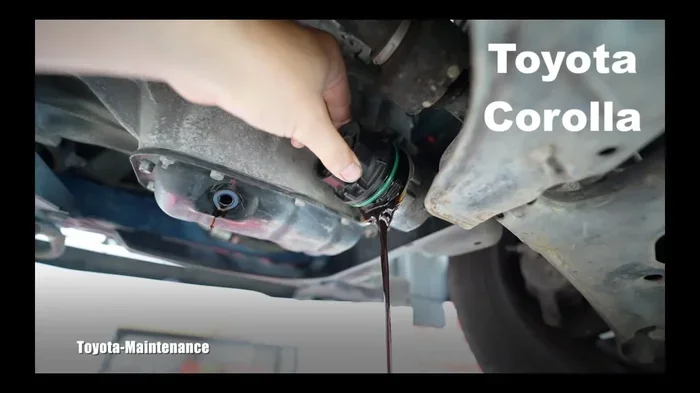

Knowing exactly how much oil does Toyota Corolla take keeps your engine running smoothly and prevents costly wear. Most modern Corolla models need between 4.2 and 4.4 quarts of fresh oil during a standard change. Using the right viscosity and checking your dipstick regularly will extend engine life and maintain fuel efficiency. This guide covers exact capacities, oil types, and simple maintenance tips you can follow today.
Key Takeaways
- Exact Capacity: Most Toyota Corolla engines require 4.2 to 4.4 quarts of oil with a new filter.
- Recommended Viscosity: 0W-20 synthetic oil is the standard for recent Corolla models.
- Filter Matters: Always replace the oil filter during changes to maintain proper flow and cleanliness.
- Check Regularly: Use the dipstick or electronic sensor to monitor levels every few weeks.
- Avoid Overfilling: Too much oil can cause foaming, pressure issues, and engine damage.
- Follow Intervals: Change oil every 5,000 to 10,000 miles depending on driving conditions.
- Use Quality Products: Choose API-certified synthetic or conventional oil that meets Toyota specifications.
📑 Table of Contents
- How Much Oil Does Toyota Corolla Take for Best Performance
- Understanding Toyota Corolla Oil Capacity by Model Year
- Choosing the Right Oil Type and Viscosity
- Step-by-Step Oil Change Guide for Your Corolla
- How to Check Oil Level and Spot Problems Early
- Oil Change Intervals and Long-Term Maintenance Tips
- Common Mistakes to Avoid During an Oil Change
- Expert Insights and Final Recommendations
How Much Oil Does Toyota Corolla Take for Best Performance
Keeping your engine healthy starts with one simple habit. You need to know the right fluid levels. When you ask how much oil does Toyota Corolla take, you are really asking how to protect your investment. The answer is straightforward, but it changes slightly based on your model year and engine type.
Most drivers want a clear number they can trust. You do not need to guess. You do not need to overcomplicate things. You just need the right amount, the right type, and a clean filter. This guide breaks everything down in plain language. You will learn the exact quart capacity, the best oil viscosity, and the simple steps to check and refill your engine safely.
Understanding Toyota Corolla Oil Capacity by Model Year
Car manufacturers design engines with specific fluid requirements. The Corolla is no exception. Over the years, Toyota has refined the 1.8L and 2.0L four-cylinder engines. Each generation settled on a very similar oil capacity, but small differences exist. Knowing your exact model year helps you avoid guesswork.
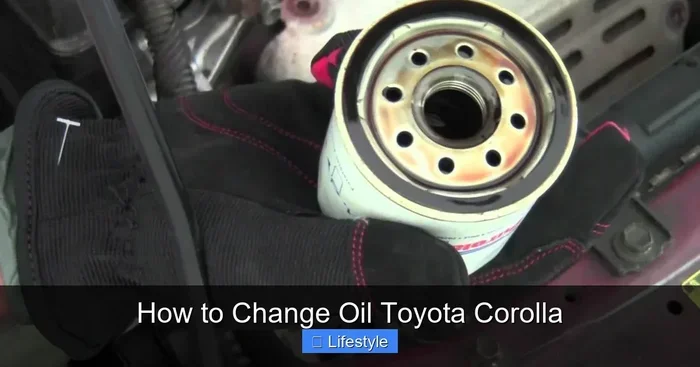
Visual guide about Toyota Corolla engine oil change
Image source: toyotaautodealer.com
2014 to 2019 Corolla Models
These years use the 1.8L four-cylinder engine as the standard. The total oil capacity with a new filter sits at 4.4 quarts. If you skip the filter change, you will still need close to 4.2 quarts to reach the proper level. Always aim for the full capacity with a fresh filter. This ensures proper lubrication during cold starts and heavy traffic.
2020 to Present Corolla Models
The newer generation keeps the same general capacity. Most 2020 and newer models also require 4.4 quarts with a new filter. The 2.0L engine found in some trims follows the same guideline. You might see a slight variation if you drive a hybrid version. Hybrid engines often share similar capacity numbers, but you should always verify the owner manual for your specific trim.
Quick Reference Capacity Table
Here is a simple breakdown you can save for future reference. The numbers assume a standard oil and filter change.
- 2014-2019 (1.8L): 4.4 quarts with filter
- 2020-Present (1.8L & 2.0L): 4.4 quarts with filter
- Without filter change: 4.2 quarts typical
- Hybrid variants: Check manual, usually 4.2-4.4 quarts
Choosing the Right Oil Type and Viscosity
Capacity is only half the story. The oil type matters just as much. Toyota designs its engines to work with specific viscosity grades. Using the wrong thickness can reduce fuel economy and increase engine wear. You want a fluid that flows quickly when cold and protects well when hot.
Why 0W-20 Is the Standard Choice
Most modern Corolla engines recommend 0W-20 synthetic oil. The low first number means the oil stays thin in cold weather. This helps your engine start smoothly and reach critical parts faster. The second number tells you how the oil behaves at operating temperature. A 20 rating provides excellent protection without creating excess drag. This balance improves mileage and keeps internal parts clean.
Synthetic vs Conventional Options
You have two main paths here. Full synthetic oil offers better stability over time. It resists breakdown from heat and mileage. It also lasts longer between changes. Conventional oil works fine for older engines or light driving, but it breaks down faster. Many owners prefer synthetic because it matches the factory design and extends service intervals. If you want to know what oil does a Toyota Corolla take, the short answer is usually 0W-20 synthetic.
Additives and Certification Standards
Look for the API certification seal on the bottle. This mark shows the oil meets current industry standards. Toyota also approves oils that meet their specific requirements. You do not need fancy additives. A quality base oil with proper certification does the job well. Stick to reputable brands and avoid unknown formulas that promise miracle results.
Step-by-Step Oil Change Guide for Your Corolla
Changing oil at home saves money and builds confidence. The process is simple when you follow a clear order. You just need the right tools, a safe workspace, and a little patience. Always work on a cool engine and use jack stands if you lift the car.
Gather Your Tools and Supplies
Before you start, collect everything you need. This prevents rushed mistakes.
- 4.4 quarts of 0W-20 synthetic oil
- New oil filter designed for your Corolla model
- Socket wrench and oil drain plug gasket
- Oil drain pan and funnel
- Gloves, rags, and a dipstick cloth
Drain, Replace, and Refill
Start by lifting the front of the car safely. Place the drain pan under the oil pan. Remove the drain plug and let the old fluid flow out completely. While it drains, remove the old filter. Install the new filter with a light coat of fresh oil on the gasket. Reinstall the drain plug and tighten it to the proper spec. Use a funnel to pour in the new oil. Start with 4.2 quarts, then check the level. Add the remaining fluid slowly until you reach the full mark.
Check for Leaks and Reset Maintenance Light
After refilling, start the engine for a minute. Look under the car for any drips around the filter or drain plug. Turn off the engine and wait a few minutes. Check the dipstick again to confirm the level sits in the safe zone. If your Corolla has a maintenance reminder, reset it through the dashboard menu. This keeps your service tracking accurate.
How to Check Oil Level and Spot Problems Early
Regular checks catch small issues before they become big repairs. You do not need to be a mechanic to read a dipstick or monitor a sensor. A quick glance every few weeks takes seconds and protects your engine.
Using the Dipstick Correctly
Park on level ground and turn off the engine. Wait a few minutes so the fluid settles in the pan. Pull the dipstick, wipe it clean, and push it back in fully. Pull it out again and read the level. The oil should sit between the low and full marks. If it looks dark and gritty, plan for a change soon. If it looks milky, that can signal a cooling system issue, and you should get it inspected.
Electronic Sensors and Dashboard Warnings
Some newer Corolla models use electronic monitoring instead of a traditional dipstick. The dashboard will show a status message when levels drop. Do not ignore these alerts. Low levels can cause knocking, overheating, and premature wear. If the warning light appears, check the level as soon as possible and top off with the correct viscosity.
Warning Signs of Low or Dirty Oil
Your engine often gives you clues before a warning appears. Listen for unusual ticking or knocking sounds. Notice if the oil pressure light flickers during stops or cold starts. Watch for reduced fuel economy or rough idling. These signs often point to low levels, dirty fluid, or a clogged filter. Addressing them early keeps your engine running smoothly.
Oil Change Intervals and Long-Term Maintenance Tips
How often you change the oil depends on your driving habits. Toyota provides general service intervals, but real-world conditions matter. Stop-and-go traffic, short trips, and extreme temperatures all increase wear. Adjust your schedule to match your routine.
Standard vs Severe Driving Conditions
Normal driving usually allows longer intervals. Many modern synthetic oils support 7,500 to 10,000 miles between changes. Severe conditions call for more frequent service. If you drive mostly in cities, tow loads, or face very hot or cold weather, shorten the interval. Sticking to 5,000 miles in tough conditions is a smart habit. This approach keeps sludge down and maintains clean internal parts.
Tracking Mileage and Service History
Keep a simple log of every change. Note the date, mileage, oil type, and filter brand. This record helps you stay consistent and adds value if you ever sell the car. Future buyers appreciate documented care. It also helps you spot patterns, like faster consumption, that might signal a leak or burning issue.
Quick Tips for Better Engine Health
- Warm up gently: Drive lightly for the first few minutes to help oil circulate.
- Tighten correctly: Do not overtighten the drain plug. Follow the torque spec.
- Replace the filter: A fresh filter protects your new oil from contaminants.
- Store oil properly: Keep bottles sealed and away from extreme heat.
- Recycle old oil: Take used fluid to a local collection center or auto shop.
Common Mistakes to Avoid During an Oil Change
Even a simple job can go wrong if you rush. Avoiding a few common errors saves time and prevents damage. Pay attention to the details, and your Corolla will thank you.
Overfilling the Engine
Pouring in too much fluid is a frequent mistake. Excess oil can foam up and reduce lubrication quality. It may also raise pressure and stress seals. Always add slowly and check the level twice. If you overfill, drain the extra immediately.
Ignoring the Filter and Gasket
Some people reuse the old filter or forget the drain plug gasket. Both choices cause problems. A clogged filter restricts flow. A missing gasket leads to leaks. Replace the filter every time and use a new gasket if your plug requires one. This small step protects your engine for the long haul.
Using the Wrong Viscosity
Thicker oil sounds like better protection, but it can hurt modern engines. The wrong grade reduces fuel economy and slows circulation at startup. Stick with the recommended 0W-20 unless your manual says otherwise. If you wonder how many quarts of oil in a Toyota Corolla, the number matters, but the viscosity matters just as much.
Expert Insights and Final Recommendations
Mechanics and long-time Corolla owners agree on one thing. Consistency beats complexity. You do not need expensive products or special tricks. You need the right amount, the right type, and a regular schedule. When you follow these basics, your engine stays clean and efficient.
Why Consistency Matters
Fresh oil carries heat away from critical parts. It also traps soot and metal particles before they cause damage. Over time, old fluid loses these abilities. Regular changes restore the protective layer and keep your engine breathing well. This simple habit supports better mileage and smoother performance.
When to Seek Professional Help
Home changes work well for many owners, but some situations call for a shop. If you see metal flakes in the drain plug, notice persistent leaks, or hear unusual noises, get a professional inspection. A trained technician can spot early wear and recommend the right fix. This approach saves money by catching small issues early.
Key Takeaways for Corolla Owners
- Stick to 4.4 quarts: Use this amount with a new filter for most models.
- Choose 0W-20 synthetic: It matches factory design and supports fuel economy.
- Check levels often: A quick dipstick reading prevents low-oil problems.
- Change on schedule: Adjust intervals based on your driving conditions.
- Replace the filter: A clean filter keeps your new oil working longer.
Taking care of your Corolla does not have to be complicated. When you know how much oil does Toyota Corolla take, you can refill with confidence and keep your engine in great shape. Use the right capacity, pick the correct viscosity, and stay consistent with your maintenance. Your car will reward you with reliable performance and longer life.
Frequently Asked Questions
How many quarts of oil does a Toyota Corolla take?
Most Toyota Corolla models require 4.4 quarts of oil when you change the filter. If you skip the filter replacement, you will usually need about 4.2 quarts to reach the proper level. Always verify the exact number for your model year in the owner manual.
What oil does a Toyota Corolla take?
The standard recommendation is 0W-20 synthetic oil for most modern Corolla engines. This viscosity provides excellent cold-start flow and strong protection at operating temperature. You can also choose a synthetic blend if it meets the same viscosity and API certification standards.
How often should I change the oil in my Corolla?
Many owners change the oil every 7,500 to 10,000 miles when using full synthetic and driving under normal conditions. If you face severe conditions like frequent stop-and-go traffic, short trips, or extreme temperatures, aim for closer to 5,000 miles. Always follow the service schedule in your owner manual.
Can I use conventional oil instead of synthetic?
Yes, you can use conventional oil if it matches the recommended 0W-20 viscosity and meets API standards. However, synthetic oil generally offers better stability, longer life, and improved protection for modern engines. If you drive an older Corolla with high mileage, consult a mechanic before switching oil types.
What happens if I overfill the oil in my Corolla?
Overfilling can cause the oil to foam, which reduces lubrication and may increase pressure on seals and gaskets. You might notice rough idling, oil leaks, or a burning smell. If you overfill, drain the excess immediately to protect your engine.
How do I check the oil level in my Toyota Corolla?
Park on level ground, turn off the engine, and wait a few minutes for the oil to settle. Pull the dipstick, wipe it clean, reinsert it fully, and then read the level. The fluid should sit between the low and full marks. If your model uses an electronic sensor, check the dashboard status message instead.