Knowing how often to change cabin air filter Toyota vehicles is key to keeping your car fresh and healthy. Most Toyota owners should swap this filter every 15,000 to 30,000 miles, but dusty roads or heavy traffic may require more frequent changes. A clean filter improves airflow, reduces allergens, and helps your HVAC system run smoothly. This guide covers clear signs it is time for a replacement, easy DIY steps, and model-specific advice to keep your ride breathing easy.
Your Toyota works hard every day, and the cabin air filter plays a quiet but important role. It traps dust, pollen, and road debris before they enter the passenger space. When the filter gets clogged, your ventilation system struggles, and the air inside the car feels stale. Many owners ask how often to change cabin air filter Toyota models to keep things running smooth. The short answer is simple, but the right schedule depends on how and where you drive.
This guide breaks down the ideal replacement schedule, the signs that your filter needs attention, and the easy steps to swap it yourself. You will also learn how driving conditions, seasons, and specific Toyota models affect the timeline. By the end, you will know exactly when to check the filter and how to keep your cabin air clean without spending extra money at the shop.
Key Takeaways
- Standard interval: Replace the cabin air filter every 15,000 to 30,000 miles or once a year for most Toyota models.
- Watch for warning signs: Weak airflow, musty odors, increased noise from the blower, and foggy windows signal a clogged filter.
- Driving conditions matter: Dusty roads, pollen-heavy seasons, and city traffic call for more frequent checks and swaps.
- DIY-friendly task: Most Toyota cabin air filters sit behind the glove box and take under 15 minutes to replace with no special tools.
- Model variations exist: The exact location and filter size differ between a Corolla, Camry, RAV4, and Highlander, so check your owner manual.
- Quality counts: Use a genuine Toyota or high-quality aftermarket filter to trap fine particles and protect your HVAC system.
- Keep a simple log: Note the date and mileage of each replacement to stay on schedule and avoid guesswork.
📑 Table of Contents
- How Often to Change Cabin Air Filter Toyota Models
- Signs It Is Time to Replace Your Toyota Cabin Air Filter
- How Driving Conditions Change the Schedule
- Quick Tips for Checking and Replacing the Filter Yourself
- Common Mistakes to Avoid
- Expert Insights and Seasonal Advice
- Key Takeaways for Toyota Cabin Air Filter Care
How Often to Change Cabin Air Filter Toyota Models
The general rule for most Toyota vehicles is to replace the cabin air filter every 15,000 to 30,000 miles. Many owners also use a simple time-based rule of once a year. This range works well for normal driving on paved roads with average dust and pollen levels. If you drive mostly in the city, stick to the lower end of that range. City driving often means more stop-and-go traffic, more exhaust particles, and more frequent use of the blower, which fills the filter faster.
Toyota does not always list a strict cabin air filter interval in the main maintenance schedule. That is why many drivers overlook it. The engine air filter and oil changes get most of the attention. Still, the cabin filter affects comfort and air quality every time you turn on the fan or air conditioning. A good habit is to check it during routine service visits or at the start of allergy season.
Standard Mileage and Time Guidelines
Here is a practical baseline you can follow:
- Every 15,000 miles: Inspect the filter and replace it if it looks dirty or dusty.
- Every 30,000 miles: Replace the filter even if it looks okay, since fine particles build up over time.
- Once a year: Swap the filter at the same time each year, such as at your annual service or before spring pollen season.
These numbers are a starting point. Your actual schedule may shift based on your environment and how often you run the ventilation system.
Why Toyota Often Leaves This Up to the Driver
Toyota designs its maintenance schedules around wear items that affect performance and safety. The cabin air filter does not change how the engine runs. It affects comfort, odors, and airflow. Because the load on this filter varies so much from driver to driver, the company leaves it to owners to monitor. That means you get flexibility, but you also need to pay attention to the signs your car gives you.
Signs It Is Time to Replace Your Toyota Cabin Air Filter
You do not need to wait for a mileage number to check the filter. Your car often tells you when airflow is restricted. Catching these signs early keeps the HVAC system happy and the cabin air fresh. If you notice one or more of these issues, inspect the filter soon.
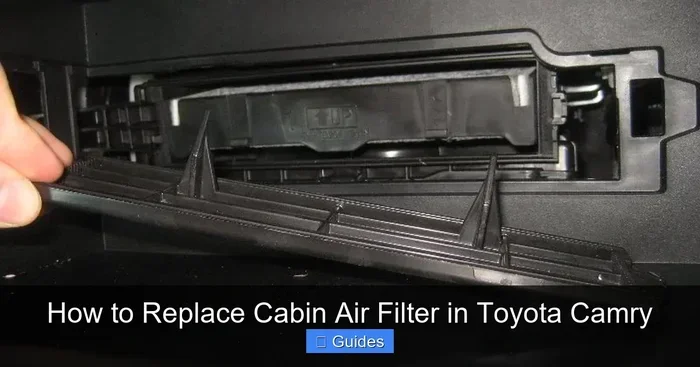
Visual guide about Toyota cabin air filter replacement
Image source: toyotaautodealer.com
Weak or Uneven Airflow
Turn the fan to a medium or high setting. If the air feels weak even at higher speeds, the filter may be clogged. A dirty filter blocks airflow and forces the blower to work harder. You may also notice that the air comes out strongly from one vent but weakly from another. That can happen when debris builds up unevenly across the filter surface.
Musty or Unpleasant Odors
A stale, musty smell when you turn on the fan is a classic sign of a dirty cabin air filter. Moisture can collect in the filter over time, especially in humid climates. That damp environment can lead to odors and even mild mold growth. If the smell goes away after a few minutes, the filter is still the likely culprit. A fresh filter often solves the problem quickly.
More Noise From the Blower
When airflow is restricted, the blower motor may strain and sound louder than usual. You might hear a whistling or rushing noise from behind the dashboard. That sound often means the air is trying to push through a blocked filter. Replacing the filter usually reduces the noise and restores normal airflow.
Foggy Windows and Poor Defrosting
The cabin air filter also affects how well your defroster and defogger work. If the airflow is weak, moisture on the windshield clears more slowly. That can be a safety issue in rainy or cold weather. If your windows fog up faster than usual, check the filter and the ventilation settings.
How Driving Conditions Change the Schedule
Your environment plays a big role in how fast the filter fills up. A driver who covers clean suburban roads will see a different wear rate than someone who commutes on dusty backroads. Think about where you drive most often and adjust your schedule accordingly.
Dust, Dirt, and Rural Roads
If you drive on unpaved roads, construction zones, or dry rural lanes, dust enters the ventilation system faster. In these conditions, inspect the filter every 10,000 to 15,000 miles. Replace it sooner if it looks dark or clogged. A quick visual check takes only a minute once you open the compartment.
Pollen, Allergens, and Seasonal Changes
Spring and early summer bring high pollen counts in many areas. If you or your passengers deal with allergies, a clean filter makes a real difference. Consider checking the filter at the start of pollen season and again at the end. In heavy-allergy areas, a twice-a-year replacement can keep the cabin more comfortable.
City Traffic and Stop-and-Go Driving
City driving exposes your car to more exhaust particles, brake dust, and general urban grime. Frequent use of the fan and air conditioning also moves more air through the filter. If your daily commute involves heavy traffic, aim for the lower end of the mileage range. A yearly replacement is a smart baseline for city drivers.
Quick Tips for Checking and Replacing the Filter Yourself
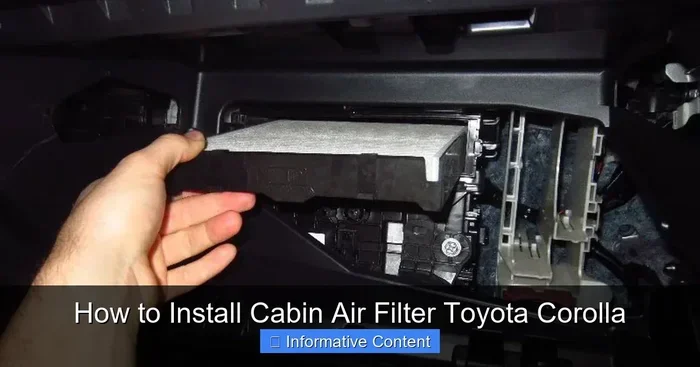
Replacing a Toyota cabin air filter is one of the easiest maintenance tasks you can do at home. Most models place the filter behind the glove box. You usually do not need special tools, and the job often takes less than 15 minutes. A few simple steps can save you time and money.
Common Locations in Popular Toyota Models
The exact spot varies a bit by model and year. Here are the most common locations:
- Corolla and Camry: Behind the glove box, accessible after lowering or removing the glove box stop.
- RAV4 and Highlander: Behind the glove box or under the dashboard on the passenger side, depending on the generation.
- Prius and other hybrids: Often behind the glove box, though some generations use a slightly different layout.
If you are not sure, check your owner manual. You can also search for a quick guide on how to open key fob Toyota or how to open hood of Toyota Camry when you are doing other DIY checks, but the cabin filter itself usually stays inside the cabin area. For model-specific help, see our guide on how to change battery in Toyota Highlander key fob and our general walkthrough on how to change the battery in a Toyota key fob for related DIY confidence.
Simple Step-by-Step Overview
Follow this basic process for most Toyota vehicles:
- Open the glove box: Empty it and remove any stop pegs or dampers that limit how far it swings down.
- Find the filter cover: Look for a rectangular panel on the back or side of the glove box area.
- Remove the cover: Press the clips or unscrew the fasteners, depending on your model.
- Slide out the old filter: Note the airflow direction arrow before you remove it.
- Insert the new filter: Match the arrow direction exactly so air flows the right way.
- Reattach the cover and glove box: Snap everything back into place and test the fan.
Take a quick photo before you remove the old filter. That makes reassembly easier if you forget which way the filter faces.
Choosing the Right Filter
Not all filters perform the same. A basic paper filter traps larger dust and pollen. A higher-quality filter can capture finer particles and sometimes includes an activated carbon layer to reduce odors. If you care about smells, exhaust, or allergens, a carbon-enhanced option can help. Stick with a genuine Toyota part or a trusted aftermarket brand that matches your model year.
Common Mistakes to Avoid
Even a simple job can go sideways if you miss a small detail. Avoid these common errors to keep the replacement smooth and effective.
Installing the Filter Backward
The airflow direction matters. If the arrow points the wrong way, the filter may not seal properly and airflow can drop. Always match the arrow to the direction shown in the housing or manual. A backward filter can also create noise and reduce defrost performance.
Using the Wrong Size or Type
Toyota models use different filter sizes. A filter that is slightly off can leave gaps around the edges. Air will bypass the filter instead of passing through it. Measure carefully or buy by your exact model and year. If you want odor control, choose a carbon-style filter rather than a basic paper one.
Forgetting to Reset or Note the Service
The cabin air filter does not usually trigger a dashboard light. That makes it easy to forget. Write down the date and mileage when you replace it. A simple note on your phone or service log helps you stay on track. If you also handle tasks like how to clear Toyota maintenance light or how to remove maintenance required on Toyota, add the cabin filter to the same service checklist so nothing slips through.
Expert Insights and Seasonal Advice
A cabin air filter is a small part, but it has an outsized effect on comfort. Think of it as the lungs of your ventilation system. When it stays clean, the fan moves air easily, the defroster works better, and the cabin smells fresher. When it clogs, everything feels slower and heavier. A little attention goes a long way.
Best Times of Year to Check the Filter
Two natural checkpoints work well for many drivers. The first is early spring, before pollen counts rise. The second is late fall, after a season of leaves, dust, and wet road spray. If you live in a dry or dusty region, add a midsummer check. If you live in a humid area, watch for odors and moisture buildup.
When to Call a Professional
Most owners can handle this swap in minutes. But if the glove box mechanism feels stuck, the cover clips break, or the filter housing looks damaged, it may be time for help. A technician can also spot related issues if you notice weak airflow after a new filter install. Sometimes the blower motor, cabin fan settings, or ductwork need attention instead of the filter.
Key Takeaways for Toyota Cabin Air Filter Care
A clean cabin air filter keeps your Toyota feeling fresh and breathing well. Use the 15,000 to 30,000-mile range as a baseline, then adjust for dust, pollen, and city driving. Watch for weak airflow, odors, noise, and slow defrosting. Replace the filter yourself when you can, and always match the airflow direction. Keep a simple service note so you do not forget the next check. With these habits, your Toyota stays comfortable mile after mile.
If you want to keep your Toyota maintenance routine simple, pair this task with other easy checks you can do at home. For example, learning how to open key fob Toyota can help when you handle small DIY jobs, and reading up on how to remote start Toyota can make daily use more convenient. A little attention to the cabin air filter and a few related habits keep your car feeling clean, efficient, and ready for the road.
Frequently Asked Questions
How often should I change the cabin air filter in my Toyota?
Most Toyota models do well with a replacement every 15,000 to 30,000 miles or once a year. If you drive in dusty areas or heavy traffic, check it more often. A quick inspection at each oil change is a simple habit.
What happens if I do not change the cabin air filter?
A clogged filter reduces airflow, makes the blower work harder, and can lead to musty odors inside the cabin. It may also slow down defrosting and worsen allergy symptoms. Replacing it restores airflow and freshens the air.
How do I know which cabin air filter fits my Toyota?
Check your owner manual or search by your exact model, year, and trim. Filter sizes vary between models like Corolla, Camry, RAV4, and Highlander. Use a genuine Toyota part or a trusted brand that lists your vehicle specifically.
Can I replace the cabin air filter myself?
Yes, most Toyota cabin air filters are easy to replace at home. The filter usually sits behind the glove box and takes under 15 minutes to swap. Just note the airflow arrow direction before installing the new one.
Does a dirty cabin air filter affect fuel economy?
It does not directly change engine fuel economy, but it can make the blower motor work harder and reduce comfort. The bigger impact is on airflow, odors, and air quality. A clean filter keeps the HVAC system running smoothly.
Why does my Toyota cabin smell musty when I turn on the fan?
A musty smell often points to a damp or dirty cabin air filter. Moisture and trapped debris can create odors over time. Replacing the filter and drying out the system usually clears the smell.