
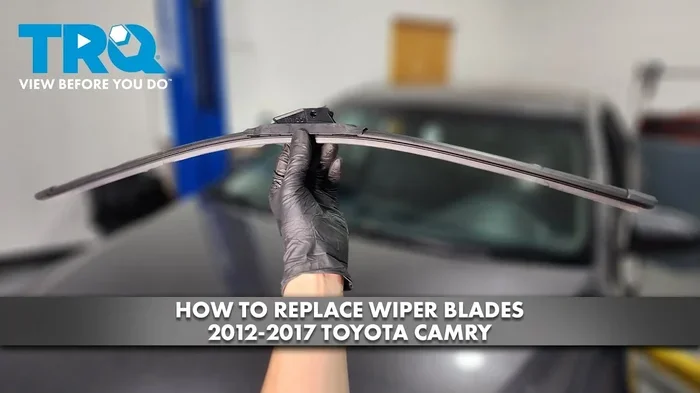
Quick Summary: Replacing worn windshield wipers is one of the simplest car maintenance tasks you can do yourself. This guide shows you exactly how to change wiper blades Toyota Camry models with ease, saving you time and money. You will learn the right blade sizes, step-by-step removal methods, and installation tricks for a perfect fit.
Key Takeaways
- Correct blade size matters: Most Toyota Camry models use a 26-inch driver side blade and a 18-inch passenger side blade, but always verify your exact year.
- Simple removal process: You can swap old blades in under ten minutes without any special tools or mechanical experience.
- Protect your windshield: Always lower the wiper arms gently against a soft towel or microfiber cloth to prevent scratches.
- Match the connector type: Toyota Camry wipers typically use a J-hook or side-lock connection, so buy the correct adapter for your model year.
- Test before driving: Run a quick spray and wipe cycle after installation to check for skipping, streaking, or uneven contact.
- Replace in pairs: Changing both wiper blades at the same time ensures balanced visibility and prevents uneven wear patterns.
- Keep a spare handy: Storing a backup set in your garage or trunk helps you handle sudden storms or unexpected wear.
📑 Table of Contents
- Introduction
- Why You Should Replace Wiper Blades Regularly
- Choosing the Right Wiper Blade Size for Your Camry
- Step-by-Step Guide to Remove Old Wiper Blades
- How to Install New Wiper Blades on a Toyota Camry
- Pro Tips for Better Wiper Performance and Longer Life
- Common Mistakes to Avoid When Changing Wiper Blades
- When to Replace Wiper Blades and How Often to Check Them
- Final Thoughts on How to Change Wiper Blades Toyota Camry
Introduction
Few things feel more frustrating than turning on your wipers during a sudden downpour and watching them smear mud across your windshield. Clear visibility keeps you safe on the road, and fresh rubber blades make a huge difference. If you drive a Toyota Camry, swapping out old wipers is a quick weekend job that anyone can handle.
You do not need a mechanic or expensive equipment to get the job done. A few minutes in your driveway is all it takes to restore crisp, clean wipes. This guide walks you through every step, from choosing the right size to locking the new blades into place. By the end, you will feel confident tackling this simple maintenance task on your own.
Why You Should Replace Wiper Blades Regularly
Wiper blades take a beating every time they touch your windshield. Sun exposure, road grime, temperature swings, and frequent use slowly break down the rubber edge. Once the rubber hardens or develops tiny cracks, it stops sealing properly against the glass. That leads to annoying skips, streaks, and squeaks that block your view.
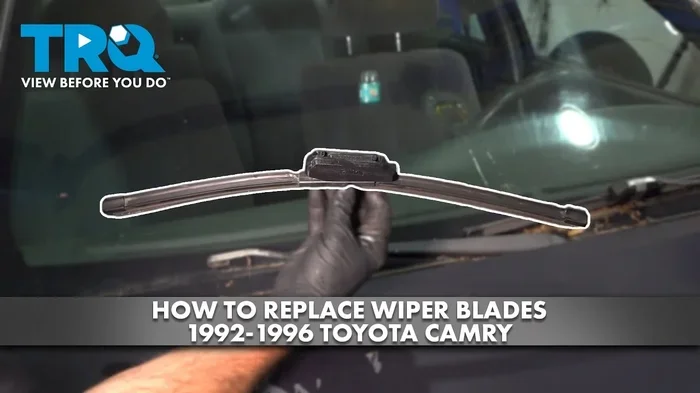
Visual guide about Toyota Camry wiper blade replacement
Image source: i.ytimg.com
Most drivers wait until the blades fail completely before thinking about replacement. That is a risky habit, especially during rainy seasons or winter storms. Fresh blades wipe away water, snow, and road spray with consistent pressure. They also reduce strain on your wiper motor because the arm does not have to push harder to clear the glass.
A good rule of thumb is to inspect your blades every few months. Run your finger along the rubber edge and look for splits, missing chunks, or a rough, uneven surface. If they leave lines on a clean windshield, it is time to swap them out. Catching wear early keeps your commute safer and saves you from emergency replacements in bad weather.
Choosing the Right Wiper Blade Size for Your Camry
Getting the correct size is the first step in this process. Toyota Camry wiper blade sizes vary slightly by model year, but most recent generations use a 26-inch blade on the driver side and an 18-inch blade on the passenger side. Older models sometimes use a 24-inch and 16-inch combination. Always double-check your specific year before ordering, because a blade that is too long can overlap or hit the roofline, while a blade that is too short leaves gaps in your coverage.
You can find your exact size in a few easy ways. Check your owner manual, measure the current blades with a tape measure, or look up your vehicle details on a reputable auto parts website. Many stores also list compatible sizes by Camry generation, which makes shopping much simpler. When in doubt, bring the old blades to the store and compare them side by side.
Blade style matters just as much as length. Traditional frame blades are affordable and widely available. Beam blades offer a sleeker design with even pressure across the entire wipe path. Hybrid blades combine a lightweight frame with a aerodynamic cover for better performance in heavy rain. Pick the style that fits your budget and driving conditions.
Quick Reference: Common Camry Wiper Sizes
Here is a simple comparison to help you narrow down your options. These sizes cover most model years, but always verify for your exact vehicle.
| Model Year Range | Driver Side Blade | Passenger Side Blade | Common Connector Type |
|---|---|---|---|
| 2018-2025 | 26 inches | 18 inches | J-hook or side-lock |
| 2012-2017 | 26 inches | 18 inches | J-hook or side-lock |
| 2007-2011 | 24 inches | 16 inches | J-hook or side-lock |
| 2002-2006 | 24 inches | 16 inches | J-hook or side-lock |
Keep in mind that connector styles can change even when lengths stay the same. Some Camry years use a standard J-hook, while others use a side-lock or pin attachment. Buying a blade kit that includes multiple adapters is a smart move. That way, you get a secure fit without guessing.
Step-by-Step Guide to Remove Old Wiper Blades
Removing the old blades is straightforward once you know the trick. The whole process usually takes just a few minutes per side. Start by parking on a flat surface and turning off the engine. Lift the wiper arm away from the windshield until it locks in an upright position. If your arm does not lock, place a thick towel or folded microfiber cloth beneath it to cushion the glass.
Next, locate the connector at the base of the blade. On most Camry models, you will see a small tab, clip, or locking lever. Press or slide that release mechanism while gently pulling the blade downward and away from the arm hook. Do not yank or force it, because the arm pivot can snap back and crack the windshield. A steady, controlled motion works best.
If you have a J-hook style arm, the blade should slide right off once the clip releases. For side-lock or pin-style connections, you may need to push a tiny button or rotate a locking ring. Take your time and watch how the old blade separates. This helps you understand exactly how the new one will attach later.
Protect Your Windshield During Removal
Windshield safety matters during this step. Wiper arms are spring-loaded, and they can flip down with surprising force if you lose your grip. Always keep one hand on the arm while you detach the blade. If you need to set the arm down, rest it on a soft pad rather than letting the metal edge touch the glass.
A clean workspace also helps. Wipe away dirt and debris around the base of the wiper arm before you begin. That prevents grit from falling into the mechanism or scratching the glass when you move the arm around. A little preparation goes a long way toward a smooth replacement.
How to Install New Wiper Blades on a Toyota Camry
Installation is basically the reverse of removal, but a few details make the job easier. Start by checking that your new blades match the correct side and connector type. Lay the old blades aside and line up the new ones with the wiper arms. If the kit includes adapters, choose the piece that fits your Camry arm and snap it onto the blade connector first.
Lift the wiper arm again and align the blade connector with the hook or locking point. Slide the blade onto the arm until you feel it seat firmly. For J-hook designs, the blade should click or lock into place with a small tug test. For side-lock systems, push the connector until the latch engages, then confirm that it will not slide off.
Once both blades are attached, gently lower the arms back onto the windshield. Make sure they rest evenly and do not bind against the glass. Run your hand along the rubber edge to verify that the blade sits flat and centered. If anything looks crooked, lift the arm again and reposition it before you move on.
Test the Wipers Before You Hit the Road
A quick test saves you from discovering a bad fit in the middle of a storm. Turn on your vehicle and spray a little washer fluid on the windshield. Activate the wipers on a low setting and watch how they move across the glass. They should sweep smoothly without chattering, skipping, or leaving thick streaks.
If you notice uneven contact, stop and inspect the installation. The blade may be seated slightly off-center, or the adapter may not be fully locked. Adjust it carefully and test again. A few seconds of checking now can prevent a frustrating drive later.
Pro Tips for Better Wiper Performance and Longer Life
New blades work best when your windshield is clean. Grease, road film, and tree sap can wear down rubber quickly and cause smearing. Wash the glass with a good glass cleaner and a soft microfiber towel before you install fresh blades. That simple step helps them grip the surface evenly and last longer.
You can also extend blade life by wiping the rubber edge occasionally with a damp cloth. This removes dust and light residue that build up during normal driving. Avoid using harsh chemicals or abrasive pads, because they can damage the rubber. A gentle wipe every few weeks keeps the edge flexible and clean.
Parking habits matter too. Whenever possible, park in the shade or use a windshield cover during hot weather. Direct sun heats the rubber and speeds up cracking. In freezing conditions, lift the wiper arms slightly if your vehicle allows it, or use a de-icing spray before turning the wipers on. Forcing frozen blades across a cold windshield can tear the rubber or strain the arm.
Quick Tips for Smarter Wiper Care
- Clean the glass regularly: A clear windshield reduces friction and helps blades glide smoothly.
- Wipe the rubber edge: A damp cloth removes grime and slows premature wear.
- Use washer fluid before wiping: Wet the surface first so the blades do not drag dry debris.
- Replace in pairs: Matching both sides keeps your view balanced and consistent.
- Store spares properly: Keep backup blades in a cool, dry place to protect the rubber.
Common Mistakes to Avoid When Changing Wiper Blades
Even a simple job can go sideways if you rush. One common mistake is buying the wrong size and forcing it to fit. That can cause the blade to overlap the roofline, miss part of the glass, or put extra stress on the arm. Always confirm the length and connector type before you buy.
Another frequent error is letting the wiper arm snap back against the windshield. The spring tension is strong enough to chip or crack the glass if the arm lands hard. Use a towel or pad as a buffer, and lower the arm slowly after the blade is attached. A careful touch prevents expensive damage.
People also forget to test the wipers after installation. A blade can look correct but still skip or chatter if the adapter is not fully seated. Always run a quick spray-and-wipe check before you drive. That small step catches problems early and gives you peace of mind.
Common Mistakes Checklist
- Skipping size verification: Guessing the blade length often leads to poor coverage.
- Forcing the connector: Pushing too hard can damage the arm or blade latch.
- Ignoring the adapter: Using the wrong attachment style can make the blade loose or unstable.
- Skipping the test run: A missed check can leave you with streaks during your first rainy drive.
- Dropping the arm on the glass: A hard landing can scratch or crack the windshield.
When to Replace Wiper Blades and How Often to Check Them
There is no single expiration date for wiper blades, because climate and usage vary so much. In sunny, dry regions, the rubber may last longer, but heat still causes gradual hardening. In rainy or snowy areas, frequent use and road spray wear the edge faster. A practical approach is to inspect the blades every few months and replace them once performance drops.
Many drivers find that replacing blades once a year works well, especially before the wet season. If you notice chattering, streaking, or visible cracks earlier, swap them out right away. It is better to change them a little early than to struggle with poor visibility when you need it most. If you want to stay ahead of other maintenance tasks, you can also learn how to change cabin air filter Toyota Camry so your interior air stays fresh between service visits.
Keep an eye on seasonal changes too. Winter conditions can be especially rough on rubber, and summer heat can dry it out. If you live in a place with harsh winters, consider a mid-winter inspection. A quick check after heavy snow or ice storms helps you catch damage before it gets worse.
Final Thoughts on How to Change Wiper Blades Toyota Camry
Replacing your wipers is one of the easiest ways to improve daily driving safety. Once you know how to change wiper blades Toyota Camry owners can do it in minutes, you will never dread a rainy commute again. The process is simple, the parts are affordable, and the results show up immediately in clearer visibility.
Take your time, match the correct size, and protect the windshield while you work. Test the new blades before you drive, and keep up with regular glass cleaning for the best performance. With a little care, your Camry wipers will handle everything from light drizzle to heavy storms with confidence.
Frequently Asked Questions
What size wiper blades does a Toyota Camry need?
Most Toyota Camry models use a 26-inch driver side blade and an 18-inch passenger side blade, though older years may use 24-inch and 16-inch sizes. Always check your owner manual or measure the old blades to confirm the exact fit for your vehicle.
Do I need any tools to change wiper blades on a Camry?
Usually, no special tools are required. You can remove and install most Camry wiper blades by hand once you release the connector latch. A towel or microfiber cloth is helpful for protecting the windshield while you work.
How do I know if my wiper blades need replacing?
If your wipers streak, skip, squeak, or leave visible lines on a clean windshield, the rubber is likely worn out. You may also see cracks, splits, or a rough edge when you inspect the blade closely. Replacing them early helps maintain clear visibility.
Can I replace just one wiper blade instead of both?
You can, but replacing both blades is usually the better choice. Matching the driver and passenger sides gives you balanced wiping performance and avoids uneven streaking. If one blade failed, the other is probably near the end of its life too.
Why do my new wiper blades chatter or skip on the glass?
Chatter often happens when the blade is not seated correctly, the adapter is loose, or the windshield is dirty. Clean the glass thoroughly and check that the connector is fully locked in place. If the problem continues, the blade may not be the right size or style for your Camry.
How often should I replace my Toyota Camry wiper blades?
Many drivers replace wiper blades once a year, especially before the rainy season or winter weather. In harsher climates, you may need to change them more often if you notice reduced performance. Regular inspections every few months help you spot wear early.