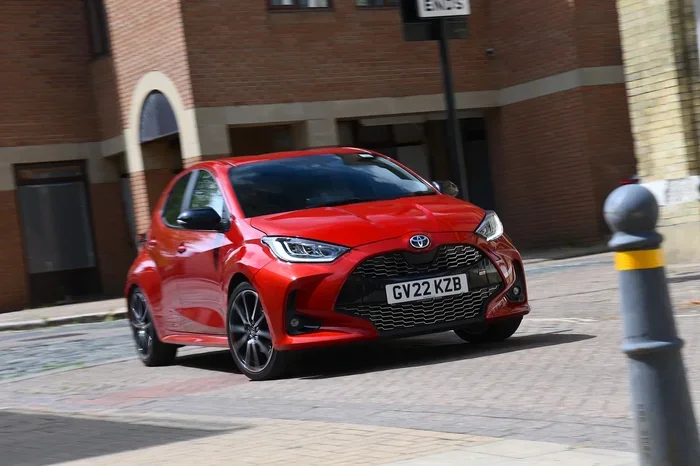

The Toyota Yaris is a good car if you want a compact, fuel-efficient hatchback that is easy to park and cheap to run. It shines in city driving, offers solid reliability, and keeps maintenance costs low for most owners. However, it may feel cramped on long trips and lacks some premium features you might expect at this price. If your priority is everyday practicality, the Yaris is a smart, budget-friendly choice.
If you are asking is a Toyota Yaris a good car for your next purchase, you are not alone. Small hatchbacks have become popular again because they save money, fit easily in tight spots, and do a great job in busy cities. The Yaris has a long history of being practical, dependable, and simple to live with. In this guide, we will break down what makes this compact car tick, where it shines, and where it may fall short. You will walk away with a clear idea of whether this hatchback matches your daily needs.
We will look at fuel economy, reliability, safety, comfort, driving feel, and ownership costs. We will also compare trim levels, explore common buying mistakes, and share expert tips to help you choose wisely. Whether you are a first-time buyer, a city commuter, or someone who just wants a low-cost second car, this review will help you decide. Let’s start with the basics and build from there.
Key Takeaways
- Fuel economy is excellent: The Yaris delivers strong MPG figures, making it ideal for stop-and-go city driving.
- Reliability is a major strength: Toyota’s build quality and powertrain durability help keep long-term repairs minimal.
- Compact size aids maneuverability: A small footprint makes parking and tight turns much easier in urban areas.
- Safety features vary by model year: Check for active braking, lane support, and airbag coverage before buying.
- Interior space is limited: Rear seat room and cargo capacity are modest, so test with your usual cargo.
- Ownership costs stay low: Affordable parts, simple mechanics, and good resale value support a strong total cost of ownership.
- Best fit is city-focused drivers: Commuters and first-time buyers benefit most, while frequent highway travelers may want more space.
📑 Table of Contents
- Why the Toyota Yaris Is a Good Car for City Driving
- Reliability and Long-Term Ownership of the Toyota Yaris
- Safety Features and Crash Protection in the Toyota Yaris
- Comfort, Space, and Interior Practicality
- Buying Guide: Trim Levels, Value, and Model Year Choices
- Ownership Costs, Resale, and Total Value
- Final Verdict: Is a Toyota Yaris a Good Car for You
Why the Toyota Yaris Is a Good Car for City Driving
City life can be tough on cars. You stop often, park in tight spaces, and spend a lot of time in traffic. A small, efficient hatchback like the Yaris is built for exactly this kind of routine. Its short length makes it easy to park. Its tight turning circle helps you navigate narrow streets and sharp corners. The cabin is simple, so you can focus on driving without distractions. If your daily route includes school runs, errands, and short commutes, this car can feel like a perfect fit.
The Toyota Yaris also tends to feel nimble at low speeds. You do not need a large engine to move quickly through urban traffic. A smaller motor can still deliver smooth acceleration when you need it. Many drivers appreciate how easy it is to judge the car’s size when squeezing into a crowded lot. That confidence matters on busy mornings and rainy evenings. If you want a car that makes city life less stressful, the Yaris is worth a close look.
Maneuverability and Parking Benefits
A compact car is only useful if it is easy to live with every day. The Yaris helps in several practical ways. Its short front and rear overhangs reduce the chance of scraping curbs. The windows offer decent visibility, which helps during tight turns and reverse parking. Many owners also like the low step-in height, since it makes getting in and out simple. These small details add up over time.
Here are a few practical advantages that matter in daily use:
- Easy parallel parking: A shorter wheelbase helps you fit into narrow spaces.
- Better sightlines: Thin pillars and a low hood make pedestrians and cyclists easier to spot.
- Simple loading: A hatchback layout lets you drop items in quickly without folding seats.
- Low-speed confidence: Light steering and a small footprint make slow maneuvers feel relaxed.
Fuel Economy and Running Costs
One of the biggest reasons people ask is a Toyota Yaris a good car is fuel efficiency. Small cars usually sip fuel rather than gulp it. That matters when gas prices rise or when you drive many short trips each week. The Yaris is designed to keep energy use low, especially in stop-and-go traffic. Gentle throttle use and steady cruising can make a noticeable difference in real-world consumption.
Running costs go beyond fuel, too. Insurance can be reasonable for a small hatchback. Maintenance is often straightforward because the mechanical layout is simple. Tires, brakes, and routine service parts are commonly available. If you like the idea of keeping monthly expenses predictable, this kind of car can help you stay on budget.
- City commuting: Short trips often use less fuel when the car is light and efficient.
- Smooth habits: Gradual acceleration and early braking help stretch each tank.
- Regular service: Clean filters and proper tire pressure support better efficiency.
- Seasonal care: Cold weather can affect mileage, so plan routes and warm up wisely.
Reliability and Long-Term Ownership of the Toyota Yaris
Reliability is a huge part of the ownership story. People want a car that starts every morning, handles routine use without drama, and does not demand constant repairs. Toyota has a strong reputation for durable engineering, and the Yaris benefits from that approach. Many owners report that the car stays usable for years with regular care. That does not mean it never needs service, but it usually rewards steady maintenance.
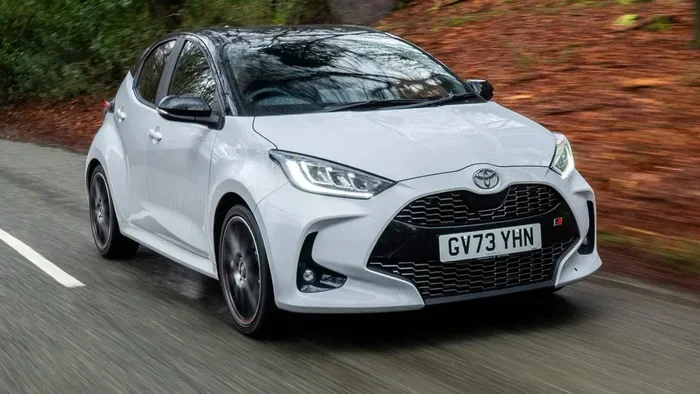
Visual guide about Toyota Yaris car review
Image source: topgear.com
When thinking about is a Toyota Yaris a good car for long-term use, it helps to look at the whole picture. A reliable powertrain is important. So is the quality of interior materials, electronics, and corrosion protection. The Yaris is not a luxury product, so do not expect premium soft-touch surfaces everywhere. Still, it aims to be solid where it counts. If you like cars that keep doing their job without fuss, this is a sensible option.
Powertrain Durability and Maintenance
A simple powertrain can be a real advantage. Fewer complicated parts often means fewer things to go wrong. Regular oil changes, belt inspections, brake checks, and tire rotations help the car stay healthy. If you hear unusual noises or notice changes in braking or acceleration, it is smart to check them early. Small issues are usually cheaper to fix than big ones.
Quick Tips for longevity:
- Follow the schedule: Use the recommended service intervals for your model year.
- Use the right fluids: Correct oil and coolant help protect the engine and transmission.
- Watch for leaks: Puddles or stains under the car can signal early problems.
- Keep tires balanced: Even wear improves comfort, safety, and fuel use.
Common Issues to Watch For
No car is perfect, and it is smart to know what can bother owners. Some Yaris models have had complaints about interior noise, seat comfort, or small control buttons. Others may show wear in frequently used parts like door handles, window switches, or infotainment controls. These are not always major failures, but they can affect daily enjoyment. A careful inspection before buying can save you frustration later.
Common Mistakes to avoid:
- Skipping the test drive: A short drive can reveal noise, vibration, or visibility issues.
- Ignoring service records: A well-documented history is often more valuable than a low price.
- Overlooking tire condition: Worn tires affect safety and fuel economy right away.
- Assuming all trims are equal: Features and equipment can vary a lot between versions.
Safety Features and Crash Protection in the Toyota Yaris
Safety matters whether you drive across town or across the country. The Yaris includes the kind of protection you would expect from a modern small car. Airbags, seatbelts, and a structured cabin help protect occupants in a crash. Many versions also offer active safety aids that can reduce the chance of an accident in the first place. The exact package depends on model year and trim, so it pays to compare carefully.
If you are still wondering is a Toyota Yaris a good car for a family or new driver, safety features can tip the scale. Automatic emergency braking, lane support, and blind-spot alerts are useful when traffic gets busy. Even basic stability control and traction help matter in wet or slippery conditions. A safe car is not just about ratings; it is about how confidently it handles real-world risks.
Active and Passive Safety Overview
Safety systems generally fall into two groups. Passive systems protect you during a crash. Active systems help you avoid one. The Yaris can include both, depending on the specification. It is a good idea to check which features are standard and which are optional. That way, you know exactly what you are getting before you sign anything.
What to look for:
- Airbag coverage: Front, side, and curtain airbags can improve occupant protection.
- Braking aids: Emergency braking support may help in sudden traffic situations.
- Driver assists: Lane warnings and cruise control features can reduce fatigue.
- Visibility tools: Mirrors, lights, and camera systems help you see more of the road.
Best Safety Practices for Small Cars
A small car can be safe and practical if you use it wisely. Keep a safe following distance. Stay alert at intersections. Do not rely only on electronic aids to do the driving for you. Good habits matter just as much as hardware. If you are teaching a new driver, a manageable car like the Yaris can be a confidence-building choice when paired with careful instruction.
- Scan ahead: Look further down the road to react earlier.
- Adjust mirrors well: Reduce blind spots before every trip.
- Slow for weather: Rain, wind, and wet pavement call for gentler inputs.
- Secure cargo: Loose items can become hazards during sudden stops.
Comfort, Space, and Interior Practicality
Comfort is personal. Some people care most about seat support. Others want quiet roads, easy controls, and enough room for daily cargo. The Yaris is built as a small hatchback, so it is best at being practical rather than luxurious. The cabin is easy to enter, the controls are usually straightforward, and the layout makes sense for everyday use. If you mainly carry one or two people, it can feel quite livable.
If you often travel with adult passengers in the back, you should test the rear space carefully. Legroom and headroom can feel tight in a car this size. The same goes for long items like strollers, sports gear, or work equipment. The hatchback opening helps, but total capacity is still modest. Thinking honestly about your usual passenger and cargo needs will help you decide if the Yaris fits your life.
Seats, Ride Quality, and Everyday Usability
Seat comfort can make or break a small car. Support matters on longer drives, while cushioning matters in daily traffic. The Yaris generally aims for a balanced feel rather than plush softness. That can be a good thing if you prefer a car that feels stable and easy to control. Ride quality also depends on road conditions and tire choice, so a test drive on familiar streets is useful.
Expert Insights for comfort:
- Try your usual routine: Drive the car on routes you take often, not just a short showroom loop.
- Check reach and vision: Make sure the seat and steering position feel natural.
- Test storage areas: Open the glovebox, door pockets, and center console while you are in the cabin.
- Listen for noise: Pay attention to wind, road, and engine sounds at different speeds.
Cargo Space and Daily Load Handling
A hatchback can be surprisingly useful if you use it well. The rear seats may fold to expand space for larger items. That flexibility is one of the Yaris’s practical strengths. Still, the total volume is limited compared with bigger crossovers or wagons. If you need to carry bulky gear regularly, measure your items before you buy. A quick fit test can prevent regret later.
Practical examples:
- Groceries: A few bags fit easily, but large weekly shops may fill the space fast.
- Work tools: Small toolkits and boxes usually fit, while larger equipment may not.
- Travel items: Backpacks and carry-on bags are manageable for short trips.
- Pet travel: Small dogs can travel comfortably, but larger pets need more room.
Buying Guide: Trim Levels, Value, and Model Year Choices
Choosing the right version matters almost as much as choosing the car itself. Trim levels can change the look, comfort, and safety package. A base model may be perfectly fine for a budget-minded buyer. A higher trim may add useful technology or driver aids. If you are wondering is a Toyota Yaris a good car for your budget, compare the features you truly need against the extra cost of upgrades.
Model year can also matter. Newer versions often improve infotainment, safety, and refinement. Older versions may cost less but can lack some modern conveniences. The best choice depends on how long you plan to keep the car and what you value most. A well-maintained used example can be a smart buy if the price is right and the condition is solid.
Trim Levels and Feature Differences
It helps to think in terms of priorities. If you care about technology, look for better screens, connectivity, and audio features. If you care about safety, focus on braking aids, lane support, and airbag coverage. If you care about style, exterior colors, wheels, and interior finishes may matter more. The right trim is the one that matches your priorities without paying for features you will not use.
Key features to compare:
- Infotainment: Screen size, phone pairing, and ease of use can vary.
- Driver aids: Some trims include more assistance features than others.
- Wheels and styling: Larger wheels may look sharper but can change ride feel.
- Comfort items: Climatic controls, seat materials, and storage details may differ.
Used vs New: What Makes Sense for You
A new car gives you the latest design and a full warranty. A used car can offer better value and lower upfront cost. Both paths can work, depending on your situation. If you want peace of mind and the latest features, a newer model may be worth it. If you want to minimize depreciation and keep costs down, a reliable used example can be a very sensible pick.
Quick Tips for buying:
- Set a real budget: Include insurance, fuel, service, and registration in your total cost.
- Check condition closely: Look for paint damage, rust, tire wear, and fluid leaks.
- Verify features: Confirm that advertised systems are actually present and working.
- Negotiate with knowledge: Use service history and market prices to support your offer.
Ownership Costs, Resale, and Total Value
A car is not just its sticker price. You also need to think about insurance, fuel, service, tires, and eventual resale. The Yaris usually scores well in this area because it is small, efficient, and mechanically straightforward. That can make it easier to run than larger or more complex vehicles. If you like keeping your motoring costs under control, this is one of the strongest points in its favor.
When people ask is a Toyota Yaris a good car from a value perspective, they often want to know what happens after purchase. Will parts be easy to find? Will the car hold its value reasonably well? Will routine care stay affordable? In many cases, the answers are encouraging. Of course, your exact costs depend on how you drive, where you live, and which model year you choose.
Insurance, Fuel, and Routine Expenses
Insurance costs can vary a lot by driver profile and location. Small cars sometimes attract lower premiums, but that is not guaranteed. Fuel spending depends heavily on your commute and driving style. A calm, steady driver can keep consumption low. Routine service also matters because simple maintenance is usually easier on the wallet than major repairs.
What affects total cost:
- Driving distance: More miles usually mean more fuel and more wear.
- Driving style: Hard braking and rapid acceleration increase costs over time.
- Local prices: Labor rates and parts availability differ by region.
- Care habits: Regular checks often prevent expensive surprises later.
Resale Appeal and Long-Term Value
Resale value is influenced by reputation, condition, mileage, and demand. A car known for reliability and low running costs often stays attractive in the used market. The Yaris has that kind of appeal for commuters and budget buyers. If you keep the car in good shape and document its care, you may find it easier to sell or trade in later. That can soften the total cost of ownership.
Common Mistakes that hurt value:
- Poor maintenance records: Missing history can make buyers cautious.
- Neglected tires or brakes: Wear items can reduce confidence in the car’s condition.
- Excessive wear inside: Tears, stains, and damaged controls can lower perceived value.
- Unreported issues: Hiding problems usually creates more trouble during resale.
Final Verdict: Is a Toyota Yaris a Good Car for You
So, is a Toyota Yaris a good car? For many people, the answer is yes. It is a practical, efficient, and generally dependable option for city driving, short commutes, and budget-conscious ownership. It makes daily life easier when space needs are modest and efficiency matters. It may not be the best choice if you need lots of rear room, long-distance luxury, or heavy towing capability. But for the right buyer, it offers strong everyday value.
The smartest way to decide is to match the car to your real routine. Think about passengers, cargo, fuel budget, and the features you actually use. Test drive more than one trim if you can. Compare a newer model with a well-kept used one. If the Yaris fits your needs, it can be a very satisfying small car to live with.
Who Should Buy the Toyota Yaris
This hatchback is especially appealing to commuters, students, and buyers who want a simple second car. It also works well for anyone who values easy parking and low running costs. If your driving is mostly urban or suburban, the Yaris can feel like a very natural fit.
- City drivers: Short trips and tight streets are where this car feels strongest.
- Budget-focused buyers: Low running costs can make ownership easier to manage.
- First-time owners: A manageable size can build confidence behind the wheel.
- Practical households: A second car for errands and local travel can be a smart role for it.
Who May Want to Look Elsewhere
Some buyers will be better served by a larger hatchback, a sedan, or a compact SUV. If you regularly carry adults in the back or haul bulky gear, the Yaris may feel too small. If you spend long hours on highways, you may prefer a car with a more relaxed ride and more cabin space. Knowing your limits before buying is the best way to stay happy with your choice.
- Frequent highway travelers: More space and a steadier cruise may suit you better.
- Large-family needs: Extra passengers may be cramped in a small hatchback.
- Heavy cargo users: Big equipment or regular hauling may need a larger vehicle.
- Comfort-first buyers: If softness and quietness matter most, compare other options.
Key Takeaways
Before you buy, remember the essentials. The Yaris is compact, efficient, and generally easy to own. It is strongest for city use and sensible budgets. It is less ideal for big families, long highway stretches, or heavy cargo needs. Check the trim, test the space, and look closely at condition. If it lines up with your life, the Yaris can be a very worthwhile choice.
If you want a car that keeps things simple, saves fuel, and fits into tight daily routines, this hatchback deserves a serious look. The best purchase is the one that matches your real-world needs, not just the one with the flashiest features. Take your time, drive it carefully, and choose with your everyday routine in mind.
Frequently Asked Questions
Is a Toyota Yaris a good first car?
Yes, it can be a very good first car because it is small, easy to park, and usually affordable to run. Just make sure the trim you choose includes the safety and comfort features you want.
How fuel-efficient is the Toyota Yaris?
It is generally efficient for a small hatchback, especially in city driving and short trips. Real-world fuel use still depends on your driving style, route, and model year.
Is the Toyota Yaris safe for daily commuting?
It offers a practical mix of passive and active safety features, though the exact equipment depends on the trim and model year. Check for braking aids, airbag coverage, and driver assistance features before buying.
Does the Toyota Yaris have enough space for everyday use?
It is best for solo drivers, couples, or small families with modest cargo needs. If you often carry adults in the back or need to store bulky items, test the space carefully.
What should I check before buying a used Toyota Yaris?
Look at service records, tire condition, brake wear, fluid leaks, interior wear, and whether the advertised features actually work. A thorough test drive can reveal noise, handling, or comfort issues early.
Is the Toyota Yaris worth buying in 2024 or later?
It can be worth buying if you want a practical, low-cost hatchback for city life and light daily use. Compare newer and used examples to see which gives you the best balance of features, condition, and price.