
Is the Toyota paint recall expired? The answer depends on your specific vehicle model, production date, and the recall campaign number. Many Toyota paint recalls remain active for years, and owners may still qualify for free repairs or touch-up kits. Checking your VIN on the official Toyota recall portal is the fastest way to confirm your status. Don’t assume your warranty has lapsed without verifying first.
Key Takeaways
- Recall timelines vary by campaign: Not all Toyota paint recalls share the same expiration date or eligibility window.
- Your VIN is the key: The vehicle identification number determines exactly which recalls apply to your car.
- Warranty and recall coverage differ: A standard warranty may expire, but recall repairs often remain available longer.
- Check official sources first: Toyota’s recall lookup tool and the NHTSA database provide the most accurate information.
- Act quickly if eligible: Schedule repairs early to avoid delays, parts shortages, or dealership backlogs.
- Keep records of all communications: Save emails, repair orders, and recall notices for future reference.
- Consult experts when unsure: Certified technicians and Toyota representatives can clarify your specific situation.
📑 Table of Contents
- Understanding the Toyota Paint Recall Issue
- How to Check If Your Toyota Paint Recall Is Still Active
- Is the Toyota Paint Recall Expired or Still Covered
- What the Paint Recall Repair Process Looks Like
- Common Signs Your Toyota May Be Affected
- How to Protect Your Toyota Paint After a Recall Check
- Expert Tips for Navigating Toyota Recall Coverage
- Key Takeaways for Toyota Paint Recall Owners
Understanding the Toyota Paint Recall Issue
When you hear about a Toyota paint recall, you might wonder if it still applies to your car. Paint defects can affect both appearance and long-term protection. A flawed clear coat or uneven finish may peel, fade, or chip sooner than expected. That is why manufacturers issue recall campaigns to fix these problems before they worsen.
Toyota has addressed several paint-related concerns over the years. Some campaigns focus on specific model years. Others target certain assembly plants or paint batches. The details matter because not every Toyota vehicle falls under the same recall. You need to match your car’s information with the official campaign guidelines.
It helps to understand how recalls work. A recall is a formal notice that a safety or quality issue exists. The manufacturer then offers a repair, replacement, or refund. In many cases, the repair is free for eligible owners. That is the key point many drivers miss. A recall is not the same as a routine warranty claim. It is a separate program with its own rules.
If you are asking is the Toyota paint recall expired, the answer starts with your vehicle’s identity. Your model, trim, production date, and VIN all play a role. A recall may cover cars built during a specific window. It may also exclude vehicles that received a different paint process. That is why generic answers rarely help.
Here is what you should remember right away:
- Paint recalls often target a limited range of vehicles.
- Eligibility depends on the campaign number and VIN.
- Free repairs may still be available even if your warranty is older.
- Official recall lookup tools are the best starting point.
How to Check If Your Toyota Paint Recall Is Still Active
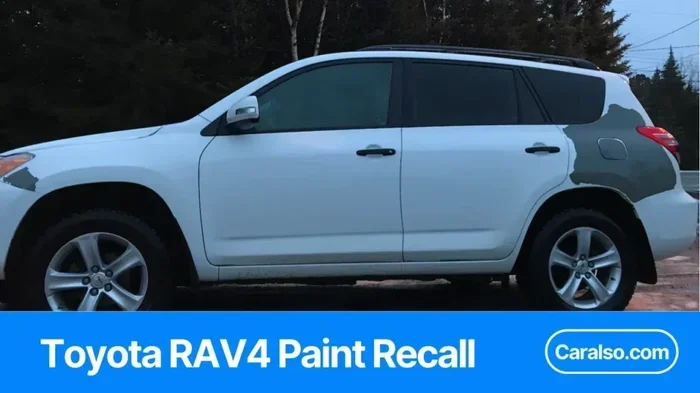
Visual guide about Toyota paint recall eligibility
Image source: caralso.com
The fastest way to check your status is to use your VIN. This number is unique to your vehicle. It tells the system exactly which car you own. Once you enter it, the recall database can show any open campaigns.
You can usually find your VIN on the dashboard near the windshield. It also appears on the driver-side door jamb and on your registration documents. Keep it handy before you start your search. That saves time and avoids confusion.
Start with Toyota’s official recall lookup page. Enter your VIN and review the results. If a paint-related campaign appears, read the details carefully. Look for the affected model years, the issue description, and the recommended remedy. Some recalls offer a repaint, while others provide a touch-up solution or a protective fix.
You can also check the National Highway Traffic Safety Administration database. This is a useful backup source. It often lists recall campaigns by manufacturer and vehicle type. If you see a match, compare the information with Toyota’s own notice. That helps confirm the campaign is legitimate and current.
When checking, pay attention to these details:
- The recall campaign number
- The affected production dates
- The specific paint issue described
- Whether the remedy is still available
- Any required documentation or eligibility steps
If the system says your vehicle is not affected, that is helpful too. It means your car either was not part of that campaign or the issue was already addressed. Still, if you notice peeling, fading, or rough paint, it is worth asking a dealership to inspect it. Sometimes a visual problem needs a closer look.
Is the Toyota Paint Recall Expired or Still Covered
This is the big question many owners ask. The truth is that recall expiration depends on the campaign. Some recalls have a clear end date. Others stay open until the repair is completed or parts are no longer available. That means a recall can remain active even after several years.
A Toyota paint recall may still be covered if the campaign has not been closed. In many cases, the manufacturer continues to honor the repair for eligible vehicles. The main limit is often parts availability or service capacity. If the needed materials are still in stock, owners may still qualify.
Warranty status can be confusing here. A basic vehicle warranty may have expired long ago. That does not automatically end a recall. Recalls are usually separate from the standard warranty package. They respond to a known defect, not general wear and tear. So even an older Toyota can sometimes receive recall service.
There are a few common situations to understand:
- Open recall: The campaign is still active, and eligible owners can request the fix.
- Completed recall: The issue has been addressed for your VIN, or the campaign has ended.
- Parts on hold: The repair is still valid, but service may be delayed due to parts waiting time.
- No match found: Your vehicle is not listed under that specific campaign.
If you are unsure, do not guess. Contact a Toyota dealership with your VIN ready. Ask them to check the recall status directly. They can often see campaign details that are not obvious online. This is especially helpful if you bought a used Toyota and do not know its service history.
What the Paint Recall Repair Process Looks Like
If your vehicle qualifies, the repair process is usually straightforward. The dealership inspects the paint issue and confirms the campaign applies. Then they perform the approved fix. In some cases, that means spot repair. In others, it may involve a larger refinishing process.
The exact steps depend on the recall type. Some paint recalls focus on the clear coat. Others address color mismatch, peeling, or adhesion problems. The service team follows the manufacturer’s instructions. That keeps the repair consistent and proper.
Before you visit, gather the basics:
- Your VIN
- Your driver’s license
- Your vehicle registration
- Any recall notices you received
- Records of previous paint service, if available
At the dealership, the technician will verify the concern. If the recall applies, they will schedule the repair. Sometimes you can drive away the same day. Other times, the vehicle may need more time, especially if the repair involves drying or curing. Ask about the estimated timeline before you leave the car.
It is also smart to ask about rental options or shuttle service if the repair takes longer. Many dealerships offer support for recall customers. That can make the visit much easier. If you have a busy schedule, plan ahead and book an appointment.
Common Signs Your Toyota May Be Affected
Not every paint problem is a recall issue. Normal scratches, stone chips, and weather damage happen to all cars. But there are some patterns that may point to a manufacturing defect. If you notice these signs, it is worth checking your recall status.
Look for these common indicators:
- Clear coat peeling or flaking in multiple areas
- Paint that feels rough or uneven on large panels
- Color fading that seems unusual for the vehicle’s age
- Paint chipping beyond normal road damage
- Inconsistent finish between panels or body parts
These signs do not guarantee a recall applies. They simply suggest the paint may need attention. A dealership inspection can tell you whether the issue is cosmetic, environmental, or connected to a campaign. That distinction matters because the remedy will be different in each case.
If you have a newer Toyota, the paint may still be under warranty coverage. If the car is older, the issue may be related to aging or exposure. Either way, getting a professional opinion helps. It prevents you from assuming the worst or ignoring a real problem.
How to Protect Your Toyota Paint After a Recall Check
Once you know your recall status, the next step is protection. Even if your car is not part of a recall, good paint care matters. A solid maintenance routine helps preserve the finish and reduces future issues.
Start with regular washing. Use a gentle car wash soap and a soft mitt. Avoid harsh scrubbing, especially on older paint. Rinse thoroughly and dry with a clean towel. This simple habit removes dirt and contaminants that can damage the surface over time.
Consider these protection tips:
- Wax or seal the paint every few months
- Park in shade or use a car cover when possible
- Clean bird droppings and tree sap quickly
- Avoid automatic brushes that may swirl the finish
- Use microfiber towels for drying and wiping
If your Toyota did receive a recall repair, follow the dealership’s aftercare advice. Some refinishing work needs extra care during the first days or weeks. That may include avoiding heavy washing, high-pressure spray, or prolonged sun exposure. Small precautions can help the repair last longer.
You should also keep an eye on the repaired area. If you notice new peeling, discoloration, or texture changes, report it. Early attention is always better than waiting. A small issue can sometimes be corrected before it becomes bigger.
Expert Tips for Navigating Toyota Recall Coverage
When dealing with any recall, a calm and organized approach works best. Keep your documents in one place. Track your VIN lookup results. Save any emails or letters from Toyota or the dealership. These records make the process smoother.
Here are a few expert-friendly habits:
- Check recall status at least once a year
- Verify recall information after buying a used Toyota
- Ask for written confirmation after any recall repair
- Compare dealership advice with official recall notices
- Follow up if parts delays affect your service appointment
It also helps to understand that recall service can be busy. Popular campaigns may create appointment backlogs. If you find an open recall, book early. That gives you a better chance of getting a convenient time slot.
If you feel stuck, ask clear questions. For example, ask whether the campaign is still open, whether your VIN qualifies, and what the repair involves. Direct questions often lead to clearer answers. That saves time and reduces frustration.
Key Takeaways for Toyota Paint Recall Owners
If you are still wondering is the Toyota paint recall expired, the safest answer is to verify instead of assume. Recall status depends on your vehicle and the specific campaign. Some recalls remain open for a long time. Others have already ended. Only an official check can tell you for sure.
The most important steps are simple. Find your VIN. Check the official recall lookup tool. Review the campaign details. Then contact the dealership if you qualify. If you do not qualify, you still gain peace of mind. That is valuable either way.
A little attention now can save trouble later. Paint issues are easier to manage when you catch them early. Whether your Toyota needs a recall repair, routine care, or just a clear answer, the process starts with accurate information.
Frequently Asked Questions
Is the Toyota paint recall expired for older vehicles?
It depends on the specific recall campaign and your vehicle’s VIN. Some paint recalls remain open for many years, while others have already ended. The best way to know is to check the official recall lookup with your VIN.
How do I know if my Toyota is part of a paint recall?
Enter your VIN on Toyota’s recall lookup page or check the NHTSA database. If your vehicle is affected, the system will show the campaign details and recommended repair. If no match appears, your car may not be included.
Can I still get a free paint recall repair if my warranty expired?
Often yes, because recall coverage can be separate from the standard warranty. If the campaign is still open and your VIN qualifies, the repair may still be available. Confirm the details with a dealership to be sure.
What should I do if my Toyota has peeling paint but no recall shows up?
Schedule a dealership inspection to identify the cause. Peeling paint can come from a recall, but it can also result from age, exposure, or previous damage. A professional check helps determine the right fix.
How long does a Toyota paint recall repair usually take?
The time varies based on the repair type and dealership schedule. Some fixes are quick, while others need more time for drying or refinishing. Ask for an estimate when you book your appointment.
Where can I check the latest Toyota recall information?
You can use Toyota’s official recall lookup tool and the NHTSA recall database. Both sources help you confirm whether a campaign is active and whether your vehicle is included. Always compare the results with your VIN for accuracy.