
If you have ever asked what engine is in the Toyota Supra, you are not alone. This iconic sports car has powered its way into car culture with legendary inline-six engines that deliver smooth torque and thrilling performance. In this guide, we break down every generation, compare specs, and explain why the Toyota Supra engine remains a fan favorite. You will learn how these powerplants work, what makes them special, and how to keep them running strong for years to come.
The Toyota Supra has a special place in automotive history. It is known for sharp handling, sleek styling, and a powertrain that captures attention everywhere it goes. When people talk about this car, they usually start with one big question: what engine is in the Toyota Supra? The answer depends on the generation, the trim, and the market, but the story always circles back to a few standout powerplants that shaped the car’s reputation.
In this guide, we will walk through the engines you will find under the hood of different Supra models. We will look at how they work, what makes them special, and why so many drivers love the Toyota Supra engine family. Whether you are shopping for a used coupe, planning a build, or just curious about the mechanics, you will find clear answers here. We will also share practical tips, common mistakes to avoid, and expert insights to help you make smart decisions.
Key Takeaways
- Legends of the inline-six: The classic 2JZ-GTE and 2JZ-GE engines defined the Supra name with durable construction and massive tuning potential.
- Modern shifts: Recent Supra models use BMW-sourced inline-six engines, bringing new technology while keeping the smooth six-cylinder character.
- Performance choices: You can find naturally aspirated and turbocharged variants, each with different power outputs and driving feel.
- Reliability matters: Proper maintenance, quality oil, and smart driving habits help any Toyota Supra engine last longer.
- Tuning potential: The 2JZ platform is famous for handling big power upgrades, making it a top pick for builders and enthusiasts.
- Daily usability: Inline-six engines offer refined smoothness, making the Supra comfortable for everyday driving as well as track days.
- Buying tips: Check service history, inspect for leaks, and verify the exact engine code before purchasing a used Supra.
📑 Table of Contents
- What Engine Is In The Toyota Supra: The Short Answer
- The Legendary 2JZ Engine Family Explained
- Modern Supra Engines and BMW Connections
- Engine Specs That Matter for Supra Buyers
- Reliability, Maintenance, and Common Mistakes
- Performance, Tuning, and Driving Feel
- Buying Advice and Final Thoughts on the Supra Engine
What Engine Is In The Toyota Supra: The Short Answer
If you want the quick version, the classic answer is the 2JZ inline-six. This engine family powered the most famous Supra generation and became a legend in tuning circles. Later models moved to newer BMW-based inline-six engines, which keep the smooth character but use modern engineering. So, when someone asks what engine is in the Toyota Supra, the real answer is: it depends on the year and model, but the heart of the car is almost always a well-built inline-six.
Inline-six engines are popular because they balance smoothness, strength, and sound. They tend to run evenly, which reduces vibration and creates a refined feel. That is one reason the Supra has such a loyal following. The engine note, the power delivery, and the overall balance all work together to create a driving experience that feels both sporty and polished.
Why Inline-Six Engines Feel Special
An inline-six layout places all six cylinders in a single row. This design creates natural balance because the firing order spreads out smoothly. The result is less shake at idle and a more relaxed feel during cruising. Many drivers also enjoy the sound, which tends to be deeper and more melodic than a four-cylinder.
For a sports car like the Supra, that combination matters. You get sharp response when you need it, but the car still feels comfortable in daily traffic. If you are comparing options, it helps to know that Toyota Supra engine choices have always leaned toward this layout for good reason. If you want to explore how the Supra compares to other performance names, you might enjoy reading about Is The Toyota Supra A Bmw for a broader look at the car’s background.
Performance Character Across Generations
Different generations bring different personalities. Some are focused on raw tuning potential, while others emphasize modern efficiency and refined power. The common thread is a strong inline-six foundation. That is why the question what engine is in the Toyota Supra often leads to a bigger conversation about driving style, maintenance, and long-term ownership.
In simple terms, the engine choice shapes everything. It affects acceleration, sound, fuel use, and even how the car responds to modifications. If you are thinking about buying one, it is smart to match the engine to your goals. A daily driver needs reliability and comfort. A track car may need stronger internals and better cooling. A show car might prioritize originality and clean restoration.
The Legendary 2JZ Engine Family Explained
No discussion about what engine is in the Toyota Supra is complete without talking about the 2JZ. This engine family became famous for its robust design and impressive tuning ability. It arrived in a highly popular generation of Supra and quickly earned a strong reputation among enthusiasts. The 2JZ is an inline-six, and its construction gave it a reputation for handling stress well when cared for properly.

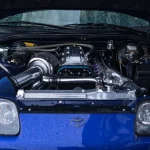
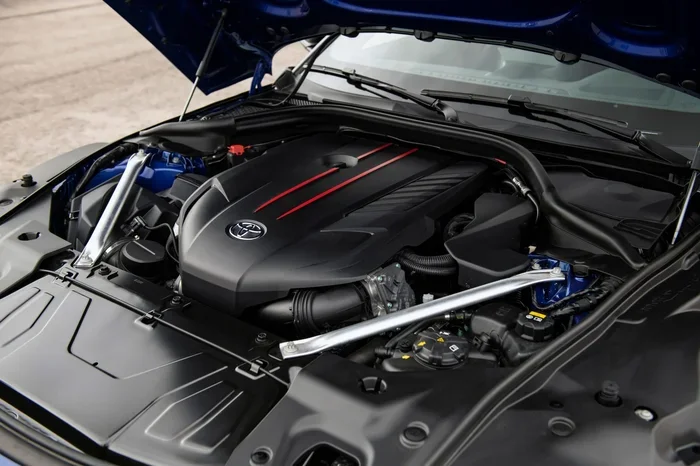
Visual guide about Toyota Supra engine bay closeup
Image source: motortrend.com
Two main versions often come up in conversation. One is the naturally aspirated variant, which focuses on smooth power and reliability. The other is the turbocharged version, which adds forced induction for stronger output. Both share the same basic architecture, but the turbo model is especially well known because it can support big power gains with the right upgrades.
Strong Block and Head Design
One reason the 2JZ stands out is its sturdy construction. The block and head were designed to handle high stress, which is part of why the engine became so popular in performance communities. A strong foundation matters because it gives builders confidence when increasing power. Of course, more power always brings more heat and wear, so good supporting parts are essential.
If you are looking at a used Supra with this engine, pay attention to service records and overall condition. A well-maintained Toyota Supra engine can offer many years of enjoyable driving. If you want to compare reliability across Toyota models, you may also find it useful to read Is The Toyota Gr86 Reliable for another perspective on Toyota performance cars.
Turbocharged vs Naturally Aspirated
The turbocharged version gets a lot of attention because it can make more power. Turbochargers push more air into the engine, which can increase output when paired with fuel and tuning. The naturally aspirated version, on the other hand, keeps things simpler and often feels more linear in response. Both have their appeal, and the best choice depends on how you plan to use the car.
Here is a simple comparison to help you understand the differences:
| Feature | 2JZ-GE | 2JZ-GTE |
|---|---|---|
| Induction | Naturally aspirated | Turbocharged |
| Power feel | Smooth and linear | Strong boost response |
| Tuning reputation | Solid, more limited | Very strong potential |
| Best fit | Daily driving, originality | Performance builds, track use |
This table is a general overview, not a full spec sheet. Actual output and behavior can vary by model year, market, and setup. Still, it shows why the Toyota Supra engine family has so many fans. The turbo version is often the star of big builds, while the naturally aspirated version appeals to purists and daily drivers.
Modern Supra Engines and BMW Connections
In newer generations, the Supra moved to a different engine source. This change brought a modern inline-six that reflects current engineering standards. Many buyers are surprised by this shift, and it leads to another common question: what engine is in the Toyota Supra in the latest models? The answer points to a BMW-based powerplant that brings updated technology and strong performance characteristics.
This modern engine keeps the inline-six layout, which helps preserve the smooth feel that Supra fans expect. At the same time, it introduces newer systems for efficiency, emissions, and power management. That mix of old-school character and modern tech is part of what makes the recent Supra so interesting.
What Changes With a Modern Inline-Six
Modern engines usually come with more electronics, more precise fuel delivery, and different tuning methods. That can be great for reliability and everyday usability, but it can also mean that modifications require more planning. If you are used to older mechanical systems, the newer setup may feel more complex. Still, the driving experience can be excellent when everything is working as intended.
It is also worth noting that engine sourcing does not define the whole car. The Supra still has its own chassis, suspension, styling, and Toyota influence in its development. If you are curious about brand identity and how Toyota fits into the bigger picture, you can check Is Toyota Japanese Or Chinese for more context on the brand’s background.
Performance and Daily Use
For daily driving, the modern inline-six can feel very refined. It delivers power in a controlled way and usually works well with the car’s transmission and chassis. For performance use, it offers strong potential, though the tuning approach may differ from the older 2JZ era. That means owners should think carefully about their goals before making changes.
If you are comparing the Supra to other Toyota models with different layouts, it can help to understand how drive configurations affect feel. For example, you might look at Is The Toyota Camry Front Wheel Drive to see how front-wheel drive differs from the Supra’s rear-wheel focus. These differences matter because engine character and drivetrain layout work together to shape the driving experience.
Engine Specs That Matter for Supra Buyers
When you are researching what engine is in the Toyota Supra, specs help you understand what to expect. You do not need to memorize every number, but a few key details make a big difference. These include the engine type, induction style, displacement, and the kind of transmission paired with it. Together, these factors affect power, response, and overall usability.
Here are the main things to pay attention to:
- Engine layout: Inline-six engines are known for smooth operation and balanced power delivery.
- Induction type: Turbocharged engines can offer stronger output, while naturally aspirated engines often feel more simple and linear.
- Transmission pairing: Manual and automatic transmissions change how the car feels during shifts and acceleration.
- Condition and history: A well-maintained engine is more important than big numbers on paper.
- Supporting mods: Tune, cooling, and fuel system health can matter as much as the engine itself.
If you are shopping for a used Supra, it is smart to look beyond the headline specs. Ask about oil changes, boost health, and any repairs that have been done. A clean maintenance record often tells you more than a flashy claim about power. This is true for any Toyota Supra engine, whether it is a classic inline-six or a newer modern unit.
Quick Tips for Evaluating a Supra Engine
Before you buy, take your time and inspect the car carefully. Listen for unusual noises, check for leaks, and look over the engine bay for signs of care or neglect. A car that has been stored outside for years may need more work than one that was garaged and serviced regularly.
Also, verify the exact model and engine code if possible. Different markets and trims can have subtle differences. If you are unsure about a specific system, ask a trusted mechanic or specialist to review the car before you commit. That extra step can save you from expensive surprises later.
Reliability, Maintenance, and Common Mistakes
A great engine is only as good as the care it receives. That is why reliability and maintenance matter so much when discussing what engine is in the Toyota Supra. Even a strong powerplant can develop problems if it is neglected. On the other hand, a well-cared-for engine can stay enjoyable for a long time.
The most common issues usually come from skipped maintenance, poor-quality parts, or pushing the car too hard without proper support. Oil changes, cooling system care, and fuel quality all play a role. If the car has been modified, it is even more important to check that the changes were done thoughtfully.
Common Mistakes to Avoid
One mistake is assuming all Supras are automatically ready for huge power gains. Another is ignoring small warning signs because the car still runs. A third is buying a modified car without understanding what was changed. These pitfalls can turn an exciting purchase into a frustrating project.
Here are a few common mistakes to watch for:
- Skipping oil changes: Clean oil is essential for engine longevity.
- Ignoring boost or vacuum leaks: Small leaks can affect performance and efficiency.
- Using weak supporting parts: If you increase power, make sure cooling and fueling can handle it.
- Overlooking service history: A missing record does not mean the car is bad, but it does mean you should inspect it more carefully.
- Driving too hard too soon: Let the engine and transmission settle into normal use after repairs or long storage.
Expert Insights for Long-Term Ownership
If you plan to keep the car for a while, think about prevention. Use quality fluids, follow a reasonable service schedule, and pay attention to how the car behaves. Small changes in sound, temperature, or responsiveness can be early clues that something needs attention. Catching issues early is usually easier and cheaper than waiting until they grow.
It also helps to match the car to your lifestyle. If you want a weekend sports car, you may accept more hands-on care. If you want a regular driver, prioritize simplicity and proven maintenance habits. Either way, the Toyota Supra engine is at its best when it is treated with consistency and respect.
Performance, Tuning, and Driving Feel
One of the most exciting parts of Supra ownership is how the engine feels in motion. Power delivery, throttle response, and sound all combine to create the driving experience. When people ask what engine is in the Toyota Supra, they are often really asking how that engine makes the car feel on the road or track.
The inline-six layout helps create a smooth rush of power. In turbocharged forms, boost can add a stronger pull at higher rpm. In naturally aspirated forms, the response may feel more immediate and even. Both styles can be fun, but they offer different kinds of excitement.
Tuning Thoughts for Enthusiasts
Tuning can unlock more performance, but it should be done with care. The engine is only one part of the system. You also need to think about the transmission, brakes, tires, cooling, and fuel delivery. If one part is weak, the whole setup can suffer. That is why smart builds focus on balance instead of chasing numbers alone.
If you are new to tuning, start with the basics. Make sure the car is in good mechanical condition first. Then consider small, well-planned changes rather than big jumps all at once. This approach usually leads to a more reliable and enjoyable result.
Everyday Driving Benefits
Even if you are not building a high-performance car, the Supra’s engine can still shine in daily use. The inline-six character gives the car a polished feel, and the overall package can be comfortable enough for regular driving. That mix of sportiness and usability is one reason the Supra continues to attract attention.
If you are comparing the Supra to other Toyota vehicles, it can help to look at how different models are positioned. For example, you might explore Is The Toyota Crown A Good Car to see how Toyota covers different needs with different vehicles. The Supra sits in a more performance-focused role, so its engine choices reflect that goal.
Buying Advice and Final Thoughts on the Supra Engine
Choosing the right Supra means understanding what you want from the car. If you love classic tuning culture, the older 2JZ generation may be especially appealing. If you want a more modern driving experience with updated technology, the newer inline-six models may fit better. Either way, the answer to what engine is in the Toyota Supra depends on the version you choose, but the heart of the story stays the same: a strong inline-six at the center of a focused sports car.
Before you buy, take a careful look at condition, history, and how the car has been used. Ask questions, inspect thoroughly, and think about your long-term plans. A Supra can be a fantastic car to own, but it rewards buyers who do their homework. When everything lines up, you get a car that is fun, engaging, and full of character.
In the end, the Toyota Supra engine is more than just a powertrain. It is a big part of why the car has such a strong identity. From the legendary 2JZ era to the modern inline-six generation, the Supra has kept its sporty spirit alive through thoughtful engineering and enthusiastic ownership. If you understand the engine, you understand a lot about the car itself.
Frequently Asked Questions
What engine is in the Toyota Supra?
The answer depends on the generation. Classic Supras are known for the 2JZ inline-six, while newer models use a modern BMW-based inline-six engine. Both layouts keep the smooth character that Supra fans appreciate.
Is the Toyota Supra engine reliable?
It can be very reliable when maintained properly. Regular oil changes, good cooling system care, and quality parts help a lot. A neglected engine, however, can develop problems like any other car.
What is the 2JZ engine famous for?
The 2JZ is famous for its strong construction and tuning potential, especially in the turbocharged version. Enthusiasts value it because it can handle power upgrades when paired with proper supporting mods and care.
Do all Toyota Supras have the same engine?
No, different generations use different engines. The most iconic version uses the 2JZ inline-six, but later models moved to a modern inline-six sourced from BMW. Always check the specific model year and trim.
Can a Toyota Supra engine be tuned for more power?
Yes, many Supra engines can be tuned for more power, but the right approach depends on the engine and setup. Turbocharged versions are especially known for tuning potential, while naturally aspirated versions are usually more limited.
What should I check before buying a used Supra?
Check service history, look for leaks, listen for unusual noises, and inspect the engine bay carefully. If the car has been modified, ask what was changed and whether the supporting parts are reliable. A pre-purchase inspection is always a smart idea.