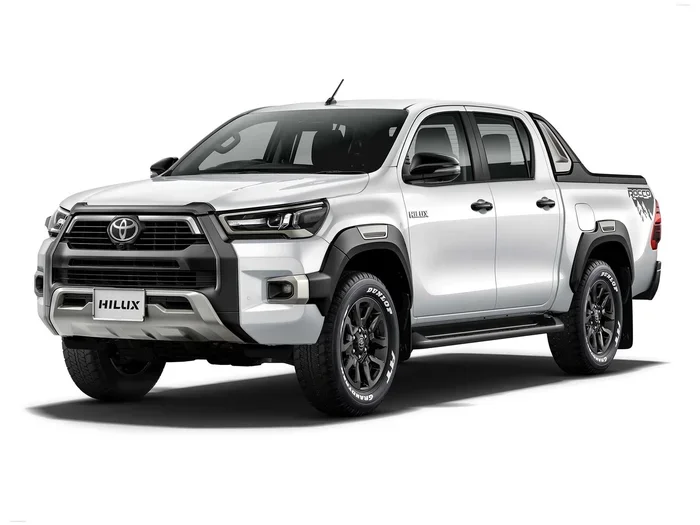

Many drivers wonder can I buy a Toyota Hilux in the US. The short answer is no for brand new models. Federal rules block most imports. You can still find older rigs through special channels. This guide explains the laws and smart choices.
Many people fall in love with the Toyota Hilux after seeing it on trails, job sites, or global commercials. This truck feels tough. It handles rough roads with ease. It also carries heavy loads without complaint. So it makes sense that drivers ask the same question over and over. Can I buy a Toyota Hilux in the US? The answer is not simple. It depends on the model year, the import route, and the rules that cover every vehicle entering the country.
This guide breaks the topic into clear parts. We will look at why the truck stays away from American showrooms. We will explain the federal import rules in plain language. We will also show where the Hilux fits in the global market. Then we will compare it with trucks you can actually buy here. By the end, you will know what is possible, what is risky, and what makes the most sense for your budget and daily use.
Key Takeaways
- Direct sales are blocked: Toyota does not sell new Hilux trucks in the United States.
- Safety laws matter: Federal standards make importing modern models very hard.
- Older trucks may enter: Vehicles over twenty-five years old face fewer rules.
- Gray market risks exist: Unofficial imports can fail inspections and cost more.
- Domestic pickups work well: The Tacoma and Tundra fill the same role.
- Compliance costs add up: Modifications and paperwork raise the total price.
- Smart buyers compare options: Check local trucks before chasing imports.
📑 Table of Contents
Why the Toyota Hilux Is Not Sold New in the US
The first thing to understand is that the Hilux never entered the US as a new retail model. Toyota chose other trucks for this market. The company focused on the Tacoma for midsize buyers and the Tundra for full-size needs. Those trucks were built to match American road conditions, shopping habits, and safety rules. The Hilux was built for different markets and different expectations.
This choice was not random. Vehicle makers often tune models for specific regions. They adjust suspension tuning, bumper height, lighting, emissions gear, and interior features. A truck that works well in one country may not fit another country’s rules without changes. In the US, those changes can cost time and money. For Toyota, it made more sense to sell trucks that already matched the local market.
If you want more background on this topic, you can read our explainer on why the Toyota Hilux is not sold in the US. It covers the market logic in more detail.
Different Market Goals
The Hilux was designed with a global audience in mind. Many buyers abroad want a simple, durable work truck. They may use it on farms, construction sites, or rough rural roads. In those places, utility often matters more than luxury features. In the US, buyers often expect more comfort, more tech, and a smoother ride on paved highways. Those expectations shape what manufacturers offer.
Brand Strategy Matters
Toyota already had a strong presence in the American pickup segment. The company did not need the Hilux to compete directly. It could grow its US business with the Tacoma and Tundra. That strategy gave buyers clear choices. It also helped Toyota keep service networks, parts supply, and warranty support organized. A simpler lineup can be easier to manage at large scale.
Federal Import Rules and Safety Standards
If you are still asking can I buy a Toyota Hilux in the US, the next step is understanding the rules. The National Highway Traffic Safety Administration sets safety standards for vehicles sold in the country. The Environmental Protection Agency sets emissions rules. These agencies do not just check new cars at dealerships. They also affect imports.
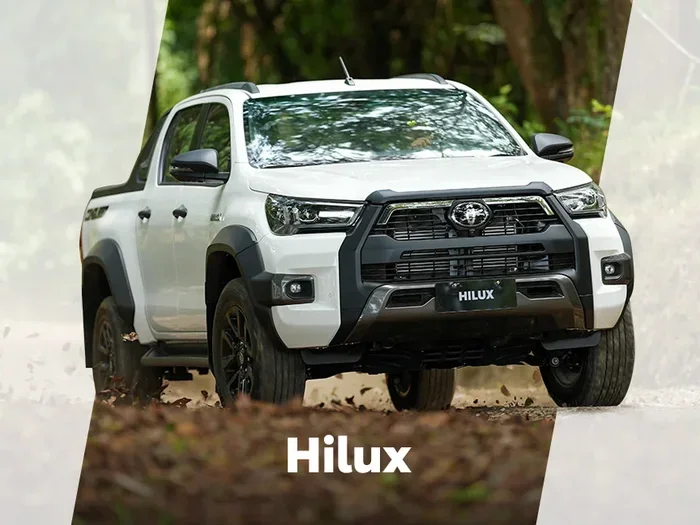
Visual guide about Toyota Hilux pickup truck
Image source: content.toyota.com.ph
A foreign-market truck usually needs to meet US standards before it can be registered for normal use. That can mean changes to lights, mirrors, bumpers, airbags, seat belts, braking systems, and exhaust equipment. Sometimes the required changes are small. Sometimes they are expensive. The exact work depends on the model year and the original spec of the truck.
The Twenty-Five Year Rule
One important exception involves vehicle age. In general, imported vehicles that are at least twenty-five years old face fewer federal hurdles. That rule opens the door for some older Hilux models. It does not mean every old truck is easy to bring in. State rules, shipping costs, and inspection requirements still matter. But the age threshold is a key detail for importers.
Show or Display and Other Pathways
There are also limited pathways for certain vehicles. Some imports may qualify under special categories if they are used in a restricted way. These options are not common for daily driving. They are more relevant for collectors or specialty use. If you are considering one of these routes, you should verify the current requirements with official sources before spending money.
Gray Market Imports and Real-World Risks
Some people try to bring in a Hilux through unofficial channels. This is often called the gray market. The idea sounds simple. Find a truck abroad, ship it home, and modify it as needed. In practice, the process can get complicated fast. Paperwork, shipping, customs, and compliance work can all add stress.
The biggest risk is assuming the truck will be legal without checking first. A vehicle that looks fine in photos may not meet US lighting, safety, or emissions requirements. If it fails inspection, you may face repair costs or delays. In the worst case, the truck may not be registered for road use in your state. That can turn an exciting purchase into a costly mistake.
Hidden Costs to Expect
Importing a truck is rarely just about the purchase price. You also need to think about freight, insurance, port fees, modification parts, labor, and paperwork. Even a small change can require professional installation. A bumper, lamp, or emissions part may need to match local rules. These details can quietly raise the total cost.
- Shipping fees: Ocean freight and handling can be significant.
- Customs and duties: Import taxes may apply depending on the situation.
- Compliance work: Parts and labor may be needed for legal road use.
- Inspection delays: Paperwork mistakes can slow the process.
- Warranty limits: An imported truck may not have normal dealer support.
Smart Import Checks
If you are serious about an import, slow down and verify everything. Ask for the vehicle identification details. Confirm the model year. Review the original equipment list. Check your state registration rules before you buy. A careful review at the start can save you from major problems later.
If you want to compare what is legally available in the US market, it helps to look at the towing capacity of a Toyota Tacoma. That truck is designed for American rules and is much easier to buy, insure, and service.
Why the Hilux Is Famous Globally
Even if the Hilux is hard to get here, its reputation is worth understanding. This truck has a long history of durability. It has been used in remote areas, harsh climates, and demanding work conditions. Many people value it because it keeps running with basic maintenance. That reputation has made it a symbol of reliability in many countries.
The Hilux also comes in many body styles and configurations. Some versions are basic work trucks. Others are more refined pickups with better interiors and more features. This range is part of its appeal. Buyers can choose a truck that matches their needs, whether those needs are practical, recreational, or commercial.
What Makes It Feel Different
The Hilux often feels more utilitarian than many US pickups. The ride can be firmer. The layout can be simpler. The truck may prioritize function over flash. For some buyers, that is a feature, not a flaw. They want a vehicle that gets work done without extra complexity. For other buyers, the US market offers more comfort and convenience from the start.
Where the Hilux Fits Best
This truck tends to make the most sense for people who want a global-style pickup and are willing to deal with import hurdles. It may also suit collectors, off-road enthusiasts, or anyone who specifically wants the Hilux identity. If your daily driving is on paved roads and you want easy service access, a domestic pickup may be the simpler path.
Best US Alternatives to Consider
If the answer to can I buy a Toyota Hilux in the US is not the one you hoped for, there are still strong options. The US market has several pickups that cover similar duties. The best choice depends on size, towing needs, ride comfort, and budget. A good comparison helps you avoid buying the wrong truck for your life.
Toyota Tacoma
The Tacoma is the closest midsize alternative for many buyers. It is widely available. It has a large parts network. It also comes in multiple trims, so you can choose a more basic work-oriented setup or a more comfortable daily driver. If you want a smaller truck that can handle light trail use and routine hauling, the Tacoma is a practical starting point.
You can also check the towing capacity of a Toyota Tacoma to see how it matches your load needs.
Toyota Tundra
If you need more size and stronger towing capability, the Tundra is the full-size option. It is built for heavier tasks and longer trips. It also offers more passenger space in many configurations. For buyers who want a Toyota pickup with a bigger frame and more pulling power, the Tundra deserves a close look.
To compare heavy-duty expectations, review the towing capacity of a Toyota Tundra before you decide.
Other Pickup Choices
Toyota is not the only brand with strong pickups. American buyers often compare Japanese trucks with domestic options from Ford, Chevrolet, GMC, and Ram. Each brand has different strengths. Some focus on towing. Some focus on ride comfort. Some focus on off-road packages. The best truck is the one that fits your actual use, not just the one with the flashiest ads.
Buying Tips and Common Mistakes
Whether you choose a domestic pickup or pursue an imported Hilux, smart buying habits matter. The truck market can be exciting, but excitement should not replace research. A careful buyer looks at total cost, legal status, maintenance needs, and long-term use. That approach leads to fewer regrets.
Common Mistakes
- Ignoring import rules: Assuming a foreign truck is automatically legal.
- Focusing only on sticker price: Missing shipping, compliance, and repair costs.
- Skipping state requirements: Not checking local registration and inspection rules.
- Buying for looks alone: Choosing a truck that does not fit daily needs.
- Overlooking service access: Picking a model that is hard to maintain locally.
Practical Buying Tips
- Define your use first: Daily driving, towing, off-roading, or work duty.
- Set a real budget: Include purchase, transport, mods, insurance, and upkeep.
- Verify legal status: Confirm federal and state rules before buying.
- Test drive domestic options: Compare feel, size, and comfort in person.
- Check parts availability: Make sure filters, brakes, and body parts are easy to get.
If you are comparing brands before you buy, you may also find it useful to read our piece on which is a better car, Toyota or Honda. It gives a broader view of how the two brands compare in the US market.
Final Thoughts on the Hilux Question
So, can I buy a Toyota Hilux in the US? For a brand-new truck at a local dealership, the answer is no. Toyota does not sell the Hilux here as a regular new model. For an older imported example, the path is possible but narrow. It depends on age, compliance, and your willingness to handle extra steps. For most buyers, the smarter move is to look at trucks that are already built for this market.
The Hilux remains a respected global pickup. Its durability and utility are real. But respect for a truck does not automatically make it the best choice for your situation. A Tacoma or Tundra may give you nearly the same practical benefits with far less hassle. If you still want to pursue an import, do it with careful planning and realistic expectations.
The best decision comes from matching the truck to your life. Think about where you drive, what you carry, how much you tow, and how you want to maintain the vehicle. When you focus on those basics, the right pickup becomes much easier to spot.
Frequently Asked Questions
Can I legally import a Toyota Hilux into the United States?
Sometimes, yes, but it depends on the model year and compliance status. Older trucks may face fewer federal barriers, while newer ones often need modifications to meet US rules.
Why doesn’t Toyota sell the Hilux in the US?
Toyota focused on the Tacoma and Tundra for this market. Those trucks were designed to match US regulations, buyer expectations, and service needs more directly.
Is a gray market Hilux a good idea?
It can be risky. Gray market imports may require costly compliance work and may not pass inspection. You should verify legal status before buying one.
What is the easiest Toyota pickup to buy in the US?
The Tacoma and Tundra are widely available and built for US rules. They are usually easier to register, insure, and service than an imported Hilux.
Can a 25-year-old Hilux be imported more easily?
Vehicles over 25 years old generally face fewer federal restrictions. That does not guarantee a smooth process, since state rules and shipping details still matter.
Should I choose a Hilux or a Tacoma for daily driving?
For most daily drivers in the US, the Tacoma is the simpler choice. It is easier to find, easier to maintain, and already matches local requirements.