
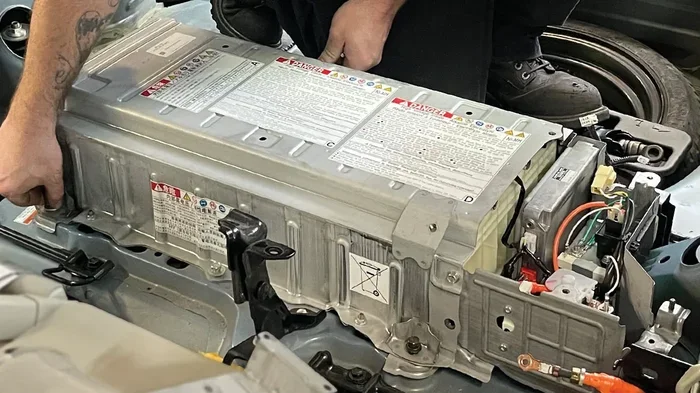
Toyota Prius batteries typically last between 10 to 15 years or 150,000 to 200,000 miles before needing replacement. The hybrid battery lifespan depends on driving habits, climate, and regular maintenance. You can often extend the life of your Prius battery pack with simple care and early detection of warning signs. When it finally fails, replacement costs have dropped significantly in recent years.
If you drive a Prius or you are thinking about buying one, you have probably asked yourself a simple question. How long do Toyota Prius batteries last? It is one of the most common concerns for hybrid owners, and for good reason. The battery is the heart of the hybrid system, and knowing what to expect can save you stress, money, and surprise repairs down the road.
The good news is that Toyota built these cars with longevity in mind. Millions of Prius vehicles have racked up hundreds of thousands of miles, and many of them still run on their original battery packs. That said, every battery eventually wears out. The real question is not if it will fail, but when, and what you can do to push that timeline as far as possible.
In this guide, we will break down the typical lifespan of a Prius battery, the warning signs that it is wearing down, what replacement actually costs, and practical steps you can take to keep your battery healthy for years to come. Whether you already own a Prius or you are shopping for one, you will walk away with a clear picture of what to expect.
Key Takeaways
- Average Lifespan: Most Toyota Prius batteries last 10–15 years or 150,000–200,000 miles under normal driving conditions.
- Early Warning Signs: Decreased fuel economy, longer engine run times, and dashboard warning lights often signal battery degradation.
- Replacement Cost: New hybrid battery packs typically cost between $2,000 and $4,000, depending on whether you choose new, refurbished, or third-party options.
- Maintenance Matters: Keeping the battery cool, avoiding extreme charge drains, and running the engine regularly can significantly extend battery life.
- Reconditioned Options: Refurbished or reconditioned batteries offer a budget-friendly alternative and often come with solid warranties.
- Professional Testing: A simple battery health test at a dealership or qualified shop can tell you exactly how much capacity remains.
- Plan Ahead: Knowing your battery age and mileage helps you budget for replacement and avoid unexpected breakdowns.
📑 Table of Contents
Understanding Toyota Prius Battery Lifespan
When people ask about how long do Toyota Prius batteries last, they usually want a straightforward number. Most experts and real-world data point to a lifespan of 10 to 15 years or roughly 150,000 to 200,000 miles. Some batteries go even longer, while others fade a bit earlier depending on how the car was used and cared for.
The Prius uses a high-voltage hybrid battery pack, typically made of nickel-metal hydride cells in older models and lithium-ion cells in newer ones. These batteries do not work like the regular 12-volt battery in your car. They constantly charge and discharge as you drive, working with the gasoline engine to improve fuel economy and reduce emissions.
Several factors influence how long the battery lasts:
- Driving habits: Frequent short trips with lots of stop-and-go traffic can put more stress on the battery than steady highway driving.
- Climate: Extreme heat is one of the biggest enemies of battery longevity. Cold weather can also reduce performance temporarily.
- Maintenance: Keeping up with regular service, checking cooling systems, and addressing small issues early helps the battery last longer.
- Usage patterns: Cars that sit unused for long periods or are driven very hard may see faster battery degradation.
It is also worth noting that many Prius owners report their original batteries lasting well beyond 200,000 miles. That does not mean every battery will hit that mark, but it shows that the design is genuinely durable when treated well.
What Affects Hybrid Battery Longevity
If you want to maximize your Prius battery life, it helps to understand what wears it down over time. The battery does not just suddenly die in most cases. It slowly loses capacity, which means the car relies more on the gas engine and less on electric power.
Heat is the biggest factor. High temperatures accelerate chemical wear inside the cells. That is why Prius models include cooling systems to keep the battery pack at a safe temperature. If that cooling system gets clogged, dirty, or fails, the battery can age faster.
Another factor is how deeply the battery is discharged on a regular basis. The Prius manages this carefully through its computer system, but aggressive driving, constant hard acceleration, and frequent full-throttle use can push the battery harder than gentle driving.
Age also matters, even if the car is not driven much. Batteries degrade over time due to internal chemical changes. A Prius that sits in a garage for years may still see battery wear simply because of the passage of time.
Quick Tip: Keep an Eye on the Coolant
The hybrid battery cooling system plays a bigger role than many owners realize. A dirty or blocked air intake can raise battery temperatures and shorten its life. Check the intake vents regularly and clear away leaves, dust, or debris.
Signs Your Prius Battery Is Failing
Catching battery trouble early can save you from being stranded or facing a bigger repair bill later. The car will usually give you clues before the battery completely fails. Learning to spot these signs is one of the best ways to stay ahead of the problem.
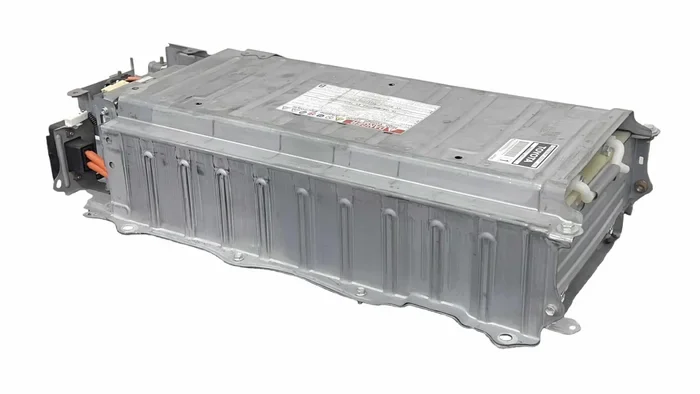
Visual guide about Toyota Prius hybrid battery
Image source: hybridbatteryservice.com
Common Warning Signs to Watch For
Here are the most common symptoms that your Prius hybrid battery may be losing capacity:
- Reduced fuel economy: If your gas mileage drops noticeably and you have not changed your driving routine, the battery may not be holding charge as well as it used to.
- Longer engine run times: The gasoline engine may run more often, even at idle or during light driving, because the battery cannot supply enough electric power.
- Weaker electric-only performance: The car may feel less smooth during electric-mode driving or struggle more at low speeds.
- Dashboard warning lights: A battery or check hybrid system warning can appear when the battery management system detects a problem.
- Unusual noises or vibrations: In some cases, a failing battery or related component can cause strange sounds during driving.
- Jump in engine behavior: The engine may rev more than expected as the system tries to compensate for reduced battery support.
None of these signs automatically means the battery is dead. Other issues, such as a faulty sensor or a problem with the hybrid system, can sometimes cause similar symptoms. That is why professional testing is so important before you spend money on a replacement.
When to Get a Battery Health Test
If you notice any of the warning signs above, or if your Prius is getting older and you simply want peace of mind, ask a technician to run a battery health test. This test checks the individual cells and measures how well the pack holds and delivers charge.
A battery health test can tell you:
- Whether one or more cells are weak or unbalanced
- How much capacity the battery has left compared to its original design
- Whether the problem is the battery itself or another part of the hybrid system
- If you can safely keep driving for a while or if replacement is approaching
Many dealerships and independent hybrid shops can perform this test quickly. In some cases, a simple reconditioning or cell replacement can buy you extra time without a full pack replacement.
How Much Does It Cost to Replace a Prius Battery
One of the biggest worries for Prius owners is the replacement cost. The price has come down over the years, and there are now more options than ever. Still, it is a significant expense, so it helps to understand what you are paying for.
New vs Refurbished vs Third-Party Batteries
You generally have three main choices when replacing a Prius battery:
- New OEM battery: A brand-new battery from Toyota or a certified supplier. This option usually offers the longest warranty and the most predictable performance, but it tends to cost the most.
- Refurbished or reconditioned battery: A used battery that has been tested, repaired, or reconditioned. This is often the most affordable option and can work very well if the battery has been properly serviced.
- Third-party replacement battery: Independent manufacturers and suppliers offer replacement packs at various price points. Quality can vary, so it is important to choose a reputable supplier.
In general, a full hybrid battery replacement can range from about $2,000 to $4,000 or more depending on the model year, battery type, labor costs, and where you live. Refurbished options can sometimes be found at lower prices, especially if you are comfortable with a shorter warranty.
Factors That Influence Replacement Cost
Several things affect the final bill:
- Model year and battery type: Newer models with lithium-ion batteries may cost more than older nickel-metal hydride packs.
- Labor rates: Shop labor varies widely by region and dealership versus independent shop.
- Warranty coverage: Batteries with longer warranties may cost more upfront but can save money later.
- Additional repairs: If the cooling system, inverter, or other related parts also need attention, the total cost will rise.
- Battery sourcing: OEM, aftermarket, and refurbished packs all come at different price points.
Before you commit to a replacement, get a few quotes and ask what kind of warranty comes with the battery. A solid warranty can make a big difference if something goes wrong after the install.
Common Mistakes When Replacing a Prius Battery
- Waiting until the battery completely fails, which can leave you stranded and rush your decision
- Choosing the cheapest option without checking the warranty or supplier reputation
- Ignoring related maintenance, like the cooling system, after a new battery is installed
- Assuming all batteries are the same without confirming the correct part for your model year
Tips to Extend Toyota Prius Battery Life
If you want your battery to last as long as possible, a few simple habits can make a real difference. You do not need to be a mechanic to help protect your hybrid battery. Most of these tips are about reducing stress on the system and keeping it cool and balanced.
Everyday Habits That Help
Here are practical ways to support your Prius battery pack:
- Drive smoothly: Gentle acceleration and braking reduce strain on the battery and help the hybrid system work more efficiently.
- Avoid long periods of inactivity: If possible, drive the car regularly so the battery cycles naturally and stays balanced.
- Keep the cooling vents clear: Check the battery air intake for dust, leaves, and debris, especially in fall and spring.
- Watch the temperature: In very hot weather, try to park in shade or use a sunshade to reduce cabin and battery heat buildup.
- Do not ignore warning lights: A small hybrid system warning can be an early sign of a problem that is cheaper to fix now than later.
- Keep up with routine service: Regular inspections help catch cooling, electrical, or battery-related issues before they grow.
These habits will not make your battery last forever, but they can help it reach the upper end of its expected life. Think of them as low-effort ways to protect a major component of your car.
Maintenance and Cooling System Care
The battery cooling system deserves special attention. On many Prius models, air flows through vents to keep the battery pack from overheating. If those vents get blocked, the battery can run hotter than intended.
A few simple checks can help:
- Inspect the battery intake area for obstructions
- Clean dust and debris from vents when needed
- Listen for unusual fan noise that might signal a cooling problem
- Have the cooling system checked during regular service visits
If you are comfortable with basic maintenance, keeping the battery cool is one of the most effective things you can do. If you are not sure what to look for, a technician can inspect the system quickly during an oil change or routine visit.
Expert Insight: Balance Matters More Than Perfection
Hybrid batteries are made up of many individual cells working together. Over time, some cells can weaken faster than others. That imbalance, not just overall age, is often what triggers a battery replacement. Regular driving, proper cooling, and early testing help keep the cells more balanced for longer.
Prius Battery Replacement: What to Expect
If you reach the point where replacement is the right call, the process is usually straightforward. Knowing what happens can make the experience less stressful and help you ask the right questions.
The Replacement Process Step by Step
Here is a general outline of what a battery replacement often looks like:
- Diagnosis and testing: The shop confirms the battery is the issue and checks for related problems.
- Battery selection: You choose a new, refurbished, or third-party pack based on budget and warranty preferences.
- Removal of the old battery: The technician safely disconnects and removes the old high-voltage pack.
- Installation of the new battery: The new or reconditioned pack is installed and connected.
- System checks and calibration: The hybrid system is tested to make sure everything is working correctly.
- Road test and final inspection: The car is driven and checked to confirm normal operation.
The exact steps can vary by shop and by vehicle model. In some cases, additional service may be recommended if the shop finds issues with the cooling system, wiring, or other hybrid components.
After Replacement: Getting Back on the Road
Once the new battery is in, your Prius should feel noticeably different if the old battery was struggling. You may see better fuel economy, smoother electric assist, and more confident low-speed driving. It is normal for the system to go through a short break-in and learning period after replacement.
A few things to keep in mind after installation:
- Follow any post-service recommendations from the shop
- Watch for warning lights during the first few drives
- Keep the cooling vents clear to protect the new battery
- Stick to a regular maintenance schedule going forward
If you chose a refurbished or third-party battery, make sure you understand the warranty terms and what is covered. A good warranty gives you confidence and protects your investment.
Key Takeaways
- Most Prius batteries last 10 to 15 years or 150,000 to 200,000 miles with normal use.
- Heat, driving habits, and maintenance all play a major role in hybrid battery lifespan.
- Warning signs include lower fuel economy, more engine running, and dashboard warnings.
- Replacement costs typically range from $2,000 to $4,000, with refurbished options often cheaper.
- Simple care like keeping vents clear and driving regularly can help extend battery life.
Frequently Asked Questions About Prius Battery Life
How long do Toyota Prius batteries usually last?
Most Toyota Prius batteries last between 10 and 15 years, or about 150,000 to 200,000 miles. Some last longer with good care, while others wear out sooner depending on climate, driving habits, and maintenance.
What are the first signs that a Prius battery is going bad?
The earliest signs often include reduced gas mileage, the gasoline engine running more often, and a drop in electric-only smoothness. Dashboard warning lights and unusual hybrid system behavior can also point to battery trouble.
Can a Prius battery be repaired instead of replaced?
Sometimes yes. If only certain cells are weak, a repair or reconditioning may restore balance and extend the life of the pack. A battery health test can show whether a repair makes sense or if a full replacement is the better option.
How much does it cost to replace a Toyota Prius battery?
Replacement costs usually fall between $2,000 and $4,000, depending on the battery type, labor, and whether you choose new, refurbished, or third-party options. Refurbished packs can be less expensive, but it is important to check the warranty and supplier reputation.
Does driving in hot weather shorten Prius battery life?
Yes, heat is one of the biggest factors in battery wear. High temperatures can speed up internal degradation, so keeping the battery cooling system clear and avoiding excessive heat when possible can help protect the pack.
Is it worth buying a Prius with high mileage?
Often yes, because many high-mileage Prius vehicles still have healthy batteries and strong fuel economy. It is smart to check the battery health, service history, and any warning lights before buying so you know what you are getting into.