
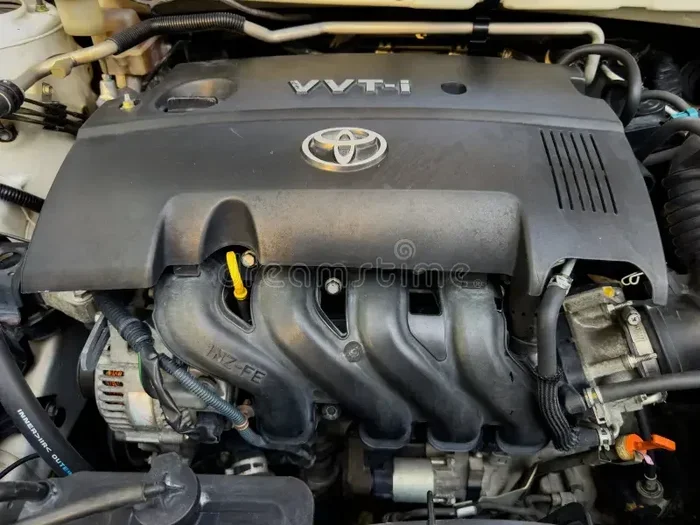
Toyota engines are renowned for their durability and often exceed 200,000 miles with proper care. If you are wondering how long does a Toyota engine last, the average lifespan ranges between 15 to 20 years or 200,000 to 300,000 miles depending on maintenance habits. Regular oil changes, timely repairs, and gentle driving habits play a huge role in extending engine longevity. This guide breaks down real-world data, common failure points, and actionable tips to keep your Toyota powertrain running strong for decades.
Key Takeaways
- Average Lifespan: Most Toyota engines reliably reach 200,000 to 300,000 miles with routine maintenance.
- Maintenance Matters: Consistent oil changes and fluid replacements directly impact Toyota engine durability.
- Driving Habits: Smooth acceleration and avoiding extreme temperatures help preserve internal combustion components.
- Common Weak Points: Timing chains, water pumps, and oil consumption issues can shorten engine life expectancy if ignored.
- Model Variations: Toyota Camry and Toyota Corolla engines often outlast trucks due to lighter loads and simpler designs.
- Proactive Care: Addressing minor warnings early prevents costly engine rebuild scenarios later.
- Real-World Proof: Many owners report Toyota powertrain survival past 400,000 miles with documented service records.
📑 Table of Contents
- How Long Does a Toyota Engine Last on Average
- What Determines Toyota Engine Lifespan
- Real-World Mileage and Age Expectations
- Why Toyota Engines Are Built to Last
- Common Issues That Shorten Engine Life
- How to Maximize Your Toyota Engine Longevity
- When to Consider Repair or Replacement
- Final Thoughts on Toyota Engine Lifespan
How Long Does a Toyota Engine Last on Average
When you invest in a vehicle, you want to know it will keep running without constant repairs. Many drivers ask how long does a Toyota engine last before they even sign the paperwork. The short answer is that Toyota builds some of the most reliable powertrains in the industry. Most well-maintained Toyota engines comfortably reach 200,000 miles. Many push past 300,000 miles when owners follow simple care routines.
Engine longevity depends on several factors. Oil quality, driving style, climate, and service history all play a role. Toyota designs its internal combustion engines with conservative tolerances and proven technology. This approach reduces stress on moving parts. It also makes routine engine maintenance straightforward for everyday owners. You do not need exotic tools or rare fluids to keep these powertrains healthy.
In this guide, we will explore real-world lifespan data, key design strengths, common failure points, and practical tips to extend your engine life. You will learn what to watch for, how to avoid costly mistakes, and why Toyota engine reliability remains a benchmark for the auto industry.
What Determines Toyota Engine Lifespan
Every engine ages differently. Two cars with the same Toyota powertrain can have completely different outcomes based on how they are used. Understanding the main drivers of engine life expectancy helps you make smarter choices.
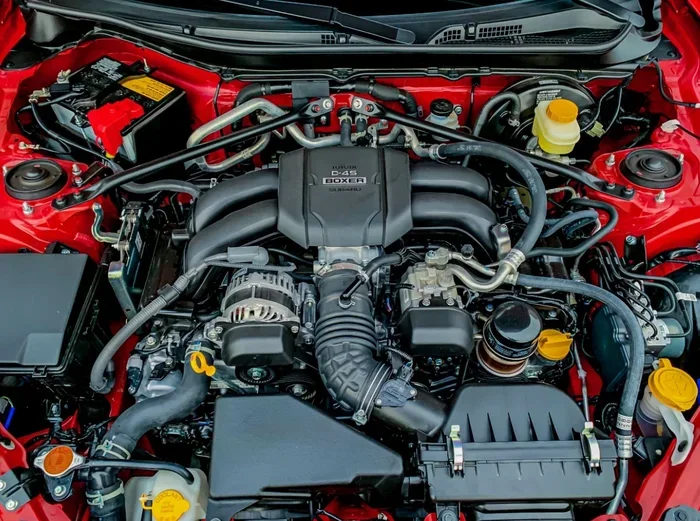
Visual guide about Toyota engine close-up
Image source: 2024toyota.net
Maintenance Frequency and Quality
Regular oil changes are the single biggest factor in Toyota engine durability. Clean oil lubricates bearings, pistons, and camshafts. It also carries away heat and microscopic metal particles. Skipping changes or using cheap filters allows sludge to build up. Sludge restricts flow and starves critical components. Over time, this leads to premature wear and potential engine failure.
Fluid replacements matter too. Coolant protects against overheating and corrosion. Transmission fluid reduces friction in the gearbox. Brake fluid absorbs moisture over time and lowers performance. Sticking to manufacturer intervals keeps the entire Toyota drivetrain operating within safe parameters.
Quick Tip
Set calendar reminders for oil changes every 5,000 to 7,500 miles. Use the exact viscosity listed in your owner manual. Consistency beats expensive shortcuts every time.
Driving Conditions and Habits
How you drive changes how fast parts wear. Frequent hard acceleration stresses connecting rods and crankshafts. Constant stop-and-go traffic keeps engines in low-speed ranges where fuel dilution can occur. Short trips prevent the engine from reaching full operating temperature. This traps moisture and acids inside the oil.
Highway cruising is generally easier on Toyota engines. Steady RPMs allow proper oil circulation and stable temperatures. If you mostly drive in the city, increase your service frequency. Add a gentle warm-up routine before merging into traffic. These small habits protect internal engine components over the long haul.
Climate and Environment
Extreme heat accelerates oil breakdown. Cold weather thickens fluids and strains starters and batteries. Coastal areas bring salt air that can corrode cooling system parts. Rural roads add dust that clogs air filters. Each environment creates unique stress points. Adapting your Toyota maintenance schedule to local conditions helps preserve engine longevity.
Real-World Mileage and Age Expectations
Owners and mechanics often share stories of Toyota engines reaching impressive milestones. While every vehicle is different, patterns emerge across model lines and generations.
Typical Mileage Ranges
Most Toyota Camry and Toyota Corolla engines reach 200,000 miles with minimal major repairs. Many exceed 250,000 miles when owners replace water pumps, timing components, and seals before failure. Truck engines like the Toyota Tacoma powerplants often handle heavier loads. They can also last 200,000 to 300,000 miles with disciplined care.
Age matters alongside mileage. Rubber hoses, gaskets, and seals dry out over time. A low-mileage car left sitting for years can develop cracks and leaks. Conversely, a high-mileage car driven regularly often stays healthier because fluids circulate and parts stay flexible. Balance both factors when estimating Toyota engine lifespan.
Model-Specific Trends
Some platforms show stronger long-term records than others. The Toyota Highlander and Toyota RAV4 share reliable four-cylinder and V6 options. These powertrains handle daily commuting and family hauling with ease. If you want to compare sizes and capabilities, you can read more about how big is Toyota Highlander and how big is Toyota Rav4 to understand how body style influences usage patterns.
Sports-oriented models also exist in the lineup. While they prioritize performance, many still use proven Toyota engine blocks. You can explore does Toyota have a sports car to see how performance variants fit into the brand philosophy. The underlying engineering often shares the same durability-first mindset.
Why Toyota Engines Are Built to Last
Reliability does not happen by accident. Toyota follows design principles that favor longevity over extreme output. This strategy creates Toyota engine reliability that owners notice every day.
Conservative Engineering Choices
Toyota often uses lower stress tolerances and proven materials. Pistons, crankshafts, and camshafts are sized to handle real-world loads without running at the edge. This reduces heat and friction. It also leaves room for age-related wear without immediate failure. Conservative tuning means the Toyota powertrain ages gracefully.
Proven Technology and Simplicity
Complex systems can fail in more ways. Toyota tends to use mature technologies that have been refined over many years. Timing chains, direct injection, and variable valve timing appear in modern models, but they are implemented with durability in mind. Simpler accessory layouts and well-spaced service points make Toyota engine maintenance easier for owners and shops alike.
Quality Control and Testing
Engines undergo rigorous testing before they reach production. Hot and cold cycles, vibration tests, and endurance runs reveal weak points early. Manufacturing consistency helps ensure each Toyota engine meets the same standards. This attention to detail supports long-term engine life expectancy across millions of vehicles.
Common Issues That Shorten Engine Life
Even the best powertrains face challenges. Knowing common trouble spots helps you catch problems early. Early action protects Toyota engine durability and saves money.
Oil Consumption and Leaks
Some engines use a small amount of oil between changes. A little consumption is normal. Excessive burning or visible leaks signal gasket wear, piston ring issues, or valve seal degradation. Ignoring these signs leads to low oil levels and increased friction. That stress shortens engine longevity quickly.
Cooling System Failures
Overheating is one of the fastest ways to damage an engine. Water pumps, thermostats, hoses, and radiators all age over time. A failed thermostat can cause erratic temperatures. A leaking hose can drop coolant levels rapidly. Regular inspections and timely replacements keep the Toyota cooling system working as intended.
Timing Component Wear
Timing chains and tensioners can stretch or wear on high-mileage engines. Unusual rattling on cold starts often points to chain slack or tensioner issues. If left unchecked, timing drift can affect performance and increase wear on valves and pistons. Replacing worn timing parts before failure is a smart way to preserve Toyota engine reliability.
Common Mistakes
- Waiting for a check engine light before checking oil levels
- Using the wrong oil viscosity for your climate
- Ignoring small coolant leaks until they become major
- Skipping belt and hose inspections during routine service
- Driving hard before the engine reaches operating temperature
How to Maximize Your Toyota Engine Longevity
You control many of the variables that affect engine life expectancy. Simple habits and proactive care add up over years of ownership.
Follow a Smart Maintenance Schedule
Stick to the service intervals in your owner manual. Treat them as minimums, not maximums. If you drive in dusty areas or tow frequently, shorten intervals. Keep records of every oil change, fluid top-off, and part replacement. Clear history helps you spot patterns and proves Toyota maintenance schedule discipline to future buyers.
Use Quality Parts and Fluids
Cheap filters and generic fluids can cause problems. Oil filters need proper bypass valves and media quality. Coolant must match the corrosion inhibitors your engine expects. Air filters should seal tightly to keep dust out of the intake. Quality parts support Toyota engine durability and reduce surprise failures.
Listen, Look, and Respond
Unusual noises, new vibrations, or changes in fuel economy often warn of developing issues. Check for puddles under the car. Watch the temperature gauge during warm weather. Note any drop in power or rough idle. Addressing small signs early prevents cascading damage and protects your Toyota powertrain investment.
Expert Insights
Mechanics often say that engines do not fail all at once. They usually give warnings first. A small leak, a slight noise, or a gradual temperature rise is your cue to act. Catching these early keeps repair costs low and extends engine life expectancy significantly.
When to Consider Repair or Replacement
Even with excellent care, parts eventually wear out. Knowing when to repair versus replace helps you make sound financial decisions.
Signs You Need Attention
Persistent oil burning, repeated overheating, metal particles in the oil, or major timing damage are serious indicators. If the cost of repairs approaches a large portion of the vehicle value, weigh your options carefully. Sometimes a targeted repair restores Toyota engine reliability for many more miles. Other times, a used replacement engine makes more sense.
Rebuild Versus Swap
A rebuild can restore an original Toyota engine to strong condition when the block is still sound. It often makes sense for rare models or high-mileage cars with sentimental value. An engine swap may be faster and more predictable for common platforms. Discuss both paths with a trusted shop that understands Toyota drivetrain nuances.
Keeping It Running Economically
Focus on the root cause, not just symptoms. Replace worn belts, hoses, and seals in logical groups. Flush and refill fluids that have degraded. Keep the air intake and exhaust paths clear. These steps help your Toyota engine deliver dependable service without unnecessary spending.
Final Thoughts on Toyota Engine Lifespan
So, how long does a Toyota engine last? With normal use and consistent care, most reach 200,000 miles and many go much farther. The combination of conservative engineering, mature technology, and owner habits creates impressive Toyota engine durability. You can push that lifespan even further by changing oil on time, watching for leaks, and addressing small issues before they grow.
Your engine is the heart of the vehicle. Treat it well and it will reward you with years of steady performance. Keep records, use quality parts, and drive with care. Those simple choices make a huge difference in engine longevity. If you stay proactive, your Toyota powertrain can keep delivering confidence mile after mile.
Frequently Asked Questions
How many miles can a Toyota engine last?
Most Toyota engines reach 200,000 miles with routine care, and many exceed 300,000 miles when maintained properly. Real-world results depend on oil changes, driving habits, and timely repairs.
Does Toyota make a diesel engine?
Toyota has offered diesel engines in select markets and larger vehicles, but availability varies by region and model year. If you want a quick answer, you can read does Toyota make a diesel for current lineup details.
How do I turn off the maintenance required light on Toyota?
You can usually reset the light by holding the trip meter button while turning the ignition on, then following the dashboard sequence. For model-specific steps, see how do I turn off maintenance required light on Toyota.
What type of oil does a 2007 Toyota Camry take?
A 2007 Toyota Camry typically uses 5W-20 or 5W-30 conventional or synthetic oil, depending on the engine and climate. For exact specifications, check what type of oil does a 2007 Toyota Camry take.
Does Toyota have an EV?
Toyota offers and continues to develop electric vehicles in various markets, including battery-electric options alongside hybrids. To understand the current lineup, visit does Toyota have an EV.
Does Toyota make a plug-in hybrid?
Yes, Toyota produces plug-in hybrid models that combine electric driving with gasoline backup for longer range. For details on available options, see does Toyota make a plug in hybrid.