
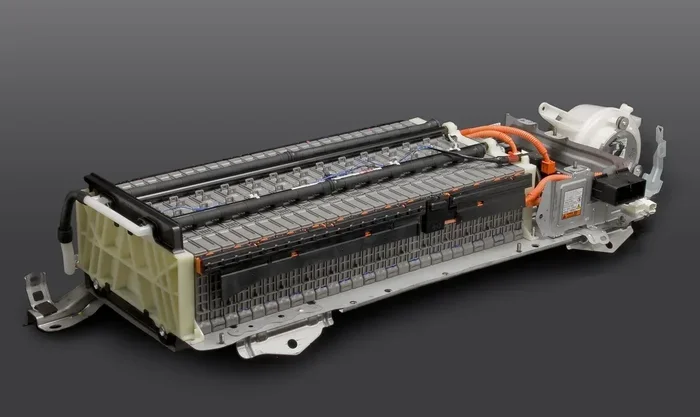
Toyota hybrid batteries are built to last, typically delivering reliable performance for 10 to 15 years or up to 200,000 miles. Many owners report even longer lifespans when they follow basic maintenance habits and drive in moderate climates. Factors like driving patterns, temperature exposure, and charging routines play a big role in battery longevity. Understanding these elements helps you maximize your hybrid battery lifespan and avoid unexpected replacement costs. This guide breaks down everything you need to know about Toyota hybrid battery durability in simple, practical terms.
If you own a Toyota hybrid or you are thinking about buying one, you have probably asked yourself a simple question. How long does the Toyota hybrid battery last? It is a smart question to ask. The battery pack is one of the most important parts of any hybrid vehicle. It powers the electric motor, supports the gas engine, and helps you save money at the pump. Knowing what to expect gives you confidence on the road and helps you plan for the future.
The good news is that Toyota has spent decades perfecting its hybrid systems. The company designed these batteries to handle daily driving, weather changes, and years of use without constant worry. You do not need to be a mechanic to understand the basics. You just need to know what affects battery health and what steps you can take to keep things running smoothly. In this guide, we will walk through real-world lifespan numbers, warning signs, maintenance tips, and answers to common questions. By the end, you will feel ready to make smart choices about your hybrid.
Key Takeaways
- Typical Lifespan: Most Toyota hybrid batteries last between 10 and 15 years, with many reaching 150,000 to 200,000 miles before showing significant wear.
- Climate Matters: Extreme heat and cold can shorten battery life, so parking in shade or garages helps protect the battery pack.
- Driving Habits Count: Frequent short trips and heavy stop-and-go traffic actually help hybrid batteries stay healthy, while long highway drives reduce charge cycles.
- Maintenance Is Simple: Keeping the cooling vents clear and following regular vehicle service schedules extends battery performance significantly.
- Warranty Coverage: Toyota usually covers hybrid batteries for 8 to 10 years depending on the model and region, giving you peace of mind early on.
- Replacement Costs Vary: A new hybrid battery typically costs between 2,000 and 4,000 dollars, but refurbished options can save you money.
- Early Warning Signs: Dropping fuel economy, reduced power, and dashboard warning lights often signal that the battery needs inspection.
📑 Table of Contents
- Understanding How Long Does the Toyota Hybrid Battery Last
- Factors That Affect Toyota Hybrid Battery Lifespan
- Common Signs Your Toyota Hybrid Battery Is Failing
- Toyota Hybrid Battery Warranty and Replacement Costs
- Simple Tips to Extend Your Hybrid Battery Life
- Expert Insights on Toyota Hybrid Battery Durability
- Conclusion
Understanding How Long Does the Toyota Hybrid Battery Last
When people search for how long does the Toyota hybrid battery last, they usually want a clear number. The honest answer is that most Toyota hybrid batteries last between 10 and 15 years. In terms of distance, many packs stay strong for 150,000 to 200,000 miles. Some vehicles even go beyond that with careful use. The battery does not suddenly stop working at a certain date. Instead, it slowly loses some of its capacity over time. That gradual change is normal for any rechargeable battery.
Toyota uses nickel-metal hydride and lithium-ion batteries in different models. Both types are known for steady performance and good durability. The hybrid system manages charging and discharging in a smart way. It avoids deep drains and extreme charge levels that can hurt battery health. This balanced approach is one reason why Toyota hybrids earn a strong reputation for reliability. You can drive every day without thinking too much about the battery, and that is exactly how Toyota intended it to work.
Real-World Mileage and Age Expectations
Real-world experience shows that many hybrid batteries outlive the basic expectations. Owners often report healthy battery performance well past the 10-year mark. The key is that the battery degrades slowly, not all at once. You may notice a small drop in fuel economy after many years, but the car still drives normally. Most drivers do not replace the battery until they see clear signs of trouble or until the warranty period ends and a test shows weak performance.
Age and mileage work together. A car with 120,000 miles that is 8 years old may still have a very healthy battery. Another vehicle with 90,000 miles that spent years in hot sun may show more wear. This is why it helps to think about both time and use. If you keep your car in a moderate climate and follow simple care habits, you give the battery a better chance to reach the higher end of the lifespan range.
Factors That Affect Toyota Hybrid Battery Lifespan
Several everyday factors shape Toyota hybrid battery durability. You cannot control everything, but you can understand the main influences. Once you know what matters, you can make small changes that protect your battery over time. The list below covers the biggest factors that determine how long your battery stays strong.
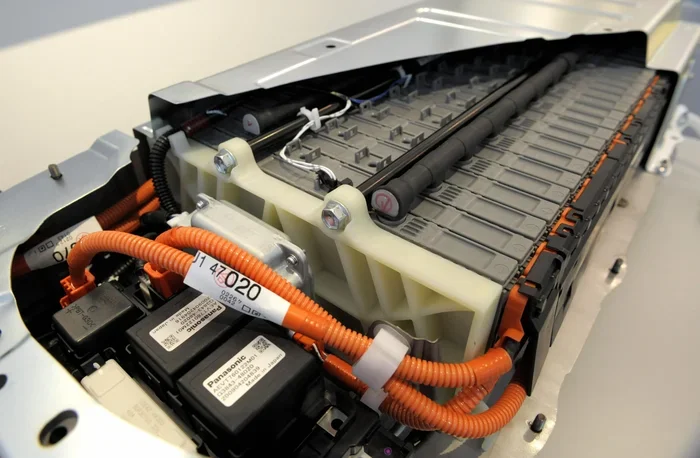
Visual guide about Toyota hybrid battery closeup
Image source: cdn.arstechnica.net
- Climate and temperature: Heat is the biggest enemy of battery life. Cold weather can also make the battery work harder, especially during winter starts.
- Driving patterns: Short trips with frequent stops actually help the hybrid system recharge the battery. Long drives with little braking can reduce charge cycles.
- Maintenance habits: Clean cooling vents, fresh coolant, and regular inspections keep the battery pack from overheating.
- Battery technology: Nickel-metal hydride and lithium-ion packs behave a bit differently, but both are designed for long service life.
- Usage intensity: Heavy towing, constant hard acceleration, and repeated deep discharges can add stress to the system.
Climate and Temperature Impact
Hot weather puts extra stress on hybrid batteries. High temperatures can speed up chemical wear inside the battery pack. That is why cars in very warm regions sometimes show earlier signs of battery aging. Parking in a garage or in the shade helps a lot. It keeps the cabin cooler and reduces heat soak around the battery area. In colder climates, the battery may lose some efficiency during winter, but the cold itself usually does not cause permanent damage the way extreme heat can. A balanced climate is ideal for long battery life.
Driving Habits and Charge Cycles
Hybrid batteries thrive on regular use. The system charges the battery through regenerative braking and engine support. If you drive mostly on short city routes, the battery gets frequent top-ups. That is generally good. If you take long highway trips with very little braking, the battery may spend more time in a steady state. That is still fine, but it means the battery sees fewer active cycles. The best approach is normal mixed driving. You do not need to change your routine dramatically. Just avoid ignoring basic care and let the hybrid system do its job.
Common Signs Your Toyota Hybrid Battery Is Failing
Batteries do not usually fail without warning. There are often clues before a major drop in performance. Paying attention to these signs helps you act early and avoid being stranded. Some symptoms are subtle, while others are easy to notice during everyday driving. Here are the most common red flags to watch for.
- Declining fuel economy: If your gas mileage drops more than usual and the car feels less efficient, the battery may not be holding charge well.
- Reduced power: The electric motor may struggle to assist the engine, making the car feel slower during acceleration.
- Frequent engine running: The gas engine may stay on more often because the battery cannot support electric-only driving as long.
- Dashboard warnings: A hybrid battery warning light or a maintenance alert is a clear sign that the system needs inspection.
- Unusual charging behavior: If the battery charge level swings wildly or never seems to reach a full state, something may be off.
When to Get a Professional Battery Test
If you notice one warning sign, do not panic. A single hot day or a rough tank of gas can change how the car feels for a short time. If the signs keep showing up, it is time to get a professional test. A technician can check the battery state of health, look at individual cell performance, and see whether the issue is the battery or another part of the hybrid system. Early testing gives you more options. You may only need a small repair, or you may plan ahead for a replacement instead of being surprised later.
Toyota Hybrid Battery Warranty and Replacement Costs
Toyota stands behind its hybrid batteries with a solid warranty. In many regions, the coverage lasts for 8 years or 100,000 miles, and some areas offer longer coverage. This warranty usually covers battery defects and significant loss of capacity during the covered period. It is a big reason why many buyers feel comfortable choosing a hybrid. You get protection during the early years, when the battery is still relatively new and the car is building its value.
If the battery does need replacement after the warranty expires, the cost depends on the model and the type of battery. A brand-new original battery can cost more, while refurbished or reconditioned units often cost less. Labor fees also vary by shop and region. The total price usually falls somewhere in a broad range, so it helps to get a clear estimate before you commit. Many owners also compare options between dealerships and trusted independent shops.
Comparing Battery Replacement Options
When replacement time comes, you usually have a few choices. Each option has pros and cons, and the best pick depends on your budget and how long you plan to keep the car. The table below gives a simple side-by-side look at the most common paths.
| Option | Typical Cost Range | Best For | Things to Consider |
|---|---|---|---|
| New Original Battery | Higher cost | Long-term ownership | Strong reliability and full warranty support |
| Refurbished Battery | Moderate cost | Budget-conscious drivers | Good value, but verify the warranty and cell condition |
| Independent Repair | Varies widely | Targeted fixes | May replace weak modules instead of the full pack |
| Dealer Replacement | Standard dealer pricing | Peace of mind | Often includes certified parts and trained service |
Simple Tips to Extend Your Hybrid Battery Life
You do not need fancy tricks to care for a Toyota hybrid battery. A few simple habits go a long way. The goal is to keep the battery cool, use it normally, and stay on top of basic service. These small steps help you get the most out of your hybrid system over the years.
- Park in shade or a garage when possible to reduce heat buildup.
- Keep cooling air paths clear by removing leaves, dust, and debris around the battery vents.
- Follow the regular maintenance schedule for the whole vehicle, including hybrid system checks.
- Avoid letting the car sit unused for long periods, since normal driving helps the battery stay balanced.
- Use the car as intended and do not worry too much about perfect charge levels.
Maintenance Habits That Make a Difference
One of the easiest wins is keeping the battery cooling system happy. The hybrid battery relies on airflow and, in some models, coolant to stay at a safe temperature. If the intake gets clogged, the battery can run hotter than it should. A quick visual check now and then takes very little time. It also helps to pay attention to service reminders. When a shop checks your car, ask them to look over the hybrid system as part of the visit. Good all-around care supports the battery indirectly, because a healthy car puts less strain on every major component.
Expert Insights on Toyota Hybrid Battery Durability
Hybrid experts often point out that Toyota’s battery management system is one of the strongest parts of the design. The car constantly monitors temperature, charge level, and usage. It tries to keep the battery in a comfortable middle range instead of pushing it to extremes. That matters because batteries usually wear out faster when they are constantly overcharged or deeply drained. Toyota’s approach helps the pack age gently.
Another expert insight is that many hybrid batteries do not die at a fixed moment. They fade slowly. That means you can keep driving even as the battery gets older, as long as the car still meets your needs. Some owners replace the battery only when fuel economy drops enough to matter or when a warning light appears. Others replace it sooner for resale value or peace of mind. There is no single right answer for everyone. The best choice depends on how long you plan to keep the vehicle and how much performance you expect.
Key Takeaways for Long-Term Hybrid Owners
If you want your hybrid battery to last as long as possible, focus on the basics. Keep the car cool when you can. Drive it regularly. Stay alert to warning signs. Use the warranty while it lasts. When replacement time comes, compare options carefully instead of rushing. These habits help you get the most value from your Toyota hybrid and avoid unnecessary stress.
Conclusion
So, how long does the Toyota hybrid battery last? In most cases, you can expect a dependable battery for 10 to 15 years and 150,000 to 200,000 miles, with many lasting even longer when treated well. The exact lifespan depends on climate, driving habits, maintenance, and the natural aging of the battery pack. The bright side is that Toyota designed these systems to be practical and low-stress. You do not need to manage the battery like a fragile gadget. You just need to drive normally, keep up with simple care, and watch for early warning signs.
If you take those steps, your hybrid battery can give you years of smooth service and strong fuel savings. That is the real value of a well-built Toyota hybrid. It is not just about the first few years. It is about long-term confidence, lower running costs, and a car that keeps doing its job mile after mile.
Frequently Asked Questions
How many years does a Toyota hybrid battery usually last?
Most Toyota hybrid batteries last around 10 to 15 years with normal use. Many keep working well beyond that if the car is maintained and not exposed to extreme heat for long periods.
How many miles can a Toyota hybrid battery go before replacement?
A Toyota hybrid battery often reaches 150,000 to 200,000 miles before showing major wear. Some vehicles go even farther, especially when the battery is kept cool and used in mixed driving conditions.
What are the first signs that a Toyota hybrid battery is weakening?
Common early signs include dropping fuel economy, slower acceleration, and the gas engine running more often than usual. A hybrid warning light or unusual charge behavior is also a strong clue that the battery should be checked.
Does Toyota warranty cover the hybrid battery?
Toyota usually provides hybrid battery coverage for about 8 years or 100,000 miles in many regions, though exact terms can vary by location and model. The warranty generally helps if the battery has a defect or loses a significant amount of capacity during the covered period.
Can a Toyota hybrid battery be repaired instead of replaced?
Yes, in some cases a hybrid battery can be repaired by replacing weak modules instead of installing a full new pack. This can be a budget-friendly option, but it works best when a proper diagnostic test shows that only certain parts of the battery are failing.
What is the best way to make a Toyota hybrid battery last longer?
The best approach is to keep the battery cool, avoid long periods of inactivity, and keep the cooling vents clear of debris. Regular vehicle maintenance and normal mixed driving also help the hybrid system stay balanced and reduce unnecessary stress on the battery.