
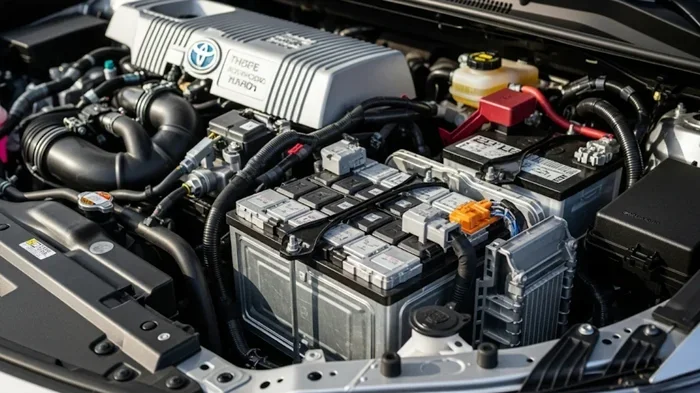
Most Toyota car batteries last between 3 to 5 years with proper maintenance and care. However, extreme weather, driving habits, and battery type can significantly impact this lifespan. Understanding the signs of a failing battery helps you avoid inconvenient breakdowns and costly replacements. In this guide, we will explore everything you need to know about Toyota battery longevity and how to keep your vehicle running smoothly for years to come.
Key Takeaways
- Average Lifespan: Most Toyota batteries last 3-5 years under normal conditions.
- Climate Impact: Extreme heat and cold can shorten battery life significantly.
- Maintenance Matters: Regular checks and cleaning terminals extend battery health.
- Driving Habits: Short trips prevent full charging, reducing battery longevity.
- Warning Signs: Slow cranking, dim lights, and dashboard warnings indicate failure.
- Replacement Cost: Expect to pay between $100 and $200 for a standard replacement.
- Hybrid Differences: Hybrid batteries last longer, often 8-10 years or more.
📑 Table of Contents
How Long Does Toyota Battery Last Under Normal Conditions?
When you own a Toyota, you expect reliability. One of the most common questions owners ask is about the lifespan of their car battery. Understanding how long does Toyota battery last helps you plan for replacements and avoid being stranded. Generally, a standard lead-acid battery in a Toyota vehicle will function well for three to five years. This range depends heavily on several external factors.
Think of your car battery like a smartphone battery. Over time, it holds less charge. Eventually, it cannot start the engine. While some batteries last only two years, others might push past six. The difference usually comes down to care and environment. You can maximize your battery life by paying attention to how you drive and where you park.
It is important to note that different Toyota models might have slightly different requirements. A compact car like a Corolla might have different power demands than a larger SUV. However, the fundamental chemistry of the battery remains similar across most gas-powered models. Keeping an eye on the manufacturing date is a smart first step when you buy a new car or a replacement battery.
Factors That Influence Battery Longevity
Several key elements determine how long your battery will serve you. Knowing these helps you take control of your vehicle’s health. Here are the main contributors to battery wear:
- Temperature Extremes: Heat accelerates chemical reactions inside the battery, causing fluid loss. Cold weather makes the engine harder to crank, putting more stress on the battery.
- Driving Patterns: Frequent short trips do not allow the alternator to fully recharge the battery. Long drives keep the charge healthy.
- Electrical Load: Using electronics like lights, radio, or chargers while the engine is off drains power.
- Battery Quality: Premium batteries often come with better warranties and stronger build quality.
- Vehicle Age: Older cars might have higher resistance in the electrical system, causing more strain.
By managing these factors, you can often push your battery toward the upper end of that three to five-year range. For example, parking in a garage during hot summers or cold winters protects the unit from temperature swings. Also, trying to combine short errands into one longer trip helps the charging system work efficiently.
Signs Your Toyota Battery Is Dying
Batteries rarely fail without warning. They usually give you clues before they stop working completely. Recognizing these signs early saves you from the hassle of a no-start situation. If you notice any of these symptoms, it is time to check your battery health.
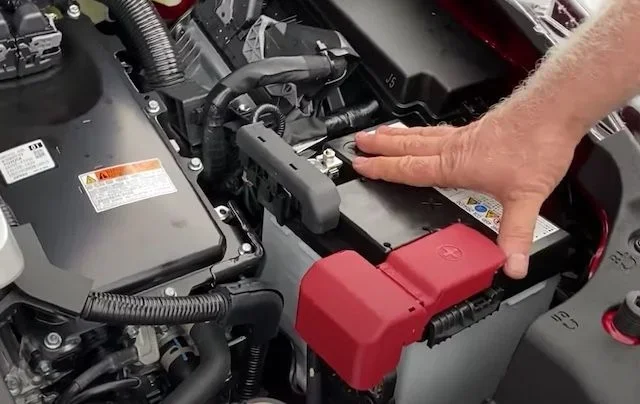
Visual guide about Toyota car battery close up
Image source: rparts-sites.s3.amazonaws.com
One of the most obvious signs is a slow engine crank. When you turn the key, the engine should start quickly. If it sounds sluggish or takes longer than usual, the battery might be weak. Another common indicator is dimming headlights. If your lights look bright when the engine runs but dim when you idle, the battery is struggling to hold a charge.
You might also see warning lights on your dashboard. The check engine light or a specific battery icon can signal charging issues. Modern Toyotas are very good at telling you when something is wrong. Do not ignore these lights. They are there to protect you and your vehicle.
Physical Signs of Battery Failure
Sometimes you can see the problem before you hear it. Inspect your battery visually if you know where it is located. Look for these physical red flags:
- Corrosion: White or blue powder on the terminals indicates acid leakage or oxidation.
- Swelling: A bloated battery case means the internal plates are damaged or overheated.
- Smell: A rotten egg smell suggests a sulfuric acid leak, which is dangerous.
- Age: If the battery is older than three years, assume it is on borrowed time.
Cleaning corrosion is a simple task. You can use a mixture of baking soda and water to neutralize the acid. Just make sure the engine is off and the terminals are disconnected safely. Regular visual checks are a great habit to build during your routine maintenance schedule.
How to Extend the Life of Your Toyota Battery
Want to make your battery last longer? Good news. There are several practical steps you can take. Extending battery life saves money and reduces waste. It also ensures your Toyota starts every morning without issue. Small habits make a big difference over time.
First, avoid leaving electronics on when the engine is off. This includes phone chargers, interior lights, or the radio. These draw power directly from the battery. Second, drive your car regularly. Letting a car sit for weeks allows the battery to self-discharge. If you do not drive often, consider using a trickle charger to keep the power up.
Third, keep the terminals clean. Corrosion acts as an insulator. It prevents proper electrical flow. Cleaning them once a year keeps the connection strong. Fourth, get your battery tested. Many auto parts stores offer free testing. This tells you the health percentage before you are stuck on the road.
Maintenance Tips for Longevity
Maintenance is the key to longevity for any car part. Your battery is no exception. Here is a simple checklist to follow:
- Check Fluid Levels: Some batteries have removable caps. If so, ensure the electrolyte levels are correct.
- Secure the Battery: Make sure the hold-down clamp is tight. Vibration damages internal plates.
- Test During Oil Changes: Ask your mechanic to check the battery voltage during routine service.
- Limit Short Trips: Try to drive at least 20 minutes occasionally to let the alternator recharge fully.
- Turn Off Lights: Always double-check that headlights and interior lights are off before exiting.
Following these steps helps answer the question of how long does Toyota battery last with a more optimistic timeline. A well-maintained battery can often exceed expectations. It is about reducing unnecessary stress on the chemical components inside the unit.
Toyota Hybrid Batteries vs. Standard Batteries
Toyota is famous for its hybrid technology. Models like the Prius and Camry Hybrid use a different kind of battery. These are typically nickel-metal hydride or lithium-ion packs. They are much more complex than standard lead-acid batteries. However, they are also designed to last much longer.
A standard gas car battery starts the engine. A hybrid battery powers the electric motor and assists the engine. Because hybrids rely on the electric system, the battery is built for durability. Many hybrid batteries last between 8 to 10 years or even more. Some owners report their original hybrid batteries lasting over 150,000 miles.
This difference is important when buying a used Toyota. If you are looking at a hybrid, the battery health is a major value factor. Replacement costs for hybrid packs are higher than standard batteries. However, they are less frequent. Understanding this distinction helps you budget for ownership costs accurately.
Hybrid Battery Care Tips
Even hybrid batteries need care. While they are robust, you can help them last longer. Avoid letting the battery sit at very low or very high charge levels for long periods. The car’s system usually manages this, but driving habits matter. Also, ensure the cooling vents for the battery are not blocked. Overheating is the enemy of any battery type.
If you own a hybrid, pay attention to fuel economy. A sudden drop in miles per gallon can indicate battery degradation. The car has to work harder if the battery cannot hold energy. Catching this early allows you to explore warranty options or repair possibilities before a full replacement is needed.
Cost of Replacing a Toyota Battery
Eventually, every battery needs replacement. Knowing the cost helps you prepare financially. For a standard Toyota sedan or SUV, a new battery is relatively affordable. You can expect to pay between $100 and $200 for a quality replacement. This price includes the part and often the installation if you go to a shop.
Premium batteries with longer warranties cost more. They might offer better performance in extreme weather. It is often worth the extra investment to avoid frequent replacements. Labor costs vary by location. Dealerships might charge more than independent mechanics or auto parts stores.
For hybrid vehicles, the cost is significantly higher. A hybrid battery pack can range from $2,000 to $4,000 depending on the model and whether you choose new or refurbished units. However, many hybrids come with long battery warranties. Always check your warranty status before paying out of pocket. Toyota often covers hybrid batteries for 8 years or 100,000 miles.
Is It Worth Replacing the Battery?
If your car is older, you might wonder if replacement is worth it. If the rest of the vehicle is in good shape, a new battery is a cheap way to extend its life. It is much cheaper than a new car. For hybrids, if the car has high mileage, weigh the repair cost against the vehicle’s value. Sometimes, a refurbished battery is a smart middle-ground option.
Always compare quotes. Get prices from a dealership, a local mechanic, and an auto parts store. This ensures you get a fair deal. Also, ask about the warranty included with the new battery. A good warranty protects you if the new unit fails prematurely.
Common Mistakes That Kill Toyota Batteries
Some habits shorten battery life faster than others. Avoiding these mistakes protects your investment. Many owners unintentionally damage their batteries through simple oversight. Being aware of these pitfalls is the first step to prevention.
One major mistake is parasitic drain. This happens when something draws power while the car is off. Old alarms, aftermarket stereos, or leaving a light on can kill a battery overnight. If your battery dies frequently without use, check for drains. Another mistake is ignoring corrosion. As mentioned, buildup on terminals blocks power flow.
Extreme temperatures are unavoidable sometimes. But parking in direct sun all summer weakens the internal chemistry. Similarly, not driving the car enough leads to discharge. Batteries need regular charging cycles to stay healthy. Sitting idle for months is harmful unless you use a maintainer.
Expert Insights on Battery Care
Experts recommend proactive care over reactive fixes. Waiting until the car does not start is too late. Regular testing is the best strategy. Many mechanics suggest testing the battery every six months, especially before winter. Cold weather is when most batteries fail.
Another expert tip is to tighten your electrical connections. Loose terminals cause arcing and heat. This damages the battery posts and the cable ends. A simple wrench check during tire rotations can prevent this. Also, ensure your alternator is working correctly. A bad alternator will not charge the battery, leading to repeated failures even with a new battery.
Conclusion
Knowing how long does Toyota battery last helps you stay ahead of car troubles. While the average lifespan is three to five years, your care habits play a huge role. By watching for warning signs, maintaining terminals, and driving wisely, you can maximize that life. Hybrid owners can expect even greater longevity with their specialized packs.
Do not wait for a breakdown to think about your battery. Test it regularly and replace it before it fails completely. A reliable start is essential for every journey. With the right attention, your Toyota will remain dependable for years to come. Take care of your battery, and it will take care of you.
Frequently Asked Questions
How often should I replace my Toyota car battery?
You should generally replace your Toyota car battery every 3 to 5 years. However, if you notice slow cranking or dim lights, consider testing it sooner. Regular checks help you avoid unexpected failures on the road.
Can extreme weather affect how long does Toyota battery last?
Yes, extreme weather significantly impacts battery life. High heat causes fluid evaporation, while cold weather reduces starting power. Parking in a garage or shaded area can help protect the battery from temperature extremes.
What are the signs of a failing Toyota battery?
Common signs include a slow engine crank, dim headlights, and a dashboard battery warning light. You might also see corrosion on the terminals or smell a sulfuric odor. If you notice these, test your battery immediately.
Do Toyota hybrid batteries last longer than standard batteries?
Yes, Toyota hybrid batteries typically last between 8 to 10 years or more. They are designed for higher durability and frequent charge cycles. Many come with extended warranties covering up to 100,000 miles or more.
How much does it cost to replace a Toyota battery?
A standard replacement battery usually costs between $100 and $200 including installation. Hybrid battery replacements are more expensive, ranging from $2,000 to $4,000. Always check your warranty coverage before paying for repairs.
Does driving short distances affect battery longevity?
Yes, frequent short trips prevent the alternator from fully recharging the battery. Over time, this leads to a weak charge and reduced lifespan. Try to take longer drives occasionally to keep the battery healthy.