
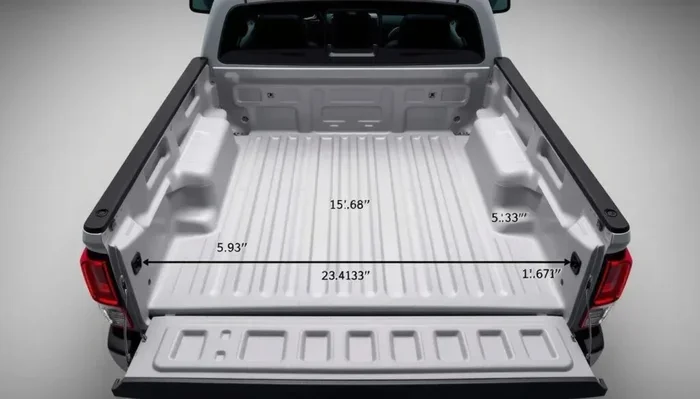
The bed length on a Toyota Tacoma depends on the cab and trim you choose. Most buyers pick between a 5-foot short bed and a 6-foot standard bed. Knowing the exact Toyota Tacoma bed length helps you plan gear storage, towing setup, and daily use. This guide breaks down every option in simple terms. You will learn which size matches your lifestyle and how to measure it yourself.
If you are shopping for a Toyota Tacoma, you probably want a truck that fits your life without wasting space. The bed size plays a huge role in that decision. It changes how much gear you can carry, how easy the truck is to park, and how comfortable it feels on daily drives. That is why so many buyers ask the same question right away: how long is the bed on a Toyota Tacoma.
The short answer is that Tacoma beds usually come in two common lengths. One is shorter and easier to manage in tight streets. The other is longer and better for hauling bulky items. The right choice depends on your cab style, your trim level, and the kind of work or recreation you plan to do. In this guide, we will walk through the standard bed lengths, how they compare, and what those numbers mean for real-world use.
You will also learn how to measure your own truck, what affects usable cargo space, and which accessories can make a bed more useful. Whether you are new to trucks or just switching to a Tacoma, this breakdown will help you choose with confidence.
Key Takeaways
- Two main bed sizes: Toyota Tacoma trucks come with a 5-foot short bed or a 6-foot standard bed, depending on cab style and trim level.
- Exact measurements matter: The Toyota Tacoma bed length is usually around 60 inches for the short bed and 70 to 72 inches for the longer bed, but always check your specific model year.
- Cab choice affects bed size: Double Cab models often pair with the 5-foot bed, while Access Cab and SR5 trims frequently offer the 6-foot bed option.
- Cargo space varies: Tacoma truck bed dimensions include width between the wheel wells, which affects how wide your tools, bikes, or camping gear can sit.
- Aftermarket options exist: If you need more Toyota Tacoma cargo space, bed extender kits and tonneau covers can help you carry longer items safely.
- Measure before you buy: Use a tape measure to confirm the Tacoma bed length from the bulkhead to the tailgate, since factory specs can shift slightly by year.
- Match the bed to your use: A shorter bed helps with daily driving and parking, while a longer bed suits work sites, weekend trips, and hauling bulky loads.
📑 Table of Contents
- Understanding the Toyota Tacoma Bed Length
- Standard Bed Sizes and Truck Configurations
- Exact Measurements and How to Check Them
- Cargo Space, Width, and Practical Hauling
- Aftermarket Options and Accessories That Change the Story
- How to Choose the Right Tacoma Bed for Your Needs
- Final Thoughts on Tacoma Bed Length
Understanding the Toyota Tacoma Bed Length
The Toyota Tacoma bed length is one of the first specs people check when comparing trucks. It tells you how much straight-line space you have from the back of the cab to the tailgate. That number matters because it affects everything from lumber and ladders to camping gear and sports equipment.
Most Tacoma models are built around two main bed options. You will usually see a 5-foot short bed and a 6-foot standard bed. These are not just marketing names. They reflect real differences in length and usefulness. The shorter bed keeps the truck feeling nimble. The longer bed gives you more room to stretch out cargo.
It helps to think about the bed as part of the whole truck design. The cab size, wheelbase, and trim all work together. That means two Tacomas can look similar but offer different bed sizes. If you want the best fit, do not focus on the exterior alone. Look at the exact configuration and the year of the model.
Why Bed Length Matters for Daily Use
Bed length is not just a number on a spec sheet. It changes how you live with the truck every day. A shorter bed can make the truck feel lighter in turns and easier to park in tight spots. A longer bed can reduce frustration when you need to carry items that would not fit in a smaller space.
Here are a few common reasons buyers care about Tacoma truck bed dimensions:
- Work hauling: Tools, boxes, and building materials often need a longer flat surface.
- Recreation: Bikes, kayaks, coolers, and camp chairs take up more room than many people expect.
- Daily driving: A shorter bed can make the truck feel more like a regular vehicle in the city.
- Maneuverability: Longer trucks can be harder to back up and turn in narrow lots.
If you mostly drive around town and carry small loads, the shorter bed may be enough. If you regularly move longer items, the extra foot of space can make a big difference.
Common Confusion Around Bed Sizes
One reason this topic gets confusing is that people use different terms. Some shoppers say “short bed” and “long bed.” Others talk about “5-foot” and “6-foot” options. In real life, the exact inch measurement matters more than the nickname.
Another source of confusion is that bed size can change by model year and trim. A trim that offered one bed length in the past may have a different setup later. That is why it is smart to verify the specs instead of guessing based on a friend’s truck or an online forum.
If you want to be sure, check the vehicle identification, look at the original window sticker, or measure the bed yourself. Those steps remove the guesswork.
Standard Bed Sizes and Truck Configurations
When people ask how long is the bed on a Toyota Tacoma, they usually want the standard options first. In most cases, the Tacoma line is built around a compact pickup design with a few cab and bed combinations. The bed size often depends on the cab style you choose.
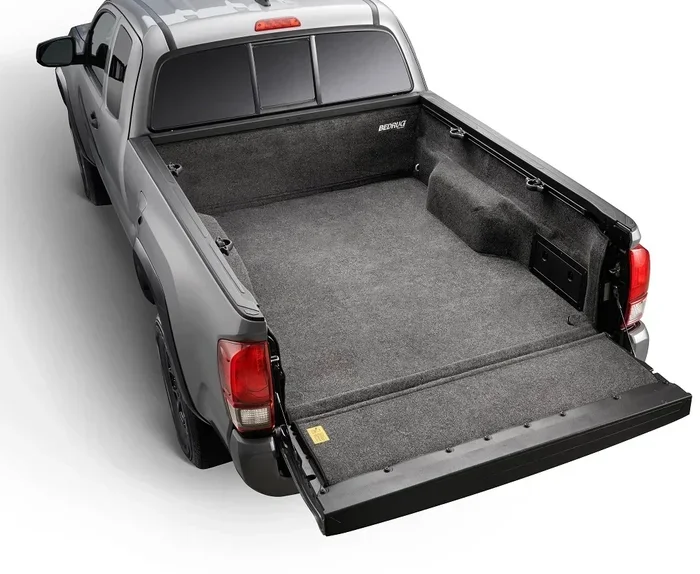
Visual guide about Toyota Tacoma truck bed
Image source: i2.wp.com
A common setup is the 5-foot bed paired with a Double Cab. This combination gives you more passenger space and a shorter rear section. Another common setup is the 6-foot bed, which often appears with an Access Cab or similar configuration. That longer bed gives you more cargo room while still keeping the truck manageable.
The exact fit can vary by trim and market, so it is best to think in terms of general patterns. The main idea is simple: if you want more rear-seat room, you may lean toward the shorter bed. If you want more cargo length, you may lean toward the longer bed.
Short Bed vs Long Bed: What Fits Where
The difference between the two bed sizes is not huge on paper, but it feels noticeable in use. A 5-foot bed is easier to cover, easier to load in tight driveways, and easier to park. A 6-foot bed gives you more length for items that stick out from the cab or need a flat stretch.
Think about the kinds of loads you carry most often:
- Short loads: Boxes, bags, and smaller gear usually fit fine in either bed.
- Long loads: Lumber, pipes, and ladders often benefit from the extra length.
- Odd-shaped loads: Tables, roof racks, and bulky equipment may need more room to sit flat.
- Everyday errands: A shorter bed can feel less bulky when you are moving through traffic.
If you are trying to decide between the two, imagine your most common task. Then picture that load in the bed. The best choice is usually the one that matches your real routine, not just the one with the bigger numbers.
Which Cab and Trim Combinations Use Which Bed
Cab style matters because it affects the overall truck length. A Double Cab usually gives you more rear seating, which can leave less room for a long bed. An Access Cab often creates more space behind the cab section, which can allow a longer bed option.
Trim level can also influence what is available. Some trims are built for work-focused use, while others are tuned for lifestyle and comfort. That does not always change the bed itself, but it can change which bed options are offered with that trim.
If you are comparing models, make sure you look at the full configuration. A truck with the same exterior style may still have a different bed length depending on how it was ordered.
Exact Measurements and How to Check Them
Exact numbers are helpful, but they should always be checked against the specific truck you are looking at. The Toyota Tacoma bed length is usually close to the common 5-foot and 6-foot descriptions, but small differences can exist by year and setup.
In general terms, the shorter bed is often around 60 inches. The longer bed is often closer to 70 or 72 inches. Those numbers are useful starting points, but they are not a substitute for measuring your own vehicle when precision matters.
How to Measure a Tacoma Bed Accurately
Measuring is simple if you take it step by step. You just need a tape measure and a clear view of the bed floor. Start at the bulkhead, which is the back wall of the cab area, and measure straight back to the inside edge of the tailgate.
A few tips make the measurement more useful:
- Measure along the floor: This gives you the practical cargo length.
- Check with the tailgate down: This helps if you plan to carry longer items with the gate lowered.
- Note the width too: The space between the wheel wells matters as much as the length for some loads.
- Write down the model year: Specs can change, so keep your notes specific.
If you are comparing trucks, measure both in the same way. That gives you a fair comparison instead of relying on rounded numbers.
Factory Specs vs Real-World Usable Space
Factory length and usable space are not always the same thing. A bed may be a certain length on paper, but tie-down rails, bed liners, toolboxes, or cargo organizers can reduce the open area. That does not mean the truck is worse. It just means the usable space depends on how you set it up.
Also, the shape of the bed walls and the angle of the sides can affect how securely cargo sits. A load that fits in length may still shift if it is not strapped down well. So when you think about Tacoma bed dimensions, remember that length is only one part of the picture.
Cargo Space, Width, and Practical Hauling
Length gets a lot of attention, but width matters too. Two trucks can have similar bed lengths and still feel very different if one has more space between the wheel wells. That width affects how easily you can slide in wide boxes, plywood sheets, or side-by-side gear.
When people talk about Toyota Tacoma cargo space, they usually mean more than just the flat length. They mean how easy it is to pack the bed in a way that keeps items stable and reachable. A well-packed small bed can outperform a messy large bed.
How Bed Size Affects Gear, Tools, and Weekend Loads
The bed size you choose should match the way you use the truck. If you carry soft bags, compact tools, or stacked boxes, you may not need the longest bed available. If you haul lumber, long sports equipment, or bulky camp gear, the extra length can save time and reduce overhang.
Here are a few practical examples:
- Contractor setup: A longer bed can hold more hardware, materials, and job-site boxes in one trip.
- Outdoor adventure: A shorter bed may be easier to cover and lock when you carry a cooler, chairs, and a tent.
- Family use: If the truck is also a daily driver, a shorter bed may feel less cumbersome around town.
- Mixed use: Some buyers choose the middle ground and use racks or extenders to handle occasional long loads.
The best setup is the one that fits your routine without making you work around the truck every time you load it.
Width, Wheel Wells, and Load Planning
Wheel wells are one of the biggest limits inside the bed. They reduce the continuous flat space and can affect how wide your cargo can be. If you often carry wide items, measure the clear space between them instead of assuming the full bed width is usable.
Load planning also helps. Place heavier items low and close to the cab when possible. Use tie-downs to keep things from sliding. If you carry mixed items, group them by size and weight so the load stays balanced.
A little planning goes a long way. It can make a 5-foot bed feel more organized and a 6-foot bed feel even more useful.
Aftermarket Options and Accessories That Change the Story
If the stock bed is not quite right for your needs, accessories can help. Many Tacoma owners use bed accessories to improve utility without changing the truck itself. These add-ons can make a shorter bed more flexible or a longer bed easier to use.
Common options include bed extenders, tonneau covers, cargo management systems, and tie-down upgrades. Each one solves a different problem. The right choice depends on whether you care more about length, protection, organization, or security.
Bed Extenders, Tonneau Covers, and Cargo Management
A bed extender can help when you need to carry something longer than the bed itself. It gives you extra support at the tailgate area and can reduce the chance of items shifting out. This is useful for bikes, surfboards, or other long gear that only occasionally needs the extra reach.
A tonneau cover helps protect cargo from weather and dust. It can also make the bed feel more like a closed storage area, which is great if you keep tools or sensitive gear in the truck. Some covers fold, while others slide open, so choose one that matches how often you access the bed.
Cargo management tools like dividers, slide-out trays, and storage bins can help keep the bed organized. If you use the truck regularly, organization often matters just as much as raw length.
When a Different Truck Might Make More Sense
Sometimes the Tacoma is a great fit, and sometimes you may want to look farther. If you regularly carry very long or very heavy loads, it is worth comparing the Tacoma with other trucks in the same family or segment. A larger truck may offer more bed length or a different cargo layout.
If you are curious about how the Tacoma compares to other Toyota options, you can read more about what is the towing capacity for a Toyota Tacoma and what s the towing capacity of a Toyota Tacoma. Those details can help you judge whether the Tacoma matches your hauling needs.
You may also want to think about fuel use if you drive a lot. For that, check what is the mpg of a Toyota Tacoma so you can estimate running costs alongside bed size and cargo needs.
How to Choose the Right Tacoma Bed for Your Needs
Choosing the right bed size is mostly about matching the truck to your routine. Start by listing your most common loads. Then think about where you park, how often you carry long items, and whether you need rear-seat access. Those answers usually point you toward one bed size over the other.
If you want a simple decision path, use this quick checklist:
- List your top three loads: Write down the gear you carry most often.
- Measure the longest item: Compare that length to the bed you are considering.
- Think about parking: Shorter beds are usually easier in tight spaces.
- Consider coverage: A covered bed can help with security and weather protection.
- Plan for accessories: Extenders, covers, and organizers can stretch usefulness.
This approach keeps the decision practical. You are not just picking a number. You are picking a truck that fits your habits.
Quick Tips for Buyers
If you are still deciding, keep these tips in mind:
- Test load it: Bring your typical gear to the lot and see how it fits.
- Check both cab and bed together: The whole layout matters more than one part.
- Think about future use: Choose a bed size that still works if your needs change a little.
- Look at tie-down points: Good anchoring can make a smaller bed more useful.
Common Mistakes to Avoid
A few mistakes come up often when buyers compare bed sizes:
- Assuming all Tacomas have the same bed: Configurations can differ by cab, trim, and year.
- Focusing only on length: Width and usable space matter too.
- Ignoring tailgate use: Lowering the gate changes what fits and how far it can stick out.
- Forgetting about coverage: Weather and security can affect daily satisfaction.
Final Thoughts on Tacoma Bed Length
So, how long is the bed on a Toyota Tacoma? In most cases, you are looking at a 5-foot short bed or a 6-foot standard bed, with the exact fit depending on cab style, trim, and model year. The shorter bed is easier to live with in daily driving, while the longer bed gives you more room for bulky or long cargo.
The smartest move is to measure the specific truck you are considering and compare it to the loads you actually carry. If you plan ahead, you can choose a Tacoma that feels useful instead of awkward. That way, the bed works for you every time you load it, whether you are heading to a job site, a weekend trail, or a simple run across town.
Frequently Asked Questions
How long is the bed on a Toyota Tacoma in inches?
Most Toyota Tacoma beds are commonly available in a shorter option around 60 inches and a longer option around 70 to 72 inches. The exact number depends on the cab style, trim, and model year, so it is best to verify the specific truck you are looking at.
What is the difference between the 5-foot and 6-foot Tacoma bed?
The 5-foot bed is shorter and usually easier to park and cover, while the 6-foot bed gives you more length for bulky or long cargo. The better choice depends on whether you value everyday maneuverability or extra hauling room.
Does the cab style affect the Tacoma bed length?
Yes, cab style can influence which bed options are available. Double Cab setups often pair with the shorter bed, while Access Cab setups are more often associated with the longer bed option. The exact combination depends on the model year and trim.
How do I measure the bed length on my Tacoma?
Place a tape measure on the bed floor and measure from the bulkhead at the back of the cab to the inside edge of the tailgate. For the most useful number, measure along the floor and note the model year, since specs can vary slightly.
Can I carry longer items if the Tacoma bed is too short?
Yes, you can often carry longer items by lowering the tailgate or using a bed extender for extra support. Just make sure the load is secure, visible, and compliant with local towing and hauling rules before you drive.
Which bed size is better for daily driving and weekend use?
A shorter bed is usually easier for daily driving because it feels less bulky and is simpler to park. If you also use the truck for weekend trips, a longer bed can be helpful if you regularly carry gear that needs more space.