
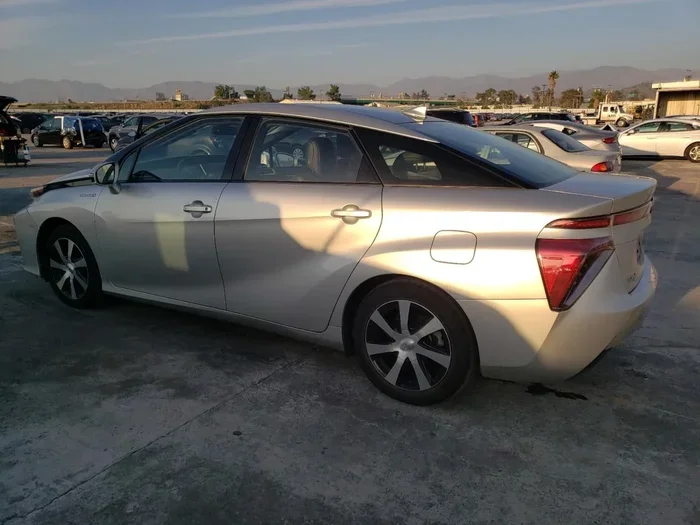
Why are used Toyota Mirai so cheap? The answer comes down to hydrogen fuel costs, limited resale demand, and fuel cell technology worries. Buyers also face charging station limits and high repair risks. This guide breaks down every real reason in simple terms.
If you have browsed the used car market lately, you may have spotted a strange pattern. Some Toyota Mirai models show up at very low prices. That can feel like a bargain at first. But the real story is more nuanced. In this guide, we will explain why are used Toyota Mirai so cheap and what that means for shoppers.
The Mirai is a hydrogen fuel cell vehicle. That puts it in a very different category from regular gas cars and even from standard hybrids. It uses a fuel cell stack to turn hydrogen into electricity. That design brings unique benefits, but it also creates unique challenges. Those challenges affect resale value in a big way.
Many buyers ask the same question: is this low price a smart deal, or a warning sign? The honest answer depends on your location, your budget, and your access to hydrogen fuel. Below, we will walk through the main reasons behind the low prices. We will also look at ownership costs, infrastructure limits, and practical buying tips.
Key Takeaways
- High hydrogen fuel costs: Fuel prices stay high, which lowers demand for the car.
- Limited refueling network: Few stations make daily use hard for many drivers.
- Fuel cell concerns: Buyers worry about expensive fuel cell stack repairs.
- Strong lease depreciation: Many Mirais return to dealers, pushing used prices down.
- Regional resale limits: Values drop faster outside hydrogen-friendly areas.
- Warranty and incentive gaps: Used buyers may lose key benefits that affect value.
- Smart buying potential: A low price can suit the right owner with easy fuel access.
📑 Table of Contents
- Why Are Used Toyota Mirai So Cheap: The Big Picture
- Hydrogen Fuel Costs Play a Major Role
- Refueling Infrastructure Limits Buyer Interest
- Fuel Cell Technology and Repair Concerns
- Warranty, Incentives, and Ownership Costs
- Are Used Toyota Mirai Good Value for the Right Buyer
- Practical Buying Tips for a Used Toyota Mirai
- Final Thoughts on Why Used Toyota Mirai Prices Stay Low
Why Are Used Toyota Mirai So Cheap: The Big Picture
To understand the pricing, it helps to look at the broader market. A car’s used value usually depends on demand, reliability, repair costs, and ease of ownership. The Mirai checks several boxes that push prices downward. It is a niche vehicle. It runs on a fuel that is not widely available. It also carries technology that makes some buyers cautious.
Another important factor is supply. Many Mirais entered the market through leases. When those leases ended, a portion of the cars returned to dealers. That increased inventory and softened prices. In simple terms, more supply plus limited demand often leads to lower values.
This does not mean the car is a bad choice for everyone. It simply means the market treats it differently. If you want a hydrogen fuel cell vehicle, you need to understand the full picture before you buy.
Limited Demand Outside Certain Regions
The biggest pressure on used pricing comes from demand. Most drivers still choose gas cars, hybrids, or battery electric vehicles. Hydrogen cars remain uncommon. That means the pool of interested buyers is smaller. When fewer people want a model, prices usually drop.
Geography matters too. In areas with strong hydrogen infrastructure, the Mirai can make more sense. In other places, owning one may feel impractical. That regional difference affects resale. A car that is useful in one city may be hard to sell in another.
Lease Returns and Inventory Pressure
Lease returns can shape used pricing a lot. When a lease ends, the car often comes back to the dealer with relatively low mileage. That sounds positive, but it also adds to supply. If several similar models hit the market at once, prices can soften.
This effect is common with advanced or niche vehicles. Buyers who leased the car may have enjoyed the incentives and lower monthly payments. Once the lease ends, the car re-enters the market at a lower price point. That is one reason you may see attractive used listings.
Hydrogen Fuel Costs Play a Major Role
Fuel cost is a huge part of car ownership. For the Mirai, that cost can be surprisingly high. Hydrogen fuel prices vary by region, but they often stay above what many drivers want to pay. Even if the car itself is cheap, the ongoing fuel expense can make ownership less appealing.
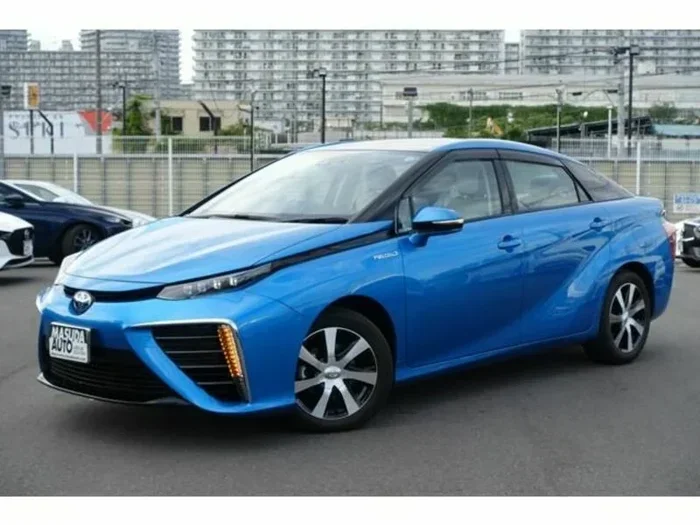
Visual guide about Toyota Mirai used car lot
Image source: sbimotor.com
This is a key reason behind the question, why are used Toyota Mirai so cheap. Buyers look at the total cost of ownership, not just the sticker price. If fuel is expensive and stations are inconvenient, demand drops. Lower demand then affects resale value.
If you are considering one, it is smart to check local hydrogen prices first. A low purchase price can look great on paper. But if fuel costs eat up your savings, the deal may not be as strong as it seems.
How Fuel Prices Affect Resale Value
Used car buyers think ahead. They estimate monthly fuel costs, maintenance, and convenience. When hydrogen fuel is costly, many shoppers move toward other options. That changes the buyer pool. A smaller buyer pool usually means lower asking prices.
This is not unique to the Mirai. Any vehicle that depends on a pricey or hard-to-find fuel can face the same issue. The market reacts quickly to running costs. So even a well-maintained Mirai can lose value if the fuel side of ownership feels expensive.
Running Cost Comparison at a Glance
It helps to compare the Mirai with other common options. The table below shows a simple side-by-side view of the kinds of costs that matter.
Comparison Point | Toyota Mirai | Typical Hybrid | Gas Sedan
Fuel type | Hydrogen | Gas + electric | Gas
Fuel availability | Limited stations | Wide | Wide
Fuel cost trend | Often high | Moderate | Varies
Used demand | Niche | Strong | Strong
Resale pressure | Higher | Lower | Lower
This simple comparison shows why the Mirai faces more resale pressure. It is not just about the car itself. It is also about how easy and affordable it is to keep it running.
Refueling Infrastructure Limits Buyer Interest
A car is only as practical as its fueling options. For hydrogen vehicles, station availability is a major factor. If you live near a good network of stations, the Mirai can work well. If you do not, ownership becomes much harder.
That limitation affects used prices directly. Buyers want convenience. They do not want to plan every trip around a rare fuel stop. When a vehicle feels inconvenient, fewer people want it. That lowers demand and pushes prices down.
This is another major part of why are used Toyota Mirai so cheap. The car may be well built, but the fueling network is still limited in many places. That reality changes how the market values it.
Why Station Access Changes the Deal
Think about how you use your car each week. You may commute, run errands, and take occasional road trips. With a hydrogen car, route planning can matter more. If the nearest station is far away, daily use becomes less smooth.
Some used buyers also worry about station reliability or hours. Even when a station exists, it may not always be convenient. These practical concerns can discourage buyers. Again, lower interest usually means lower used prices.
Who Does This Vehicle Fit Best
The Mirai can be a good fit for a specific type of owner. It may suit someone who:
- Lives near reliable hydrogen stations
- Wants a smooth, quiet electric-style drive
- Has access to favorable fuel incentives or plans
- Understands the technology and maintenance needs
If those boxes are not checked, the car may be more of a challenge than a convenience. That is why the used market often prices it conservatively.
Fuel Cell Technology and Repair Concerns
The fuel cell stack is the heart of the Mirai. It is an advanced system, and advanced systems can make buyers nervous. People often worry about long-term durability and repair costs. Even if serious problems are not common, the fear alone can affect value.
This is especially true in the used market. Buyers may ask questions like: what if the stack needs service later? What if specialized parts are expensive? Those concerns can reduce enthusiasm. When enthusiasm drops, prices often follow.
So when people ask why are used Toyota Mirai so cheap, repair uncertainty is part of the answer. The car is innovative, but innovation can also create caution.
What Buyers Worry About Most
Used buyers often think about a few key issues:
- Fuel cell longevity: Will the system stay reliable for the long haul?
- Specialized service: Are there enough qualified technicians nearby?
- Parts and labor costs: Could a major repair be costly?
- Battery and system support: How do the supporting electric components age?
These concerns do not mean the car is a bad purchase. They simply mean buyers price in risk. In the used market, perceived risk often lowers value.
How to Reduce the Risk
If you are seriously considering a used Mirai, there are ways to lower your risk:
- Check the service history carefully
- Confirm warranty coverage and remaining terms
- Verify hydrogen station access in your area
- Get a pre-purchase inspection from someone familiar with the car
- Ask about fuel cell system health and any prior service
These steps can help you make a more confident choice. They can also help you avoid a car that looks cheap but hides bigger costs.
Warranty, Incentives, and Ownership Costs
Another reason used Mirai prices can be low is the changing incentive picture. Newer models sometimes come with strong benefits. Used buyers may not get the same advantages. That difference can affect demand and value.
Some incentives matter a lot to hydrogen car owners. They can reduce the stress of fuel costs or improve the ownership experience. When those benefits are limited for used buyers, the car becomes less attractive to some shoppers. That is one more piece of the pricing puzzle.
Ownership costs also include insurance, maintenance, and fuel logistics. If those costs feel high, buyers may negotiate harder. They may also look at other vehicles instead. All of this can keep used prices modest.
Why Incentives Matter in the Used Market
Incentives can change the math a lot. A new car buyer may receive stronger support. A used buyer may not. That creates a gap in perceived value. If the total cost of ownership feels better on a new model, the used version may sell for less.
This is common with advanced technology vehicles. The first owner often enjoys the strongest benefits. Later buyers may get a lower price, but they also inherit a different cost structure. That trade-off is important to understand.
Total Cost of Ownership Checklist
Before buying, compare more than the asking price. Use a simple checklist like this:
- Fuel cost in your area
- Distance to the nearest hydrogen station
- Expected maintenance and service availability
- Warranty status and coverage details
- Insurance estimates
- Resale expectations in your region
This kind of checklist helps you see the full picture. A cheap sticker price is only one part of the story.
Are Used Toyota Mirai Good Value for the Right Buyer
The short answer is: it depends. A low price is not automatically a good deal. It is only a good deal if the car fits your life. For the right buyer, the Mirai can offer a quiet, smooth, and interesting driving experience. For the wrong buyer, it can create fuel and access headaches.
If you have easy hydrogen access and you understand the costs, a used Mirai may make sense. If you do not, the low price may simply reflect the difficulties of ownership. That is why it is so important to look beyond the listing price.
This is also why the question why are used Toyota Mirai so cheap has a mixed answer. The price is low because the market sees real limitations. But those limitations are not the same for everyone.
When a Low Price Makes Sense
A used Mirai can be appealing when:
- You live close to dependable hydrogen stations
- You want a premium-feeling electric drive
- You have researched fuel costs and accepted them
- The car has clear service records and warranty support
- You plan to use it mainly in a supported area
In those cases, the low price may be a genuine opportunity. You get more car for less money, provided the fueling side works for you.
When to Be Cautious
You may want to slow down if:
- Hydrogen stations are far from your daily routes
- You expect very low running costs
- You are unsure about service options near you
- The car has unclear maintenance history
- You may move to an area with weaker infrastructure later
In those situations, the cheap price may not be enough to offset the hassle. It is better to walk away than to buy a car that does not fit your routine.
Practical Buying Tips for a Used Toyota Mirai
If you decide to explore a used Mirai, take a careful approach. These cars are different from ordinary sedans. A little extra research can save you from regret later. Here are some practical tips to guide you.
First, test the fueling plan before you buy. Map out the stations you would use regularly. Make sure the route from home to work, school, and errands makes sense. If the fueling plan feels awkward, the car may not be worth it.
Second, review the warranty and service details. Ask what coverage remains and what it includes. If possible, confirm that service support is available nearby. This matters a lot with advanced fuel cell vehicles.
Third, inspect the car with a critical eye. Look for consistent maintenance records. Check for any signs of neglect. If you can, have a qualified technician evaluate the vehicle before you commit.
Quick Tips Before You Buy
- Confirm local hydrogen prices and station hours
- Check remaining warranty and service terms
- Review the fuel cell system history
- Compare total cost of ownership, not just price
- Test drive the car and listen for unusual noises
- Make sure the trim and features match your needs
These simple steps can help you avoid surprises. They also make it easier to judge whether the low price is truly a good opportunity.
Common Mistakes to Avoid
- Buying only because the listing price looks low
- Ignoring hydrogen station access in your area
- Skipping a proper inspection
- Assuming fuel costs will stay the same everywhere
- Overlooking warranty and service details
- Forgetting to compare the Mirai with other efficient options
Avoiding these mistakes can protect your budget and your peace of mind. A used Mirai can be interesting, but it should be bought with a clear plan.
Final Thoughts on Why Used Toyota Mirai Prices Stay Low
The used market is honest in its own way. It reflects what buyers are willing to pay for a car’s real-world use. For the Mirai, that price is often lower because of fuel costs, station limits, repair concerns, and a smaller buyer pool. Those factors combine to create a softer resale market.
That does not mean the car has no value. It means its value depends heavily on context. If you have the right infrastructure and the right expectations, a used Mirai can be an appealing choice. If you do not, the low price is probably there for a reason.
So, why are used Toyota Mirai so cheap? The answer is a mix of practical and market forces. Once you understand those forces, you can decide whether this hydrogen sedan makes sense for you.
Frequently Asked Questions
Why are used Toyota Mirai so cheap compared with other sedans?
They are often cheaper because hydrogen fuel costs are high, stations are limited, and fewer buyers want a niche fuel cell vehicle. Lower demand and lease returns can also push used prices down.
Does a low price mean the Toyota Mirai is unreliable?
Not necessarily. A low price usually reflects market factors like fuel access and resale demand, not just reliability. Still, you should check the service history and fuel cell system carefully before buying.
Is hydrogen fuel expensive for daily driving?
In many areas, yes. Hydrogen fuel can cost more than many drivers expect, and prices vary by location. That ongoing cost can make the car less attractive in the used market.
What should I check before buying a used Toyota Mirai?
Check hydrogen station access, remaining warranty, fuel cell service history, and local fuel prices. It also helps to get a pre-purchase inspection from someone familiar with the vehicle.
Can a used Mirai be a good value in some areas?
Yes, if you live near reliable hydrogen stations and understand the running costs. For the right owner, the low price can be a real advantage. For others, the fueling limits may be too inconvenient.
Do lease returns affect used Toyota Mirai pricing?
They can. When leases end, more cars may return to the market, which can increase supply and soften prices. That is one reason used Mirai listings can look unusually affordable.