

If you are wondering why is my Toyota Camry not starting, the issue often stems from a dead battery, faulty starter, or ignition switch problems. This guide walks you through simple diagnostic steps and quick fixes to identify the root cause without expensive mechanic visits. Understanding these common problems can save you time, money, and stress when your car suddenly fails to turn over.
Key Takeaways
- Battery Issues Are Common: A dead or corroded battery is the number one reason a Toyota Camry fails to start.
- Starter Motor Failure: A clicking sound when turning the key often points to a bad starter motor.
- Ignition Switch Problems: Worn ignition switches can prevent electrical signals from reaching the engine.
- Fuel System Checks: An empty tank or failing fuel pump can mimic electrical starting issues.
- Security System Glitches: Immobilizer or key fob battery issues may block the starting sequence.
- Regular Maintenance Helps: Keeping terminals clean and batteries charged prevents many no-start scenarios.
- Quick Diagnostics Save Time: Simple checks like listening for clicks or testing lights can pinpoint the problem fast.
📑 Table of Contents
Why Is My Toyota Camry Not Starting: Common Causes
Nothing is more frustrating than turning the key and hearing nothing. You might be late for work or stuck in a parking lot. The question why is my Toyota Camry not starting pops into your head immediately. Don’t panic. Most no-start issues have simple explanations. You can often fix them yourself or diagnose them quickly before calling for help.
Your Camry is a reliable car. But even the best machines have bad days. Electrical problems, fuel issues, or mechanical failures can stop the engine from turning over. We will break down each possibility. You will learn what to look for and how to test things safely. Let’s get your car running again.
Dead or Weak Battery
The battery is the heart of your car’s electrical system. If it dies, nothing works. Lights may not turn on. The radio stays silent. The engine won’t crank. This is the most common reason for a no-start. Batteries lose charge over time. Cold weather drains them faster. Leaving lights on overnight kills them too.
You can check the battery easily. Look at the headlights. If they appear dim or do not turn on, the battery is likely dead. Try turning the key. Do you hear a clicking sound? That click often means the battery has enough power to engage the starter solenoid but not enough to turn the motor. A jump start might solve it right away.
Keep in mind that batteries usually last three to five years. If yours is old, replacement might be the best fix. Corroded terminals can also block power. Check the metal connections on the battery. Clean them with a wire brush if you see white or green buildup. Tight connections ensure full power delivery.
Faulty Starter Motor
The starter motor turns the engine over. It uses a small gear to spin the flywheel. When the starter fails, you often hear a single loud click or rapid clicking. The engine does not move. This is a classic sign of starter trouble. The starter can wear out over time. Electrical connections can corrode. The internal brushes can wear down.
You can test the starter with a simple trick. Turn the key to the start position. Tap the starter lightly with a tool. Sometimes this frees a stuck brush temporarily. If the car starts after tapping, the starter is likely failing. This is not a permanent fix. You will need to replace it soon.
Also, check the starter relay. This small switch sends power to the starter. A bad relay can mimic a bad starter. Swap the relay with a similar one in your fuse box. If the car starts, you found the problem. Relays are cheap and easy to replace. This saves you from buying a new starter unnecessarily.
Ignition Switch Issues
The ignition switch sends power to the starter and fuel system when you turn the key. If it wears out, the car may not start. You might notice the dashboard lights flicker. Turning the key might feel loose. Sometimes the car starts in one position but not another. These are clear signs of switch trouble.
Modern Toyotas use electronic ignition systems. Sensors and modules control the start sequence. A faulty sensor can interrupt the signal. The engine control unit may not see the key turn. This prevents fuel and spark from reaching the engine. Diagnosing this requires a scan tool. But you can check for basic electrical flow first.
Look at the fuse box. Find the ignition fuse. If it is blown, replace it. A blown fuse is an easy win. Also, check the key itself. A damaged key can fail to trigger the switch properly. Try your spare key. If the spare works, the original key might be the issue. Keys can wear down over years of use.
Fuel System Problems
Your Camry needs fuel to run. If the tank is empty, the car won’t start. Sounds obvious, but it happens. gauges can fail. You might think you have gas when you don’t. Check the gauge carefully. If you have fuel, the pump might be dead. The fuel pump sends gas to the engine. If it fails, the engine gets no fuel.
You can hear the fuel pump turn on. Turn the key to the on position. Listen for a humming sound from the back of the car. No sound often means a dead pump. A clogged fuel filter can also block flow. Filters get dirty over time. They restrict fuel delivery. This causes hard starts or no starts.
Fuel pressure is another factor. The engine needs the right pressure to start. A leaking injector or bad pressure regulator can drop pressure. This makes the engine hard to start. Mechanics use gauges to test pressure. You can look for fuel leaks under the car. Smell for gas. Leaks are dangerous and need immediate attention.
Security System and Immobilizer Glitches
Toyota Camrys have security systems. They prevent theft by blocking the engine from starting without the right key. The immobilizer reads a chip in your key. If it does not recognize the chip, the car stays locked. You might see a flashing key symbol on the dashboard. This means the system is active and blocking the start.
Key fob batteries can die. If your key uses a remote or push button, a dead battery can cause issues. Replace the fob battery first. It is a small fix. Sometimes the immobilizer module itself glitches. Turning the key off and on again can reset it. Disconnecting the battery for a few minutes can also clear errors.
If you recently replaced the battery, the system might need relearning. Some Toyotas require a reset procedure. Check your owner’s manual for steps. Professional help may be needed if the system is faulty. A locksmith or dealer can reprogram the key. This is more complex but solvable.
Electrical and Ground Connection Failures
Cars rely on clean electrical paths. Bad grounds can cause weird problems. A loose ground wire can stop the engine from starting. You might see dim lights or erratic behavior. Check the main ground cable. It connects the battery to the chassis. Clean and tighten it if needed.
Fuses and relays protect the electrical system. A blown fuse can cut power to the starter or fuel pump. Check the fuse box diagram. Look for fuses labeled starter, ignition, or fuel. Replace any blown ones. Relays can fail too. Swap them with known good ones to test. This is a cheap and fast diagnostic step.
Alternator issues can also play a role. The alternator charges the battery while driving. If it fails, the battery drains. The car may start with a jump but die again soon. Test the alternator output with a multimeter. A healthy alternator shows around 13.5 to 14.5 volts while running. Low voltage means it needs replacement.
Quick Fixes to Try Right Now
When your Camry won’t start, try these steps first. They are safe and simple. You do not need special tools for most of them. Work through the list in order. You might find the fix in minutes.
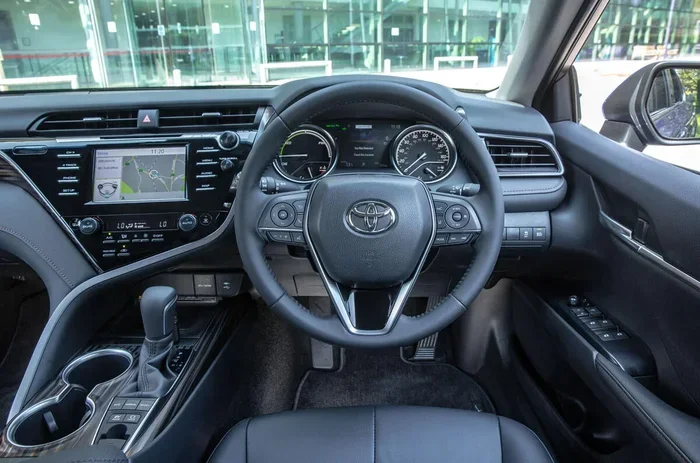
Visual guide about Toyota Camry car dashboard
Image source: images.cdn.autocar.co.uk
Check the Basics First
Make sure the car is in park or neutral. Some cars won’t start in gear. Press the brake pedal firmly. For manual transmissions, press the clutch. Check the fuel level. Add gas if needed. Look at the dashboard for warning lights. A battery light or key symbol gives clues.
Jump Start the Battery
If the battery is dead, a jump start can help. You need jumper cables and another car. Connect the red cable to the positive terminal of both batteries. Connect the black cable to the negative terminal of the good battery. Connect the other end to an unpainted metal part on your car. Start the good car first. Then try your Camry. If it starts, let it run to charge the battery.
Clean Battery Terminals
Corrosion blocks power. Remove the terminal covers. Use a wire brush to clean the metal. Mix baking soda and water to neutralize acid. Scrub gently. Rinse and dry. Reconnect the terminals. Tighten them well. This simple step restores full power flow.
Reset the Immobilizer
If the key symbol flashes, reset the system. Turn the key off. Wait a minute. Try again. Disconnect the battery negative terminal for five minutes. Reconnect it. This clears temporary glitches. Try starting the car. If it works, you saved a trip to the shop.
Test the Starter Relay
Locate the starter relay in the fuse box. Swap it with a similar relay. Try starting the car. If it starts, replace the relay. Relays cost a few dollars. This is much cheaper than a starter. Always verify the relay part number matches.
Diagnostic Tips and Tools
You can do more with simple tools. A multimeter helps test voltage. Check battery voltage with the car off. It should read around 12.6 volts. Lower readings mean a weak battery. Check voltage while cranking. It should stay above 10 volts. Drops below that indicate a bad battery or high resistance.
A test light checks for power at the starter. Connect the clip to ground. Touch the probe to the starter signal wire. Turn the key. The light should glow. No light means no signal from the ignition switch or relay. This narrows down the problem fast.
Listen carefully. Sounds tell a story. A single click often means starter or battery issues. Rapid clicking means low battery. Silence usually points to electrical failure. A crank but no start suggests fuel or spark problems. Use these clues to guide your checks.
When to Call a Professional
Some problems need expert help. If you smell gas, stop immediately. Fuel leaks are dangerous. Do not try to fix them yourself. If the engine makes strange noises during cranking, seek help. Internal damage can occur. Electrical shorts can cause fires. Safety comes first.
If basic checks fail, a mechanic can scan the car. Modern Toyotas store error codes. A scan tool reads these codes. They point to specific sensors or modules. This saves time and guesswork. Mechanics have experience with common Camry issues. They can replace parts correctly.
Complex ignition or immobilizer problems may need dealer software. Reprogramming keys or modules requires special tools. A professional can handle this. Don’t waste time on issues that need specialized equipment. Get help when the problem is beyond simple fixes.
Maintenance to Prevent No-Start Issues
Prevention is better than cure. Keep your battery healthy. Test it every year. Replace it before it fails. Clean terminals regularly. Check connections for tightness. Park in a garage when possible. Extreme heat and cold shorten battery life.
Change the fuel filter as recommended. A clean filter ensures good flow. Listen for unusual sounds from the fuel pump. Address them early. Keep the ignition switch area clean. Avoid spilling liquids near the steering column. Protect the electrical system from moisture.
Test the alternator during routine service. A good alternator keeps the battery charged. Replace worn belts that drive the alternator. A broken belt stops charging. Check fuses and relays during oil changes. Replace any that look damaged. Small maintenance steps prevent big headaches.
Conclusion
Asking why is my Toyota Camry not starting is the first step to solving the problem. Most no-start issues come from batteries, starters, fuel, or security systems. You can diagnose many of these at home. Simple checks like testing lights, listening for sounds, and cleaning terminals go a long way. Quick fixes like jump starts or relay swaps can get you moving again.
Regular maintenance keeps your Camry reliable. Test the battery, clean connections, and replace worn parts before they fail. When in doubt, use a multimeter or seek professional help. Understanding your car’s systems gives you confidence. You will spend less time stranded and more time on the road. Keep this guide handy for the next time your Camry refuses to start.
Frequently Asked Questions
What does it mean if my Toyota Camry clicks but won’t start?
A clicking sound usually points to a weak battery or a faulty starter motor. The battery may have enough power to engage the starter solenoid but not enough to turn the engine. Try a jump start first. If the car still clicks, the starter might need replacement.
How can I tell if my Camry’s battery is dead?
Check the headlights. If they are dim or don’t turn on, the battery is likely dead. You can also use a multimeter to test voltage. A healthy battery reads around 12.6 volts with the car off. Lower readings indicate a weak or dead battery that needs charging or replacement.
Why does my Camry start sometimes but not others?
Intermittent starting often points to a loose connection, failing starter, or ignition switch wear. Corroded battery terminals can also cause inconsistent power flow. Check all electrical connections and clean them. If the problem continues, test the starter and ignition components for wear.
Can a bad fuel pump cause my Camry not to start?
Yes, a failing fuel pump can prevent the engine from getting the gas it needs. You might hear no humming sound from the fuel tank when turning the key to the on position. A clogged fuel filter can also block fuel flow. Both issues can cause a no-start condition even if the battery and starter are fine.
What should I do if the immobilizer light is flashing?
A flashing key or lock symbol means the security system is blocking the start. Try using your spare key. Replace the key fob battery if it uses one. Disconnect the battery for a few minutes to reset the system. If the light keeps flashing, the immobilizer module or key chip may need professional reprogramming.
How do I clean corroded battery terminals on my Camry?
Remove the terminal covers and disconnect the cables. Mix baking soda and water to neutralize acid corrosion. Use a wire brush to scrub the terminals and cable clamps until they are shiny. Rinse with water, dry completely, and reconnect the cables tightly. This restores good electrical contact and can solve starting issues.