
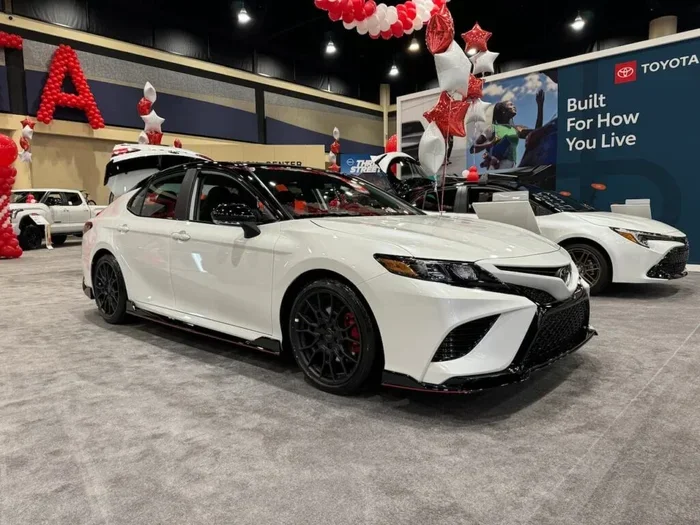
Wondering how much does a Toyota Camry cost this year? The 2024 Toyota Camry starts around $26,420 for the base LE trim and goes up to nearly $38,000 for the sporty XSE model. Pricing varies based on trim, engine options, and dealer fees, so it pays to know what you need before visiting the lot. This guide breaks down every cost so you can shop with confidence and avoid surprises.
Buying a new car can feel overwhelming, especially when you are trying to figure out the real cost. You see a sticker price, but then there are fees, trim differences, and maybe even hybrid options to consider. If you are looking at the 2024 Toyota Camry, you probably want a clear answer without the sales pitch. That is exactly what we will cover here.
The Toyota Camry has been a staple in the midsize sedan market for decades. It is known for reliability, comfort, and a smooth ride that works for commuting or family trips. But how much does a Toyota Camry cost in 2024? The answer depends on which trim you choose, whether you want the standard engine or the hybrid, and where you buy it. We will walk through every price point, explain what you get at each level, and share tips to keep your budget on track.
Key Takeaways
- Base Pricing: The 2024 Toyota Camry LE starts at approximately $26,420, making it one of the most affordable midsize sedans.
- Trim Range: Prices span from the budget-friendly LE to the performance-oriented TRD and Hybrid models, with top trims nearing $38,000.
- Hybrid Savings: Camry Hybrid trims offer better fuel economy, which can save you money at the pump over time despite a slightly higher upfront cost.
- Dealer Fees: Always budget for destination charges, documentation fees, and potential dealer add-ons that can increase the final price.
- Model Year Value: Considering a 2023 Camry can save you thousands while still delivering the same reliable performance and modern features.
- Total Cost of Ownership: Factor in insurance, maintenance, and fuel costs, not just the sticker price, to understand the true expense of owning a Camry.
📑 Table of Contents
- Understanding the 2024 Toyota Camry Price Range
- Toyota Camry Trim Levels and What They Cost
- What Affects the Final Toyota Camry Cost?
- Toyota Camry Hybrid Pricing and Value
- New vs. Used Toyota Camry Price Considerations
- Tips for Getting the Best Toyota Camry Deal
- Common Mistakes When Shopping for a Camry
- Expert Insights on the 2024 Toyota Camry
- Final Thoughts on Toyota Camry Pricing
Understanding the 2024 Toyota Camry Price Range
When you start shopping, the first thing you will notice is that the Toyota Camry price is not a single number. It shifts based on trim level, engine type, and added features. For the 2024 model year, the base price starts around $26,420 for the LE trim. That is the entry point, and it includes the essentials you need for daily driving. On the other end, the top-tier trims can reach close to $38,000 before any dealer adjustments.
This range exists because Toyota offers several versions of the Camry to fit different lifestyles. Some buyers want the simplest, most affordable option. Others want sporty styling, better tech, or the fuel-saving hybrid system. Each choice changes the Toyota Camry cost in a predictable way. Knowing these differences upfront helps you avoid paying for features you do not need or missing out on the ones that matter most.
It also helps to think about the Toyota Camry MSRP as a starting line, not the finish line. The manufacturer sets these prices, but your final number will include destination fees, taxes, and any dealer add-ons. That is why it is smart to look at the full picture before you fall in love with a specific trim.
Toyota Camry Trim Levels and What They Cost
The 2024 Camry comes in a clear set of trims, and each one has a distinct personality. Here is how they stack up, starting from the most affordable and moving up to the premium options.
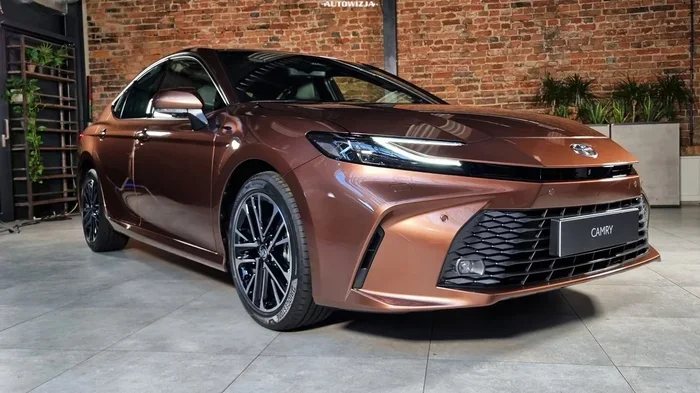
Visual guide about Toyota Camry 2024 showroom
Image source: i.ytimg.com
Base LE Trim
The LE is the starting point for the Toyota Camry price lineup. It focuses on value, comfort, and everyday practicality. You get a solid mix of safety features, a comfortable interior, and the standard 2.5-liter engine. This trim is a great fit if you want a reliable sedan without extra bells and whistles. It keeps the Toyota Camry cost low while still delivering the core experience people expect from this car.
SE and SE Nightshade Trims
The SE trim adds a sportier feel. You will see more aggressive styling, a firmer ride, and features that appeal to drivers who want a bit more attitude. The SE Nightshade takes that idea further with darked-out exterior details and a more dramatic look. If you like the idea of a Toyota Camry sedan with a sharper design, these trims are worth a close look. The price moves up from the LE, but the added style and features make sense for many buyers.
XLE and XSE Trims
The XLE leans into comfort and convenience. It usually brings extra tech, better interior materials, and features that make long drives easier. The XSE, on the other hand, blends sporty styling with higher-end content. Both trims sit higher in the Toyota Camry pricing structure, and both offer a more polished experience. If you want a Toyota Camry vehicle that feels more upscale, these are strong contenders.
TRD and Hybrid Options
The TRD trim is built with performance in mind. It brings tuned suspension elements, unique styling, and a more dynamic driving feel. This is the trim for buyers who want the Toyota Camry car to feel quicker and more engaging. Then there is the hybrid side of the family. The Toyota Camry hybrid trims typically cost a bit more up front, but they deliver excellent fuel economy. For many shoppers, that trade-off is well worth it, especially if they drive a lot of city miles.
What Affects the Final Toyota Camry Cost?
The sticker price is only part of the story. Several factors can push the Toyota Camry cost higher or help you keep it lower. Understanding these details before you negotiate can save you real money.
Destination and Dealer Fees
Every new car includes a destination charge, which covers the cost of getting the vehicle from the factory to the dealership. This is a standard part of the Toyota Camry MSRP breakdown, and it appears on almost every quote. Beyond that, dealers may add documentation fees or optional packages. These extras can vary a lot, so it pays to ask for a full breakdown before you sign anything.
Options and Packages
Some trims come with attractive bundles that add technology, comfort, or safety features. A Toyota Camry upgrade package might include better audio, enhanced driver aids, or luxury-style interior touches. These options can make the car feel more complete, but they also raise the price. Decide which features truly matter to you, and do not pay for extras you will never use.
Location and Market Demand
Where you buy matters too. Prices can shift slightly based on regional demand, inventory levels, and local incentives. In some areas, a Toyota Camry new car may come with more negotiation room. In others, popular trims may sell closer to full price. If you are flexible about timing or location, you may find a better deal.
Toyota Camry Hybrid Pricing and Value
The hybrid version of the Camry has become a major draw for buyers who want efficiency without giving up space or comfort. So, how much does a Toyota Camry cost when you choose the hybrid path? Generally, the hybrid trims sit a little higher than their gas-only counterparts. That extra cost reflects the hybrid system, the battery components, and the efficiency benefits that come with it.
The payoff shows up in everyday use. A Toyota Camry hybrid can deliver impressive fuel economy, which means fewer stops at the pump. Over time, that can soften the higher initial price. If you drive long commutes or spend a lot of time in traffic, the hybrid can be a very practical choice. It is also a smart option if you want a Toyota Camry sedan that feels modern and efficient while still being easy to live with.
When comparing gas and hybrid models, think about your driving habits. If you mostly take short trips or sit in stop-and-go traffic, the hybrid often makes more sense. If you do mostly highway driving, the standard engine may be perfectly fine. Either way, the Toyota Camry purchase decision should match how you actually drive, not just the number on the window sticker.
New vs. Used Toyota Camry Price Considerations
Not everyone needs a brand-new model. A Toyota Camry used car can be an excellent way to save money while still getting a dependable sedan. The price drop from new to used can be significant, especially if you look at recent model years. A car that is just a year or two older may still feel fresh, yet cost much less than a 2024 model.
The trade-off is that a used Camry may have higher mileage, older tech, or more wear on the interior. Still, the Toyota Camry reliability reputation gives many buyers confidence in a pre-owned purchase. If you choose this route, check service records, inspect the condition carefully, and compare the total cost against a new model. Sometimes the savings are clear. Other times, the benefits of a new warranty and the latest features may be worth the extra price.
It is also worth noting that a Toyota Camry 2024 model may come with the newest styling, updated technology, and the latest safety content. If having the most current version matters to you, the new car route may feel like the better fit. If budget is the top priority, a well-chosen used Camry can still deliver a great experience.
Tips for Getting the Best Toyota Camry Deal
If you want to keep the Toyota Camry cost as reasonable as possible, a few smart habits can help a lot. You do not need to be a negotiation expert to make a better purchase. You just need to be prepared.
Know Your Trim Priorities
Before you visit a dealership, decide which trim fits your needs. If you only need a comfortable, efficient sedan, the base or mid-level trims may be enough. If you want more style or tech, aim for the XLE, XSE, or hybrid options. Clear priorities make it easier to compare the Toyota Camry price across different configurations without getting distracted by flashy add-ons.
Ask for the Out-the-Door Price
Always ask for the full out-the-door number. That includes taxes, fees, and any dealer additions. This is the real Toyota Camry cost you will pay, not just the MSRP. When you compare offers, use this total number so you can see which dealer is actually giving you the better deal.
Time Your Purchase Wisely
Inventory, incentives, and seasonal demand can all affect pricing. Sometimes waiting for a promotion or looking at the end of a model cycle can help. If you are open to a Toyota Camry new car from a previous model year, you may find extra room to negotiate. Flexibility can be a powerful tool when you are trying to manage the Toyota Camry cost.
Consider the Total Cost of Ownership
The purchase price is important, but it is not the only cost. Think about fuel, insurance, maintenance, and how long you plan to keep the car. A Toyota Camry hybrid may cost a bit more upfront, but lower fuel bills could balance that out. A simpler trim may keep your Toyota Camry purchase price lower and still give you years of dependable service. Looking at the bigger picture helps you make a smarter decision.
Common Mistakes When Shopping for a Camry
Even a popular and dependable car like the Camry can be bought the wrong way if you rush. Here are a few mistakes to avoid.
- Focusing only on the monthly payment: Monthly numbers can hide the true cost. Always look at the total price first.
- Overbuying features: It is easy to add packages you do not need. Stick to the features that actually improve your daily drive.
- Skipping the comparison: A Toyota Camry sedan is a strong choice, but it helps to compare trims and even similar sedans before deciding.
- Ignoring dealer fees: Fees can add up quickly. Ask for a clear breakdown early so there are no surprises later.
- Not checking hybrid value: If you drive a lot, the Toyota Camry hybrid may be a better long-term value than you expect.
Expert Insights on the 2024 Toyota Camry
The 2024 Camry continues to stand out because it balances price, comfort, and practicality in a way that appeals to a wide range of buyers. It is not the cheapest sedan in the segment, but it offers a well-rounded package that many people trust. For shoppers asking how much does a Toyota Camry cost, the best answer is that it depends on the trim and your priorities, but the starting price remains competitive.
One helpful way to think about the Toyota Camry vehicle is as a long-term companion. This is the kind of car many buyers keep for years, so the purchase decision should fit your future plans too. If you want lower upfront cost, the LE or SE trims make sense. If you want efficiency, the hybrid is compelling. If you want a more spirited feel, the TRD and XSE options bring more personality. The breadth of choice is part of what makes the Camry so popular.
Another smart insight is to match the car to your routine. A Toyota Camry car that fits your daily life will feel like a better value than one loaded with features you rarely use. That is why the best deal is not always the cheapest sticker price. It is the one that gives you the right mix of cost, comfort, and usefulness.
Final Thoughts on Toyota Camry Pricing
So, how much does a Toyota Camry cost in 2024? The short answer is that it starts near $26,420 and can rise toward $38,000 depending on trim, hybrid choice, and added options. The longer answer is that the right price depends on what you value most. If you want simplicity, the base trim keeps things affordable. If you want efficiency, the hybrid deserves a close look. If you want style and a more refined feel, the upper trims deliver that experience.
The Toyota Camry price may vary, but the car’s core appeal stays steady. It is a practical, comfortable, and dependable choice that works well for commuting, family use, and everyday driving. When you shop smart, ask for the full out-the-door price, and choose the trim that matches your needs, you can get a Camry that feels like a strong value rather than just another car payment.
If you are still comparing options, it can also help to look at related topics like ownership costs, trim differences, and long-term reliability. For example, if you want to understand how long this sedan typically stays on the road, you can read more about how many miles does a Toyota Camry last. If you are curious about the weight and build of the car, check how much does a Toyota Camry weigh. And if you want to compare pricing across Toyota’s lineup, it may be useful to explore how much is a Toyota Corolla as another popular compact option.
Frequently Asked Questions
How much does a Toyota Camry cost in 2024?
The 2024 Toyota Camry starts at about $26,420 for the base LE trim and can reach close to $38,000 for higher trims. The final Toyota Camry cost depends on the trim, engine choice, and dealer fees.
Is the Toyota Camry hybrid more expensive than the gas model?
Yes, the Toyota Camry hybrid trims usually cost a bit more up front than the gas-only versions. However, the better fuel economy can help offset that difference over time.
What is the cheapest Toyota Camry trim?
The LE trim is the most affordable option and offers a solid mix of essentials for daily driving. It is a good starting point if you want to keep the Toyota Camry price as low as possible.
Do dealer fees increase the Toyota Camry price a lot?
Dealer fees can add to the final price, especially documentation charges and optional add-ons. It is best to ask for the out-the-door total so you know the true Toyota Camry cost before buying.
Is it better to buy a new or used Toyota Camry?
A new Camry gives you the latest features and a full warranty, while a used model can save you money upfront. The best choice depends on your budget and whether you want a Toyota Camry new car or a more affordable pre-owned one.
What should I look for when comparing Toyota Camry trims?
Focus on the features you will actually use, such as tech, comfort, fuel economy, and styling. Comparing the Toyota Camry MSRP across trims helps you avoid paying for extras you do not need.