

If you wonder are Toyota Yaris reliable cars, the short answer is yes for most owners. This compact hatchback and sedan have built a strong reputation for low maintenance costs and dependable daily driving. Many drivers keep their Yaris running for years with basic care and regular service visits. You will learn about common strengths, known weak points, and real ownership costs in this guide. We also share practical tips to help you buy with confidence.
If you are shopping for a small car that simply gets you from point A to point B without drama, the Toyota Yaris deserves a close look. Many buyers ask the same question: are Toyota Yaris reliable cars? The good news is that this model has a track record of being straightforward, economical, and easy to live with. It is not a flashy sports machine, and it is not trying to be one. Instead, it focuses on practical daily use, which is exactly why so many people appreciate it.
Reliability means different things to different drivers. For some, it means a car that starts every morning. For others, it means low repair bills and a vehicle that holds up well over time. The Yaris tends to perform well in both areas when it is maintained properly. Its compact size makes it easy to park and maneuver in tight city streets. Its simple design often helps keep repair costs manageable. And its small engine usually sips fuel, which is a big plus when prices rise.
In this guide, we will walk through what makes the Yaris a dependable choice, where you should pay attention, and how to get the best value if you are buying new or used. We will also compare it with similar compact cars and share practical advice for ownership. By the end, you should have a clear picture of whether this little Toyota fits your life.
Key Takeaways
- Strong reliability reputation: The Yaris generally delivers dependable performance for city commuting and budget-focused buyers.
- Affordable ownership: Low fuel consumption, modest repair bills, and widely available parts help keep costs down.
- Simple mechanics work in its favor: A straightforward powertrain and basic chassis often translate to fewer complex failures.
- Watch for small annoyances: Some owners report minor electrical quirks, interior wear, or road noise at highway speeds.
- Maintenance matters: Regular oil changes, brake checks, and tire rotations protect long-term dependability.
- Used market value: A well-maintained used Yaris can be a smart buy, but a pre-purchase inspection is still wise.
- Fit for specific lifestyles: This car suits urban drivers, first-time buyers, and anyone prioritizing practicality over flash.
📑 Table of Contents
- Are Toyota Yaris Reliable Cars for Daily Driving
- Common Yaris Problems and How Serious They Are
- Toyota Yaris Reliability Compared With Similar Small Cars
- What Affects Long-Term Toyota Yaris Reliability
- Buying a Used Toyota Yaris: What to Check
- Toyota Yaris Ownership Costs and Practical Value
- Final Thoughts on Are Toyota Yaris Reliable Cars
Are Toyota Yaris Reliable Cars for Daily Driving
When people ask are Toyota Yaris reliable cars, they usually want to know if the vehicle can handle routine commuting, errands, and school runs without constant headaches. In many cases, the answer is yes. The Yaris is built around a simple goal: provide a small, efficient car that does the basics well. That simplicity often works in its favor. Fewer complicated features can mean fewer things to go wrong.
The powertrain choices are typically easy to understand. A small gasoline engine is common in many markets, and it is usually paired with a manual or automatic transmission that is designed for everyday use. This kind of setup is not exotic, and that is part of the appeal. It is the sort of drivetrain that many repair shops know well, which can make service simpler and more affordable. If you like easy diagnostics and familiar parts, this is a welcome trait.
Daily driving reliability also depends on how a car feels over time. The Yaris generally offers a comfortable ride for its size, though it is not especially quiet on rough pavement. Some owners notice more road noise than they would in a larger sedan. That does not make the car unreliable, but it does shape the ownership experience. If you mainly drive in neighborhoods, stop-and-go traffic, or short urban trips, the Yaris can feel very practical.
What owners often appreciate
- Easy to park and maneuver in tight spaces
- Low fuel consumption for short and medium trips
- Simple controls and a user-friendly layout
- Usually affordable to insure compared with larger vehicles
Where expectations should stay realistic
- The cabin is small, so taller passengers may feel cramped
- Highway cruising can feel less refined than in bigger cars
- Infotainment and convenience features may be basic in lower trims
- A smaller frame can feel less substantial on rough roads
If your priority is a car that gets the job done without demanding much attention, the Yaris often fits that role well. It is not trying to win beauty contests or track days. It is trying to be useful, and for many buyers, that is exactly what reliability should mean.
Common Yaris Problems and How Serious They Are
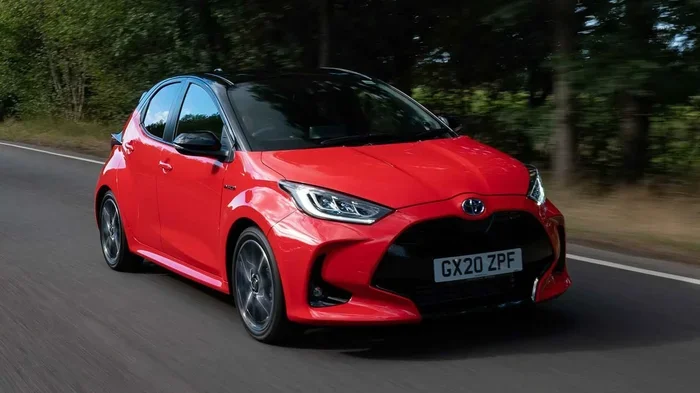
No car is perfect, and the Yaris is no exception. If you are still asking are Toyota Yaris reliable cars, it helps to know what kinds of issues have shown up in ownership discussions. Most of the commonly reported concerns are minor rather than catastrophic. That said, small problems can become annoying if they happen repeatedly or if they are ignored for too long.
Visual guide about Toyota Yaris car review photo
Image source: i.pinimg.com
One area that sometimes draws comments is the electrical system. Small cars often use compact electrical architectures, and that can occasionally lead to quirks. Owners may notice intermittent warning lights, accessory issues, or sensor-related warnings that need checking. Many of these concerns are manageable, but they can be frustrating if you are not expecting them. A careful inspection and a clear service history can help reduce surprises.
Another topic that comes up is interior wear. In a small car, the driver and passengers are closer to the controls, trim, and seat materials. Over time, steering wheel wear, pedal wear, and seat fabric fading can become more noticeable, especially if the car has been used heavily. This is more of a cosmetic and comfort issue than a mechanical failure, but it still affects how the car feels to live with.
Common concerns to check before buying
- Look for warning lights that may point to sensor or battery issues
- Check the battery health if the car has sat unused for a while
- Inspect the tires for uneven wear, which can suggest alignment needs
- Test the air conditioning and heating system before committing
- Listen for unusual brake noise or vibration during a test drive
When a small issue matters more than it seems
A minor rattle or a small fluid leak may not sound urgent, but recurring small problems can be a sign that a car has been neglected. If you notice several little issues at once, it may be worth asking whether the vehicle has been maintained on schedule. Reliability is often less about one big failure and more about a pattern of care. A well-loved Yaris usually shows that pattern in its service records and overall condition.
It is also smart to remember that some model years and markets may have different equipment or design tweaks. That means one Yaris may feel slightly different from another. If you are considering a used example, focus on the specific vehicle in front of you rather than assuming every car is identical. A pre-purchase inspection is one of the best ways to turn uncertainty into confidence.
Toyota Yaris Reliability Compared With Similar Small Cars
To really answer are Toyota Yaris reliable cars, it helps to place the Yaris beside its competitors. Small hatchbacks and compact sedans often compete on price, fuel economy, and everyday practicality. In that group, the Yaris usually positions itself as a sensible, low-stress option. It may not always be the most powerful or the most luxurious, but it often stands out for ease of ownership.
Some rivals may offer more interior space, more tech features, or a firmer driving feel. Others may have a stronger engine or a more polished highway ride. The Yaris tends to trade some of those attributes for simplicity and affordability. That trade-off can be a win if your main goal is a car that is easy to own and inexpensive to run. If you want a more engaging drive or a roomier back seat, you may need to look elsewhere.
Reliability comparisons are never just about the badge. They are also about maintenance history, driving habits, climate, and how the car was used. A carefully maintained rival can outlast a neglected Yaris, and vice versa. Still, the Yaris has a reputation for being a safe pick in the compact category, especially when you want a car that does not demand a big budget.
Quick comparison snapshot
| Category | Toyota Yaris | Typical Compact Rival |
|---|---|---|
| Size and practicality | Small, easy to park, limited rear space | Often similar, some models are roomier |
| Fuel economy | Generally efficient for city use | Often competitive, varies by engine |
| Driving feel | Light and maneuverable | May feel more powerful or stable |
| Ownership cost | Usually modest repair and parts costs | Can be similar, depends on model |
| Interior polish | Practical, sometimes basic | May offer more premium materials |
This kind of comparison shows why the Yaris appeals to a certain type of buyer. It is not always the most impressive car on paper, but it can be one of the easiest to live with. If you value low stress over maximum performance, the Yaris has a strong case.
What Affects Long-Term Toyota Yaris Reliability
Long-term reliability is shaped by more than the factory floor. How a car is driven, where it is driven, and how often it is serviced all matter. If you want the best chance of a dependable Yaris, it helps to understand the main factors that influence its lifespan.
Regular maintenance is the biggest one. Oil changes, fluid checks, brake inspections, and tire care may seem routine, but they protect the car from avoidable wear. A small engine usually works harder in stop-and-go traffic, so basic care can make a real difference over time. Clean fluids, healthy filters, and correctly inflated tires help the whole vehicle operate as intended.
Driving style also plays a role. Gentle acceleration and smooth braking reduce stress on the transmission, brakes, and suspension. Aggressive driving can shorten component life, especially in a lightweight car. If the Yaris is used for frequent short trips, it may also need extra attention because short drives can leave moisture and fuel byproducts in the system more often than longer runs.
Smart habits that support durability
- Follow the service schedule in the owner’s manual
- Replace worn tires before they become unsafe
- Keep an eye on unusual sounds, smells, or warning lights
- Store the car in a dry place when possible
- Use quality parts and fluids that meet the vehicle’s needs
Environmental factors to consider
Heat, humidity, road salt, and rough pavement can all affect any small car. If you live in a place with harsh winters or salty roads, rust prevention and undercarriage care become more important. If you often drive in heavy traffic, clutch and brake wear may deserve more attention. None of this makes the Yaris a bad choice, but it does mean that ownership is easier when you plan for the conditions you actually face.
Another factor is how the car was treated before you bought it. A used Yaris with a solid service history is usually a better bet than one with missing records and vague ownership details. Even a reliable model can look questionable if it has been ignored. On the other hand, a well-cared-for example can keep serving you for a long time with only routine attention.
Buying a Used Toyota Yaris: What to Check
If you are considering a used Yaris, the question are Toyota Yaris reliable cars becomes even more practical. You are not just thinking about the model in general. You are thinking about the specific car in front of you. That is where a careful inspection matters. A test drive and a visual check can reveal a lot before money changes hands.
Start with the basics. Look for signs of accidents, mismatched paint, uneven panel gaps, and rust in important areas. Check the tires for age, tread depth, and uneven wear. Inspect the brakes for thickness and listen for grinding or scraping. These checks may seem simple, but they can reveal whether the car has been cared for or simply passed along.
Next, pay attention to how the car behaves during a test drive. Does it start smoothly? Does the transmission shift without harsh jumps? Do the brakes feel steady? Is steering responsive and free of excessive play? A short drive can uncover issues that a parked inspection will miss. If something feels off, ask questions before assuming it is normal.
A simple used-car checklist
- Verify the VIN and match it to the paperwork
- Review service records for regular maintenance
- Check for active warning lights on the dash
- Test all doors, windows, lights, and locks
- Examine the battery, belts, and fluid levels
- Look for leaks under the car after it has been parked
If you are not deeply familiar with cars, bringing a trusted mechanic or inspector can be a smart move. A professional opinion can help you separate minor wear from serious trouble. That is especially useful if the car has higher mileage or an uncertain past. Paying for an inspection now can save you from expensive surprises later.
Red flags that deserve extra caution
- Missing or inconsistent service history
- Evidence of major collision repair without clear documentation
- Persistent warning lights that the seller dismisses
- Strong fluid odors, visible leaks, or unusual exhaust smoke
- A test drive that reveals transmission slipping or brake problems
A used Yaris can be a very sensible purchase, but it still rewards careful buyers. The model’s reputation for affordability is best enjoyed when the car you choose has been treated well. If the vehicle checks the right boxes, you can move forward with much more confidence.
Toyota Yaris Ownership Costs and Practical Value
One reason people keep asking are Toyota Yaris reliable cars is that reliability and cost often go hand in hand. A dependable car is only truly dependable if it also fits your budget. The Yaris usually offers practical value because it tends to be inexpensive to buy, fuel, and maintain compared with larger or more complex vehicles. That combination matters a lot for everyday owners.
Fuel costs are often one of the first benefits people notice. A smaller engine and light body can help reduce consumption, especially in city driving. That does not mean the Yaris will always beat every competitor in every test, but it often stays competitive in the compact class. For drivers who cover a lot of short trips, this can add up to meaningful savings over time.
Repair and parts costs are another major part of ownership. Because the Yaris is a mainstream compact model, many components are widely understood and commonly available. That can make routine service simpler and sometimes less expensive than with obscure or highly specialized cars. Of course, costs still vary by location, labor rates, and the exact repairs needed, but the general direction is favorable.
Costs that matter most
- Fuel usage for your typical driving mix
- Routine maintenance like oil, filters, and brakes
- Tire replacement and alignment
- Insurance quotes for your age, location, and driving record
- Potential repairs as the car ages
Value beyond the price tag
Value is not only about the purchase price. It is also about how well the car suits your life. If the Yaris saves you from paying for a larger vehicle you do not need, that is real value. If it is easy to park, simple to drive, and cheap to keep running, it may deliver more usefulness than a pricier car with features you rarely use. For many people, that practical balance is what makes the Yaris appealing.
It is also worth thinking about how long you plan to keep the car. If you want a short-term city car, the Yaris can be a low-commitment option. If you hope to keep a car for many years, its simplicity and modest running costs can be especially attractive. Either way, the key is matching the car to your actual needs rather than chasing impressive specs you may never use.
Final Thoughts on Are Toyota Yaris Reliable Cars
So, are Toyota Yaris reliable cars? For many buyers, the answer is yes, especially when the car is well maintained and used in a way that matches its strengths. The Yaris is not a dramatic performance machine, and it does not need to be. It is a practical compact car that usually rewards owners with straightforward operation, manageable running costs, and a low-stress ownership experience.
Like any vehicle, it still benefits from attention. Regular service, careful inspection, and realistic expectations go a long way. If you are buying used, take your time, check the history, and do not skip the test drive. If you are buying new, focus on the trim and features that actually matter to your daily routine. The best choice is the one that fits your life without creating unnecessary expense or hassle.
If you want a small car that is easy to live with and generally dependable for everyday use, the Yaris has a strong claim. It may not be the biggest, the loudest, or the most luxurious option on the market, but it often delivers exactly what practical buyers want. For many people, that is the real meaning of reliability.
Frequently Asked Questions
Are Toyota Yaris reliable cars for city driving?
Yes, the Yaris is generally well suited to city driving because it is easy to park, maneuver, and fuel efficiently in stop-and-go traffic. Its compact size and simple design make it a practical choice for daily urban use.
Do Toyota Yaris cars have major mechanical problems?
Major mechanical failures are not the most common story with this model, but no car is completely free of issues. Most concerns tend to be minor or related to maintenance, so a well-cared-for Yaris usually stays dependable.
Is a used Toyota Yaris a good buy?
A used Yaris can be a smart buy if it has a solid service history and passes a careful inspection. It is especially appealing for buyers who want a low-cost, practical car for everyday commuting.
How long can a Toyota Yaris last with proper care?
With regular maintenance and sensible driving, a Yaris can last for many years and cover a high mileage before major repairs become likely. Longevity depends heavily on how the car was used and serviced over time.
Are Toyota Yaris reliable cars compared with other compact hatchbacks?
They are often considered a strong option in the compact class because of their simplicity and affordable ownership. Some rivals may offer more space or power, but the Yaris usually competes well on dependability and ease of use.
What should I check before buying a Toyota Yaris?
You should review the service history, test the brakes and transmission, check for warning lights, and look for signs of accidents or rust. A pre-purchase inspection is also a good idea if you want extra confidence.