
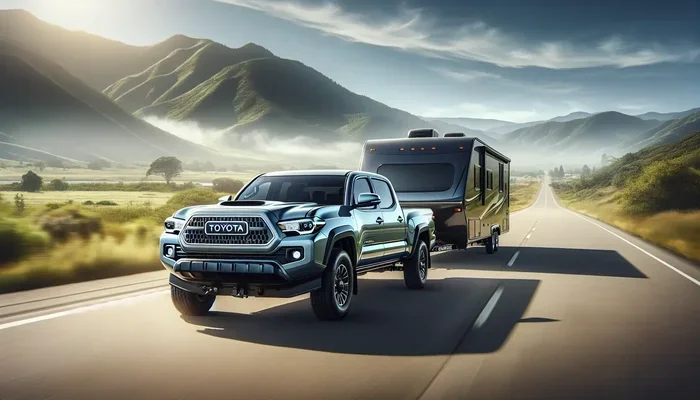
Flat towing a Toyota Tacoma is absolutely possible, but it requires the right equipment, proper setup, and a clear understanding of your specific model year. You must use a reliable tow dolly or baseplate, follow manufacturer guidelines, and check local towing laws before hitting the road. With careful preparation, your Tacoma can travel safely behind an RV or motorhome. This guide covers everything you need to know to tow confidently and avoid costly mistakes.
Key Takeaways
- Factory approval exists: Toyota allows flat towing for most Tacoma models, but you must verify your exact year and trim.
- Baseplate and hitch matter: A quality tow baseplate, safety cables, and breakaway system are non-negotiable for safe towing.
- Wheel and transmission setup: You must follow the correct procedure for steering, wheels, and transmission position to prevent damage.
- Weight limits are strict: Never exceed the tow vehicle capacity or the Tacoma’s rated towing and towing-weight limits.
- Legal and insurance checks: State laws and RV insurance policies may require specific equipment or restrictions.
- Pre-trip inspections save headaches: Check tire pressure, lights, brakes, and connections before every journey.
- Professional setup helps: If you are new to towing, a certified installer can ensure everything is aligned and rated correctly.
📑 Table of Contents
- Can You Flat Tow a Toyota Tacoma Safely
- What You Need to Know Before Flat Towing a Tacoma
- Essential Equipment for Flat Towing a Toyota Tacoma
- Step-by-Step Setup for Flat Towing a Tacoma
- Weight Limits, Tires, and Road Safety
- Legal Rules, Insurance, and State Requirements
- Expert Tips for a Smooth Flat Towing Experience
- Conclusion
Can You Flat Tow a Toyota Tacoma Safely
Many RV owners ask the same question when planning a road trip: can you flat tow a Toyota Tacoma behind a motorhome? The short answer is yes, but only if you follow the right steps. Flat towing means all four wheels of the towed vehicle stay on the ground while it rolls behind your RV. This method saves space and avoids the hassle of loading a trailer. It also works well for compact trucks like the Tacoma. Still, you must respect the truck’s design, your RV’s limits, and the laws in each state you travel through.
Towing a truck behind an RV is not as simple as hooking up a rope and driving away. You need the correct baseplate, proper safety gear, and a clear understanding of how the Tacoma handles when it is being pulled. The good news is that Toyota has built many of its trucks with towing in mind. With the right setup, your Tacoma can travel smoothly and safely. This guide walks you through the equipment, setup steps, weight limits, and common mistakes so you can tow with confidence.
If you are still comparing options, you may also want to read about can you flat tow toyota tacoma to see how different model years handle the process. Understanding the basics first will help you choose the right gear and avoid surprises on the road.
What You Need to Know Before Flat Towing a Tacoma
Before you buy any towing gear, you should check a few key details about your truck and your RV. Flat towing works best when the towed vehicle is light, has a compatible transmission, and can roll freely with the engine off or in a specific position. The Tacoma is a capable midsize truck, but it is not as light as a sedan. That means your RV must have enough towing capacity to handle it comfortably.
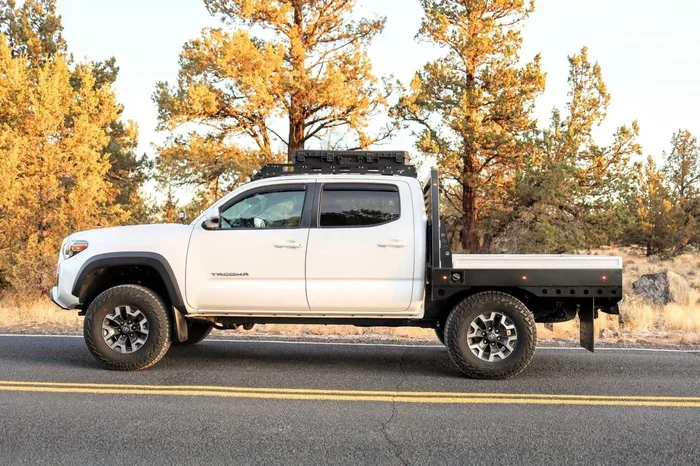
Visual guide about Toyota Tacoma flat towing
Image source: ddfab.co
You also need to confirm that your Tacoma’s drivetrain allows flat towing. Some vehicles require the transmission to be in a certain position, while others need the steering unlocked or the wheels turned a specific way. The owner’s manual is your best friend here. It lists the exact steps for your model year. If you no longer have the manual, you can usually find a digital copy online by entering your VIN.
Another important point is the difference between flat towing and other towing methods. Flat towing keeps all four wheels on the pavement. A tow dolly lifts the front wheels, while a trailer carries the entire vehicle. Each method has pros and cons. Flat towing is popular because it is simple and saves storage space. However, it does put wear on the tires and requires a reliable tow setup. If you want a deeper comparison, you can explore will a toyota tacoma pull a boat to see how the truck handles other pulling tasks.
Check Your Tacoma’s Model Year and Trim
Not every Tacoma is identical. Engine choices, axle ratios, and transmission types can affect flat towing rules. Older models may have different requirements than newer ones. Some trims may also include features that change how the steering or brakes behave when towed. Always verify the exact year, engine, and drivetrain before you buy equipment.
Know Your RV’s Towing Capacity
Your motorhome or tow vehicle must be rated to pull the Tacoma safely. Check the RV’s manufacturer specs for maximum towed vehicle weight. Remember to include the Tacoma’s curb weight, any cargo inside it, and the weight of the towing gear itself. A good rule is to leave a comfortable margin below the RV’s limit. This helps with braking, handling, and engine strain on long trips.
Essential Equipment for Flat Towing a Toyota Tacoma
Flat towing a Tacoma safely starts with the right hardware. You cannot improvise with random parts and expect good results. The gear must be rated for the weight of your truck and must attach securely to both vehicles. Here is the core equipment you will need.
- Tow baseplate: This is the main connection point on the Tacoma. It mounts to the frame and provides a clean, strong link for the tow bar.
- Tow bar: The bar connects the RV to the Tacoma. It should be adjustable and rated for your truck’s weight.
- Safety cables: These act as a backup if the tow bar disconnects. They should be crossed under the bar to catch it if it falls.
- Breakaway brake system: This activates the Tacoma’s brakes if it separates from the RV. It is a critical safety item on many roads.
- Lighting connection: You need a way to sync the Tacoma’s turn signals and brake lights with the RV. A simple wiring harness usually does the job.
- Wheel chocks and steering lock: Some setups require the steering to remain free, while others need a lock or pin. Follow the manual for your specific Tacoma.
If you are new to towing gear, it helps to read about how heavy is a toyota tacoma so you can match the equipment ratings correctly. Weight matters more than many people realize. A baseplate or tow bar that is slightly underrated can create stress, wear, and safety issues over time.
Choosing the Right Baseplate and Tow Bar
The baseplate must fit your Tacoma’s frame and provide a solid mounting surface. Look for a model that is designed specifically for your truck’s year and body style. A proper fit reduces vibration and keeps the connection stable. The tow bar should also match the Tacoma’s weight range. Adjustable bars are useful because they let you set the correct height and angle for your RV.
Safety Cables and Breakaway Systems
Safety cables are not optional. They provide a backup connection and help prevent a detached tow bar from dragging or flying loose. A breakaway system adds another layer of protection by applying the towed vehicle’s brakes if it separates from the RV. Check your state laws, because some areas require breakaway brakes for flat towing.
Step-by-Step Setup for Flat Towing a Tacoma
Once you have the gear, the setup process is straightforward if you take it one step at a time. The goal is to connect everything securely, verify the alignment, and make sure the Tacoma rolls freely without binding or dragging. Here is a simple workflow you can follow.
- Park on level ground: Choose a flat, open area with enough space to move around both vehicles.
- Align the vehicles: Back the RV close to the Tacoma, keeping the tow bar’s range of motion in mind.
- Mount the baseplate: If it is not already installed, attach the baseplate to the Tacoma’s frame according to the manufacturer’s instructions.
- Connect the tow bar: Attach the bar to the baseplate and the RV’s hitch point. Make sure the locks or pins are fully engaged.
- Attach safety cables: Cross the cables under the tow bar and connect them to the RV’s frame or designated points.
- Hook up the lighting: Connect the wiring harness so the Tacoma’s signals match the RV’s lights.
- Set the steering and transmission: Follow the manual for your Tacoma. Some models need the transmission in a specific position, and some need the steering unlocked.
- Check the wheels and tires: Confirm the tires are at the correct pressure and that nothing is rubbing against the ground or frame.
- Test the connection: Pull forward slowly and watch the tow bar, cables, and lights. Make sure everything stays tight and aligned.
If you want a quick reference for the truck’s dimensions before you set up, you can check how long is the bed on a toyota tacoma to understand the overall footprint. Knowing the length helps when you are judging clearance and alignment during the hookup.
Pre-Trip Inspection Checklist
Before every trip, walk around both vehicles and verify the setup. Look for loose pins, frayed cables, and proper light operation. Check the tire pressure on the Tacoma, even though the wheels are on the ground. A quick inspection takes only a few minutes and can prevent big problems later.
Common Setup Mistakes to Avoid
One of the most common mistakes is ignoring the transmission position. Another is forgetting to unlock the steering or failing to set the tow bar at the right height. Some owners also skip the breakaway system because they think it is unnecessary. These shortcuts can lead to wear, poor handling, or even a dangerous separation. Take the time to follow the manual and double-check every connection.
Weight Limits, Tires, and Road Safety
Flat towing is not just about hooking up the vehicles. You also need to think about weight, tire wear, and how the Tacoma behaves on the road. The truck’s weight affects braking distance, sway, and the stress on your RV’s hitch. Tire wear is another factor, because the Tacoma’s tires will roll continuously while being pulled. That means they can age faster than usual, especially on long trips.
You should also pay attention to the Tacoma’s overall weight and how it compares with your RV’s capacity. If you are unsure about the truck’s weight, you can review how heavy is a toyota tacoma to get a clearer picture. A lighter truck is easier to tow, but you still need to stay within the RV’s rated limits. Overloading the tow vehicle can cause overheating, poor braking, and unstable handling.
Tire Care While Flat Towing
Keep the Tacoma’s tires inflated to the recommended pressure. Underinflated tires can overheat and wear unevenly. Overinflated tires can reduce traction and make the truck feel unstable. It is also wise to inspect the tires before and after long drives. Look for cracks, bulges, and unusual wear patterns. If you tow frequently, rotate the tires on a regular schedule to spread the wear more evenly.
Braking and Handling on the Road
When you are flat towing, the RV does most of the braking, but the towed Tacoma still adds momentum. That means you should allow extra stopping distance and avoid sudden maneuvers. Keep a safe following distance and drive a little slower than you would without a towed vehicle. If your setup includes a brake controller or breakaway system, test it before you leave. Smooth driving protects both vehicles and makes the trip more comfortable.
Legal Rules, Insurance, and State Requirements
Towing laws vary by state, and some areas have specific rules for flat towing. You may need a breakaway brake system, a certain type of lighting connection, or a specific maximum towed weight. It is smart to check the requirements for each state on your route. A quick online search or a call to a local DMV office can save you from fines and delays.
Insurance is another important piece of the puzzle. Your RV policy may cover towed vehicles, but it might not cover everything. Some policies require approved equipment or limit coverage to certain towing methods. Call your insurer and ask exactly what is covered when you flat tow a Tacoma. If you are leasing or planning to trade in the vehicle later, you may also want to review can you trade in a toyota lease to another dealership so you understand your options if your plans change.
Documentation and Preparation
Keep a copy of the Tacoma’s owner’s manual, the towing gear instructions, and any state-specific requirements in your RV. It helps to have the setup steps written down, especially if you are traveling with a partner or renting the RV. Good documentation makes the process faster and reduces the chance of missing a step.
When to Get Professional Help
If you are not comfortable installing the baseplate or routing the wiring, a professional can help. A certified installer can also verify that the equipment is rated correctly and mounted securely. This is especially useful if you plan to tow often or travel long distances. A proper installation gives you peace of mind and helps the system last longer.
Expert Tips for a Smooth Flat Towing Experience
Experienced towers know that preparation and consistency make the biggest difference. A few simple habits can keep your Tacoma and RV in good shape while making each trip easier. Here are some practical tips to keep in mind.
- Match the gear to the truck: Use equipment that is designed for your Tacoma’s year, weight, and drivetrain.
- Keep the setup consistent: Use the same connection points and procedures every time. Consistency reduces mistakes.
- Monitor tire wear: Check the Tacoma’s tires regularly, especially on long trips or hot days.
- Drive smoothly: Avoid hard braking, sharp turns, and sudden acceleration. Gentle driving protects both vehicles.
- Store the gear properly: Keep the tow bar, cables, and lighting parts clean and dry when they are not in use.
- Review the manual often: Model-year changes can affect the towing process, so keep the manual handy.
If you are curious about how the Tacoma compares with other Toyota trucks for towing, you might also look at can a toyota tundra tow a fifth wheel to understand the differences between midsize and full-size options. The Tacoma is a versatile truck, but it is not built for every heavy towing task. Knowing its strengths helps you use it the right way.
Quick Tips for First-Time Towers
Start with a short practice trip close to home. Hook up the Tacoma, drive a few miles, and stop to check everything. This gives you a chance to spot loose connections, lighting issues, or handling concerns before you head out on a long journey. It also helps you build confidence with the setup process.
Key Takeaways for Safe Flat Towing
Flat towing a Tacoma can be a reliable and convenient way to bring your truck along on an RV trip. The key is to use the right equipment, follow the manufacturer’s steps, and stay within weight and legal limits. With a careful setup and a smooth driving style, you can enjoy the road without worrying about your towed vehicle.
Conclusion
So, can you flat tow a Toyota Tacoma safely? Yes, you can, as long as you use the correct baseplate, tow bar, safety cables, and lighting connection. You also need to follow the Tacoma’s manual for transmission position, steering, and wheel setup. Keep the truck’s weight in mind, match it to your RV’s capacity, and check the laws in each state you travel through. Tire care, smooth driving, and regular inspections will help everything stay in good condition.
Flat towing is a practical choice for many RV owners because it saves space and keeps the Tacoma ready for local trips and off-road exploration. With the right preparation, you can tow confidently and enjoy the journey. Take the time to set up correctly, verify your gear, and drive with care. That is the best way to make flat towing a Toyota Tacoma a safe and stress-free experience.
Frequently Asked Questions
Can you flat tow a Toyota Tacoma with all four wheels on the ground?
Yes, you can flat tow a Toyota Tacoma with all four wheels on the ground if you use the correct baseplate, tow bar, and safety equipment. You must also follow the manufacturer’s instructions for your specific model year. Always verify the transmission position and steering setup before towing.
What equipment do I need to flat tow a Toyota Tacoma?
You need a tow baseplate mounted to the Tacoma’s frame, a rated tow bar, safety cables, a lighting connection, and often a breakaway brake system. The exact parts depend on your truck’s year and your RV’s hitch setup. Using gear that matches the Tacoma’s weight is essential for safe towing.
Is flat towing a Toyota Tacoma legal in every state?
Not necessarily. Some states have specific rules for flat towing, including requirements for breakaway brakes, lighting, or maximum towed weight. You should check the laws for each state on your route before you travel. A quick review of local regulations can help you avoid fines and safety issues.
Do I need to put the Toyota Tacoma in neutral when flat towing?
Many Toyota Tacomas require a specific transmission position for flat towing, and some models need the transmission in neutral or a special towing setting. The owner’s manual explains the exact procedure for your vehicle. Following the manual helps prevent transmission damage and ensures the truck rolls properly.
How much weight can my RV tow when flat towing a Tacoma?
That depends on your RV’s rated towing capacity and the Tacoma’s weight with any cargo inside it. You should stay comfortably below the RV’s maximum towed weight to maintain safe braking and handling. Checking the Tacoma’s weight and your RV’s specs before you tow is a smart step.
Will flat towing wear out the Tacoma’s tires faster?
Flat towing can increase tire wear because the wheels roll continuously while the engine is not driving them. Proper tire pressure, regular inspections, and periodic rotation can help reduce uneven wear. If you tow often, keep a close eye on the tires and replace them when needed.