
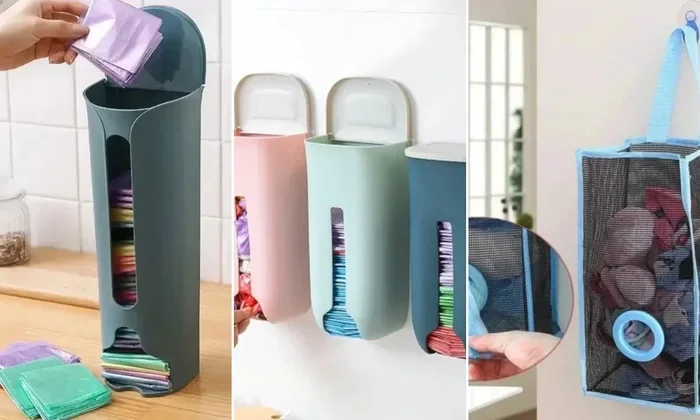
Featured image for how to organized plastic grocery bags
Image source: fizzyflare.com
Plastic grocery bags can quickly take over your kitchen if you do not have a simple system for them. This guide shows you how to store plastic grocery bags efficiently at home using a few easy tricks that save space and reduce clutter. You will learn practical ways to fold, hang, tuck, and sort bags so they stay neat until you need them again.
If you have ever opened a drawer and found a messy pile of plastic grocery bags spilling everywhere, you know how fast they can take over a small space. They are useful, but they do not organize themselves. The good news is that you can store them neatly without buying anything fancy or spending a lot of time. In this guide, you will learn how to store plastic grocery bags efficiently at home using simple methods that fit real kitchens, small apartments, and busy routines.
We will cover easy folding ideas, container options, hanging solutions, and a few habits that keep your bag collection under control. You will also find tips for sorting bags by size, avoiding common storage problems, and choosing a setup you will actually keep using. The goal is not perfection. The goal is a system that works.
📑 Table of Contents
- Start With a Quick Bag Sort
- Choose a Storage Spot That Fits Your Space
- Fold the Bags So They Take Less Space
- Pick a Container That Keeps Bags Contained
- Try Hanging Storage If You Are Short on Space
- Sort and Label Bags for Faster Use
- Build a Habit So the System Stays Clean
- Troubleshooting Common Bag Storage Problems
- Make the Setup Work for Your Home
- A Simple Way to Keep Plastic Bags Under Control
Start With a Quick Bag Sort
Before you build a storage system, it helps to look at the bags you already have. Not all plastic grocery bags are the same. Some are larger and stronger, while others are thin and small. If you mix them all together, the storage spot can become bulky and hard to manage.
Separate the bags you use most
Start by making three simple groups. Put the bags you reach for often in one pile. These might be the bags you use for trash cans, pet waste, or quick cleanups. Put the bags that are torn, stretched, or sticky in another pile for recycling or disposal. Then set aside any bags that are much larger or smaller than the rest.
This small sorting step makes the rest of the process easier. You will know what you are keeping, what you actually use, and what is only taking up space. If you have a lot of damaged bags, it may be time to reduce the collection instead of storing everything.
Match bags to real household jobs
Think about how you use plastic bags in your home. Maybe you keep one in the kitchen for food scraps, another in the bathroom for small trash, and another in the laundry room for cleaning up lint or dust. When you know the jobs you need them for, you can store the right sizes where they make the most sense.
For example, larger bags can stay near the kitchen trash area, while smaller bags can live in a drawer or hanging pocket closer to where you clean. That way, you are not digging through one giant pile every time you need a bag.
Choose a Storage Spot That Fits Your Space
The best storage spot is the one you will use without thinking about it. If the bags are too hidden, you forget them. If they are too out in the open, they can look messy. A good balance makes daily life easier.
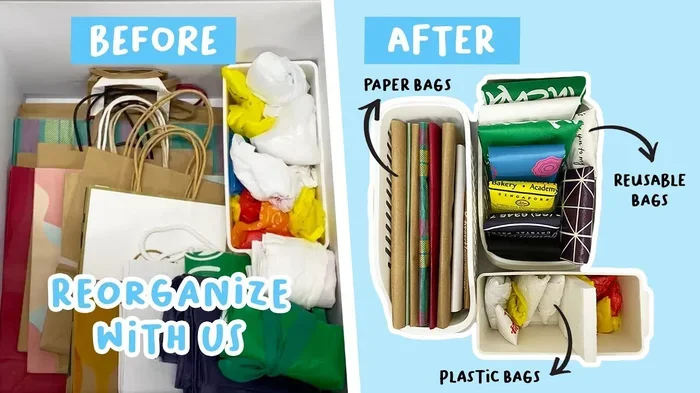
Visual guide about how to organized plastic grocery bags
Image source: i.ytimg.com
Use a spot you already touch often
Look for a place near your kitchen, mudroom, pantry, or laundry area. A shelf, drawer, cabinet hook, or even the side of a closet door can work well. The main idea is to keep the bags close to where you usually unpack groceries or throw things away.
If you have a small kitchen, you may want a solution that does not take up counter space. If you have a little extra room, a basket or bin might be enough. There is no single best answer, because the right choice depends on how much space you have and how often you need the bags.
Keep the storage easy to reach
A storage spot should be easy to open, easy to put bags into, and easy to grab from. If the system feels annoying, you will stop using it. That is usually when clutter comes back.
Try to choose a spot that does not require a ladder, a special tool, or a lot of effort. The simpler the setup, the more likely it is to become part of your routine.
Fold the Bags So They Take Less Space
One of the easiest ways to store plastic grocery bags efficiently is to fold them into smaller shapes. Loose bags take up a lot of room because they trap air and overlap in uneven ways. Folding helps them stack better and makes it easier to pull one out without disturbing the whole pile.
Try a simple triangle fold
Lay one bag flat on a clean surface. Straighten the handles so the bag is smooth. Fold it in half lengthwise, then fold it in half again if needed. After that, fold the bottom of the bag up toward the handles to make a compact shape. You can then tuck the loose end under or around the folded bundle to keep it together.
This kind of fold works well when you want to stack bags in a drawer or bin. It also makes the bags feel more orderly, even if you are not using a fancy organizer. The goal is not to make each bag look identical. The goal is to make the pile easier to manage.
Use a quick square fold for smaller bags
If you have thinner or smaller bags, a square fold may work better. Flatten the bag, fold it once or twice, and press out extra air. A tighter square shape is easier to tuck into a small container or hang in a pocket-style organizer.
If you fold a lot of bags at once, it can help to do it while watching TV or during another quiet task. A few minutes of folding can turn a messy pile into a neat stack.
Pick a Container That Keeps Bags Contained
A container gives your bags a clear home. It also keeps them from spreading into other items. The container does not have to be expensive. It just needs to be sturdy enough and easy to use.
Use a bin, basket, or sturdy box
A small plastic bin, a fabric basket, or a clean box can all work well. If the container is open at the top, it is easy to drop bags in and take them out. If you want a little more control, choose a container with a wide opening so folded bags can slide in smoothly.
Place the container somewhere you will remember, like a lower cabinet shelf, a pantry corner, or a shelf near the kitchen. If you use the bags often, keep the container in the most convenient place rather than the most hidden one.
Add a simple divider if needed
If you store different bag sizes together, a divider can help keep them from turning into one big lump. You can use a small piece of cardboard, a second container inside a larger one, or even two separate piles side by side. The idea is to make it easier to find the size you want without digging.
This is especially helpful if you use some bags for trash liners and others for quick cleanup jobs. When the bags are separated, you spend less time sorting through the whole container.
Try Hanging Storage If You Are Short on Space
Hanging storage is a smart choice when drawer or counter space is limited. It can also make bags easier to see and grab. If you have a cabinet door, wall, or hook-friendly spot, hanging storage may be a good fit.
Use a hook and a lightweight holder
You can hang a small organizer, fabric pouch, or even a sturdy loop of fabric over a hook. If you use a pouch with pockets, each pocket can hold a few folded bags. That makes it easy to separate sizes or keep a few bags in each pocket for quick access.
Make sure the hook is secure and the holder is not too heavy when filled. A simple setup works better than a complicated one that feels awkward to use.
Hang bags by the handles in a neat row
Another option is to hang a small group of bags by their handles over a hook or bar. This works best when the bags are folded or gathered tightly so they do not tangle. You can keep a few bags together in a bundle and hang that bundle where it is easy to reach.
This method is useful if you want the bags visible instead of tucked away. It can also be handy in a laundry room, garage shelf area, or entry space where a hook is already available.
Sort and Label Bags for Faster Use
If your household uses plastic bags for several different tasks, sorting them can save time. You do not need a complicated labeling system. A little organization goes a long way.
Group bags by size or purpose
You might keep one group for kitchen trash can liners, one group for smaller bathroom bins, and one group for miscellaneous cleanup. If size matters most, sort by large, medium, and small. If purpose matters more, sort by the job you do most often.
The best system is the one that matches how your home actually works. If you only use bags for one or two tasks, keep the system simple. If you use them for many tasks, a little sorting can make a big difference.
Add a simple label if it helps
A label can be as basic as a piece of tape, a sticky note, or a small card clipped to a container. You can write words like “kitchen,” “small bins,” or “cleanup bags.” This is helpful if other people in the home also need to find and return bags easily.
Do not overcomplicate it. If a label makes the system clearer, use one. If it feels unnecessary, skip it.
Build a Habit So the System Stays Clean
A storage system works best when it becomes part of your routine. If bags are folded and put away regularly, they are much less likely to pile up again.
Return bags to the same spot each time
After you empty groceries or reuse a bag, put it back in the storage spot instead of leaving it on the counter or near the sink. If the bag is still in good shape, fold it quickly and drop it into the container or hanging holder.
This one habit prevents the most common problem: bags spreading through the kitchen because nobody has a clear place to put them.
Do a short reset every so often
Once in a while, check the storage spot and remove any bags that are torn, sticky, or no longer useful. Refold the remaining bags if they have become loose again. This keeps the system from slowly turning messy over time.
A quick reset does not have to be a big project. A few minutes is often enough to bring the system back under control.
Troubleshooting Common Bag Storage Problems
Even a good system can get messy if the setup does not match your habits. Here are a few common issues and simple ways to fix them.
The bags keep spilling out
If bags are spilling, the container may be too small, too full, or too awkward to use. Try a larger bin, a tighter folding method, or a hanging holder with more structure. You can also reduce the number of bags you keep if the pile is simply too big.
I forget where the bags are
If the bags are hidden in a hard-to-remember place, move them somewhere more convenient. A visible container or hanging spot is often better than a tucked-away drawer you rarely open.
The bags get tangled
Tangling usually happens when bags are stored loose and unfolded. Folding them more tightly and separating them into smaller groups can help a lot. A container with a narrower opening or a pocket-style organizer can also reduce tangling.
There are too many bags to store comfortably
If the collection has grown too large, it may be time to use fewer bags or recycle the excess. Keep the bags you actually use and let go of the ones that are damaged or rarely needed. A smaller collection is easier to store and easier to manage.
Make the Setup Work for Your Home
The best bag storage setup is the one that feels natural in your space. A family kitchen may need a larger bin, while a small apartment may work better with a hanging pouch or compact drawer organizer. A laundry room might need a hook-based solution, while a pantry might be better for a simple shelf container.
Think about how often you use the bags, where you unpack groceries, and where trash bins are located. Then choose the simplest option that fits those habits. If the system saves time and reduces clutter, it is doing its job.
A Simple Way to Keep Plastic Bags Under Control
Learning how to store plastic grocery bags efficiently at home does not require fancy tools or a major renovation. It usually comes down to three things: a good spot, a simple folding habit, and a container or hanging setup that keeps bags together. Once those pieces are in place, the bags become easier to find, easier to reuse, and much less likely to create clutter.
Start small. Sort the bags you already have, choose one storage spot, and try one folding or hanging method. If it works, keep using it. If it does not, adjust the setup until it feels easy. A practical system should make your home feel more organized, not more complicated.