
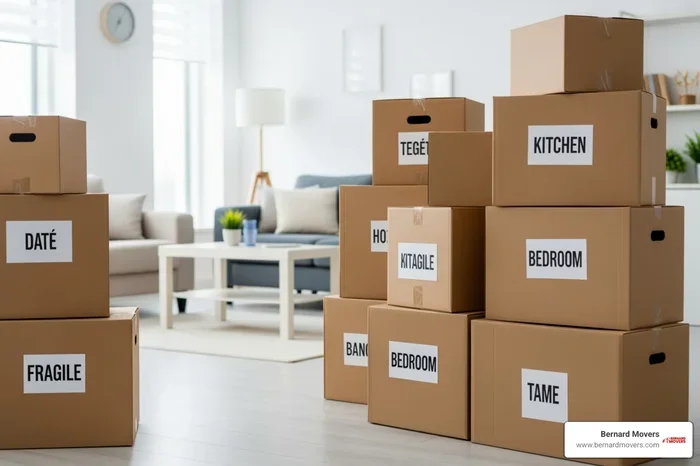
Featured image for how to organized moving boxes in new home
Image source: images.bannerbear.com
Moving becomes much easier when you label every box clearly and pack by room instead of by random item type. A simple system for inventory, weight balance, and fragile items can save time on moving day. With a little planning, you can unpack faster and feel more in control from start to finish.
Moving day can feel overwhelming, especially when boxes start piling up in every room. The good news is that a little organization goes a long way. When you organize moving boxes before and during the move, you can reduce confusion, protect your belongings, and make unpacking much easier. This guide walks you through a simple system you can use from the first packing session to the moment you settle into your new home.
You will learn how to plan your boxes, label them in a useful way, pack by room, handle fragile items safely, and keep track of what is inside each carton. The goal is not perfection. The goal is a clear, repeatable method that helps you stay calm and efficient. If you are moving yourself or working with helpers, these steps can make the whole process smoother.
📑 Table of Contents
- Step 1: Set Up a Simple Box System Before Packing
- Step 2: Pack One Room at a Time
- Step 3: Label Each Box So It Is Easy to Unpack
- Step 4: Pack Heavier Items in Smaller Boxes
- Step 5: Protect Fragile Items Carefully
- Step 6: Create an “Open First” Box
- Step 7: Stack and Load Boxes With Stability in Mind
- Step 8: Unpack With the Same System You Used to Pack
- Troubleshooting Common Packing Problems
- Final Tips for a Calmer Move
Step 1: Set Up a Simple Box System Before Packing
The easiest way to organize moving boxes is to decide on a system before you pack anything. If you wait until boxes are already sealed, it becomes much harder to keep things consistent. Start by choosing a labeling method that everyone involved can understand quickly. That could be colored tape, large printed labels, or thick markers with a clear writing style.
Choose one labeling style and stick with it
Pick one method and use it on every box. For example, you might write the destination room in large letters on two sides of the box. You can also add a short note about the main contents, such as “kitchen—pots and dinnerware” or “bedroom—winter clothes.” The important part is consistency. If one box says “kitchen” and another says “cookware,” it can create confusion later.
Gather supplies before you start
Before packing begins, collect enough sturdy boxes, strong tape, labels or markers, bubble wrap, packing paper, and a few extra pads for fragile items. Having supplies nearby helps you stay focused instead of stopping to search for materials. It also makes it easier to pack carefully, which matters when you want your boxes to stay neat and protected.
Decide how you will track box contents
Some people like a written inventory list, while others prefer a color code or number system. You might number each box and keep a separate list of what is inside. Or you might use one color for the kitchen, another for the living room, and another for bedrooms. The best system is the one you will actually use. If it is too complicated, it may slow you down instead of helping.
Step 2: Pack One Room at a Time
One of the smartest ways to organize moving boxes is to pack room by room. This keeps similar items together and makes unpacking much more predictable. When boxes are mixed from different rooms, it becomes harder to place them in the right area of the new home.
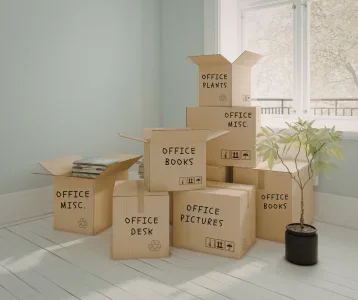
Visual guide about how to organized moving boxes in new home
Image source: pigybak.com
Start with the easiest room
Many people begin with a room that has fewer sentimental items or less daily use, such as a guest room, storage area, or home office shelf. An easier room helps you build momentum and practice your system before tackling more complicated spaces. It also gives you a chance to see how many boxes you are creating and adjust your plan if needed.
Keep room items together
As you pack, try to keep each room’s boxes grouped together. If possible, place them near the doorway or in a designated corner so they are easy to load later. This is especially helpful if more than one person is packing. When everyone knows where each room’s boxes belong, the process feels more organized and less chaotic.
Use a “donate” and “decide later” plan
Moving is a good time to reduce clutter. Set aside a box or bag for items you no longer need. If you come across something you are unsure about, place it in a separate pile instead of packing it automatically. This can save space in your boxes and prevent you from moving things you do not really want to keep.
Step 3: Label Each Box So It Is Easy to Unpack
Good labels are one of the most useful parts of any plan to organize moving boxes. A label should tell you what room the box belongs to, what is inside, and whether it needs special handling. If you pack with movers, helpers, or family members, clear labels can save a lot of back-and-forth questions.
Write the room first
The room name should be the most visible part of the label. Use large, easy-to-read letters on at least two sides of the box. That way, the box can be identified even if one side is facing a wall or stacked behind another box. Common room labels include kitchen, master bedroom, bathroom, living room, home office, and garage.
Add a short content note
After the room, add a brief description of the main contents. You do not need to list every item, but a note like “books and office supplies” or “bathroom towels and toiletries” can be very helpful. This makes it easier to find priority items without opening several boxes.
Mark special boxes clearly
Use obvious labels for boxes that need extra attention. Words like “fragile,” “heavy,” “open first,” or “this side up” can help handlers understand what to do. If a box contains dishes, glassware, electronics, or other delicate items, make that clear on multiple sides. The more visible the label, the better.
Step 4: Pack Heavier Items in Smaller Boxes
Box weight matters more than many people expect. A box that is too heavy can be hard to carry, more likely to drop, and tougher on your back. When you organize moving boxes with weight in mind, you make the move safer and easier for everyone involved.
Use smaller boxes for dense items
Books, tools, canned goods, and other heavy items usually fit better in smaller boxes. It may be tempting to fill a large box to avoid extra trips, but an overfilled box can burst or become impossible to lift safely. Smaller boxes help you keep the weight manageable and reduce the chance of damage.
Use larger boxes for lighter items
Larger boxes work well for lighter things like bedding, pillows, linens, and soft clothing. These items take up space but do not add much weight. Just be careful not to make the box too bulky or awkward to carry. A box should be easy to hold and move without straining.
Fill empty spaces to prevent shifting
Empty space inside a box can cause items to move around during transport. Use packing paper, soft clothing, or bubble wrap to fill gaps and keep contents snug. This is especially important for fragile items, but it also helps general boxes stay neater and more stable when they are stacked.
Step 5: Protect Fragile Items Carefully
Fragile belongings deserve extra attention when you organize moving boxes. Breakables are not only easier to damage, they can also create a lot of stress if they are packed poorly. A careful approach can reduce the risk of chips, cracks, and broken pieces.
Wrap items individually
Dishes, glasses, decor, and other breakable items should be wrapped one at a time whenever possible. Packing paper or bubble wrap can help cushion each piece. If you are using boxes with dividers, make sure each item sits securely and does not press against the others.
Use the right box for delicate items
Some items are better in specialized boxes, such as dish packs or smaller sturdy cartons. These boxes can help keep weight distributed and reduce pressure on fragile pieces. If you do not have specialty boxes, a smaller regular box with careful padding may be a good alternative.
Mark fragile boxes and keep them accessible
After packing breakables, label the box clearly and avoid stacking heavy cartons on top of it. If possible, keep fragile boxes in a place where they can be moved with extra care. This is one of the simplest ways to protect your items while still keeping the overall move organized.
Step 6: Create an “Open First” Box
An open-first box is one of the most helpful things you can prepare when you organize moving boxes. It contains the items you will want during the first few hours or the first night in your new place. Instead of searching through multiple cartons, you can grab one box and find the basics right away.
Include daily essentials
Think about what you will need immediately. This might include toiletries, phone chargers, a change of clothes, basic medications, paper towels, snacks, a box cutter or scissors, and important documents. If you have children or pets, include any supplies they may need quickly.
Keep it easy to reach
This box should be obvious and accessible. You might label it in a bright color or place it near the front of the moving truck if you are loading it yourself. The goal is to make sure it is one of the first things you can get to when you arrive.
Make one per household if needed
If your household has different needs, you may want more than one open-first box. One person may need work essentials, while another may need bedtime items or baby supplies. A few targeted boxes can make the first evening much calmer.
Step 7: Stack and Load Boxes With Stability in Mind
Even well-packed boxes can become messy if they are stacked poorly. How you arrange boxes on the floor, in a room, or in a vehicle can affect both safety and ease of unloading. When you organize moving boxes for transport, think about balance, weight, and access.
Put heavy boxes on the bottom
Heavier boxes should usually go beneath lighter ones. This helps prevent crushing and keeps the stack more stable. If a light box is placed under a heavy one, it may sag, shift, or get damaged more easily.
Keep stacks manageable
Tall stacks can look efficient, but they can also become unstable if the boxes are not aligned well. Try to keep stacks at a height you can handle safely. If a stack feels wobbly, it is better to reduce its height than to risk a fall.
Leave a clear path for moving day
When boxes are in a home or loading area, keep walkways open wherever possible. A clear path helps people move boxes out safely and reduces the chance of tripping or bumping into furniture. This is especially important if several people are helping and boxes are moving quickly.
Step 8: Unpack With the Same System You Used to Pack
The way you pack should make unpacking easier, not harder. If you organize moving boxes by room, label them clearly, and keep essentials separate, the unpacking process can follow the same logic. That means fewer random boxes, less searching, and a more manageable first week.
Start with the rooms you use most
Many people begin with the bedroom, bathroom, or kitchen because those spaces are needed right away. Unpacking the most important rooms first can help you settle in faster. If you have an open-first box, use it to cover immediate needs while you work on the rest.
Place boxes in the correct room before opening them
Before you start unpacking, move each box to its destination room if you have not already done so. This keeps the new space from becoming cluttered with mixed boxes. It also helps you see what still needs to be unpacked and where.
Break down boxes as you go
As each box is emptied, flatten it and set it aside. This keeps the area cleaner and makes it easier to recycle or reuse the boxes later. It also gives you a visual sense of progress, which can be motivating when unpacking feels like a long task.
Troubleshooting Common Packing Problems
Even with a good plan, moves rarely go exactly as expected. Here are a few common issues and simple ways to handle them.
Too many boxes
If you end up with more boxes than you expected, look for items you can donate, discard, or pack more efficiently. Sometimes combining loose items or removing unnecessary packaging can reduce the total number of boxes. It may also help to repack a few boxes so they are fuller and more balanced.
Boxes are hard to identify
If labels are missing or unclear, reopen the box and rewrite the label before it gets mixed in with the others. It is faster to fix one box immediately than to guess later during unpacking. If you used a number system, check your list and update it if anything changed.
Fragile items feel loose
If something shifts inside a box, add more padding before sealing it. A snug fit is important for breakables. If needed, wrap the item again or use a smaller box so the contents are better supported.
Heavy boxes are too difficult to move
If a box is too heavy, remove some items and split them into two boxes. It is better to have two manageable boxes than one that is hard to lift. Ask for help early if a box needs extra hands.
Final Tips for a Calmer Move
A stress-free move is less about doing everything perfectly and more about creating a system you can follow. When you organize moving boxes with clear labels, room-by-room packing, and safe stacking, you give yourself a much better chance of staying on track. Small habits, like labeling two sides of each box and preparing one open-first box, can make a big difference.
It also helps to pace yourself. Packing everything at the last minute can make the process feel rushed and chaotic. If you start early, keep your system simple, and check each box before it is sealed, the move becomes much more manageable. A little structure now can save a lot of frustration later.
If you want, I can also turn this into a version with more room-by-room packing examples, a printable box inventory checklist, or a shorter checklist-style post for social media.