
How Long Can a Toyota Tacoma Last? Most owners see 200,000 to 300,000 miles with proper care. Regular maintenance, quality parts, and smart driving habits extend its life significantly. This guide shares expert tips to keep your Tacoma running strong for years.
Key Takeaways
- Exceptional Longevity: A well-maintained Toyota Tacoma easily reaches 200,000 to 300,000 miles.
- Routine Maintenance Matters: Oil changes, fluid checks, and timely repairs prevent major breakdowns.
- Engine and Transmission Durability: Tacoma powertrains handle heavy workloads and extreme conditions reliably.
- Rust Prevention Is Critical: Regular washing, undercoating, and storage habits protect the frame and body.
- Driving Style Impacts Lifespan: Smooth acceleration, proper braking, and avoiding overloads reduce wear.
- Quality Parts and Fluids: Using genuine or high-grade components keeps systems running smoothly.
- Professional Inspections Help: Scheduled checkups catch small issues before they become costly repairs.
📑 Table of Contents
- How Long Can a Toyota Tacoma Last With Proper Care
- Understanding the Toyota Tacoma Lifespan
- Key Factors That Affect How Long a Toyota Tacoma Lasts
- Maintenance Tips to Maximize Tacoma Longevity
- Common Issues and How to Prevent Them
- Real-World Mileage and Owner Experiences
- Cost of Ownership and Long-Term Value
- Best Practices for Daily Use and Storage
- Final Thoughts on Tacoma Durability
How Long Can a Toyota Tacoma Last With Proper Care
If you want a truck that keeps going mile after mile, the Toyota Tacoma stands out. How Long Can a Toyota Tacoma Last? Most owners report 200,000 to 300,000 miles with basic care. Some even push past 400,000 miles when they treat the truck well. This pickup earned a strong reputation for toughness, reliability, and everyday usability. It handles work sites, weekend trails, and long highway trips with ease. The real secret lies in consistent maintenance and smart driving habits. When you stay on top of oil changes, fluid checks, and small repairs, the Tacoma rewards you with years of dependable service.
This guide breaks down exactly what affects the Tacoma lifespan. You will learn which parts need attention, how to prevent rust, and what driving habits help the engine and transmission last longer. We also share practical tips for storage, winter care, and cost planning. By the end, you will know how to keep your Tacoma strong for the long haul.
Understanding the Toyota Tacoma Lifespan

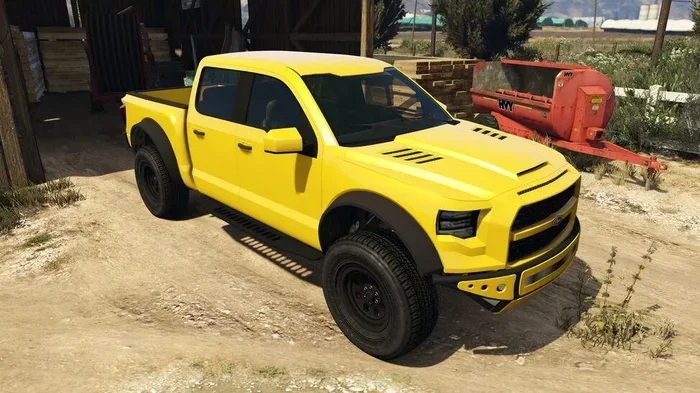
Visual guide about Toyota Tacoma exterior shot
Image source: gtabase.com
The Tacoma lifespan depends on several factors. Build quality matters a lot. Toyota designs these trucks with durable components and simple mechanics. That approach reduces failure points and makes repairs easier. Many owners see the 200,000 mile mark without major issues. With careful use, the truck can reach 300,000 miles or more. The key is consistency. A Tacoma that gets regular attention usually outlives competitors in the same price range.
Several things shape how long the truck lasts:
- Maintenance schedule: Following the owner manual keeps engines and transmissions healthy.
- Driving conditions: City traffic, towing, and off-road use create different wear patterns.
- Climate: Salt, moisture, and extreme heat affect metal parts and fluids.
- Parts quality: Genuine or high-grade components reduce strain on critical systems.
Quick Tip: Keep a simple log of oil changes, tire rotations, and repairs. A small notebook or phone note helps you spot patterns and stay ahead of problems.
What the Numbers Really Mean
Mileage tells only part of the story. A Tacoma with 200,000 miles can run like new if the previous owner cared for it. Another truck with 100,000 miles may need work if it sat unused, missed oil changes, or faced harsh conditions. Service history matters more than the odometer alone. When you shop for a used Tacoma, ask for records and inspect the frame, engine bay, and interior. A well-kept high-mileage Tacoma often beats a neglected low-mileage one.
Engine and Transmission Durability
The Tacoma engine and transmission handle daily work with ease. These powertrains use proven designs and strong internal parts. Regular oil changes protect the engine bearings, pistons, and valves. Clean transmission fluid helps gears shift smoothly and reduces heat. Many owners report smooth performance well past 200,000 miles. If you tow or haul often, check the cooling system and change fluids on time. These habits reduce wear and keep power delivery steady.
If you want to compare towing limits across Toyota trucks, see How Much Can A Toyota Tacoma Tow. Knowing your truck limits helps you avoid strain and plan trips with confidence.
Key Factors That Affect How Long a Toyota Tacoma Lasts
Several habits and conditions shape the Tacoma life expectancy. You control many of them. Good choices add years to the truck. Bad habits shorten its life. Here are the main factors to watch.
Maintenance Habits
Routine care is the biggest factor. Oil changes, filter swaps, and fluid checks keep the engine and transmission healthy. Brake inspections prevent safety issues and save rotors. Tire rotations balance wear and improve handling. When you follow the schedule, small problems stay small. Ignoring basics lets minor issues grow into costly repairs.
Common Mistakes: Skipping oil changes, using cheap filters, and waiting for noises before acting. These habits speed up wear and reduce reliability.
Driving Style and Load
How you drive matters. Smooth acceleration and gentle braking reduce stress on the engine, transmission, and brakes. Heavy loads and frequent towing increase heat and strain. If you carry cargo often, check tire pressure, suspension parts, and brakes more often. Avoid sudden starts and hard stops when possible. Calm driving helps the Tacoma last longer.
Climate and Environment
Salt on roads, humidity, and mud accelerate rust and corrosion. If you live in a snowy region, wash the truck often and rinse the undercarriage. Store the truck in a dry place when you can. In hot climates, monitor coolant levels and keep the radiator clean. Extreme weather affects rubber seals, hoses, and batteries. Simple protection steps make a big difference.
Maintenance Tips to Maximize Tacoma Longevity
You do not need fancy tools to keep a Tacoma healthy. You need a steady routine. Here are the core tasks that protect the truck.
Oil Changes and Fluid Checks
Change the oil on schedule. Use the viscosity and specification recommended in the manual. Fresh oil lubricates moving parts and traps contaminants. Check coolant, brake fluid, power steering fluid, and transmission fluid regularly. Low or dirty fluids cause heat, friction, and wear. Top them off and replace them when due.
Quick Tip: Keep a spare quart of oil and a funnel in the bed. A small top-off on a long trip can prevent engine stress.
Tires, Brakes, and Suspension
Tires wear faster when pressure is low or alignment is off. Check pressure each month and before long drives. Rotate tires to spread wear evenly. Inspect brakes for pad thickness, rotor condition, and fluid leaks. Suspension parts like shocks and bushings also need attention. Worn parts affect handling and increase stress on other components.
Battery and Electrical System
A strong battery helps the Tacoma start every time. Clean terminals, check connections, and test the battery during seasonal changes. If the key fob starts acting up, a quick fix often helps. You can learn How To Change The Battery In A Toyota Key Fob to restore smooth access and avoid lockouts.
Resetting Service Lights
Modern Toyotas track maintenance intervals. When you complete a service, reset the indicator so the system stays accurate. If you need help, read How To Reset The Maintenance Light On A Toyota. Keeping the schedule clear helps you stay on track.
Common Issues and How to Prevent Them
No truck is perfect. The Tacoma has a strong record, but some areas need attention. Knowing what to watch for helps you act early.
Rust and Corrosion
Rust starts small and spreads fast. Paint chips, rock damage, and trapped moisture create weak spots. Wash the truck often, especially after winter roads or muddy trails. Touch up paint chips. Consider a quality undercoat in salty regions. Check the frame, wheel wells, and door bottoms during inspections.
Suspension and Steering Wear
Bushings, ball joints, and tie rods wear over time. Listen for clunks over bumps and feel for loose steering. Replace worn parts before they damage other pieces. Smooth roads help, but real use creates wear. Regular checks keep the ride stable and safe.
Engine and Transmission Stress
Heat and neglect cause most powertrain issues. Keep the cooling system working well. Replace hoses and belts when they show age. Use the right fluid types. Avoid overheating by watching temperature gauges during tough drives. If you tow often, review How Much Can A Toyota Tundra Tow to understand how Toyota trucks handle heavy loads across the lineup.
Expert Insight: Treat small leaks, odd noises, and warning lights as early signals. Fixing them fast usually costs less and protects the rest of the truck.
Real-World Mileage and Owner Experiences
Many owners share stories of high-mileage Tacomas that still run well. These trucks often have steady service histories and sensible driving habits. Some reach 250,000 miles with only routine work. Others pass 300,000 miles after replacing wear items like brakes, suspension parts, and sensors. The pattern is clear: care matters more than luck.
Several factors show up in successful long-term ownership:
- Consistent oil and fluid changes
- Prompt repair of small issues
- Rust prevention in harsh climates
- Reasonable load and towing habits
- Quality parts during replacements
If you compare the Tacoma with other Toyota models, you see a shared reputation for durability. For example, many Corolla owners also enjoy long service lives. You can read How Many Miles Can A Toyota Camry Last to see how Toyota cars and trucks compare in longevity.
Quick Tip: Join local Tacoma owner groups. Experienced owners share model-year tips, common fixes, and trusted repair shops.
Cost of Ownership and Long-Term Value
A Tacoma costs more upfront than some compact trucks, but it often delivers strong long-term value. Durable parts, widely available service, and a large owner community help keep repair costs reasonable. Fuel economy stays practical for a mid-size pickup. Insurance and registration vary by region, so check local rates. When you plan ahead, the total cost of ownership stays manageable.
Here is a simple comparison to guide your thinking:
| Factor | What to Expect | Why It Matters |
|---|---|---|
| Routine Maintenance | Oil, filters, fluids, tires | Prevents major failures and keeps performance steady |
| Repairs | Moderate, often affordable | Common parts and strong support reduce downtime |
| Fuel Use | Practical for class | Balanced power and efficiency suit daily use |
| Rust Protection | Important in cold regions | Frame and body care preserve value and safety |
| Resale Appeal | Strong | Demand stays high for clean, well-maintained examples |
If you are weighing purchase options, check How Much Is A Toyota Tacoma for pricing context. Knowing the market helps you budget for both the buy and the long-term care.
Best Practices for Daily Use and Storage
Daily habits shape the Tacoma lifespan. Use the truck in ways that match its design. Avoid repeated abuse, and protect it during downtime.
Smart Driving Habits
- Warm up the engine gently before hard use.
- Accelerate smoothly and brake early.
- Stay within payload and towing limits.
- Use lower gears on steep descents to save brakes.
- Listen for changes in sound, vibration, or smell.
Storage and Seasonal Care
- Park in a dry, covered space when possible.
- Use a breathable cover if the truck sits outside.
- Disconnect the battery for long storage, or use a maintainer.
- Start and move the truck occasionally to keep fluids circulating.
- Keep tires inflated to prevent flat spots.
If you want to protect the look and value of your truck, learn about wraps and finish care. For a related SUV example, see How Much Does It Cost To Wrap A Toyota Highlander. The same care principles apply to paint, trim, and bed protection on your Tacoma.
Final Thoughts on Tacoma Durability
So, How Long Can a Toyota Tacoma Last? With proper care, 200,000 to 300,000 miles is a realistic target. Some trucks go much farther when owners stay consistent with maintenance, prevent rust, and drive sensibly. The Tacoma earns its reputation through strong build quality, simple mechanics, and a supportive parts network. You control the outcome with steady habits and early repairs. Treat the truck well, and it will return the favor with years of reliable service.
Key Takeaways:
- Set a maintenance rhythm: Oil, fluids, tires, and brakes keep the Tacoma healthy.
- Protect against rust: Wash often, touch up paint, and shield the undercarriage in salty areas.
- Drive with care: Smooth habits reduce wear on the engine, transmission, and suspension.
- Use quality parts: Genuine or high-grade components support long-term reliability.
- Track service history: Records help you stay on schedule and boost resale value.
- Plan for the long haul: Budget for routine care and small repairs to avoid big bills later.
Frequently Asked Questions
How many miles can a Toyota Tacoma last?
A well-maintained Toyota Tacoma often reaches 200,000 to 300,000 miles. Some examples go beyond that with consistent care and timely repairs. Service history matters as much as the odometer reading.
Does the Toyota Tacoma last longer than other mid-size trucks?
Many owners and mechanics consider the Tacoma one of the most durable pickups in its class. Its simple mechanics, strong parts support, and steady reliability help it age well. Real-world results still depend on maintenance and driving habits.
What maintenance matters most for Tacoma longevity?
Regular oil changes, fluid checks, tire rotations, and brake inspections make the biggest difference. Promptly fixing small leaks, noises, and warning lights also protects the truck. A simple schedule prevents minor issues from becoming major repairs.
How can I prevent rust on my Toyota Tacoma?
Wash the truck often, especially after winter roads or muddy trails. Rinse the undercarriage and touch up paint chips quickly. In salty regions, a quality undercoat and covered parking help protect the frame and body.
Does towing affect how long a Tacoma lasts?
Towing adds heat and strain, so it can speed up wear if you push the limits. Stay within rated capacities, monitor temperatures, and change fluids on time. Responsible towing keeps the powertrain healthier over the long term.
What is the best way to store a Tacoma during winter or long breaks?
Park in a dry, covered space if possible, and keep the battery maintained. Inflate tires to the proper pressure and start the truck occasionally to circulate fluids. A breathable cover helps when indoor storage is not available.