

The Toyota Tacoma has earned a stellar reputation as a dependable midsize pickup, but whether it is the right fit for you depends on your priorities. This honest truck review breaks down real-world performance, ownership costs, and everyday usability so you can make a smart buying decision. You will learn how the Tacoma handles work, play, and long-term reliability compared to key rivals. By the end, you will know exactly who should buy this truck and who should look elsewhere.
If you have ever stood in a dealership lot and wondered whether a midsize pickup is worth the hype, you are not alone. The Toyota Tacoma has been a familiar face in truck culture for years, and it keeps showing up in conversations about dependability, off-road fun, and everyday usefulness. But a truck is a big purchase, and the right answer depends on how you actually live, work, and drive. This honest review looks at the Tacoma from the angle of real owners, not just shiny brochure claims.
You will see where this truck shines, where it asks you to compromise, and how it stacks up against the kinds of tasks most people care about. We will talk about reliability, towing, off-road capability, comfort, costs, and the little details that shape daily ownership. If you want a straightforward answer to is Toyota Tacoma a good truck for your situation, this guide gives you the full picture without the fluff.
Key Takeaways
- Reliability First: The Tacoma consistently ranks among the most dependable midsize trucks, with low repair frequency and strong long-term ownership satisfaction.
- Off-Road Ready: Factory TRD trims, available locking rear differential, and multi-terrain select make this truck a top choice for trails and light adventure use.
- Towing Limits: Most Tacoma configurations tow between 6,000 and 6,800 pounds, so check payload and tongue weight before hauling heavier campers or equipment.
- Value Over Time: Strong resale value and lower cost of ownership often offset a higher initial purchase price when you plan to keep the truck for several years.
- Ride Trade-Offs: Stiff suspension tuning and road noise can bother daily commuters, especially on rough pavement or long highway stretches.
- Cab and Bed Choices: Regular, extended, and double-cab options with multiple bed lengths let you balance passenger space, cargo room, and maneuverability.
- Best Fit: The Tacoma shines for owners who want a tough, simple, and versatile truck for work, weekend outings, and light towing rather than maximum luxury or largest towing capacity.
📑 Table of Contents
- Why the Tacoma Keeps Winning Trust Among Truck Buyers
- How the Tacoma Performs When You Actually Drive It
- Off-Road Ability and Trail Use: Where the Tacoma Really Shines
- Towing, Payload, and Work Use: What the Tacoma Can Handle
- Cost of Ownership, Value, and Long-Term Ownership
- Comfort, Interior, and Daily Livability
- How the Tacoma Compares to Common Alternatives
- Common Mistakes When Choosing This Truck
- Expert Insights for Smart Buyers
- Final Verdict: Is Toyota Tacoma a Good Truck for You
- Key Takeaways
Why the Tacoma Keeps Winning Trust Among Truck Buyers
Truck buyers often start with one simple question: will this thing still run well years from now? That is where the Tacoma has built much of its reputation. Many owners describe a truck that starts every morning, handles routine maintenance without drama, and keeps doing its job without constant shop visits. That kind of consistency matters a lot when a vehicle is part of your work, family life, or weekend plans.
Of course, reliability is not just a slogan. It shows up in how a truck is put together, how often parts need attention, and how easy it is to live with over time. The Tacoma tends to appeal to people who prefer a no-nonsense truck that does not ask for constant pampering. If you like a vehicle that feels predictable and low-stress, this model has a strong case.
What Reliability Looks Like in Everyday Use
In day-to-day life, reliability usually means fewer surprises. It means the engine starts, the transmission behaves, the brakes feel normal, and the electronics do not become a weekly project. Many Tacoma owners appreciate that the truck tends to be straightforward rather than overly complicated. That simplicity can make ownership easier, especially if you plan to keep the truck for a long time.
It also helps that Toyota has a large service network and a familiar parts ecosystem. When something does need attention, finding help is usually less stressful than with a rare or niche truck. That practical support matters more than many buyers realize, especially after the warranty period ends.
Who Benefits Most From a Truck Built This Way
This truck tends to fit people who value consistency over flash. If your priority is getting to work, hauling tools, towing a small trailer, or heading to the trail on weekends, the Tacoma makes a lot of sense. It is also a good match for buyers who want a truck that can handle mixed use without feeling specialized to one task only.
On the other hand, if you want the quietest cabin, the softest ride, or the most high-tech interior in this class, you may notice compromises. The Tacoma is not trying to be everything. It is trying to be a tough, versatile truck that keeps working.
How the Tacoma Performs When You Actually Drive It
A truck can look great on paper and still feel wrong behind the wheel. That is why driving impression matters. The Tacoma generally feels steady, confident, and purposeful. It is not usually described as a luxury cruiser, but it does feel like a truck that knows what it is supposed to do. Steering feels direct enough for city driving and parking, while the overall stance gives it a practical, ready-for-work personality.
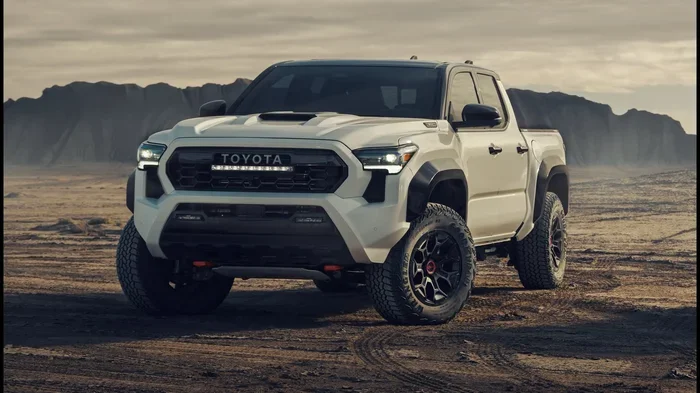
Visual guide about Toyota Tacoma truck exterior
Image source: d2v1gjawtegg5z.cloudfront.net
Depending on trim and engine, the driving experience can vary a bit. Some versions lean more toward efficiency and easier daily use, while others focus more on towing strength and off-road confidence. That flexibility is part of the appeal. You can choose a setup that matches your routine instead of settling for one fixed character.
City Driving and Daily Commuting
In traffic, the Tacoma is usually manageable rather than thrilling. Visibility is decent, and the midsize footprint helps when you are squeezing into tight parking spaces or navigating neighborhood streets. For a truck of this size, it is relatively easy to live with as a daily driver, though it still feels larger than a sedan or crossover.
Fuel economy is another part of the daily equation. Midsize trucks are not usually ultra-efficient, but the Tacoma offers choices that can help you balance power and consumption. If your commute is short and your driving is moderate, you may find it easier to live with than a full-size truck. If you drive very high miles every week, though, fuel costs will still be something you notice.
Highway Use and Long Trips
On the highway, the Tacoma tends to feel stable and predictable. It does not always feel as quiet or as smooth as some larger trucks or premium SUVs, but it gets the job done. Road imperfections can come through more clearly than some buyers expect, especially if you choose a more off-road-focused setup. That is a fair trade for people who want trail readiness, but it can be a drawback if your roads are rough and your priorities are comfort-first.
For longer trips, many owners appreciate the practical layout and the fact that the truck feels like a capable companion rather than a tiring giant. If you value easy loading, a familiar driving position, and a truck that can carry people and gear without feeling overloaded, the Tacoma has a solid daily-plus-trip personality.
Off-Road Ability and Trail Use: Where the Tacoma Really Shines
One of the biggest reasons people buy this truck is off-road interest. The Tacoma has a strong following among outdoor enthusiasts, weekend explorers, and anyone who wants a vehicle that can handle dirt, gravel, mud, and uneven ground without feeling fragile. That reputation is not accidental. Certain trims and options are built specifically with adventurous use in mind.
Even if you are not a hardcore off-roader, the truck can still feel more confident on unpaved roads than many crossovers. That can be useful if your daily life includes boat ramps, forest roads, campgrounds, or rough driveways. The key is choosing the right configuration instead of assuming every Tacoma is equally ready for rough terrain.
Trims and Features That Matter for Rough Ground
If trail use matters to you, look closely at the available packages and hardware. Features like all-wheel drive or four-wheel drive, terrain management modes, upgraded suspension, and protective skid plates can change how confident the truck feels outside pavement. A more adventure-focused setup usually brings benefits on loose surfaces, but it may also change on-road behavior and ride quality.
This is where many buyers need to be honest with themselves. If your off-road use is occasional, you may not need the most extreme hardware. If you expect regular dirt use, a more capable setup can be worth it. The Tacoma works well when its equipment matches the owner’s real habits.
When Off-Road Focus Becomes a Trade-Off
More off-road readiness can mean a firmer ride, more cabin noise, and a slightly less polished daily experience. That does not make the truck worse. It just means the truck is making a choice. If you spend most of your time on pavement, you may notice the difference more than someone who spends weekends on trails.
The best approach is to think about your actual mix of use. A truck that is perfect for weekend 모험 can still feel a little busy during weekday errands. Knowing that ahead of time helps you avoid disappointment.
Towing, Payload, and Work Use: What the Tacoma Can Handle
Towing is one of those topics where expectations matter. The Tacoma is capable, but it is still a midsize truck, so it is not trying to match the largest full-size haulers. For many owners, that is perfectly fine. The truck can handle common real-world tasks like small campers, utility trailers, gear haulers, and light work towing. If your needs stay in that range, the Tacoma can be a very practical choice.
If your towing needs are heavier or more frequent, you will want to look carefully at the specific configuration and pay attention to payload as well. Towing capacity is only one part of the story. How much weight the truck can carry in total, including passengers, cargo, and tongue weight, matters just as much in real life.
Real-World Towing Expectations
For typical owner use, the Tacoma often fits well with modest towing jobs. It is usually more about convenience and versatility than maximum pulling power. That makes it a strong option for people who want one vehicle that can do a little of everything without feeling oversized.
If you are comparing trucks for work, think about the kind of loads you actually move. A truck that is too large can be awkward and costly to live with. A truck that is too small can feel strained. The Tacoma sits in a useful middle ground for many buyers, especially when the goal is balanced utility rather than brute force.
Payload and Loading Practicality
Payload is where many buyers get surprised. A truck may tow a certain amount, but the bed, cabin, suspension, and tires all have limits. If you regularly carry heavy tools, multiple passengers, and a loaded trailer, you need to be realistic about total weight. That is where a careful buyer separates marketing from daily practicality.
The Tacoma’s bed and cabin layout also affect how easy it is to use for work. Depending on cab style and bed length, you can prioritize passenger space, cargo length, or a more compact footprint. That flexibility helps the truck fit different kinds of jobs, from light contracting to weekend hauling.
Cost of Ownership, Value, and Long-Term Ownership
Price is only part of the story. Long-term cost matters just as much, especially if you plan to keep the truck for several years. The Tacoma is often discussed in terms of strong value retention and a reputation for being affordable to own over time. That does not mean it is always the cheapest option upfront, but total cost of ownership can be attractive when you factor in durability and resale.
For many buyers, the math looks better when they think beyond the first payment. A truck that holds value well and needs fewer unexpected repairs can be easier on the wallet over the long haul. That is one reason the Tacoma keeps drawing buyers who plan to keep their vehicles for a while.
Purchase Price and Trim Choices
The Tacoma comes in a range of trims, and that range affects both upfront cost and long-term satisfaction. A more basic setup can be practical and economical, while a more loaded version can add comfort, technology, and off-road hardware. The right choice depends on what you actually use. Paying for features you never touch is not a smart move, but skipping useful features can be just as costly in enjoyment and convenience.
If you are comparing this truck to other models, it helps to look at the full picture rather than just sticker price. A slightly higher purchase price can sometimes be balanced by stronger resale and fewer ownership headaches. That is not always true, but it is a common reason buyers stick with this truck.
Maintenance, Repairs, and Resale
Maintenance is part of owning any truck, but the experience can be smoother when the vehicle is common and well supported. Many owners appreciate that routine service tends to be straightforward and that parts and technician familiarity are widely available. That kind of support reduces stress, especially for long-term ownership.
Resale value is another big part of the ownership story. A truck that remains desirable on the used market can protect your investment better than one that drops sharply in value. If you plan to sell, trade, or pass the truck along later, that matters. If you plan to keep it forever, reliability and repair costs matter more. Either way, the Tacoma has a strong ownership narrative.
Comfort, Interior, and Daily Livability
A truck can be capable and still feel annoying if you sit in it every day. That is why interior comfort and convenience matter more than many buyers expect. The Tacoma usually feels practical inside, with a layout that favors function. It is not usually positioned as a luxury lounge, but it can still be a perfectly workable space for commuting, family errands, and travel.
The exact experience depends heavily on trim level and cab configuration. Some versions feel more refined and better finished, while others lean harder into utility. If you spend a lot of time in the seat, it is worth paying attention to ride quality, seat comfort, noise, and storage details rather than only focusing on exterior looks.
Space, Seating, and Storage
Cab size changes the experience a lot. A smaller cab can make the truck easier to maneuver and may suit someone who does not carry many passengers. A larger cab can improve daily comfort and make the truck more family-friendly. Bed length also matters if you carry gear, tools, or recreational equipment. The best setup is the one that matches your real cargo and passenger needs.
Storage is another practical area. Midsize trucks often balance space and size in a way that works for many people, but they do not always maximize every cubic inch. If you need lots of passenger room plus a long load area, you may need to choose carefully. If you mainly need a versatile bed and a usable cabin, the Tacoma can fit very well.
Tech, Noise, and Everyday Annoyances
Technology and refinement can vary by model year and trim, so it helps to evaluate the specific truck you are considering. Some versions offer a more modern feel, while others are more basic. For daily use, small things matter: phone connectivity, ease of controls, visibility, and how much road or wind noise comes into the cabin. These details do not always show up in spec sheets, but they shape how much you enjoy the truck.
If you are sensitive to noise or harshness, test drive the exact configuration you plan to buy. A truck that feels exciting on a dirt road can feel busier on a rough highway. Knowing that difference ahead of time helps you make a choice you will be happy with later.
How the Tacoma Compares to Common Alternatives
No truck exists in a vacuum. The best choice depends on what else is available and what you value most. The Tacoma is often compared with other midsize trucks that emphasize different strengths. Some rivals focus more on towing, some on luxury, some on price, and some on off-road hardware. That means the Tacoma is not automatically the best truck for everyone, even if it is a strong truck for many people.
A smart comparison starts with your priorities. If you want a balanced truck with a strong reliability reputation and a real off-road following, the Tacoma has a clear story. If you want maximum refinement or maximum hauling capacity, you may need to weigh other options more carefully.
What the Tacoma Does Well in a Comparison
The Tacoma tends to stand out for owners who want a dependable, versatile, and adventure-friendly truck. It is often appealing because it balances work use, weekend use, and long-term ownership in a way that feels practical. For buyers who want one truck to handle a little of everything, that balance is valuable.
It also helps that the truck has a clear identity. You usually know what you are getting. That predictability can be reassuring if you want a truck with a strong reputation and a well-understood ownership experience.
Where Another Truck Might Make More Sense
If your top priority is a softer ride, a quieter cabin, or a more premium interior, another midsize truck might suit you better. If you need to tow heavier loads regularly, a larger truck could be the smarter fit. If budget is the main constraint, a lower-cost option might deliver enough capability without the extra features you do not need.
The point is not that the Tacoma is perfect. The point is that it is a strong match for a specific kind of buyer. When your needs line up with what the truck does best, it can be a very satisfying choice.
Common Mistakes When Choosing This Truck
One common mistake is buying a more extreme setup than you actually need. Off-road hardware and premium trims can be great, but they are not always worth it if your real life is mostly pavement and light hauling. Another mistake is ignoring payload and tongue weight while focusing only on towing numbers. That can lead to a truck that feels overloaded in practice.
A third mistake is skipping the test drive in the exact configuration you plan to buy. Trim, cab size, bed length, and drivetrain choices can change the experience more than many people expect. A careful buyer matches the truck to real routines, not to a fantasy version of ownership.
Expert Insights for Smart Buyers
If you are shopping seriously, think in terms of use cases first. Write down how many passengers you carry, how often you tow, where you drive, and how much cargo you actually need to haul. Then compare that list to the truck’s strengths instead of chasing features that sound cool but never get used.
It also helps to think about the next five years, not just the first month. A truck that fits your long-term habits will usually feel like a better purchase than one that only looks good on day one. The Tacoma works best when it matches a buyer who values durability, versatility, and a truck with a strong practical identity.
Final Verdict: Is Toyota Tacoma a Good Truck for You
So, is Toyota Tacoma a good truck? For many buyers, the answer is yes, especially if you want a dependable midsize pickup with strong off-road appeal, practical utility, and a reputation for lasting a long time. It is a truck that makes sense for work, weekend adventures, and daily use when you choose the right configuration. It is less ideal if your top priorities are maximum luxury, the softest ride, or the largest towing capacity in class.
The smartest way to decide is to match the truck to your life, not to the hype. If you value reliability, versatility, and a truck that can handle a wide range of tasks without feeling oversized, the Tacoma deserves a serious look. If you need something softer, larger, or more focused on one specific task, you may be happier with a different option. Either way, this truck has earned its place in the conversation.
Key Takeaways
- Strong reliability reputation: The Tacoma is widely trusted for dependable, low-drama ownership over time.
- Great for mixed use: It works well for daily driving, light work, and weekend off-road or recreational use.
- Towing has limits: It handles common small-to-moderate towing jobs well, but payload and total weight still matter.
- Choose the right trim: Off-road hardware and premium features can be useful, but only if they match your real needs.
- Comfort trade-offs exist: Some setups feel firmer and noisier, so test drive the exact version you plan to buy.
- Ownership value matters: Strong resale and practical long-term costs can make the truck a smart buy for keep-it-long owners.
- Best fit is specific: The Tacoma is a standout for buyers who want a tough, versatile midsize truck, not necessarily the most luxurious or largest option.
Frequently Asked Questions
Is Toyota Tacoma a good truck for daily driving?
Yes, many people use the Tacoma as a daily driver because it is manageable for city streets, parking, and routine errands. It is not the quietest or softest vehicle in its class, so comfort depends a lot on trim, cab size, and road conditions.
Is Toyota Tacoma reliable enough for long-term ownership?
The Tacoma is widely known for dependable operation and a strong long-term ownership reputation. Many buyers choose it because it tends to be straightforward to maintain and holds up well when cared for properly over time.
Can the Tacoma tow a small camper or utility trailer?
It can handle many common light towing tasks, including small campers and utility trailers, as long as the setup stays within the truck’s limits. You should still check payload, tongue weight, and the specific trim configuration before towing anything regular.
Is Toyota Tacoma good for off-road use?
Yes, it is a popular choice for off-road and outdoor use, especially when equipped with the right drivetrain and trail-oriented features. The exact capability depends on the trim and options, so not every Tacoma is equally ready for rough terrain.
What are the main drawbacks of buying a Tacoma?
The most common drawbacks are ride firmness, road noise, and the fact that it is not the largest or most luxurious option in the midsize truck segment. If comfort and refinement are your top priorities, you may notice those trade-offs more than some buyers expect.
Is Toyota Tacoma worth the price compared with other midsize trucks?
It can be worth it if you value durability, resale strength, and a truck that fits a wide range of uses without feeling oversized. If you care more about lower upfront cost, maximum towing, or a more premium cabin, another truck may fit your priorities better.