
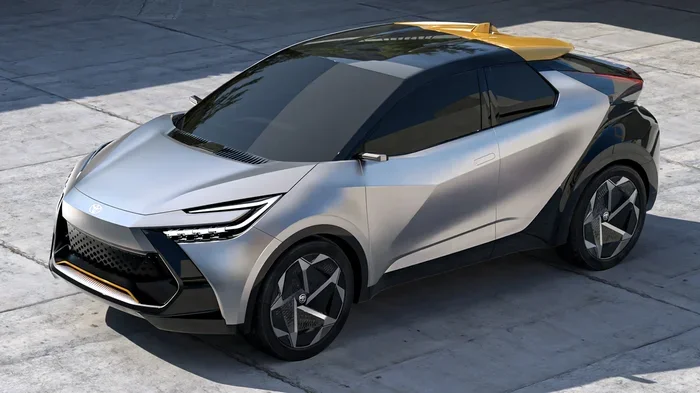
Toyota TRD stands for Toyota Racing Development and represents the brand’s official performance division. It creates off-road packages, suspension upgrades, and special trims that make Toyota trucks and SUVs more capable on rough terrain. Whether you drive a Tacoma, 4Runner, or Tundra, TRD parts improve ground clearance, durability, and traction for serious adventures.
You have probably seen the TRD badge on a rugged Toyota truck or SUV and wondered what makes it special. Toyota TRD is the company’s in-house performance team that turns everyday vehicles into capable trail machines. In simple terms, what is a Toyota TRD? It is a set of factory-tested upgrades, special trims, and performance parts that improve off-road performance, handling, and durability. This guide breaks down the TRD meaning, the different TRD trims, and how these packages help you tackle dirt roads, rocks, and mud with confidence.
If you already own a Toyota Tacoma or Toyota 4Runner, you may be curious about TRD Off-Road versus TRD Pro. If you are shopping for a new rig, you might want to compare TRD packages across models. Either way, understanding Toyota Racing Development helps you choose the right off-road trim for your needs. Let’s explore how TRD suspension, all-terrain tires, and skid protection work together to make your vehicle more capable.
Key Takeaways
- TRD Definition: Toyota Racing Development builds factory-approved performance and off-road enhancements for Toyota trucks and SUVs.
- TRD Off-Road Trim: Specific models like the Tacoma TRD Off-Road and 4Runner TRD Off-Road come with upgraded shocks, skid plates, and all-terrain tires.
- TRD Pro: The top-tier TRD Pro trim adds advanced suspension, multi-terrain select, and specialized off-road tuning for extreme trails.
- Aftermarket Parts: TRD offers accessory packages including bumpers, lighting, and recovery gear to customize your vehicle.
- Performance Benefits: TRD upgrades improve articulation, approach angles, and durability without sacrificing daily driving comfort.
- Model Coverage: TRD packages span the Tacoma, 4Runner, Tundra, Highlander, and Land Cruiser, each tuned for specific use cases.
- Ownership Value: TRD trims often hold resale value well and appeal to off-road enthusiasts seeking proven capability.
📑 Table of Contents
What Is a Toyota TRD and How Did It Start
Toyota TRD began as a motorsports and performance group focused on racing and engineering. Over time, the team expanded into off-road packages for consumer vehicles. Today, TRD stands for Toyota Racing Development, and it designs parts that improve suspension travel, braking, and traction. The goal is simple: make Toyota trucks and SUVs more fun and more capable while keeping them reliable for daily use.
When people ask what is a Toyota TRD, they often mean two things. First, they mean the TRD trim levels you can order at the dealership. Second, they mean the TRD accessory catalog with bumpers, wheels, and performance shocks. Both paths lead to better off-road capability, but they suit different budgets and goals. A TRD Off-Road package is a great starting point. A TRD Pro setup goes further with advanced suspension tuning and specialized off-road features.
Why TRD Matters for Off-Road Drivers
Off-road enthusiasts value predictability. A well-tuned TRD suspension helps your wheels stay in contact with the ground. That means better traction on loose surfaces and smoother rides over bumps. TRD packages also add underbody protection, which matters when you drive over rocks or deep ruts. These upgrades reduce the risk of damage and help you explore farther with less worry.
Another reason TRD matters is consistency. Factory-trained engineers test these parts together, so you get a balanced system. That is different from mixing random aftermarket parts that may not work well as a group. If you want a vehicle that is ready for trail use right away, a TRD trim is a smart choice.
TRD Off-Road Trim Versus TRD Pro Trim
Not all TRD trims are the same. The TRD Off-Road trim focuses on core off-road improvements at a reasonable price. The TRD Pro trim pushes further with premium suspension components, unique styling, and advanced terrain management tools. Knowing the difference helps you match the vehicle to your adventures.
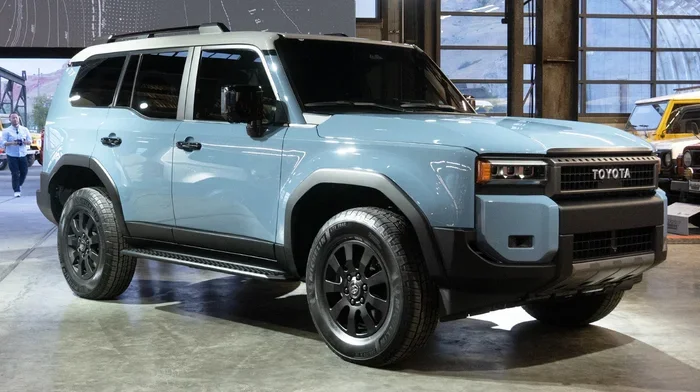
Visual guide about Toyota TRD off road performance
Image source: slashgear.com
TRD Off-Road Core Features
The TRD Off-Road trim typically includes a sport-tuned suspension, all-terrain tires, and a rear skid plate. You also get traction control tuned for loose surfaces and often a multi-terrain select system. These features improve ground clearance usage and help the vehicle climb steeper grades. For many buyers, this trim strikes the best balance between daily comfort and trail readiness.
TRD Pro Premium Upgrades
The TRD Pro trim adds bigger shock absorbers, often with external reservoirs, and a more aggressive suspension tune. You may see lightweight wheels, a front skid plate, and specialized off-road lighting. Some models include TRD Pro branding, unique badging, and a more robust cooling system for hard use. This trim is ideal for drivers who spend more time on difficult trails and want maximum suspension travel and durability.
Quick Comparison Table
Below is a simple comparison to help you see the main differences at a glance.
| Feature | TRD Off-Road | TRD Pro |
|---|---|---|
| Suspension | Sport-tuned shocks for better control | Heavy-duty shocks with advanced tuning |
| Tires | All-terrain tires for mixed use | More aggressive all-terrain or off-road tires |
| Skid Protection | Rear skid plate standard | Front and rear skid plates, plus underbody coverage |
| Terrain Management | Multi-terrain select available | Multi-terrain select plus refined off-road tuning |
| Style and Branding | Subtle TRD badges | Distinctive TRD Pro styling cues |
| Best For | Weekend trails and daily driving | Frequent hard off-road use |
Toyota TRD Suspension and Off-Road Performance Parts
TRD suspension is one of the biggest reasons these trims feel different on the trail. Upgraded shock absorbers manage heat better and keep the tires planted. A refined spring rate and damping tune help the vehicle absorb bumps without bouncing too much. The result is better wheel articulation, which means your tires can reach uneven ground more easily.
Besides suspension, TRD performance parts often include front and rear bumpers with better approach and departure angles. A skid plate protects critical components like the fuel tank and transfer case. Some packages add all-terrain tires or off-road wheels that balance strength with weight. These parts work together to improve traction, clearance, and control.
Practical Example: Tacoma TRD Off-Road
Imagine you drive a Toyota Tacoma TRD Off-Road on a forest trail with loose gravel and a few rocks. The tuned suspension helps the tires stay in contact as the terrain changes. The all-terrain tires grip better than standard highway tires. The rear skid plate gives you peace of mind when the bottom of the truck touches a ledge. You get a more confident climb without feeling like the vehicle is bouncing uncontrollably.
Practical Example: 4Runner TRD Pro
Now picture a Toyota 4Runner TRD Pro on a steeper, rockier route. The stronger shock setup handles repeated impacts. The front skid plate protects the engine area during tight maneuvers. Multi-terrain select helps the traction control system react to loose surfaces. This combination supports more aggressive driving while still feeling stable and predictable.
TRD Across Popular Toyota Models
TRD packages appear on several Toyota trucks and SUVs. Each model gets a version that matches its size, weight, and intended use. The Tacoma and 4Runner are the most famous, but you can also find TRD influence on the Tundra, Highlander, and Land Cruiser. Understanding these differences helps you pick the right platform.
Toyota Tacoma TRD Lineup
The Toyota Tacoma is a favorite for off-road builds because it is compact, tough, and highly customizable. The Tacoma TRD Off-Road brings a tuned suspension and all-terrain tires to the table. The Tacoma TRD Pro adds premium shocks, stronger skid protection, and more aggressive styling. If you want a smaller truck that can handle rocks, sand, and forest roads, the Tacoma TRD family is a strong option.
Toyota 4Runner TRD Lineup
The Toyota 4Runner is known for its body-on-frame construction and long-lasting reputation. The 4Runner TRD Off-Road focuses on trail-ready basics. The 4Runner TRD Pro elevates the package with advanced suspension and off-road-focused tech. For buyers who want a capable SUV with plenty of cargo space, the 4Runner TRD trims deliver a proven mix of utility and adventure.
Other Toyota Models With TRD Influence
Larger vehicles also benefit from TRD-inspired tuning. The Toyota Tundra can use TRD accessories to improve towing and off-pavement confidence. The Toyota Highlander and Land Cruiser may offer TRD packages or related performance features depending on the market and model year. If you are comparing vehicles, it helps to check which TRD options are available for the specific trim you want.
Buying Guide: Choosing the Right TRD Package
Choosing a TRD package starts with your driving habits. If you mostly drive on paved roads but want occasional trail access, a TRD Off-Road trim may be enough. If you plan to spend weekends on difficult terrain, the TRD Pro trim could be worth the extra cost. Think about where you drive, how often you drive off-road, and how much daily comfort matters to you.
Key Questions to Ask
Before you buy, ask yourself a few simple questions.
- Where will I drive? Light trails, rocky routes, sand, or mostly pavement?
- How much do I value comfort? Do I need a smooth ride for commuting?
- Do I want to modify later? Will I add aftermarket parts beyond the factory package?
- What is my budget? Can I afford the TRD Pro premium, or is TRD Off-Road the better fit?
- Which model suits my needs? Do I prefer a Tacoma, 4Runner, or a larger Toyota SUV?
Common Mistakes to Avoid
One common mistake is assuming every TRD badge means the same thing. Different trims and model years can have different equipment. Another mistake is buying a TRD package without checking the tire size, ground clearance, and payload needs for your typical trips. It is also easy to overlook resale value and service costs when comparing trims. A little research now saves frustration later.
Expert Insight: Match the Package to Your Real Use
The best TRD package is the one that fits your actual driving, not just the badge on the tailgate. If you mainly take easy dirt roads, you may not need the most aggressive setup. If you regularly tackle rocks and steep climbs, the extra suspension capability and underbody protection can make a real difference. Think of TRD as a toolkit. Choose the tools that match your adventures.
Maintaining and Using Your TRD Vehicle
Owning a TRD-equipped Toyota is rewarding, but it still needs proper care. Off-road driving can be hard on tires, suspension, and brakes. After a tough trip, inspect your tire pressure, look for loose fasteners, and check for damage to skid plates or bumpers. Keeping up with routine service helps the vehicle stay reliable for the long haul.
Quick Tips for TRD Owners
- Check tire pressure before and after off-road trips.
- Inspect shocks and bushings for leaks or wear.
- Clean mud and debris from underbody areas when possible.
- Use multi-terrain select when the surface changes.
- Carry basic recovery gear like a shovel, traction boards, and a tire repair kit.
- Schedule regular service to keep brakes, fluids, and suspension in good shape.
Common Maintenance Mistakes
Some owners forget that TRD upgrades still need normal maintenance. For example, aggressive all-terrain tires may wear differently than highway tires. Stronger shocks can still fade if you overheat them on long, rough runs. Skipping basic checks after a hard trip can lead to small problems becoming bigger ones. Stay proactive and your TRD vehicle will stay ready for the next adventure.
Final Thoughts on What Is a Toyota TRD
So, what is a Toyota TRD? It is Toyota’s performance and off-road expertise packaged into trims and parts that make Toyota trucks and SUVs more capable. The TRD Off-Road trim gives you a strong starting point for weekend trails. The TRD Pro trim pushes the limits for more demanding adventures. Across the Tacoma, 4Runner, Tundra, and other models, TRD adds value through better suspension, traction, and durability.
If you are shopping for a capable vehicle, focus on how you plan to use it. Match the TRD package to your terrain, your budget, and your comfort needs. With the right choice, you get a vehicle that feels confident on the street and ready for the trail. That is the real appeal of Toyota TRD: proven performance you can trust.
Frequently Asked Questions
What does TRD stand for on a Toyota?
TRD stands for Toyota Racing Development, the brand’s performance and motorsports division. It creates off-road packages, suspension upgrades, and special trims that improve capability and handling.
What is the difference between TRD Off-Road and TRD Pro?
The TRD Off-Road trim focuses on core off-road upgrades like a tuned suspension and all-terrain tires. The TRD Pro trim adds more advanced shocks, stronger skid protection, and refined off-road tuning for tougher trails.
Which Toyota models offer TRD trims?
The most popular models include the Toyota Tacoma, Toyota 4Runner, and sometimes the Tundra, Highlander, and Land Cruiser depending on the market. Each model uses TRD packages tailored to its size and purpose.
Is a Toyota TRD worth the extra cost?
It can be worth it if you actually use the off-road features. The TRD suspension, traction tools, and underbody protection add confidence on trails and can help with resale value for adventurous buyers.
Can I add TRD parts to a non-TRD Toyota?
Yes, many TRD accessory parts can be added to other Toyota trucks and SUVs. You can often find bumpers, wheels, lighting, and suspension components that bring some TRD-style upgrades to your vehicle.
What should I check before buying a TRD Toyota?
Look at the specific trim features, tire type, suspension setup, and payload needs for your use. Also compare the TRD Off-Road and TRD Pro options so you do not pay for capability you will not use.