
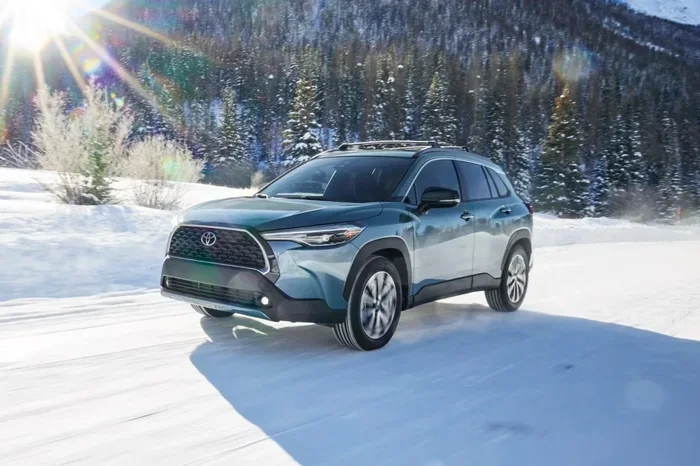
A hybrid Toyota combines a gasoline engine with an electric motor for better fuel economy. These vehicles reduce emissions while offering reliable performance for daily driving. Understanding how hybrid cars work helps you choose the right eco-friendly option for your needs.
Toyota has led the way in green driving for decades. Many people want to save money on gas. Others care about the planet. A hybrid Toyota solves both problems. These cars use two power sources. One is a normal gas engine. The other is an electric motor. They work together to move the car. This setup uses less fuel. It also creates fewer fumes. You do not need to plug these cars in. They charge themselves while you drive. This makes them very easy to own. If you wonder what is a hybrid Toyota, think of it as the best of both worlds. You get the range of gas. You get the efficiency of electric power. Many drivers love this mix. It feels familiar but smarter. The technology has improved a lot. Early models were small and odd. Now you can find hybrids in trucks and SUVs too. This guide will explain everything. We will look at how they work. We will check the best models. You will learn if one fits your life. Let’s dive into the details of Toyota hybrid technology.
Key Takeaways
- Fuel Efficiency: Hybrid Toyotas use less gas than standard cars, saving you money at the pump.
- Dual Power: These vehicles pair a gasoline engine with an electric motor for smooth driving.
- Battery Life: Toyota hybrid batteries are designed to last many years with proper care.
- Popular Models: The Prius, RAV4, and Camry are top choices in the hybrid lineup.
- Lower Emissions: Driving a hybrid reduces your carbon footprint and helps the environment.
- Regenerative Braking: This system captures energy during braking to recharge the battery.
- Easy Transition: Hybrid Toyotas drive like regular cars, so no new habits are needed.
📑 Table of Contents
How Does a Toyota Hybrid Engine Work
Understanding how hybrid cars work starts with the powertrain. A standard car has one engine. It burns gas to make power. A Toyota hybrid engine has two parts. First, there is the gasoline engine. It works like a normal car engine. Second, there is an electric motor. This motor uses battery power. Both parts connect to the wheels. Sometimes the gas engine drives the car. Sometimes the electric motor takes over. Often, they work together. This happens when you need extra power. For example, passing on a highway needs more strength. The computer decides which power source to use. It picks the most efficient option. When you stop at a light, the gas engine turns off. This saves fuel. You might hear the engine start again when you move. This is normal. The battery gets charged in two ways. The engine helps charge it. Also, braking helps charge it. This is called regenerative braking. It captures energy usually lost as heat. This process makes the car very efficient. You do not need to worry about charging stations. The car handles everything automatically. This seamless operation is why many people choose hybrid Toyota vehicles.
Electric Motor and Gas Engine Teamwork
The partnership between the motor and engine is key. At low speeds, the electric motor often does the work. This is quiet and smooth. Gas engines use more fuel at low speeds. So, the electric mode saves money here. When you accelerate hard, the gas engine wakes up. It provides the strong power you expect. The electric motor helps too. This combination reduces strain on the engine. Less strain means less wear and tear. It also means better gas mileage. The transition is smooth. You rarely feel a shift between power sources. The computer manages this flow constantly. It monitors speed, battery level, and pedal pressure. This smart management is the heart of Toyota hybrid technology. It ensures you always have power when needed.
Regenerative Braking System
Braking usually wastes energy. When you hit the brakes, kinetic energy turns into heat. You lose that energy forever. Hybrid Toyotas catch this energy. The electric motor acts as a generator during braking. It slows the car down while making electricity. This electricity goes back into the battery. This extends the range of the electric motor. It also reduces wear on your brake pads. You might notice the car slows differently. It feels slightly stronger than normal braking. This is the system working hard. It keeps the battery ready for the next start. This feature is vital for fuel efficiency. It makes every stop count towards charging the car.
Top Toyota Hybrid Models to Consider
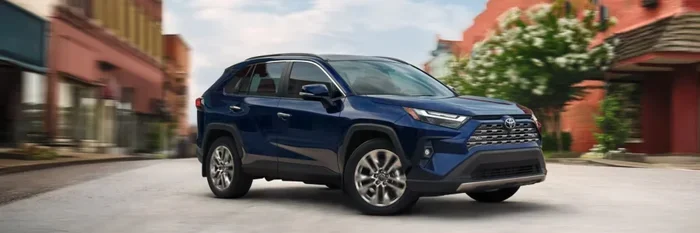
Visual guide about Toyota hybrid vehicle engine
Image source: di-sitebuilder-assets.dealerinspire.com
Toyota offers many hybrid car models. You can find one for almost any need. The most famous is the Prius. It started the hybrid revolution. It is still very popular today. It focuses on maximum fuel savings. The design is unique and recognizable. If you need more space, look at the RAV4. The Toyota RAV4 Hybrid is an SUV. It gives you height and cargo room. It is great for small families. The Camry Hybrid is another strong choice. It is a sedan known for comfort. It drives very smoothly on highways. There are also hybrids in the Highlander line. This is a larger SUV for more passengers. Even trucks like the Tundra have hybrid options now. This shows how wide the range is. You do not have to sacrifice style for efficiency. Each model balances power and savings differently. Some focus on city driving. Others handle rough roads better. Checking the specific specs helps you decide. You should think about your daily commute. Do you carry lots of gear? Do you need back seat space? The right Toyota hybrid vehicle depends on your life.
Prius and Corolla Hybrid Options
The Prius remains the icon. It offers excellent fuel efficiency. Many owners love the unique look. It stands out on the road. The Corolla Hybrid is more traditional. It looks like a standard sedan. This appeals to people who want subtlety. Both cars are great for city driving. Stop-and-go traffic favors hybrids. The electric motor shines here. You save the most gas in traffic. These models are also affordable. They fit many budgets. If you want a practical daily driver, these are top picks. They prove you do not need a big SUV to go green.
RAV4 and Highlander Hybrid SUVs
Families often need more room. The Toyota RAV4 Hybrid fills this gap. It has a higher seating position. You can see the road better. The cargo area fits strollers or gear. It is versatile for weekends too. The Highlander is bigger. It seats more people comfortably. This is good for carpooling or road trips. Both offer all-wheel drive options. This helps in snow or rain. Safety features are standard on these models. You get peace of mind along with savings. SUVs used to use lots of gas. Now hybrids make them smarter. This change helps many drivers switch to eco-friendly cars.
Fuel Economy and Cost Savings
Money is a big reason to buy hybrid. Gas prices go up and down. But they rarely go away. A hybrid Toyota uses less fuel per mile. This adds up over time. Imagine driving 15,000 miles a year. A regular car might use 500 gallons. A hybrid might use 350 gallons. That is 150 gallons saved. At $3.50 per gallon, that is $525 saved yearly. Over five years, that is over $2,500. This does not include maintenance savings. Hybrids often have less brake wear. The engine runs less often too. This can lower service costs. However, the purchase price might be higher. Hybrid tech costs more to build. You need to calculate the break-even point. Sometimes the savings pay back fast. Sometimes it takes longer. Tax credits might help too. Check local laws for incentives. Some states offer perks for green cars. These perks can lower the cost further. When you ask what is a hybrid Toyota, think about long-term value. It is an investment in lower running costs.
Calculating Your Fuel Savings
Doing the math helps clarity. Look at your current car’s mileage. Compare it to hybrid ratings. EPA estimates give a good baseline. Real-world results vary slightly. Driving style matters a lot. Smooth acceleration saves more gas. Hard braking wastes energy. City driving usually yields better hybrid savings. Highway driving uses more gas engine power. So, city drivers see bigger benefits. Track your gas receipts for a month. Compare this to hybrid projections. This gives you a real number. It helps you budget better. You might find the savings cover insurance costs. This makes the decision easier.
Maintenance Costs and Reliability
Toyota is known for durability. Hybrids share this reputation. The engines are proven technology. They have been refined for years. Parts are widely available. Mechanics understand these systems well. This keeps labor costs reasonable. The battery is the main concern for buyers. People worry about replacement costs. Modern batteries are very robust. They often last the life of the car. If replacement is needed, it is an expense. But it is not common early on. Regular maintenance keeps things running. Oil changes are still needed for the gas engine. Tire rotations matter too. Keeping tires inflated helps efficiency. A well-maintained hybrid lasts a long time. This reliability adds to the value proposition.
Toyota Hybrid Battery Life and Care
The battery is the heart of the electric system. Many people ask about Toyota hybrid battery life. It is a valid concern. These batteries are nickel-metal hydride or lithium-ion. They are built for car use. They handle heat and vibration well. Most last over 100,000 miles easily. Many go 150,000 miles or more. Some even reach 200,000 miles. The warranty usually covers eight years. This gives you peace of mind. You do not need to baby the battery. Normal driving is fine. Extreme heat can affect longevity. Parking in shade helps in hot climates. Cold weather reduces range temporarily. This is normal for all batteries. The car manages battery temperature automatically. It warms or cools the pack as needed. You just drive normally. Avoiding deep discharges helps too. The system prevents this mostly. Just keep the car running regularly. Sitting too long can drain the battery. Drive it at least once a week. This keeps the chemistry healthy. Caring for the battery ensures long hybrid car models life.
Signs of Battery Issues
Batteries do not fail suddenly usually. There are warning signs. You might see lower fuel economy. The car might rely more on the gas engine. The battery gauge might look odd. Error lights on the dash are a clue. If you see these, get a checkup. Dealers can test the battery health. They check individual cells too. Sometimes only one cell needs fixing. This is cheaper than a full replacement. Catching issues early saves money. Do not ignore warning lights. Modern diagnostics make this easy. Your dealer has the right tools. They can explain the status clearly.
Extending Battery Longevity
Simple habits help the battery. Avoid extreme temperatures when parked. Use sun shades in summer. Pre-conditioning helps in winter. Keep the engine running periodically. If storing the car, follow guidelines. Check tire pressure monthly. Under-inflated tires make the motor work harder. This strains the battery over time. Smooth driving preserves energy. Anticipate stops to use regenerative braking. Do not floor the accelerator unnecessarily. Gentle use reduces stress on all parts. These steps keep the hybrid system healthy. A healthy system means fewer repairs. It also means better performance throughout the life.
Is a Hybrid Toyota Right for You
Choosing a car is personal. A hybrid Toyota fits many lifestyles. It is great for commuters. City drivers save the most fuel. If you drive mostly on highways, savings are less. But you still get lower emissions. Families benefit from the SUV options. You get space without huge gas bills. Tech lovers enjoy the smart systems. The driving experience is quiet and smooth. If you tow heavy loads, check specs. Some hybrids have lower towing limits. You might need a standard engine for that. If you have no charging access, hybrids are perfect. You do not need outlets. This removes a big hassle. Electric only cars need charging plans. Hybrids work like normal cars. You just fill them with gas. This flexibility is a huge plus. Think about your daily routine. Where do you drive most? How much do you spend on gas? Answering these helps decide. The Toyota hybrid technology suits many people. It is a safe bet for efficiency.
City vs Highway Driving
Location changes the value. City drivers stop and start often. Hybrids excel here. The electric motor handles low speeds. Gas engines waste fuel idling. Hybrids turn off at stops. This saves lots of energy. Highway driving is constant speed. The gas engine does most work here. Savings are smaller but still present. Aerodynamics matter more on highways. Some hybrids are designed for this. Check the EPA ratings for your route. If you live in a busy city, a hybrid shines. If you drive rural highways, weigh the cost. The engine efficiency is still good. But the payback period might be longer. Know your driving profile before buying.
Environmental Impact and Emissions
Green driving matters to many. Hybrids cut down on carbon dioxide. Less gas burned means less pollution. This helps local air quality too. Cities benefit from fewer exhaust fumes. Noise pollution is also lower. Electric mode is very quiet. This makes neighborhoods calmer. Choosing a hybrid is a conscious choice. It supports cleaner technology. Toyota is pushing for more electric options. Hybrids are a step in that direction. You reduce your footprint without changing habits. You still get the range you need. This balance encourages more people to switch. Every hybrid on the road helps the planet.
Common Myths About Hybrid Toyotas
Misinformation spreads easily. Let’s clear up common myths. Some think hybrids are slow. This is false. Many hybrids have good acceleration. The electric motor gives instant torque. Some think batteries die quickly. As noted, they last long. Some think they are hard to fix. Actually, they are reliable. Mechanics know them well. Some think you must plug them in. You do not. They charge themselves. This is a series hybrid system. Some think they are too expensive. Savings offset the cost over time. Some think they are small only. Now there are trucks and SUVs. Size options are wide. Some think maintenance is complex. It is similar to regular cars. Oil changes and tires are still needed. The electric part needs little care. These myths stop people from trying. Facts show hybrids are practical. They are smart choices for many drivers.
Performance Concerns
People worry about power loss. Modern hybrids are quick. The dual power sources help here. Electric boost adds strength. Passing lanes are safe to use. Merging onto highways is easy. The engine kicks in when needed. You do not feel sluggishness. Sportier models exist too. Toyota tunes them for fun driving. You do not sacrifice fun for efficiency. The handling is stable and secure. Safety features add confidence too. Performance is no longer a compromise.
Cost and Value Misconceptions
Price is a big worry. Upfront cost is higher sometimes. But resale value is strong. Hybrids hold value well. People want fuel-efficient cars. This demand keeps prices up. You might pay more initially. You get money back in gas savings. Tax credits can reduce the price. Insurance rates vary but are often similar. Total cost of ownership is competitive. Look at the five-year cost. Not just the sticker price. This broader view shows the value. Smart buyers see the long game.
Conclusion
Choosing a car is a big decision. Knowing what is a hybrid Toyota helps you choose wisely. These vehicles mix gas and electric power smoothly. They save money on fuel. They reduce harmful emissions. They offer reliable performance for years. From the Prius to the RAV4, options exist for everyone. Battery life is strong with proper care. Maintenance is straightforward and familiar. You do not need to change your habits. Just fill up with gas and drive. The car manages the efficiency for you. If you want to save cash and help the planet, consider a hybrid. Toyota leads this field with proven tech. Your next car could be smarter and greener. Explore the lineup today. Find the model that fits your life. Drive smarter with a hybrid Toyota.
Frequently Asked Questions
Do Toyota hybrids need to be plugged in?
No, you do not need to plug in a Toyota hybrid. These vehicles use a series hybrid system that charges the battery while driving. Regenerative braking and the gas engine keep the battery full automatically.
How long does a Toyota hybrid battery last?
A Toyota hybrid battery often lasts over 100,000 miles. Many owners report batteries lasting 150,000 miles or more with normal care. The warranty typically covers the battery for eight years.
Are hybrid Toyotas more expensive to maintain?
Maintenance costs are similar to regular cars. You still need oil changes and tire rotations. Brake pads often last longer due to regenerative braking. Overall, they are reliable and cost-effective.
What is the most fuel-efficient Toyota hybrid?
The Prius is typically the most fuel-efficient model. It is designed specifically for maximum fuel efficiency. The Corolla Hybrid also offers excellent mileage for a sedan.
Can I tow with a Toyota hybrid?
Some Toyota hybrids allow towing, but check the specific model. Trucks like the Tundra Hybrid have higher towing capacity. SUVs like the RAV4 Hybrid have lower limits, so verify the specs.
Is a hybrid Toyota good for long road trips?
Yes, hybrid Toyotas are great for road trips. They have the range of gas cars and do not need charging stops. You can drive long distances without worrying about finding an outlet.