
Are all Toyota Sienna hybrid models built the same way? The short answer is yes, every new Toyota Sienna comes with a hybrid powertrain as standard equipment. However, different trim levels offer unique features, towing capabilities, and technology packages that change the overall driving experience. In this guide, we will break down exactly how the hybrid system works, what varies between trims, and why this minivan stands out in today’s market.
Key Takeaways
- Standard Hybrid Powertrain: Every Toyota Sienna comes with a hybrid engine, so you do not need to search for a special trim to get fuel efficiency.
- One Powertrain Option: Unlike many competitors, Toyota does not offer a gas-only version of the Sienna, making the hybrid system universal across all models.
- Trim Level Differences: While the engine stays the same, higher trims add luxury features, better wheels, and enhanced safety technology.
- Towing Variations: All Sienna hybrids can tow up to 3,500 pounds, but some packages make towing easier with integrated trailer wiring and hitch prep.
- EV Mode Availability: Every Sienna hybrid includes an EV mode for short, electric-only driving at low speeds, perfect for neighborhoods and parking lots.
- Reliability Focus: The hybrid system shares components with other proven Toyota hybrids, which helps maintain long-term durability and lower repair costs.
- Family-Friendly Design: The hybrid powertrain works seamlessly with the minivan’s sliding doors, spacious interior, and third-row seating for daily family use.
📑 Table of Contents
- Understanding the Toyota Sienna Hybrid Powertrain
- Are All Toyota Sienna Hybrid Models Identical Under the Hood?
- Fuel Economy and Real-World Hybrid Performance
- Towing, Capability, and All-Wheel Drive Options
- Reliability and Long-Term Ownership Considerations
- Buying Guide: Choosing the Right Sienna Hybrid for Your Family
- Final Thoughts on the Toyota Sienna Hybrid
Understanding the Toyota Sienna Hybrid Powertrain
If you have been shopping for minivans lately, you have probably noticed something interesting about the Toyota Sienna. Unlike many other vehicles on the market, this minivan does not give you a choice between gas and hybrid. Every single new Sienna leaves the factory with a hybrid powertrain under the hood. This fact often leads to a common question: are all Toyota Sienna hybrid models built the same way? The answer is both simple and a little more nuanced than you might expect.
Toyota made a bold move when they redesigned the Sienna for the 2021 model year. They dropped the traditional gas-only engine entirely and committed to a hybrid-only lineup. This decision was not just about following trends. It was about giving families a vehicle that saves money at the pump while still delivering the power and reliability they expect from a Toyota. The result is a minivan that gets impressive fuel economy without sacrificing performance.
At the heart of every Sienna is a 2.5-liter four-cylinder engine paired with electric motors. This setup works together through a power split device that manages how much power comes from the gas engine and how much comes from the battery. The system is designed to be smooth and efficient. You do not need to plug it in. You just drive it like a normal minivan, and the hybrid system handles the rest. This makes it a true hybrid Toyota vehicle that fits seamlessly into everyday life.
How the Hybrid System Works
The Sienna hybrid system uses what Toyota calls a hybrid synergy drive. This is the same basic technology found in many other Toyota hybrids, including the popular Prius. The gas engine generates power, and the electric motors assist during acceleration, low-speed driving, and stopping. When you brake or coast, the system captures energy and sends it back to the battery. This process happens automatically, so you never have to think about it.
One of the best things about this setup is how quiet it can be. At low speeds, the Sienna can run on electric power alone. This is especially nice when you are pulling into your driveway late at night or navigating a quiet neighborhood. The transition between electric and gas power is so smooth that most passengers do not even notice it. If you want to learn more about how this technology works, you can read our detailed guide on what is a Toyota hybrid engine.
Why Toyota Went Hybrid-Only
Toyota’s decision to make the Sienna hybrid-only was strategic. Minivans are often used for school runs, grocery trips, and long family road trips. These are exactly the kinds of driving conditions where hybrid technology shines. By making every Sienna a hybrid, Toyota ensured that every buyer gets better fuel economy and lower emissions without having to pay extra for a hybrid trim. This approach also simplifies the buying process. You do not have to compare gas and hybrid models. You just choose the trim that fits your needs.
This move also aligns with Toyota’s broader goals for sustainability. The company has been investing heavily in hybrid technology for decades. By putting this proven system into a popular family vehicle like the Sienna, Toyota is making hybrid driving more accessible to everyday buyers. If you are curious about the broader picture of Toyota’s hybrid lineup, our article on what is a Toyota hybrid offers a great overview of the brand’s hybrid philosophy.
Are All Toyota Sienna Hybrid Models Identical Under the Hood?
Now that we know every Sienna is a hybrid, it is natural to wonder if they are all exactly the same. The short answer is that the core powertrain is identical across all trims. You get the same 2.5-liter engine, the same electric motor setup, and the same battery configuration whether you buy the base LE model or the top-tier Platinum trim. This consistency is one of the Sienna’s biggest strengths. It means you can compare trims based on features and comfort rather than worrying about engine differences.

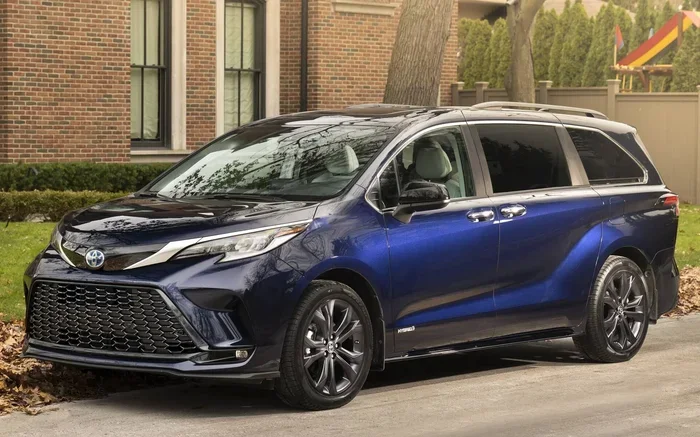
Visual guide about Toyota Sienna hybrid minivan
Image source: images.cars.com
However, there are some small differences worth noting. For example, the wheels and tires can vary by trim. Larger wheels look great and add style, but they can slightly affect ride comfort and fuel economy. The suspension tuning may also feel a bit different depending on the trim level, mainly because of added weight from luxury features like leather seats and premium audio systems. These differences are subtle, but they can matter if you are sensitive to ride quality.
Another point to consider is the available all-wheel drive option. Not every Sienna comes with all-wheel drive from the factory. It is an option on most trims, but it is not standard across the board. The all-wheel drive system uses a separate electric motor to power the rear wheels when needed. This adds capability for families who live in snowy or rainy climates. If you are wondering about the specifics of this system, check out our piece on what is Toyota iForce Max to understand how electric motors can boost capability in Toyota vehicles.
Trim Levels and Their Unique Features
Even though the engine stays the same, the trim levels make a big difference in how the Sienna feels and performs. The LE trim is the most affordable and focuses on essentials like cloth seats, a simple infotainment system, and reliable safety features. The XLE trim adds comfort touches like leather-trimmed seats, a Power Liftgate, and dual-zone climate control. The Limited trim steps up with a larger touchscreen, premium JBL audio, and ventilated front seats. The Platinum trim offers the most luxury with features like a heads-up display, wraparound leather, and advanced safety tech.
Here is a quick comparison of what you get across the main trim levels:
| Trim Level | Key Features | Best For |
|---|---|---|
| LE | Cloth seats, standard safety suite, 19-inch wheels | Budget-conscious families who want reliability |
| XLE | Leather-trimmed seats, Power Liftgate, dual-zone climate | Families who want comfort without luxury pricing |
| Limited | 12.3-inch touchscreen, JBL audio, ventilated seats | Drivers who value technology and premium feel |
| Platinum | Heads-up display, wraparound leather, advanced safety tech | Buyers who want the top-tier luxury experience |
As you can see, the differences are all about comfort, technology, and style. The hybrid powertrain remains the same, so you get the same fuel economy and towing capability no matter which trim you choose. This makes it easy to pick the right Sienna for your budget without sacrificing the benefits of hybrid driving.
Fuel Economy and Real-World Hybrid Performance
One of the biggest reasons families choose the Sienna is for its fuel economy. Since every model is a hybrid, you can expect strong numbers across the board. The EPA estimates show that the front-wheel-drive Sienna gets around 36 miles per gallon in the city and 36 on the highway. The all-wheel-drive models see a slight drop, but they still deliver excellent efficiency for a vehicle of this size. These numbers are impressive when you compare them to traditional gas minivans that often get low 20s per gallon.
Real-world driving can vary based on your habits, but most owners report numbers that match or even beat the EPA estimates. This is especially true if you do a lot of city driving. Hybrid systems are most efficient in stop-and-go traffic because they can use electric power more often and capture energy during braking. Highway driving still gets great mileage, but the gas engine does more of the work at higher speeds. If you want to understand how the hybrid system handles different driving modes, our guide on what is EV mode in Toyota hybrid explains how you can maximize electric-only driving in certain situations.
Tips for Maximizing Fuel Efficiency
Even though the Sienna is already efficient, you can get the best possible mileage by following a few simple habits. Here are some practical tips:
- Drive smoothly: Gentle acceleration and braking help the hybrid system use electric power more often.
- Use EV mode when possible: At low speeds, you can run on electric power alone for short distances. This is great for parking lots and quiet streets.
- Keep tires properly inflated: Underinflated tires increase rolling resistance and reduce fuel economy.
- Reduce weight: Remove heavy items from the cargo area when you do not need them. Extra weight makes the engine work harder.
- Plan your trips: Combining errands into one trip keeps the engine warm and improves efficiency.
These tips apply to any hybrid vehicle, but they are especially useful in a minivan where you might be carrying kids, gear, and cargo. Small changes in driving habits can add up to meaningful savings over time.
Towing, Capability, and All-Wheel Drive Options
Many people think of minivans as strictly city vehicles, but the Sienna hybrid is more capable than it looks. Every Sienna can tow up to 3,500 pounds when properly equipped. This is enough to haul a small camper, a jet ski trailer, or a utility trailer for weekend projects. The hybrid powertrain provides plenty of torque from the electric motors, which makes towing feel smooth and confident. If you want to know more about towing specs for Toyota vehicles, our article on what is the tow capacity of a Toyota Tacoma gives you a good sense of how Toyota handles towing across different models.
The all-wheel drive option adds another layer of capability. It uses an independent rear electric motor that can send power to the back wheels when the front wheels start to slip. This system reacts quickly and helps improve traction in rain, snow, and light off-pavement conditions. It is not a rugged four-wheel-drive system like you would find in a truck, but it is more than enough for most family driving needs. Families who live in areas with harsh winters often appreciate this extra peace of mind.
What You Need to Know Before Towing
If you plan to tow with your Sienna, there are a few important things to keep in mind. First, make sure you have the right hitch and wiring. Toyota offers a trailer hitch prep package on many trims, which makes installation easier. Second, remember that towing will reduce your fuel economy. This is normal for any vehicle, but it is worth planning for if you will be towing frequently. Third, distribute your load properly. Heavier items should be placed low and centered in the trailer to keep the ride stable.
Here are some common towing mistakes to avoid:
- Overloading the trailer: Stay within the 3,500-pound limit and account for the weight of the trailer itself.
- Ignoring tire pressure: Towing increases stress on your tires, so check pressure before every trip.
- Forgetting to secure cargo: Loose items in the minivan or trailer can shift and affect handling.
- Skipping a pre-trip check: Inspect lights, brakes, and hitch connections before you leave.
With a little preparation, the Sienna hybrid can handle towing duties without any trouble. It is a versatile vehicle that works well for both daily commuting and weekend adventures.
Reliability and Long-Term Ownership Considerations
Toyota has a strong reputation for building reliable vehicles, and the Sienna hybrid continues that tradition. The hybrid system uses proven components that have been refined over many years. This means fewer surprises and lower repair costs over the life of the vehicle. Many Sienna owners plan to keep their minivans for 10 years or more, and the hybrid powertrain is built to last that long with proper care.
One thing that helps with long-term reliability is the simplicity of the hybrid system. There is no complex transmission with many gears. Instead, the power split device uses a planetary gear set that is smooth, durable, and efficient. The battery is also designed to last a long time, and Toyota includes a warranty that covers hybrid components for a significant period. If you are curious about warranty coverage, our guide on what is Toyota’s warranty explains what you can expect when you buy a new Toyota vehicle.
Maintenance Tips for Hybrid Owners
Owning a hybrid Sienna is mostly like owning any other minivan, but there are a few hybrid-specific things to keep in mind. The good news is that maintenance is generally straightforward and affordable. Here are some key points:
- Follow the schedule: Stick to Toyota’s recommended maintenance intervals for oil changes, tire rotations, and brake inspections.
- Use the right oil: Toyota recommends specific oil types for its engines. You can find details in our article on what oil does Toyota use.
- Check the hybrid battery cooling: The battery has a cooling system that should stay clear of debris. Keep the vent area clean.
- Monitor brake wear: Regenerative braking reduces wear on the brake pads, but you should still inspect them regularly.
- Keep software updated: Modern hybrids rely on software for efficiency and safety. Ask your dealer about updates during service visits.
If you ever need to reset the maintenance light after a service visit, our step-by-step guide on how to reset maintenance light on Toyota Sienna can walk you through the process. Taking care of these small details helps keep your Sienna running smoothly for years.
Buying Guide: Choosing the Right Sienna Hybrid for Your Family
Since all Sienna models share the same hybrid powertrain, your buying decision comes down to features, budget, and lifestyle. The best approach is to think about how you will use the minivan most often. Do you need extra cargo space for sports gear? Do you want luxury seats for long road trips? Are you looking for the most affordable option that still delivers safety and reliability? Answering these questions will help you narrow down the right trim.
Start by setting a budget. The LE and XLE trims offer great value for families who want the hybrid benefits without paying for premium features they may not use. If you spend a lot of time on the road or want a more comfortable daily drive, the Limited or Platinum trims add worthwhile upgrades. Think about the features that matter most to you. For example, if you have young children, a Power Liftgate and rear entertainment system might be high on your list. If you commute often, ventilated seats and advanced safety tech could make a big difference.
Quick Tips for Test Driving a Sienna
When you go to test drive a Sienna, pay attention to a few key things. First, notice how smooth the hybrid system feels during acceleration and braking. The transition between electric and gas power should be seamless. Second, check the visibility from the driver’s seat. Minivans are tall, so good visibility matters for safety and confidence. Third, test the sliding doors and cargo space with your actual gear. It is easy to admire the specs on paper, but real-world usability is what matters most.
Here are some common mistakes to avoid when buying a Sienna:
- Focusing only on price: A lower trim might save money upfront, but missing features could cost you later if you need to add them.
- Ignoring all-wheel drive needs: If you live in a snowy area, the extra cost of all-wheel drive is often worth it for safety and confidence.
- Overlooking resale value: Toyota Siennas tend to hold their value well, especially hybrid models, so think about long-term ownership costs.
- Skipping the cargo test: Bring your stroller, sports equipment, or luggage to see how everything fits in the back.
By taking your time and focusing on what your family actually needs, you can find the perfect Sienna hybrid without overcomplicating the process. The hybrid powertrain is the same across the board, so you can shop with confidence knowing you are getting a reliable, efficient, and capable minivan.
Final Thoughts on the Toyota Sienna Hybrid
So, are all Toyota Sienna hybrid models built the same way? In terms of the core powertrain, yes. Every new Sienna comes with the same hybrid engine, electric motors, and battery system. This consistency is a major advantage because it means you get the same fuel economy, towing capability, and smooth hybrid driving experience no matter which trim you choose. The differences between trims are all about comfort, technology, and style, not about the fundamental way the vehicle is built.
This hybrid-only approach has made the Sienna a standout in the minivan segment. Families get excellent fuel economy without sacrificing space, safety, or capability. The hybrid system is proven, reliable, and easy to live with. Whether you choose the affordable LE or the luxurious Platinum, you are getting a vehicle designed to make family life easier and more efficient. If you want to dive deeper into how Toyota builds its hybrid vehicles, our article on where are Toyota Rav4 hybrids made offers an interesting look at Toyota’s manufacturing approach for hybrid models.
Ultimately, the Sienna hybrid is a smart choice for anyone who wants a practical, efficient, and dependable minivan. You do not have to worry about choosing between gas and hybrid. You just choose the trim that fits your life, and you enjoy the benefits of a hybrid powertrain from day one. That is the beauty of the Sienna: it takes the complexity out of the decision and delivers a consistently great driving experience for every buyer.
Frequently Asked Questions
Are all Toyota Sienna models hybrid?
Yes, every new Toyota Sienna comes with a standard hybrid powertrain. Toyota discontinued the gas-only version when the current generation launched, so all new Siennas are hybrids.
Do all Sienna trims have the same engine?
Yes, all Sienna trims use the same 2.5-liter four-cylinder hybrid powertrain. The differences between trims are in features, comfort, and technology rather than engine performance.
Can every Toyota Sienna tow the same amount?
Yes, all Sienna hybrids can tow up to 3,500 pounds when properly equipped. Towing capability is consistent across trims, though some trims offer easier hitch setup and trailer wiring packages.
Is all-wheel drive available on every Sienna hybrid?
No, all-wheel drive is an option on most Sienna trims, but it is not standard on every model. You can choose front-wheel drive or add all-wheel drive depending on your climate and driving needs.
Do Sienna hybrids need to be plugged in?
No, the Toyota Sienna is a self-charging hybrid. You do not need to plug it in because the battery recharges through regenerative braking and the gas engine while you drive.
Are Sienna hybrids reliable for long-term ownership?
Yes, the Sienna hybrid is known for strong reliability and low long-term maintenance costs. The hybrid system uses proven Toyota technology, and hybrid components are covered by a substantial warranty.