

Importing a Toyota Hilux is possible, but it depends on your country’s rules and the truck’s year and specs. You must check import laws, safety standards, and emissions rules before you buy. The process takes time and money, so plan ahead. With the right paperwork and a trusted broker, you can bring this rugged truck home. This guide walks you through every step in simple terms.
People love the Toyota Hilux for good reason. It is tough, reliable, and ready for hard work. Many drivers want one, but it is not always sold new in their country. That leads to a big question: can you import a Toyota Hilux without headaches? The short answer is yes, in many places, but you must follow the rules. This guide explains what to check, what to budget, and how to move forward with confidence.
Importing a vehicle sounds complex, yet it becomes manageable when you break it into steps. You will learn about eligibility, paperwork, shipping, and compliance. You will also see where costs hide and how to avoid common traps. If you are curious about the Hilux or already eyeing a specific unit, this article helps you make a smart choice. Let us dive in and keep things simple.
Key Takeaways
- Check local import laws first: Rules vary by country, and some places ban used vehicle imports.
- Know the model year matters: Newer trucks often meet safety and emissions standards more easily.
- Budget for hidden costs: Shipping, taxes, compliance modifications, and broker fees add up fast.
- Use a licensed import broker: Experts handle paperwork, customs, and compliance checks for you.
- Verify the VIN and specs: Confirm the exact trim, engine, and features before you commit.
- Prepare for modifications: Some trucks need seat belts, lights, or emissions parts to pass inspection.
- Plan for storage and timing: Shipping and customs clearance can take weeks, so be patient.
📑 Table of Contents
- Can You Import a Toyota Hilux Legally in Your Country
- What You Need to Know Before Importing a Toyota Hilux
- How Much Does It Cost to Import a Toyota Hilux
- Step-by-Step Guide to Importing a Toyota Hilux
- Common Challenges When Importing a Toyota Hilux
- Is Importing a Toyota Hilux Worth It
- Final Thoughts on Can You Import a Toyota Hilux
Can You Import a Toyota Hilux Legally in Your Country
The first step is simple: check your local laws. Every country sets its own rules for used vehicle imports. Some places allow them with few limits. Others restrict age, emissions, or safety features. A few regions ban used imports entirely. So, the answer to can you import a Toyota Hilux depends on where you live and where the truck comes from.
Understanding Import Eligibility Rules
Start with the basics. Look up your government agency that handles vehicle imports. Read the rules on model year, safety standards, and emissions. Some regions require the truck to be under a certain age. Others require specific lights, seat belts, or catalytic converters. If the Hilux meets those rules, you are on the right track.
Also check whether the truck is right-hand or left-hand drive. Some markets only allow one configuration. If you import the wrong setup, the truck may not be registrable. This is a common snag, so verify it early. A quick call to a local licensing office can save you trouble later.
Right-Hand Drive vs Left-Hand Drive Considerations
Many Hilux models come from right-hand drive markets. If your country drives on the right, a right-hand truck can feel awkward on narrow roads. More importantly, some regions will not register a right-hand vehicle. Others allow it but require extra inspections. Know the rule before you pay for shipping.
If your country allows right-hand imports, think about daily use. Visibility and lane positioning take some getting used to. For off-road use or farm work, it may not matter much. For city driving, it can be a real factor. Weigh the pros and cons with your actual needs in mind.
What You Need to Know Before Importing a Toyota Hilux
Before you buy, gather facts. The more you know, the smoother the import will be. Start with the vehicle history and the exact model. A Hilux pickup, a Hilux van, and a Hilux surf variant can differ a lot. Confirm the engine, transmission, drivetrain, and trim level. This helps you match the truck to local rules and your intended use.
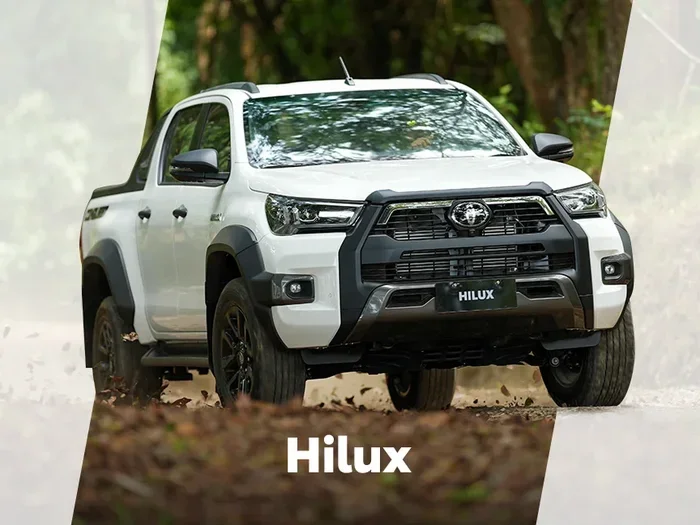
Visual guide about Toyota Hilux pickup truck
Image source: content.toyota.com.ph
Checking Model Year and Compliance Standards
Model year matters because rules often tie to it. A newer Hilux may already meet modern safety and emissions standards. An older one may need upgrades to pass inspection. Ask for the build date and the VIN. Then compare those details to your local compliance list.
If you are unsure, ask a local inspection center what they require. They can tell you which parts must match local specs. Common items include headlights, reflectors, seat belts, and emission controls. Knowing this early helps you avoid surprise costs. It also helps you decide if the truck is worth importing.
Verifying the VIN and Vehicle History
The VIN tells you a lot. It reveals the factory, model year, engine code, and sometimes the market it was built for. Use the VIN to check for recalls, accidents, or prior imports. A clean history gives peace of mind. A messy one may signal hidden problems.
Ask the seller for clear photos of the dashboard, chassis, and engine bay. Match the numbers on the truck to the paperwork. If anything looks off, pause and investigate. A careful check now prevents a costly mistake later. This step is key when you ask yourself, can you import a Toyota Hilux and actually register it.
How Much Does It Cost to Import a Toyota Hilux
Cost is a big part of the decision. The purchase price is only the start. You will also pay for shipping, insurance, taxes, and possibly compliance work. Some fees are fixed. Others depend on the truck value, weight, and distance. Plan for the full picture so there are no surprises.
Shipping, Taxes, and Hidden Fees Explained
Sea freight is the common choice for a Hilux. The truck goes in a container or on a car carrier. Cost depends on the route, fuel prices, and container availability. Insurance during transit is smart too. It covers damage or loss while the truck is at sea.
Taxes vary by country. Some places charge import duty based on value. Others add VAT or sales tax. There may also be processing fees for customs and registration. Ask a local customs office or broker for a rough estimate. A clear budget helps you compare options and pick the right truck.
Building a Realistic Import Budget
Make a simple list. Include the purchase price, shipping, insurance, duties, taxes, broker fees, inspection fees, and any required modifications. Add a cushion for unexpected items. It is better to overestimate than to run short. If the total looks too high, consider a different model year or a local alternative.
Here is a quick comparison to help you think through the main cost groups:
| Cost Group | What It Covers | Typical Notes |
|---|---|---|
| Purchase Price | Money paid to the seller for the Hilux | Varies by year, trim, mileage, and condition |
| Shipping | Sea freight and port handling | Container or RoRo; depends on distance and fuel costs |
| Insurance | Transit coverage for loss or damage | Usually a small percentage of the truck value |
| Taxes and Duties | Import duty, VAT, or local taxes | Set by your country and the truck value |
| Compliance and Inspection | Modifications, testing, and registration fees | May include lights, seat belts, or emission parts |
| Broker and Admin Fees | Paperwork, customs handling, and coordination | Saves time and reduces errors |
Use this as a starting point, not a final quote. Real numbers will differ by route and vehicle. The goal is to see the full shape of the expense before you commit.
Step-by-Step Guide to Importing a Toyota Hilux
Once you know the rules and the budget, follow a clear path. A step-by-step approach keeps things organized. It also reduces mistakes that cause delays. Here is a simple flow that works for many importers.
Finding a Reputable Seller and Import Broker
Choose a seller you can trust. Ask for detailed photos, service records, and a clear title. If possible, have a mechanic inspect the truck before you pay. For the import side, work with a licensed broker or freight forwarder who handles vehicles. They know the forms, timelines, and port steps.
A good broker can answer can you import a Toyota Hilux with specifics for your case. They can tell you if the truck needs changes and how long clearance may take. Ask for a written estimate and a timeline. Clear communication now prevents confusion later.
Paperwork, Customs, and Compliance Checks
Gather the documents early. You will likely need the bill of sale, title, VIN details, and export paperwork from the seller. Your broker or customs office will tell you exactly what forms to file. Keep copies of everything. Organized paperwork speeds up clearance.
After the truck arrives, it may need an inspection. The inspector checks safety and emissions items against local rules. If something is missing or wrong, you may need to fix it before registration. This is normal for many imports. Plan time and money for this step.
Once the truck passes, you can register it and get plates. Some places also require a local compliance label or modification approval. Follow the local process step by step. Take your time, and do not skip inspections. A clean handover means you can enjoy the truck sooner.
Common Challenges When Importing a Toyota Hilux
Even with good planning, issues can pop up. Knowing the common ones helps you stay calm and solve them fast. Most problems are manageable when you expect them. Here are the usual suspects.
Delays, Modifications, and Registration Hurdles
Shipping delays happen. Weather, port congestion, and paperwork errors can slow things down. Build extra time into your plan. If you need the truck by a certain date, order earlier than you think you need.
Modifications are another common hurdle. A truck may need headlight changes, seat belt upgrades, or emission parts to comply. These fixes are usually straightforward, but they cost time and money. Ask what is likely before you buy. That way, you can decide if the project still makes sense.
Registration can also take longer than expected. Some offices need special inspections for imported vehicles. Others require extra forms or local approvals. Stay in touch with the registry and your broker. Patience and clear records go a long way.
Tips to Avoid Costly Mistakes
- Read the rules first: Confirm age, drive side, and compliance needs before you buy.
- Verify the VIN: Match the truck to the paperwork and check history.
- Get written estimates: Ask your broker and shipper for clear, itemized quotes.
- Inspect before shipping: A pre-shipment check catches issues early.
- Keep every document: Bills, forms, and photos help during clearance.
- Plan for fixes: Set aside time and money for compliance work.
These simple habits reduce risk. They also make the whole process feel less stressful. If you stay organized, you will handle surprises with confidence.
Is Importing a Toyota Hilux Worth It
This is the big question. The answer depends on your goals, budget, and local options. The Hilux is known for durability and strong resale value in many markets. If you need a hardworking truck and cannot buy one locally, importing can make sense. If a similar truck is available nearby, compare the total cost first.
Think about how you will use it. For farming, contracting, or off-road adventures, a Hilux can be a great fit. For daily city commuting, consider drive side, fuel economy, and parts availability. Also think about long-term maintenance. Local parts and service support matter a lot over time.
If you love the Hilux and the numbers work, go for it. Just keep the process realistic. Import rules, shipping, and compliance all take effort. With the right planning, you can bring home a truck that serves you well for years.
Final Thoughts on Can You Import a Toyota Hilux
So, can you import a Toyota Hilux? In many places, yes, if you follow the rules and plan carefully. Start by checking local import laws and compliance needs. Verify the model year, VIN, and drive side. Build a full budget that includes shipping, taxes, insurance, and possible modifications. Work with a trusted broker and keep your paperwork organized.
The process takes time, but it is doable. Take it one step at a time, and ask questions when you are unsure. A careful approach helps you avoid delays and extra costs. If the truck fits your needs and the total cost makes sense, importing can be a smart move. With a bit of patience, you can enjoy a tough, reliable Hilux on your own roads.
Frequently Asked Questions
Can you import a Toyota Hilux if it is a used truck?
Yes, in many countries you can import a used Hilux, but the rules depend on age, emissions, and safety standards. Always check your local import laws before you buy.
What documents do I need to import a Toyota Hilux?
You usually need the bill of sale, title, VIN details, and export paperwork from the seller. Your broker or customs office may also require specific import forms.
How long does it take to import a Toyota Hilux?
It often takes several weeks to a few months, depending on shipping, customs, and inspections. Delays can happen, so plan for extra time.
Do I need to modify a Toyota Hilux to register it?
Sometimes yes. You may need changes to lights, seat belts, or emissions parts to meet local standards. An inspection center can tell you what is required.
Is it cheaper to import a Toyota Hilux or buy one locally?
It depends on the total cost. Import duties, shipping, and compliance work can add up, so compare the full budget with a local option before deciding.
Can I import a right-hand drive Toyota Hilux?
In some places yes, and in others no. Some regions only allow left-hand drive vehicles, while others allow right-hand drive with extra inspections. Check your local rules first.