
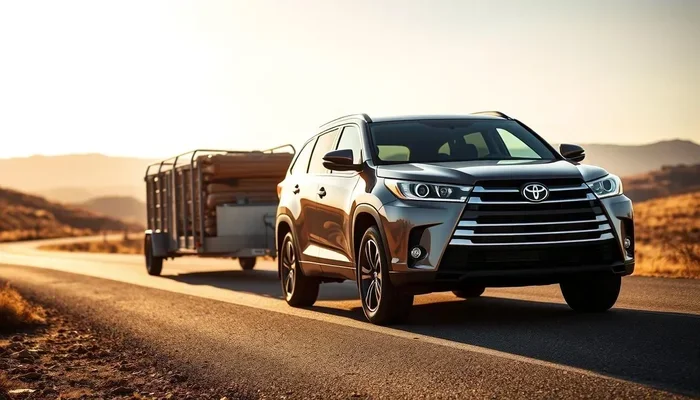
If you are planning to haul a boat, trailer, or camping gear, you need to know how much can a Toyota Highlander pull before hitting the road. This midsize SUV offers a solid towing capacity that fits many everyday hauling needs without sacrificing comfort. Understanding the limits, weight ratings, and proper setup will keep your trips safe and stress-free.
Key Takeaways
- Primary towing capacity: Most Toyota Highlander trims can tow up to 5,000 pounds when properly equipped with the right hitch and brake controller.
- Payload matters: Towing capacity is different from payload, and you must account for passengers, cargo, and tongue weight before attaching a trailer.
- Proper equipment: Using a factory or quality aftermarket hitch, trailer wiring, and a brake controller is essential for safe towing within the rated limits.
- Driving adjustments: Towing changes braking distance, acceleration, and handling, so you should allow extra space and drive smoothly.
- Model variations: Trim levels, drivetrain, and optional packages can affect towing readiness, so always verify the specific vehicle rating.
- Maintenance checks: Tire pressure, fluid levels, and suspension condition play a big role in safe towing performance and long-term reliability.
- Know your setup: Matching the trailer weight to the Highlander capability ensures confident towing for bikes, boats, small campers, and utility trailers.
📑 Table of Contents
What You Need to Know Before Towing
Towing sounds simple until you start looking at numbers, ratings, and real-world conditions. The truth is that a vehicle can only do so much, and the Toyota Highlander towing capacity depends on several factors working together. If you want to haul a small camper, a jet ski trailer, or a set of ATVs, you need a clear picture of what your SUV can handle.
The first thing to understand is that towing is not just about the maximum number on a spec sheet. You also need to think about payload, tongue weight, braking, and how the vehicle feels on the road. A midsize SUV like the Highlander can be a great choice for families who need extra utility without moving to a larger truck. It offers a comfortable ride, plenty of passenger space, and enough pulling power for many common trailers.
Before you hook up anything, check the owner’s manual and the certification label on your vehicle. Those sources give you the official ratings for your specific model year and trim. If you are still exploring your options, you may also want to compare how the Highlander fits into your lifestyle by reviewing whether it has the seating layout you need. For example, you can read more about seating in this guide on how many seats does a Toyota 4Runner have if you are weighing different Toyota SUVs.
Towing vs Payload
People often confuse towing capacity with payload capacity, but they are not the same thing. Towing capacity tells you how much a vehicle can pull behind it. Payload tells you how much weight the vehicle can carry inside and on itself, including passengers, cargo, and trailer tongue weight.
This distinction matters because a heavy trailer can quickly eat into your payload limit. If your SUV is already loaded with family and gear, you may not have much room left for a heavy tongue weight. That is why smart towing starts with checking both numbers, not just the big towing figure.
Why the Highlander Makes Sense for Light to Moderate Towing
The Highlander is built for daily driving, family trips, and weekend adventures. It is not a heavy-duty truck, but it is designed to handle more than many drivers expect. For many households, that means it can easily manage bike racks, small utility trailers, and lighter recreational setups.
If you are comparing SUVs for a busy family life, you might also be thinking about overall longevity and reliability. Toyota vehicles are often chosen for their long-term durability, and you can explore that topic further in this article on how long do Toyota last. A vehicle that holds up well over time can be a smart partner for regular towing as long as you use it within its limits.
Toyota Highlander Towing Capacity Explained
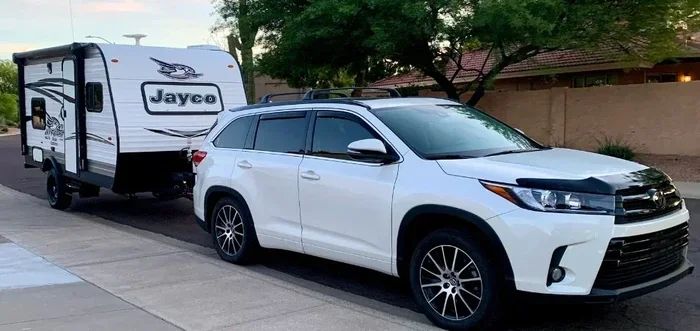
Visual guide about Toyota Highlander towing trailer
Image source: towstats.com
The short answer is that many Toyota Highlander models are rated to tow up to 5,000 pounds when properly equipped. That number is a strong starting point, but it is not the whole story. The exact rating can vary by model year, trim, drivetrain, and optional equipment.
To get the best results, you need to confirm the rating for your specific vehicle. A well-equipped Highlander with the right hitch and trailer brake system is much better prepared for towing than one that is missing key components. Even if the vehicle has a strong base rating, the setup still matters.
What Affects the Towing Number
Several things can influence how much your Highlander can safely tow. The most important ones include the hitch class, trailer brakes, tire condition, and how the vehicle is loaded. A higher trim may offer convenience features, but the core towing capability usually comes down to the vehicle’s design and equipment.
You should also think about how you plan to use the SUV. If you are towing on steep grades, in hot weather, or for long distances, you may want to stay below the maximum rating. Giving yourself a little extra margin can make the trip smoother and reduce strain on the vehicle.
Common Uses for the Highlander’s Towing Limit
A 5,000-pound rating opens the door to many practical towing jobs. Here are some common examples of what many owners consider within reach:
- Small travel trailers and lightweight campers
- Boat trailers with moderate-sized vessels
- Utility trailers carrying gear, tools, or outdoor equipment
- ATV or side-by-side trailers with careful loading
- Pop-up campers and other lightweight recreational setups
Even with that range, you still need to match the trailer to your specific vehicle and driving conditions. A lighter trailer is usually easier to control, especially if you are new to towing. If you want to understand how the Highlander fits into the larger Toyota SUV lineup, you can also check is a Toyota Highlander an SUV for a quick overview of its vehicle class.
Payload, Tongue Weight, and Real-World Limits
Towing capacity gets a lot of attention, but payload is where many trips get complicated. Every person, bag, cooler, and piece of gear inside the SUV counts toward payload. So does the downward pressure from the trailer coupler, which is called tongue weight.
Tongue weight is important because it affects stability. If the trailer is too light on the hitch, the setup can sway. If it is too heavy, the rear of the SUV can squat and the front can lose some steering precision. A balanced load helps the whole combination behave more predictably.
How to Estimate Tongue Weight
A good rule of thumb is to keep tongue weight within a reasonable percentage of the trailer’s total weight. The exact recommendation can vary, but the main idea is to avoid overloading the hitch or underloading it. You want the trailer to sit level and the SUV to stay as close to its normal ride height as possible.
If you are unsure, use a scale designed for trailer tongue weight. That simple check can save you from guessing and help you distribute the load more safely. It is especially useful if you are loading a mixed trailer with gear, food, and equipment.
Why Passenger and Cargo Weight Matters
Imagine you are taking a family trip with four passengers, a full cooler, and a roof cargo carrier. That weight adds up fast. If you then attach a trailer that is near the upper end of your comfort zone, you may be closer to the limit than you think.
That is why it helps to plan ahead. Before towing, count the people, estimate the cargo, and leave room for the trailer’s tongue weight. If you need more space for people or gear, you may want to compare seating and cargo options across different Toyota models. For example, you can look at how many seats are in a Toyota Sienna if you are considering a minivan alternative for larger groups.
Essential Towing Equipment for the Highlander
A capable SUV still needs the right equipment to tow safely. The hitch is the most obvious piece, but it is only one part of the setup. You also need proper wiring, a brake controller when required, and the correct accessories for your trailer.
Using quality equipment is not just about meeting requirements. It also makes the whole experience easier and more secure. A solid hitch installation, clean electrical connections, and a well-matched ball size can prevent annoying problems on the road.
Hitch Selection
Not every hitch is the same, and the right choice depends on your trailer and your vehicle. A properly rated hitch should match or exceed the weight you plan to tow. It should also be installed securely and checked regularly for wear or loosening.
If you are new to towing, it is worth taking time to understand hitch classes and receiver sizes. The goal is to choose something that fits your needs without pushing beyond the vehicle’s rating. When in doubt, follow the vehicle manufacturer’s guidance and the hitch manufacturer’s instructions.
Wiring and Brake Controllers
Trailer lights are essential for safety, especially at night or in poor weather. Your setup should include functioning turn signals, brake lights, and running lights. If the trailer has its own brakes, a brake controller in the SUV helps coordinate stopping power between the vehicle and the trailer.
A good brake controller can make a noticeable difference when you need to slow down or stop smoothly. It helps reduce trailer push and gives you more confidence in busy traffic or on downhill stretches. If you are learning the basics of towing, this is one area where a little setup time pays off.
Driving Tips for Safe Towing
Once everything is hooked up, the way you drive matters just as much as the equipment. Towing changes how the SUV accelerates, brakes, and turns. It also affects how you handle merges, hills, and tight spaces.
The best approach is to drive smoothly and give yourself more room than usual. Gentle inputs work better than sudden moves. That means gradual braking, steady acceleration, and extra caution in crowded areas.
Braking and Following Distance
A trailer adds momentum, which means stopping takes longer. You should increase your following distance and begin braking earlier than you would without a trailer. This is especially important when the road is wet or when traffic is moving quickly.
If your trailer has brakes, make sure they are adjusted properly and working as intended. The SUV’s brakes do some of the work, but the trailer brakes help share the load. Together, they can improve control and reduce strain on the whole system.
Turning, Backing Up, and Lane Changes
Wide turns are often necessary because the trailer wheels cut inside the turning path of the SUV. Give yourself extra space when turning at intersections and watch for curbs, signs, and other obstacles. It is also wise to move slowly when backing up, since trailer direction can feel counterintuitive at first.
Lane changes should be deliberate and patient. Check your mirrors, signal early, and move only when there is plenty of room. If you are towing in windy conditions or on a busy highway, staying calm and methodical will help you avoid mistakes.
Quick Tips for Better Towing
- Check tire pressure on both the SUV and the trailer before leaving
- Spread the trailer load evenly and keep it secured
- Practice turning and backing in a quiet area first
- Use mirrors that give you a clear view of the trailer
- Take breaks on long trips to check connections and load security
Common Mistakes and Expert Insights
Even experienced towers can make errors when they rush or assume everything is fine. The most common problems usually come from overloading, poor load balance, or skipping a pre-trip check. Avoiding these mistakes is easier when you build a simple routine.
One mistake is focusing only on the big towing number and ignoring payload. Another is forgetting to verify that the trailer lights and brakes are working before departure. A third is towing with underinflated tires, which can hurt handling and increase heat buildup.
Common Mistakes to Avoid
- Exceeding the vehicle’s rated towing or payload limits
- Loading the trailer too far forward or too far back
- Neglecting trailer tire condition and pressure
- Skipping a full light and connection check before leaving
- Driving too fast for the added weight and road conditions
Expert Insights
A practical towing routine starts before you leave the driveway. Walk around the vehicle and trailer, confirm the hitch is locked, and make sure the load is balanced. It also helps to think about the whole trip, not just the first mile.
If you plan to tow often, it is smart to keep an eye on maintenance items that support towing performance. Healthy fluids, good brakes, and tires in good condition all matter. You can also stay aware of battery health if your setup includes electrical accessories or a start-stop system. For a closer look at that topic, see how long does a Toyota battery last.
It is also worth remembering that towing is easier when you match the job to the vehicle. If your trailer is near the upper end of what the SUV can handle, try to keep trips shorter and conditions favorable. If you need to haul heavier loads regularly, it may be time to reconsider the setup or the trailer itself.
Final Thoughts on Highlander Towing
So, how much can a Toyota Highlander pull in everyday use? For many trims and model years, the answer centers around a solid midsize towing rating that can handle a range of light to moderate loads. That makes it a practical option for families, weekend travelers, and anyone who needs a versatile SUV with useful hauling ability.
The real key is to use the vehicle within its limits and set it up correctly. Check your specific rating, respect payload, use the right hitch and brakes, and adjust your driving for the extra weight. When you do that, the Highlander can be a dependable partner for boats, campers, utility trailers, and other common towing tasks.
If you are building a towing routine, start with a simple checklist and stick to it. A few minutes of preparation can make the difference between a smooth trip and a stressful one. With the right habits, you can get the most out of your SUV and tow with confidence.
Frequently Asked Questions
How much can a Toyota Highlander pull?
Many Toyota Highlander models can tow up to 5,000 pounds when properly equipped, but the exact rating depends on the model year, trim, and setup. Always verify the rating for your specific vehicle before towing.
Does the Toyota Highlander need a brake controller for towing?
If your trailer has its own brakes, a brake controller is usually recommended or required for safe towing. It helps coordinate stopping between the SUV and the trailer, especially under heavier loads.
What kind of hitch does a Toyota Highlander need?
The Highlander typically uses a hitch that matches the trailer’s weight and the vehicle’s rating. A properly rated receiver hitch, correct ball size, and secure installation are essential for safe towing.
Can a Toyota Highlander tow a boat trailer?
Yes, many Highlanders can tow a boat trailer with a moderate-sized boat, as long as the total weight stays within the vehicle’s rating. You should also account for passenger weight, cargo, and tongue weight.
How does towing affect the Toyota Highlander’s driving?
Towing adds weight and momentum, so braking, acceleration, and handling change compared with normal driving. You should allow extra stopping distance, drive more smoothly, and take wider turns.
What should I check before towing with a Toyota Highlander?
Before towing, check the hitch connection, trailer lights, tire pressure, load balance, and brake controller setup if applicable. It is also smart to confirm that the total weight stays within your vehicle’s limits.