
Most Toyota batteries last between 3 to 5 years, depending on your driving habits and climate. If you notice slow engine cranks or dim lights, it might be time for a check. Regular maintenance and avoiding short trips can help you maximize your battery life. Understanding these key facts saves you from unexpected breakdowns and keeps your car running smoothly.
Owning a Toyota is a great experience. These cars are known for reliability and longevity. But even the best cars need power to start. The battery is the heart of your vehicle’s electrical system. Without it, you are not going anywhere. Many owners ask the same question: how long does a Toyota battery last?
This is a common concern for good reason. A dead battery is one of the most frustrating car problems. It often happens at the worst possible time. You might be rushing to work or heading out on a trip. Knowing what to expect helps you plan ahead. It also helps you avoid being stranded on the side of the road.
In this guide, we will break down everything you need to know. We will look at average lifespans and warning signs. We will also discuss what affects battery health. You will learn how to care for your battery and when to replace it. This information applies to most models, from the Corolla to the Camry. Let’s dive into the details so you can keep your Toyota running strong.
Key Takeaways
- Average Lifespan: A Toyota battery typically lasts 3 to 5 years under normal conditions.
- Warning Signs: Look for slow cranking, dim headlights, and dashboard warning lights.
- Climate Impact: Extreme heat and cold can significantly reduce battery performance and longevity.
- Maintenance Matters: Keeping terminals clean and avoiding short trips helps extend battery life.
- Replacement Cost: Expect to pay between $100 and $250 for a new battery including installation.
- Testing: Get your battery tested annually after the third year to prevent sudden failures.
- Professional Help: If you are unsure, consult a technician for proper diagnosis and replacement.
📑 Table of Contents
Understanding Battery Lifespan
When you buy a new car, the battery is usually fresh. You might expect it to last as long as the car. Unfortunately, that is not how it works. Car batteries are consumable parts. They wear out over time just like tires or brake pads. The average life for a standard lead-acid battery is around four years. Some last longer, and some fail sooner.
Several factors play a role in this timeline. The type of battery matters too. Most Toyotas come with a standard flooded battery. Some newer models with start-stop technology need an AGM battery. These are more expensive but often last longer. Knowing which type you have helps set realistic expectations.
Standard vs. AGM Batteries
Standard batteries are found in most older models. They are reliable and affordable. AGM batteries are used in vehicles with advanced electronics. They handle deep discharges better. If your Toyota has a start-stop system, you likely have an AGM battery. This distinction is important for maintenance and replacement costs.
The Four-Year Mark
Why is four years the magic number? Chemical reactions inside the battery degrade over time. The internal plates lose their ability to hold a charge. Even if the battery looks fine, its capacity drops. After four years, the risk of failure increases significantly. This is why many experts recommend planning for replacement around this time.
Signs Your Toyota Battery Is Dying
Batteries rarely die without warning. There are usually clues before a complete failure. Paying attention to these signs can save you trouble. The most obvious sign is a slow engine crank. When you turn the key, the engine should start quickly. If it sounds sluggish, the battery might be weak.

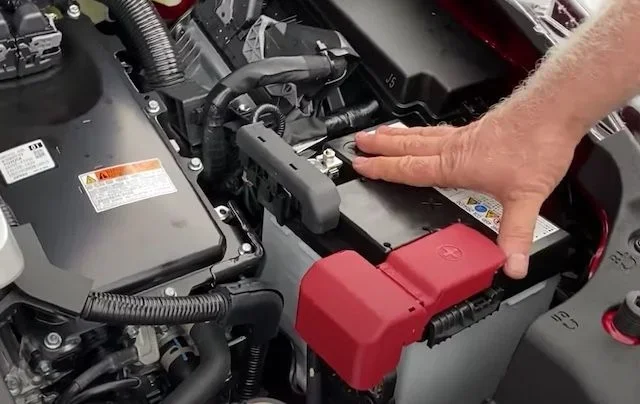
Visual guide about Toyota car battery closeup
Image source: aautomotives.com
Another common sign is dimming lights. Check your headlights and interior lights. If they seem dimmer than usual, especially when idling, take note. You might also see warning lights on your dashboard. The battery light or check engine light can indicate charging issues. Do not ignore these signals.
Slow Engine Crank
This is the most frequent symptom. The starter motor needs power to turn the engine. A weak battery cannot provide enough current. You will hear a dragging sound. The engine turns over slowly before catching. This is a clear sign that your battery is struggling.
Electrical Issues
Modern Toyotas have many electronic features. Power windows, locks, and infotainment systems all draw power. If these operate slowly or erratically, the battery could be the culprit. You might also notice the radio resetting frequently. These small glitches add up to a bigger problem.
Factors That Affect Battery Life
Not all driving habits are the same. How you use your car impacts the battery. Short trips are hard on batteries. Starting the car takes a lot of energy. The alternator needs time to recharge the battery. If you only drive for a few minutes, the battery never fully charges. Over time, this leads to premature failure.
Temperature is another huge factor. Extreme heat is actually worse than extreme cold. Heat causes the fluid inside the battery to evaporate. It also damages the internal structure. Cold weather makes the battery work harder. The engine oil thickens, requiring more power to start. Both extremes shorten the life of your battery.
Driving Habits
Do you take many short trips? If so, your battery suffers. Try to combine errands into longer drives. This allows the alternator to do its job. Highway driving is better for battery health than stop-and-go city traffic. Consistent driving patterns help maintain charge levels.
Climate and Weather
Living in a hot climate like Arizona is tough on batteries. Living in a cold climate like Minnesota is also challenging. If you live in an area with extreme temperatures, check your battery more often. Parking in a garage can help protect it from the elements. It provides a buffer against heat and cold.
Maintenance Tips to Extend Life
You can take steps to make your battery last longer. Simple maintenance goes a long way. First, keep the terminals clean. Corrosion looks like white or blue powder on the connections. This blocks power flow. You can clean it with a wire brush and a baking soda solution.
Second, secure the battery hold-down. Vibrations can damage internal plates. Make sure the battery is snug in its tray. Third, avoid draining the battery when the engine is off. Do not leave lights or accessories on for long periods. Modern Toyotas usually shut off automatically, but it is still good to check.
Cleaning Terminals
Safety first when working under the hood. Wear gloves and eye protection. Disconnect the negative cable first, then the positive. Clean the posts and clamps. Reconnect the positive cable first, then the negative. This prevents short circuits. A clean connection ensures strong power delivery.
Regular Testing
Get your battery tested regularly. Many auto parts stores offer free testing. You can also ask your mechanic during oil changes. Testing measures the voltage and cold cranking amps. It tells you if the battery is still healthy. We recommend testing every year after the battery turns three.
Replacement Costs and Options
Eventually, every battery needs replacement. The cost varies based on your specific Toyota model. A standard battery for a Corolla or Camry is affordable. You might pay between $100 and $200 for the part. Installation fees add to the total. Dealerships might charge more than independent shops.
You also have the option to do it yourself. If you are comfortable working under the hood, it is a simple job. Just make sure you buy the correct size and type. Check your owner’s manual for specifications. If you choose a shop, ask for a quote beforehand. Some places offer free installation with purchase.
DIY vs. Professional
Doing it yourself saves money on labor. You need basic tools like wrenches and gloves. But if you are unsure, hire a pro. They can test the alternator too. Sometimes the battery is fine, but the alternator is failing. A professional diagnosis prevents unnecessary parts purchases.
Recycling Old Batteries
Do not throw old batteries in the trash. They contain lead and acid. These are harmful to the environment. Most auto shops will recycle your old battery for free. Some even give you a core charge refund. This incentive encourages proper disposal. Always handle old batteries with care.
When to Seek Professional Help
Sometimes a battery problem is not just a battery problem. The charging system might be failing. The alternator might not be charging the battery while you drive. If your battery dies frequently after replacement, check the alternator. A bad alternator will kill a new battery quickly.
Parasitic drain is another issue. This happens when something draws power when the car is off. It could be a faulty switch or a short circuit. Diagnosing this requires special tools. A mechanic can trace the drain. If you notice repeated failures, seek expert advice.
Alternator Issues
The alternator keeps the battery charged while driving. If it fails, the battery drains. You might see the battery warning light. The car might stall while driving. This is a serious safety issue. Get it checked immediately if you suspect alternator trouble.
Parasitic Drain
This is a hidden problem. Your car loses power overnight. You wake up to a dead battery. A mechanic can perform a draw test. They identify which circuit is causing the drain. Fixing the underlying issue saves you from buying another battery.
Conclusion
Knowing how long does a Toyota battery last helps you stay prepared. Most batteries serve you well for 3 to 5 years. Pay attention to warning signs like slow cranking and dim lights. Protect your battery from extreme temperatures and short trips. Regular cleaning and testing can extend its life.
When it is time to replace, choose the right type for your model. Consider professional help if you are unsure about the cause of failure. Proper care ensures your Toyota starts every time. It keeps your electrical systems running smoothly. Take care of your battery, and it will take care of you.
Frequently Asked Questions
How often should I replace my Toyota battery?
You should plan to replace your battery every 3 to 5 years. However, this depends on your driving habits and local climate. Regular testing can help you determine the exact timing for replacement.
What are the first signs of a weak battery?
The most common sign is a slow engine crank when starting the car. You might also notice dim headlights or flickering dashboard lights. These symptoms suggest the battery is losing its charge capacity.
Does cold weather kill car batteries?
Cold weather does not necessarily kill batteries, but it makes them work harder. It reduces the battery’s ability to deliver power. Extreme heat is actually more damaging to long-term battery health than cold.
Can I replace the battery myself?
Yes, replacing a battery is a simple task for many DIY enthusiasts. You just need basic tools and the correct replacement part. Always disconnect the negative cable first to avoid electrical shorts.
Why does my new battery keep dying?
If a new battery keeps dying, you might have an alternator issue. There could also be a parasitic drain drawing power when the car is off. Have a mechanic test the charging system to find the root cause.
How much does a Toyota battery replacement cost?
The cost typically ranges from $100 to $250 depending on the model. This includes the price of the battery and labor fees. Dealerships may charge more than independent repair shops.
3 thoughts on “How Long Does a Toyota Battery Last Key Facts”