
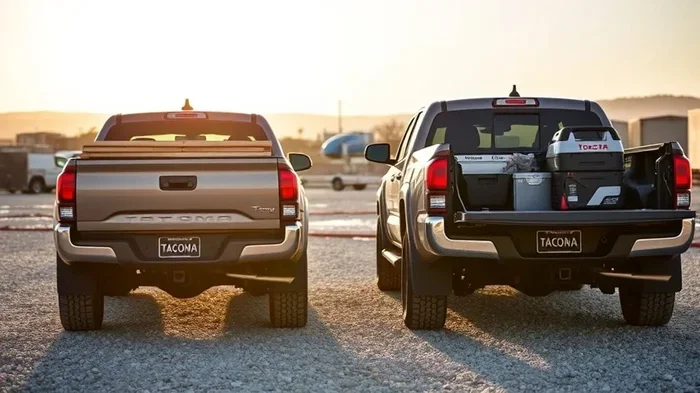
The Toyota Tacoma is a rugged midsize truck built for work and adventure. Its payload capacity typically ranges from 1,400 to 1,900 pounds depending on the trim and configuration. Understanding your truck’s limits ensures safe driving and prevents costly damage. This guide breaks down everything you need to know about carrying capacity.
If you own a Toyota Tacoma, you probably love its versatility. This truck handles daily commutes and weekend off-road trips with ease. But when it comes to hauling gear, knowing your limits is crucial. Many owners ask the same question: how much weight can a Toyota Tacoma carry without causing problems?
The answer depends on your specific model year and configuration. Payload capacity is not just a number on a spec sheet. It affects how your truck brakes, handles corners, and wears down over time. Ignoring these limits can lead to safety issues on the road.
In this guide, we will explore everything about Tacoma payload capacity. We will look at different trims, how to measure your load, and tips for safe hauling. By the end, you will know exactly how to use your truck safely and effectively.
Key Takeaways
- Payload varies by trim: Different Tacoma models offer different carrying limits based on engine and bed size.
- Check the door sticker: Your specific vehicle’s payload rating is listed on the driver-side door jamb.
- Distribute weight evenly: Placing heavy items in the center of the bed improves stability and safety.
- Don’t exceed limits: Overloading can damage your suspension, brakes, and frame over time.
- Consider towing vs. hauling: Payload affects how much you can carry in the bed, while towing involves pulling a trailer.
- Remove excess weight: Taking out rear seats can increase your available payload capacity significantly.
- Regular maintenance matters: Keeping your truck in good shape ensures it handles weight safely.
📑 Table of Contents
Understanding Payload Capacity Basics
Before we dive into numbers, you need to understand what payload means. Payload capacity is the total weight your truck can carry in the cab and bed. This includes passengers, cargo, and any accessories you add. It does not include the weight of the truck itself.
Many people confuse payload with towing capacity. Towing is about pulling a trailer behind you. Payload is about what sits directly on the vehicle. Both are important, but they use different parts of the truck’s engineering.
The Toyota Tacoma payload rating is determined by the manufacturer. It accounts for the strength of the frame, suspension, and brakes. Exceeding this rating puts stress on these critical components. It can also void your warranty if damage occurs.
Here are the main factors that influence payload:
- Engine type: V6 engines often support different loads than four-cylinder options.
- Cab configuration: Double cab models may have different limits than access cab versions.
- Bed length: Shorter beds sometimes allow for higher payload ratings.
- Drivetrain: Four-wheel drive systems add weight, which reduces available payload.
Knowing these factors helps you choose the right truck for your needs. If you plan to haul heavy tools or gear, look for a model with a higher rating.
How Much Weight Can a Toyota Tacoma Carry by Model
Not all Tacomas are built the same. The payload capacity changes based on the trim level and options you select. For example, a base model might handle more weight than a fully loaded TRD Off-Road. This is because luxury features and off-road parts add weight to the vehicle itself.
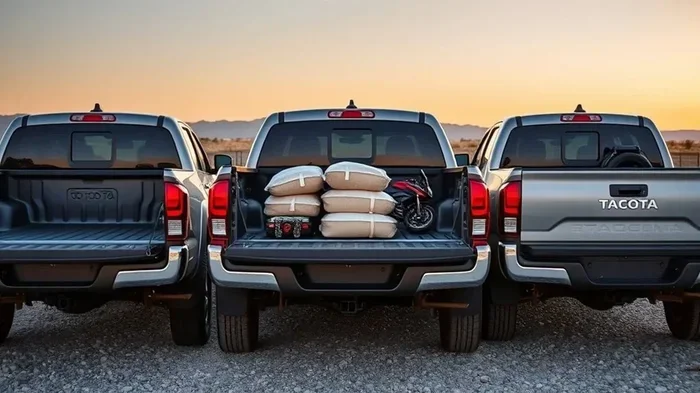
Visual guide about Toyota Tacoma payload capacity
Image source: gomyreview.com
Generally, most modern Toyota Tacoma models fall within a specific range. You can expect a payload between 1,400 and 1,900 pounds. This is plenty for most camping gear, construction materials, and recreational equipment.
Let’s look at how different configurations compare. A standard pickup with a regular cab often has a higher payload. This is because it weighs less than a crew cab with a longer bed. However, the crew cab offers more space for passengers.
If you are curious about other Toyota trucks, you might also wonder how much can a Toyota Highlander pull. While the Highlander is an SUV, comparing capacities helps you understand Toyota’s engineering across different vehicle types.
Here is a general breakdown of what you might see:
- Base Models: Often offer the highest payload due to fewer heavy options.
- Mid-Level Trims: Provide a balance of features and carrying capacity.
- Off-Road Trims: May have slightly lower payload due to heavier suspension components.
Always check the specific sticker for your vehicle. The numbers on the window sticker are the legal limits for your exact truck. Do not rely on general online estimates for safety-critical decisions.
Finding Your Specific Payload Rating
You do not need to guess your truck’s limits. The information is right on your vehicle. The most accurate place to find your payload capacity is on the driver-side door jamb. Look for a yellow and white sticker placed by the manufacturer.
This sticker lists several important numbers. It shows the number of seats, the tire pressure, and the payload rating. It also lists the vehicle identification number (VIN). This data is specific to your car, not just the model year.
Another place to check is your owner’s manual. The manual explains how to calculate load limits safely. It also provides tips on how to distribute weight properly. Reading this section is a smart move for any new owner.
Sometimes people ask how much is a 2026 Toyota Tacoma worth when considering an upgrade. Knowing the payload capacity is part of understanding the truck’s overall value and utility. A higher payload rating can make a truck more useful for work.
Here is how to read the door sticker:
- Find the GVWR: This is the Gross Vehicle Weight Rating, including the truck’s weight.
- Find the Curb Weight: This is the weight of the truck with a full tank of gas.
- Calculate the Difference: Subtract the curb weight from the GVWR to get your payload.
Some stickers list the payload directly. If yours does, use that number. It is the safest and easiest way to know your limits.
Tips for Maximizing Hauling Safety
Once you know your limits, you need to use them wisely. Safe hauling is about more than just staying under the weight limit. How you load the truck matters just as much as how much you load.
The first rule is to distribute weight evenly. Place heavy items over the axle or slightly forward. This keeps the front wheels grounded and maintains steering control. If you put too much weight in the back, the truck might squat and handle poorly.
Securing your load is also critical. Use tie-downs, ropes, or cargo nets to keep items in place. Shifting cargo during a turn can change the weight balance suddenly. This can make the truck unstable or cause items to fall out.
You should also consider removing unnecessary weight. If you have rear seats that fold down, take them out if you do not need them. This frees up payload capacity for gear. Many owners wonder how many seats are in a Toyota Sienna because seating affects weight, but in a truck, removable seats help too.
Here are some quick safety tips:
- Check tire pressure: Inflate tires to the recommended level for loaded driving.
- Test your brakes: Heavy loads increase stopping distance, so brake earlier.
- Drive slower: Reduce speed when cornering or going over bumps with a heavy load.
- Inspect suspension: Look for signs of sagging or wear before hauling heavy items.
Taking these steps protects your truck and everyone on the road. Safety should always be your top priority when hauling.
Common Mistakes When Loading a Tacoma
Even experienced owners make mistakes when loading their trucks. Avoiding these errors saves money and prevents accidents. One common mistake is ignoring the weight of accessories. Bed liners, tonneau covers, and running boards all add weight.
Another error is assuming all passengers weigh the same. The payload rating includes people, not just cargo. If you have four passengers and a full bed of tools, you might exceed the limit. Always count every person and every item.
Some owners also overlook the weight of fuel. A full tank of gas adds significant weight to the vehicle. If you are near your limit, consider driving with a half tank. This gives you more room for cargo.
People often compare trucks when looking for the right fit. You might check how much is a Toyota Four Runner to see if an SUV suits your needs better. However, if you need a bed, the Tacoma remains a top choice for utility.
Here are the most frequent loading errors:
- Overloading the rear: Causes steering lightness and suspension damage.
- Unsecured cargo: Leads to debris on the road or lost equipment.
- Ignoring tongue weight: Important if you are also towing a trailer.
- Forgetting fuel weight: A full tank can weigh over 50 pounds.
Being aware of these pitfalls helps you load smarter. Double-check your setup before you drive away.
Maintenance for Heavy Load Carrying
Hauling heavy loads puts extra stress on your Tacoma. Proper maintenance ensures your truck handles the strain without breaking down. You should pay extra attention to your suspension system. Shocks and springs work harder when the bed is full.
Your braking system also needs care. Heavy loads increase the heat generated by brake pads. Check your brake fluid and pad thickness regularly. If you notice reduced stopping power, get your brakes inspected immediately.
Tires are another critical component. Under-inflated tires can overheat when carrying heavy weight. Check your pressure before every long trip with a load. Make sure your tires have enough tread for wet or slippery conditions.
Engine health matters too. If you plan to carry heavy weights often, keep up with oil changes. A well-lubricated engine performs better under load. You might also wonder how much is oil change at Toyota dealership to budget for this regular maintenance.
Consider these maintenance checks:
- Suspension inspection: Look for leaks or sagging springs.
- Brake check: Test stopping distance and listen for noises.
- Tire rotation: Ensure even wear across all four tires.
- Fluid levels: Check oil, coolant, and transmission fluid regularly.
Regular care keeps your Tacoma reliable for years. A maintained truck handles weight much better than a neglected one.
Conclusion
Knowing how much weight can a Toyota Tacoma carry is essential for safe and effective use. Your truck is a capable machine, but it has limits designed for your protection. By understanding payload capacity, you can avoid damage and drive with confidence.
Remember to check your door sticker for the exact rating. Distribute your load evenly and secure everything tightly. Regular maintenance will keep your suspension and brakes ready for the job. With the right knowledge, your Tacoma will serve you well for work and play.
Use this information to plan your next haul safely. Your truck is built to handle tough tasks, but respecting its limits ensures it lasts longer. Drive safe and enjoy the versatility of your Tacoma.
Frequently Asked Questions
What happens if I exceed the payload capacity?
Exceeding the limit can damage your suspension and brakes. It also makes the truck harder to control during turns and stops. You risk voiding your warranty if mechanical failure occurs.
Does adding a camper shell affect payload?
Yes, a camper shell adds weight to the vehicle itself. This reduces the amount of cargo you can carry in the bed. You must subtract the shell’s weight from your total payload limit.
Can I increase my Tacoma’s payload capacity?
You cannot officially increase the manufacturer’s rating. However, removing rear seats or heavy accessories frees up available capacity. Always stay within the limits listed on your door sticker.
How does tongue weight affect payload?
If you tow a trailer, the tongue weight counts toward your payload. This weight pushes down on the hitch and sits on the truck’s frame. You must include it when calculating your total load.
Where can I find the official payload rating?
The official rating is on the driver-side door jamb sticker. It is also listed in your owner’s manual. Do not use general online numbers for your specific vehicle.
Does fuel weight count toward payload?
Yes, the weight of the fuel is part of the vehicle’s total weight. A full tank adds several pounds to the curb weight. This reduces the remaining capacity for cargo and passengers.