
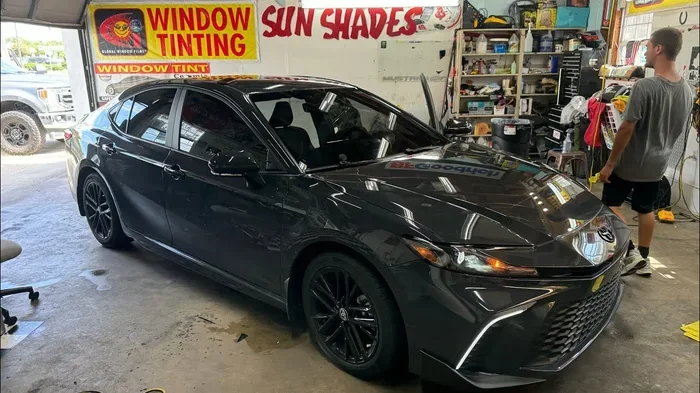
How much to tint a Toyota Camry depends on film type, local labor rates, and the number of windows you treat. Most owners pay between $250 and $600 for a full sedan wrap from a trusted shop. Cheaper dyed film saves money upfront, while ceramic options block more heat and last longer. Always check local tint laws before you book so you avoid fines and failed inspections.
If you are asking how much to tint a Toyota Camry, you are not alone. Window film is one of those upgrades that feels small until you sit in a cooler cabin on a hot afternoon. Then it feels like a smart buy. A good tint job reduces glare, blocks harmful rays, and gives your sedan a cleaner look. It can also help your interior resist fading over time.
The tricky part is that pricing varies a lot. Film type, installer skill, local labor rates, and even the shape of your windows change the final number. Some shops charge by the window. Others quote a flat rate for the whole car. In this guide, I will walk you through the real costs, the film choices, and the mistakes that can quietly raise your bill. You will also learn how to compare quotes without getting lost in jargon.
Key Takeaways
- Real cost range: Expect $250 to $600 for a full Toyota Camry window tint job from a professional installer.
- Film type matters: Dyed film is budget-friendly, carbon adds a matte look, and ceramic blocks the most heat and UV rays.
- Window count affects price: A Camry typically has five to six windows, and each pane adds labor and material cost.
- Local laws shape choices: Visible Light Transmission rules vary by state, so legal darkness limits what you can install.
- DIY saves cash but risks errors: Home kits cost less but can bubble, peel, or violate tint limits if measured incorrectly.
- Prep and warranty add value: Clean install environments, dust control, and multi-year warranties protect your investment.
- Maintenance is simple: Use ammonia-free cleaners, soft cloths, and gentle wiping to keep film clear and long-lasting.
📑 Table of Contents
- How Much To Tint A Toyota Camry: Real Cost Breakdown
- Window Tint Types And What They Mean For Your Camry
- How Many Windows Does A Camry Have And Why It Affects Price
- Legal Tint Limits And Why They Matter For Your Quote
- DIY Tint Vs Professional Installation: Which Is Worth It
- How To Get The Best Tint Price Without Sacrificing Quality
- How To Care For Tinted Windows So They Last Longer
- Common Tint Mistakes That Can Cost You More Later
- Quick Tips For A Smooth Tint Experience
- Expert Insights: What Installers Want You To Know
- Key Takeaways For Your Camry Tint Decision
How Much To Tint A Toyota Camry: Real Cost Breakdown
Most professional shops price a full Camry tint between $250 and $600. That range covers labor, film, and basic prep work. If you only tint the front side windows, the price often drops to the $150 to $300 range. If you add the rear quarter glass or a panoramic setup, the quote can move higher because those pieces take more time and precision.
A few things push the number up or down. Film material is the biggest one. Labor rates in big cities usually run higher than in smaller towns. Some installers include a dust-free prep room and a warranty, which adds value but can raise the price. Others keep costs down by using simpler materials and shorter warranties.
Typical Price Ranges By Setup
Here is a simple way to think about the cost before you call for quotes. These numbers are averages, so your local shop may differ.
- Front side windows only: $150 to $300
- Full sedan, standard film: $250 to $400
- Full sedan, premium ceramic film: $350 to $600
- Remove and replace old film: add $50 to $150 depending on condition
- Extra services like defroster care or unusual shapes: $20 to $100 more
If a quote looks far below these ranges, ask what film they use and whether the price includes prep and warranty. A very low number can mean thin material, less careful installation, or a short warranty that may not cover peeling later.
What Changes The Final Price
Window film pricing is not random. It follows a few clear drivers. Understanding them helps you compare quotes with confidence.
Film material. Dyed film is the most affordable. Carbon film sits in the middle and often looks richer. Ceramic film costs more because it blocks more heat and tends to hold up better over time.
Labor and shop setup. A clean install room, good lighting, and experienced hands reduce the risk of dust and bubbles. That care often shows up in the price.
Window count and shape. A Camry usually has front windshield, two front side windows, two rear side windows, and a rear glass. Some trims add extra panels or a different rear shape. More surfaces mean more cutting, more sealing, and more time.
Old film removal. If your car already has tint, removing it can add cost. Old adhesive can be stubborn, and the installer may need extra time to protect the glass and seals.
Warranty and follow-up. A strong warranty can be worth it if the shop stands behind bubbling, fading, or peeling. Ask exactly what is covered and for how long.
Window Tint Types And What They Mean For Your Camry
Choosing the right film matters as much as the price. Each type behaves differently in sunlight, heat, and daily wear. The best choice depends on what you want most: lower cost, better heat control, a certain look, or long-term durability.
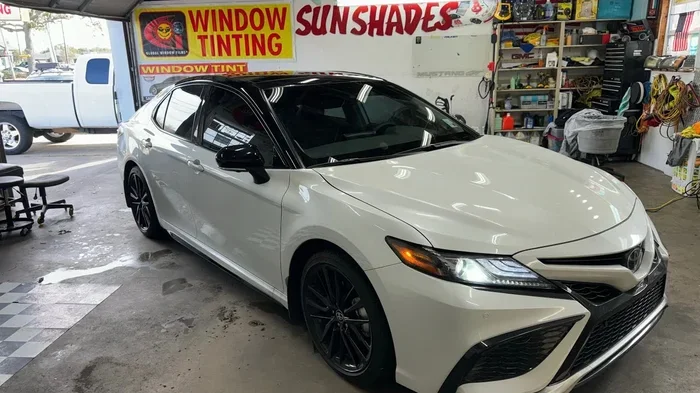
Visual guide about Toyota Camry window tinting
Image source: i.ytimg.com
Dyed Film
Dyed film is the budget-friendly option. It uses a layer of dye to darken the glass and reduce glare. It looks good right away and usually costs less than other films. The tradeoff is that it does not block as much heat as higher-end materials, and the color can fade sooner if the car sits in strong sun a lot.
This is a solid pick if your main goal is privacy and a cleaner look without spending much. If you want more heat rejection, you may want to look at carbon or ceramic instead.
Carbon Film
Carbon film adds a matte, rich finish and tends to hold its color well. It usually performs better than basic dyed film and does a decent job of reducing heat. Many owners like it because it looks refined without being overly reflective. It sits in the middle of the price range, so it can be a good balance between cost and performance.
Ceramic Film
Ceramic film is the premium option for heat and UV control. It uses tiny ceramic particles that block infrared heat and harmful rays without making the glass look overly dark. That means you can often choose a lighter shade that still cuts a lot of heat. Ceramic film also tends to resist fading and keep its clarity longer.
The main downside is cost. Ceramic film usually runs higher than dyed or carbon options. If you live in a hot climate or park outside often, the extra comfort and protection can be worth it.
Quick Comparison Of Film Types
This table gives a simple snapshot so you can compare at a glance.
- Dyed: lower cost, good glare reduction, moderate heat control, may fade sooner
- Carbon: mid-range cost, better color stability, decent heat reduction, refined look
- Ceramic: higher cost, strong heat and UV blocking, long-lasting clarity, lighter shades still perform well
How Many Windows Does A Camry Have And Why It Affects Price
Window count is one of the biggest pricing factors. A Toyota Camry usually has several glass surfaces that can be tinted, and each one adds material and labor. The exact layout can vary by trim and model year, so it helps to confirm the list with your installer before you lock in a quote.
A common Camry setup includes the front windshield, two front side windows, two rear side windows, and the rear glass. Some owners also ask about the rear quarter area if the shape is different on their trim. If you only want the side windows, the job is faster and cheaper. If you want the full car, the installer has to work around more edges and seals.
This is also a good time to think about your goals. If heat is your main concern, the front side windows and windshield area often matter most because they get the most direct sun while driving. If privacy matters more, you may want all side windows and the rear glass treated.
Front Windshield Considerations
Front windshield tint is a special case. Many people ask for a strip at the top to reduce sun glare, rather than tinting the whole windshield. That strip can help with eye strain on bright days. It also needs careful installation because the windshield is large and often has a curved shape.
Some drivers also choose a clear or very light film for the windshield to improve UV protection without changing visibility much. If you drive a lot during sunrise or sunset, a small glare-reducing strip can make a noticeable difference.
Legal Tint Limits And Why They Matter For Your Quote
Before you spend money, check the tint rules where you live. Local laws set limits on how dark the film can be, and those limits can affect both the price and the film you choose. If you pick a shade that is too dark, you could face a fine or fail an inspection.
Visible Light Transmission, often called VLT, is the number people use to talk about darkness. A lower number means darker film. A higher number means lighter film. Different windows can have different limits, and some areas allow darker rear glass than front side glass. That is why a good installer will ask where you live before recommending a shade.
If you are unsure, ask the shop to explain the legal options for your area. A responsible installer should help you stay within the rules while still meeting your goals for comfort and appearance.
Common Legal Mistakes To Avoid
Tint laws can be confusing, so a few mistakes come up often. Here are the big ones to watch for.
- Assuming one shade fits all windows: front and rear rules can differ
- Picking the darkest film for looks only: it may not be legal on front side windows
- Ignoring medical or special permits: some areas have exceptions, but you usually need paperwork
- Trusting memory instead of current rules: laws can change, so verify before you buy
DIY Tint Vs Professional Installation: Which Is Worth It
You can tint your Camry at home with a kit, or you can hire a pro. Both paths can work, but they offer different tradeoffs. DIY saves money up front. Professional installation usually gives you a cleaner result and a warranty that covers problems later.
Home kits usually cost less because you are paying for film and basic tools, not labor. That sounds great, but window tint is detail-heavy. Dust, fingerprints, and uneven squeegee work can leave bubbles or streaks. If the car has complex curves or old adhesive, the job gets harder fast.
A professional shop usually has a cleaner space, better tools, and experience with different window shapes. That often means fewer mistakes and a more even finish. Many shops also offer a warranty, which can be reassuring if the film lifts or discolors later.
When DIY Makes Sense
DIY can be a good fit if you are comfortable learning the process, you have a clean space to work in, and you are okay with a little trial and error. It can also make sense if you only want to tint one or two windows and you are mainly trying to save money.
If you choose this route, take your time and follow the instructions carefully. Clean the glass thoroughly, work slowly, and use the right tools. Rushing is the fastest way to create bubbles and waste material.
When A Pro Is The Better Choice
A professional installer is usually the better choice if you want a full-car job, you care about a flawless finish, or you want warranty protection. It is also smart if your car already has old tint that needs removal, because that step can be messy and time-consuming.
If you want ceramic film for better heat control, a pro can help you choose the right shade and install it carefully. Ceramic film is more expensive, so you want the installation to be done right the first time.
How To Get The Best Tint Price Without Sacrificing Quality
Getting a fair price is not about chasing the lowest number. It is about comparing what is included. A slightly higher quote can be a better deal if it comes with better film, a cleaner install, and a stronger warranty.
Start by asking for a written breakdown. Ask what film brand and type they plan to use. Ask whether the price includes removal of old film if needed. Ask how many windows are covered. Ask about the warranty and what happens if the film bubbles or peels within the covered period.
It also helps to ask about timing. A busy shop may book out weeks, while a slower shop may fit you in sooner. If you are not in a rush, you may find a better deal during a slower season. Just make sure the shop is reputable before you book.
Smart Questions To Ask Before You Book
These questions can save you from surprises later.
- What film type and brand will you use?
- Does the quote cover all windows or only selected ones?
- Is old film removal included, and does it cost extra?
- What warranty do you offer, and what does it cover?
- How long will the job take, and when can you pick up the car?
- Do you recommend a specific shade for my area’s tint rules?
How To Care For Tinted Windows So They Last Longer
After the job is done, a little care goes a long way. Fresh tint needs a short cure time, and the wrong cleaner can damage the film over time. The good news is that maintenance is simple once you know the basics.
For the first few days, avoid rolling the windows down too much if the installer advises it. This gives the film time to set. After that, clean gently with a soft cloth and a cleaner that is safe for tint. Avoid harsh chemicals, especially anything with ammonia, because it can harm the film and the adhesive behind it.
When you wipe the windows, use light pressure. Do not scrape the surface with rough pads or sharp tools. If you keep the glass clean and treat the film gently, it should stay clear and smooth for a long time.
Simple Maintenance Habits
These habits help protect your investment.
- Use ammonia-free cleaners made for tinted windows
- Wipe with soft microfiber cloths instead of rough towels
- Clean gently and avoid scraping the edges
- Park in shade when possible to reduce heat stress
- Check edges occasionally for lifting or damage after car washes
Common Tint Mistakes That Can Cost You More Later
A cheap tint job can turn expensive if the film peels, fades, or needs to be removed and redone. The biggest mistakes usually come from choosing the wrong film, ignoring local rules, or rushing the install. Avoiding these traps is easier when you know what to look for.
One common mistake is choosing film based only on price. The cheapest option may not block much heat and may not last as long. Another mistake is picking a shade that looks great but is too dark for the front windows in your area. That can lead to tickets or removal orders.
A third mistake is skipping prep. If old film or adhesive is left behind, the new film may not adhere well. Dust and poor cleanup can also cause bubbles. These problems are frustrating because they show up after you already paid and waited.
Red Flags When Comparing Quotes
Watch for these warning signs when you shop around.
- Vague answers about film type or brand
- No mention of local tint rules
- No warranty or a very short one
- Pressure to choose the darkest film without discussing legality
- A price that seems far below every other quote
Quick Tips For A Smooth Tint Experience
A little planning makes the whole process easier. Here are a few practical tips that help you get a better result without overthinking it.
- Decide your main goal first: heat control, privacy, glare reduction, or appearance.
- Pick a film type that matches that goal instead of just choosing the lowest price.
- Confirm the window list so you know exactly what is being tinted.
- Ask for a shade that fits local rules and your daily driving needs.
- Leave time for curing and follow the installer’s aftercare advice.
Expert Insights: What Installers Want You To Know
Experienced installers usually say the same thing: the best tint job starts with a clear goal and a realistic budget. If you know whether you want more heat rejection, better privacy, or just a cleaner look, the conversation gets easier. That clarity helps the shop recommend the right film instead of pushing the most expensive one by default.
Installers also care about the condition of the glass. If the windows are dirty, scratched, or already have old film, the job takes more time. A good shop will tell you upfront if removal or extra prep is needed. That honesty is a sign you are working with someone who wants the result to last.
Another useful insight is that lighter ceramic film can be a smart middle ground. You do not always need the darkest film to feel cooler in the car. A lighter shade with strong heat-blocking properties can give you comfort without making the interior look overly dark.
Key Takeaways For Your Camry Tint Decision
If you are still deciding, keep the main points in mind. A full Camry tint usually falls in the $250 to $600 range, depending on film type, labor, and how many windows you treat. Dyed film is the most affordable, carbon sits in the middle, and ceramic gives the strongest heat and UV protection. Local tint rules matter, so choose a shade that fits your area. A professional install usually costs more but reduces the risk of bubbles, peeling, and legal trouble.
Take your time, compare what is included, and ask clear questions before you book. A good tint job should make your Camry more comfortable, protect the interior, and still look clean and legal. When you choose carefully, you get the best balance of price, performance, and peace of mind.
Frequently Asked Questions
How much should I budget to tint a Toyota Camry?
Most owners budget between $250 and $600 for a full professional tint job on a Toyota Camry. The final price depends on the film type, the number of windows, and your local labor rates. If you only tint the front side windows, the cost is usually lower.
Is ceramic tint worth the extra cost for a Camry?
Ceramic tint usually costs more, but it blocks more heat and UV rays than basic dyed film. If you live in a hot climate or park outside often, the added comfort and protection can be worth it. Lighter ceramic shades can also reduce glare without making the glass look very dark.
Can I tint the front windshield of my Camry?
Yes, but many people choose a small strip at the top instead of tinting the entire windshield. A strip can reduce sun glare while driving. Always check your local tint rules first, because front windshield limits can be stricter than rear window limits.
Does window tint really reduce heat inside the car?
It can, especially if you choose carbon or ceramic film. These films help block infrared heat and reduce the sun’s impact on the cabin. Dyed film helps with glare and privacy, but it usually does less for heat reduction than higher-end options.
How long does tint take to install on a Toyota Camry?
A full Camry tint often takes a few hours, depending on the shop, the film type, and whether old tint must be removed. If removal is needed, the job can take longer because the adhesive has to be cleared carefully. Ask your installer for a time estimate before you drop off the car.
What should I avoid when cleaning tinted windows?
Avoid cleaners with ammonia and rough scrubbing tools, because they can damage the film over time. Use a soft microfiber cloth and a tint-safe cleaner instead. After a fresh install, follow the shop’s curing advice before you roll the windows or clean them aggressively.