
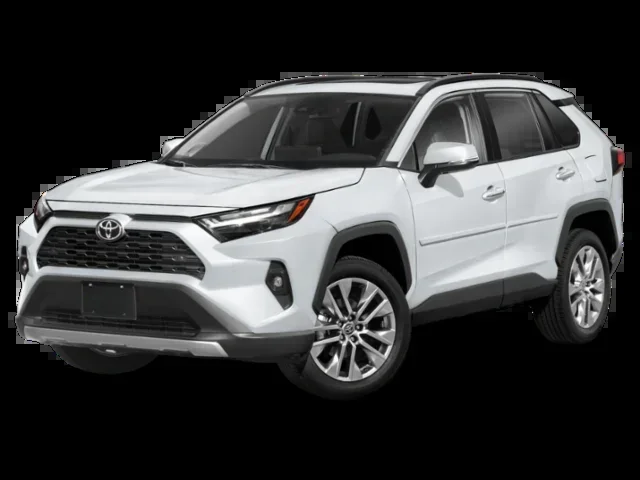
If you are asking is a Toyota RAV4 AWD the right vehicle for you, the answer depends on your driving needs. This compact SUV offers strong traction in snow and rain, plus reliable everyday performance. You will find good fuel economy and a comfortable ride. We break down the real benefits and limits so you can decide with confidence.
Choosing a new SUV can feel overwhelming. There are so many models, trims, and drivetrain options. One of the biggest questions is simple: is a Toyota RAV4 AWD worth it for your daily life. The short answer is that it depends on where you drive and what you value most. If you face wet roads, snow, or light gravel paths, all-wheel drive can give you extra peace of mind. If you mostly drive on dry pavement, front-wheel drive may be enough.
The RAV4 has a long reputation for being practical, reliable, and easy to live with. It fits small garages, carries groceries or gear with ease, and offers a comfortable ride. The AWD version adds another layer of confidence without making the vehicle feel bulky or hard to handle. In this guide, we will walk through how the system works, which trims include it, and what you should weigh before buying.
Key Takeaways
- All-Wheel Drive Availability: Toyota offers AWD on most RAV4 trims, giving you flexible traction options.
- Weather Confidence: AWD helps in snow, rain, and light off-pavement use, but it does not replace winter tires.
- Fuel Economy Trade-Off: AWD models use a bit more fuel, yet the hybrid option keeps efficiency strong.
- Trim Choices Matter: Features like safety tech, cargo space, and engine type vary by trim level.
- Daily Practicality: The RAV4 remains easy to park, cheap to run, and comfortable for families.
- Buying Tips: Compare FWD and AWD costs, check warranty details, and test drive in conditions you face often.
📑 Table of Contents
Understanding the RAV4 Drivetrain Options
Toyota gives buyers a clear choice between front-wheel drive and all-wheel drive. Most base trims start with front-wheel drive. This setup sends power to the front wheels only. It is simple, efficient, and usually lighter. That means you may see slightly better fuel economy and a lower starting price. For many drivers in mild climates, this is a smart and cost-effective choice.
All-wheel drive works differently. It can send power to the rear wheels when needed. This helps when the road is slick or when you want better grip during acceleration. The system is designed to be automatic and smooth. You do not need to flip switches in most cases. The vehicle monitors conditions and adjusts power delivery on the fly. That makes daily driving feel easy and steady.
How the AWD System Works
The RAV4 AWD system is built for everyday use rather than extreme off-road adventures. It focuses on traction, stability, and confidence. When the front wheels start to slip, the system can engage the rear wheels. This helps you move forward more smoothly from a stop or while climbing a slippery hill. The goal is better control, not racing performance.
There is also a dynamic torque vectoring option on some trims. This feature can send more power to either the left or right rear wheel. That helps the vehicle turn more confidently in tight spots or on loose surfaces. It is a useful tool for light trails, snowy driveways, and rainy turns. You do not need to think about it much because the system handles the work.
FWD Versus AWD: Which One Fits You
The best choice depends on your routine. If your commute is short and your roads are usually dry, front-wheel drive can be plenty. It keeps costs down and efficiency up. If you live where winters are snowy or roads are often wet, AWD may be worth the extra cost. It can also help if you plan to tow a small trailer or drive on loose surfaces now and then.
Here is a simple way to think about it:
- Front-Wheel Drive: Lower price, lighter weight, strong efficiency, good for mild weather.
- All-Wheel Drive: Better grip in bad weather, more confidence off pavement, slightly higher cost.
- Hybrid AWD: Strong efficiency with added traction, ideal for commuters who want the best of both worlds.
If you want to compare the RAV4 with other compact SUVs, it helps to look at the full family of options. You may also want to read where the Toyota RAV4 is manufactured to understand how production and supply can affect availability and pricing.
Is a Toyota RAV4 AWD Good for Weather and Traction
This is one of the main reasons people ask about all-wheel drive. The answer is usually yes, it helps in poor weather. AWD improves traction when you accelerate on wet roads, slush, or light snow. It can make merging, hill starts, and parking lot driving feel more controlled. That extra grip can reduce stress during rough weather days.
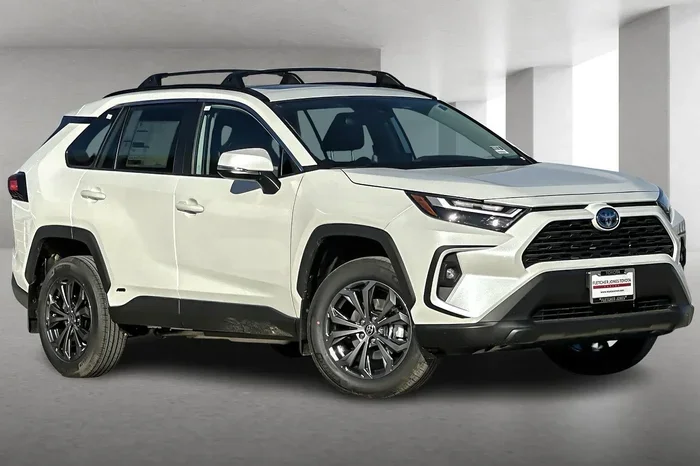
Visual guide about Toyota RAV4 AWD SUV
Image source: inventory.dealersocket.com
Still, it is important to keep expectations realistic. AWD helps you move, but it does not make braking magic. Stopping distance depends on tires, road conditions, and speed. Good winter tires can make a huge difference if you face real cold and snow. AWD with all-season tires is better than front-wheel drive with all-season tires, but tires still matter a lot.
Snow, Rain, and Ice Performance
In rain, the AWD system can help keep the vehicle steady when the pavement is slick. In snow, it can help you get going and maintain momentum. In ice, no drivetrain can change the laws of physics. Slow down, leave extra space, and brake gently. The RAV4 AWD can make winter driving less stressful, but careful habits still matter most.
Many drivers notice the biggest benefit in three situations:
- Starting from a stop: Power is spread to more wheels, so wheel spin is reduced.
- Climbing slippery hills: Better grip can help you hold momentum.
- Wet cornering: The vehicle can feel more planted when roads are slick.
When AWD Makes the Most Sense
AWD is a strong choice if you deal with changing weather, steep driveways, or rural roads. It is also helpful if you occasionally drive on gravel or packed dirt. If you live in a warm, dry region, you may not need it. Think about your local climate, your daily route, and how often you face low-traction conditions.
For families who want a dependable daily driver, the AWD model can be a practical middle ground. It gives you flexibility without moving up to a larger, more expensive SUV. If you are curious about Toyota reliability in general, you might enjoy reading how reliable a Toyota Corolla is, since Toyota’s reputation for durability often carries across its lineup.
Fuel Economy and Efficiency With All-Wheel Drive
One common concern is whether AWD hurts fuel economy. In many vehicles, it does add a little extra weight and mechanical drag. That can reduce miles per gallon compared with a front-wheel drive model. The RAV4 is still competitive, especially because it offers hybrid powertrains. The hybrid AWD option is popular because it balances efficiency and traction well.
If you want the best efficiency, the hybrid is worth a close look. It uses an electric motor to help drive the rear wheels when needed. That means the AWD function can come with less penalty than a traditional mechanical system. For commuters who want lower fuel costs, this is a big plus. For drivers who want the simplest setup, the gas AWD model is also a solid choice.
Hybrid AWD Versus Gas AWD
The hybrid version usually leads in efficiency. It is a strong fit for city driving, stop-and-go traffic, and daily errands. The gas version can feel simpler and may appeal to buyers who want a lower upfront price. Both can include AWD, so you do not have to give up traction either way. Your choice should match your budget and driving habits.
A quick comparison can help:
- Hybrid AWD: Higher fuel efficiency, smoother low-speed driving, usually higher starting price.
- Gas AWD: Lower starting price, strong highway cruising, slightly lower efficiency than hybrid.
- Front-Wheel Drive: Best efficiency in many cases, lowest cost, best for mild climates.
Real-World Efficiency Tips
No matter which drivetrain you choose, your habits affect fuel economy. Smooth acceleration, steady speeds, and proper tire pressure all help. Reduce unnecessary cargo weight when you can. Keep up with routine service so the engine and tires stay in good shape. Small habits add up over time.
If you want to compare ownership costs, it can help to look at lease pricing for other popular Toyota models. For example, you can check how much it is to lease a Toyota Corolla to get a sense of monthly payment ranges in the Toyota family.
Trim Levels and Features to Consider
The RAV4 comes in several trims, and AWD is available on many of them. That gives you room to choose based on budget and features. Lower trims focus on the essentials. Higher trims add comfort, technology, and styling extras. The best trim is the one that matches your needs without paying for features you will not use.
Safety technology is one of the biggest reasons people choose a higher trim. Toyota Safety Sense comes standard on most models. That usually includes forward collision alert, lane departure warning, adaptive cruise control, and automatic emergency braking. These tools can make daily driving easier and more secure. They are especially helpful in traffic and on long highway trips.
Must-Have Features for Families and Commuters
If you carry kids, gear, or pets, comfort and convenience matter. Look for easy-entry doors, a wide cargo area, and usable seat adjustments. A good infotainment system should be simple to read and easy to control. Wireless phone connection, comfortable seats, and quiet cabin noise can make a big difference on long drives.
Here are practical features to compare:
- Cargo space: Check how much room you need for strollers, sports gear, or work tools.
- Seat comfort: Test the driver seat and front passenger seat on a long test drive.
- Technology: Make sure the screen, controls, and driver assists feel intuitive.
- Visibility: Good windows and mirrors help in parking lots and tight streets.
- Noise levels: A quieter cabin can make commute days feel less tiring.
Choosing the Right Trim for AWD Buyers
If you want AWD and strong value, start by comparing the mid-level trims. They often offer the best balance of features and price. If you want a more premium feel, step up to a higher trim with leather, better audio, or extra comfort items. If you want to keep costs low, a lower AWD trim may still give you the traction you want with fewer extras.
It also helps to think about resale value. Popular trims with useful features often stay in demand. That can matter if you plan to sell or trade in later. When you study pricing, you may also want to look at how much a Toyota Four Runner costs if you are comparing a more rugged SUV option.
Everyday Practicality and Ownership Experience
Beyond traction and trim choices, the RAV4 shines because it is easy to live with. It is a compact SUV, so it fits well in cities and suburbs. Parking is simpler than in a large truck or three-row SUV. The ride is comfortable, and the controls are familiar. That makes it a strong choice for first-time SUV buyers and experienced drivers alike.
Ownership is also straightforward. Toyota parts and service are widely available in many areas. That can make maintenance easier and less stressful. The vehicle is known for a reputation of durability, which matters when you plan to keep it for many years. A car that stays reliable can save you time, money, and hassle over time.
Comfort, Space, and Daily Use
Inside, the RAV4 is designed for real life. The seats are usually supportive, and the cabin is easy to get in and out of. cargo space is useful for shopping trips, weekend bags, and household items. The back seat offers room for children or extra passengers. It may not be the largest SUV, but it makes efficient use of space.
If you often carry adults in the back, check legroom and headroom during a test drive. If you need maximum cargo flexibility, look at the fold-down rear seats and the shape of the cargo area. A flat load floor can be very helpful for bulky items. Small details like these often matter more than people expect.
Maintenance and Long-Term Ownership
Routine care keeps any vehicle running well. Oil changes, tire rotations, brake checks, and fluid service all matter. The RAV4 is generally considered easy to maintain because it uses common service needs and widely available parts. That does not mean you can skip maintenance. It means the ownership experience is usually simple and predictable.
If you want to keep costs under control, follow the service schedule in the owner’s materials. Use quality tires and pay attention to alignment. Watch for unusual noises or warning lights and address them early. A little attention now can prevent bigger problems later.
You may also find it helpful to read where the Toyota RAV4 is made if you are curious about how production locations relate to model availability and buyer options.
Is a Toyota RAV4 AWD the Right Choice for You
Now comes the big question. Is a Toyota RAV4 AWD the right choice for your life? For many people, the answer is yes if they want a versatile compact SUV with better traction in bad weather. It is a smart pick for commuters, families, and anyone who wants extra confidence on slick roads. It is also a good fit if you like the idea of a hybrid that can still handle rain, snow, and light unpaved routes.
If you live in a warm, dry area and rarely face poor traction, front-wheel drive may be enough. If you need maximum towing capacity or serious off-road ability, you may want to look at larger or more rugged models. The RAV4 is built for everyday versatility, not extreme use. That is part of its appeal. It is balanced, practical, and easy to recommend for normal driving conditions.
Quick Decision Checklist
Before you buy, run through this simple checklist:
- Climate: Do you face snow, heavy rain, or slippery roads often?
- Driving habits: Do you commute, carry family, or drive on loose surfaces sometimes?
- Budget: Can you afford the AWD upcharge and still enjoy the total price?
- Efficiency goals: Do you want a hybrid for better fuel economy?
- Features: Which safety and comfort items truly matter to you?
- Test drive: Have you tried both FWD and AWD models in real conditions?
If you check most of those boxes and still want more towing ability, you can compare other Toyota models too. For example, you might look at how much a Toyota Tacoma can tow if you need a truck-like option for heavier loads.
Expert Insight on Buying AWD
The best advice is simple: match the vehicle to your real world, not to a fantasy use case. AWD is valuable when it solves a problem you actually have. If it gives you confidence during winter or on wet roads, it is likely worth it. If you rarely need extra grip, you may be paying for something you do not use much. Test drive both versions, compare the total cost, and choose with your daily routine in mind.
Also, remember that tires matter a lot. A well-chosen tire set can improve comfort, stopping, and traction more than many buyers expect. If you live in a snowy region, ask about winter tires before you decide. That simple step can make a big difference in safety and confidence.
Final Thoughts on the RAV4 AWD
So, is a Toyota RAV4 AWD a good pick? For a wide range of drivers, it absolutely can be. It offers useful traction, strong practicality, and a comfortable daily driving experience. It works well for people who want a compact SUV that can handle changing weather without feeling large or complicated. The hybrid AWD option adds an especially appealing efficiency angle.
The right choice comes down to your climate, budget, and habits. If you want extra grip and a reliable all-around SUV, the RAV4 AWD deserves a close look. If you mostly drive in dry conditions, you may prefer front-wheel drive. Either way, the RAV4 remains one of the most sensible compact SUVs available. It is easy to recommend because it does so many things well.
Take your time, compare trims, and test drive the model that matches your life. When you choose with real-world needs in mind, you are much more likely to be happy with your purchase for years to come.
Frequently Asked Questions
Does the Toyota RAV4 come with AWD on all trims?
No, not every trim starts with all-wheel drive. Many trims offer AWD as an option or standard feature, while some begin with front-wheel drive. You can usually choose the drivetrain that fits your needs and budget.
Is AWD worth it if I only drive in the city?
It can still be worth it if your city gets heavy rain, slush, or occasional snow. AWD may give you extra confidence during bad weather and at intersections. If your climate is mild and dry, front-wheel drive may be enough.
Does AWD make the RAV4 use more fuel?
AWD can reduce fuel economy a bit compared with front-wheel drive because of added weight and drivetrain complexity. However, the hybrid AWD model helps reduce that penalty. Your driving habits and tire choice also affect efficiency.
Can the RAV4 AWD handle snow well?
Yes, it can handle snow better than many front-wheel drive setups, especially when starting and climbing. Still, tires matter a lot, and winter tires can improve performance in serious cold. Drive carefully and slow down on icy roads.
What is the difference between hybrid AWD and gas AWD?
Hybrid AWD usually offers better fuel economy and uses an electric motor to help drive the rear wheels when needed. Gas AWD uses a more traditional mechanical setup and may cost less upfront. Both can provide all-wheel drive traction.
Should I buy AWD or winter tires for winter driving?
If you face real snow and ice, winter tires are a smart investment no matter which drivetrain you choose. AWD helps with acceleration and grip, but tires affect braking and cornering too. The best setup is often AWD plus good winter tires in harsh conditions.