
The Toyota Corolla stands out as one of the most dependable cars on the road today. With decades of proven engineering, low repair costs, and high owner satisfaction, it consistently earns top marks from automotive experts. You will learn exactly how reliable is a Toyota Corolla through real ownership data, common issues, and smart buying advice. Whether you need a daily commuter or a long-term family car, this guide breaks down the facts so you can buy with confidence.
When you start shopping for a dependable daily driver, one name keeps popping up in every conversation. You probably know the Toyota Corolla as the quiet workhorse of the automotive world. It does not chase flashy trends or boast extreme performance numbers. Instead, it focuses on doing one thing exceptionally well. That thing is staying on the road without asking for constant attention. If you have ever wondered how reliable is a Toyota Corolla, you are not alone. This question matters because car trouble disrupts your routine, drains your wallet, and adds unnecessary stress to your week.
The good news is that the Corolla has built its reputation on exactly the kind of consistency that everyday drivers need. Generations of owners have logged massive mileage with minimal fuss. Mechanics know these cars inside and out. Parts are easy to find. And the overall ownership experience tends to stay smooth from the first key turn to the final trade-in. We will walk through the real numbers, the common strengths, the occasional weak spots, and the practical steps that help you get the most out of this sedan. By the end, you will have a clear picture of what to expect before you buy or keep one for the long haul.
Key Takeaways
- Long-Term Durability: Toyota Corolla models regularly exceed 200,000 miles with routine maintenance, making them a top choice for budget-conscious buyers.
- Low Repair Frequency: Independent reliability surveys consistently rank the Corolla above segment averages, with fewer unexpected breakdowns and lower annual repair bills.
- Proven Powertrain: Both the standard gasoline engine and the hybrid system deliver smooth, efficient performance with a strong track record of lasting well beyond warranty periods.
- Cost-Effective Ownership: Affordable parts, widespread service knowledge, and high fuel economy keep total cost of ownership remarkably low over the life of the vehicle.
- Known Weak Points: Minor issues like excessive oil consumption in older generations, infotainment glitches, and premature tire wear are worth monitoring during ownership.
- Smart Buying Strategy: Focus on clean service histories, check for recall completion, and prioritize recent model years to maximize reliability and resale value.
- Real-World Satisfaction: High owner retention rates and strong word-of-mouth recommendations prove that the Corolla delivers on its promise of hassle-free daily driving.
📑 Table of Contents
- How Reliable Is a Toyota Corolla in Real-World Ownership
- Toyota Corolla Engine and Transmission Reliability
- Toyota Corolla Fuel Economy and Operating Costs
- Toyota Corolla Common Problems and Weak Points
- Toyota Corolla Long-Term Durability and Maintenance
- Expert Tips for Buying and Owning a Reliable Corolla
- Final Thoughts on How Reliable Is a Toyota Corolla
How Reliable Is a Toyota Corolla in Real-World Ownership
Reliability is not just a marketing buzzword. It is the measure of how often a car starts, drives, and stops without surprising you. When owners ask how reliable is a Toyota Corolla, they usually want to know three things. Will it break down often? Will repairs cost a lot? Will it hold up over many years of regular use? The Corolla tends to answer yes to all three in a positive way. It is designed with straightforward engineering, conservative tuning, and components that prioritize durability over novelty.
Real-world ownership data supports that reputation. Many drivers report smooth daily commutes, easy cold starts, and predictable maintenance schedules. The car does not demand special driving habits or complicated care routines. You change the oil, rotate the tires, replace brake pads when needed, and keep up with basic service intervals. That simplicity is a huge part of why the Corolla stays so dependable. Fewer complex systems mean fewer places for things to go wrong. When issues do appear, they are usually minor and easy to address.
What Reliability Surveys and Ratings Tell Us
Third-party reliability tracking gives us a useful window into how the Corolla performs across large groups of owners. These surveys track problems per hundred vehicles, categorize issues by system, and compare models within the same segment. The Corolla regularly lands in the upper tier for compact sedans. It often records fewer reported problems than many rivals, especially in areas like engine performance, transmission behavior, and electrical stability.
It helps to remember that ratings measure reported issues, not perfection. Even a highly reliable car can show a few complaints in any given model year. The key is the overall trend. The Corolla generally shows a low problem rate, and the issues that do surface are often isolated rather than widespread. That pattern matters because it tells you the car is not sitting on a systemic defect that affects large numbers of vehicles. You still want to check the specific model year you are considering, but the broader data points in a very favorable direction.
How the Corolla Compares to Rivals
The compact sedan market is crowded, and each brand brings a different strengths profile. Some competitors offer sharper handling, louder engine notes, or more boldly styled interiors. Those are fine qualities if they match your priorities. But if your main goal is trouble-free operation, the Corolla often stands apart. It tends to underpromise and overdeliver. Where other cars might introduce new technology that adds convenience but also adds potential failure points, the Corolla usually sticks with proven layouts and mature designs.
This does not mean other cars are unreliable. It simply means the Corolla has a long history of choosing conservative paths that reduce risk. The result is a vehicle that many owners describe as boring in the best possible way. Boring means predictable. Predictable means you can plan your week without worrying about a warning light popping up before a big meeting. If you want a car that blends everyday comfort with a strong reliability record, the Corolla remains a serious benchmark.
Toyota Corolla Engine and Transmission Reliability
The powertrain is the heart of any car, and the Corolla’s heart has always been built for endurance. Most recent models use a naturally aspirated four-cylinder engine that focuses on smooth power delivery and efficient operation. This setup is not trying to win races. It is trying to start every morning, climb every hill, and cruise every highway without drama. That philosophy works well for reliability because the engine operates within comfortable stress limits during normal driving.

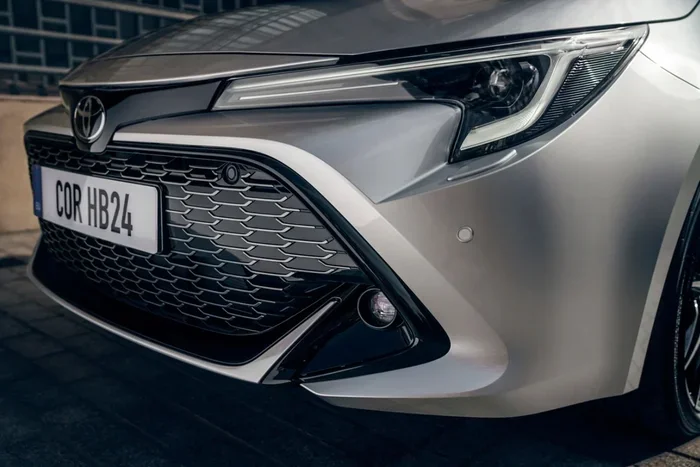
Visual guide about Toyota Corolla exterior closeup
Image source: toyota.com.gt
The transmission choices also lean toward maturity. You will typically find a traditional automatic transmission or a hybrid system that pairs the gasoline engine with an electric drive unit. Both approaches have strong track records. The conventional automatic is known for steady shifts and straightforward mechanics. The hybrid variant adds excellent fuel economy while keeping the driving experience simple and responsive. Hybrid components in this class have proven durable in millions of real-world applications, and the Corolla hybrid benefits from that same conservative engineering mindset.
Common Engine Strengths
Several engine traits contribute to the Corolla’s dependable reputation. The design uses widely understood technologies, which means service technicians can diagnose and repair issues without wrestling with overly complex systems. The engine bay is generally accessible, making routine work easier and sometimes cheaper. Fuel delivery, ignition, and cooling systems are all arranged with long-term serviceability in mind. These are not flashy features, but they matter a great deal when you want a car that stays healthy for years.
Another strength is gentle calibration. The engine tuning favors smooth operation over aggressive performance. That choice reduces strain on internal parts during everyday driving. You may not feel the benefit directly, but you notice it indirectly through long intervals between major repairs and a powertrain that feels consistent over time. For many owners, that consistency is exactly what makes the car feel so reliable.
Transmission Behavior and Longevity
Transmission reliability often becomes a concern with modern cars, but the Corolla usually avoids the drama. The automatic transmission shifts in a way that feels measured and stable. It is not the quickest or sportiest, yet it is generally comfortable and predictable. That predictability helps reduce wear because the gearbox is not constantly hunting for gears or making abrupt changes during normal traffic.
If you look at the hybrid option, the transmission arrangement is even simpler in concept. The electric motor handles much of the low-speed work, which can ease load on the gasoline engine. The system is designed to manage power flow smoothly, and that smooth management supports long-term durability. As with any drivetrain, proper fluid service and sensible driving habits make a difference. Treat the transmission well, and it usually returns the favor.
Toyota Corolla Fuel Economy and Operating Costs
Reliability is not only about mechanical failures. It also includes how much effort and money the car demands to keep running. This is where the Corolla shines in a different way. Its fuel economy is strong for a compact sedan, and that efficiency lowers your day-to-day operating costs. When a car sips fuel instead of gulping it, you feel the benefit every time you fill the tank. Over several years, that difference adds up in a meaningful way.
Operating costs stay manageable for another reason. The Corolla’s widespread popularity means parts are easy to source and service information is widely available. Independent shops understand these cars well, and you usually do not need specialized equipment for routine maintenance. That accessibility helps keep labor and parts expenses reasonable. If you are trying to build a household budget around a car that will not surprise you, the Corolla’s cost profile is a major advantage.
Why Efficiency Supports Long-Term Reliability
Good fuel economy is not just a wallet issue. It also reflects a powertrain that operates efficiently under normal conditions. Efficient engines often run cooler and experience less unnecessary strain when driven sensibly. That does not mean efficiency guarantees reliability, but it usually points to a design that balances performance and durability well. The Corolla’s efficient setup helps it stay comfortable in daily use without pushing components to their limits.
Lower operating costs also make it easier to stay on top of maintenance. When fuel, insurance, and routine service are all reasonable, you are less likely to delay oil changes or skip tire rotations because money is tight. That matters because consistent care is one of the biggest factors in keeping any car reliable. The Corolla gives you a platform where good habits are easier to maintain.
Real Cost of Ownership Considerations
Total cost of ownership goes beyond the purchase price. It includes depreciation, fuel, maintenance, repairs, insurance, and how long you plan to keep the car. The Corolla often scores well in this broader picture because it combines low running costs with strong retention of value. Many owners can keep the car for many years and still see a fair return when it is time to sell or trade it in. That financial stability is part of the reliability story too.
Of course, your exact costs will depend on your driving habits, local prices, and the specific model year you choose. A newer car may cost more upfront but come with modern safety features and a fresh warranty. An older used model may save money initially but require more attentive maintenance. Thinking through these trade-offs helps you pick the right Corolla for your situation and your budget.
Toyota Corolla Common Problems and Weak Points
No car is perfect, and it is smart to know the weak spots before you buy. The Corolla has a strong reliability record, but that does not mean it is immune to issues. Most problems tend to be minor, age-related, or tied to specific model years rather than the entire lineup. Understanding these patterns helps you stay ahead of them and avoid unpleasant surprises.
Some owners report concerns with the infotainment system, such as slow response, occasional freezes, or connectivity quirks. These are annoying but usually not catastrophic. Software updates and simple resets often help. Other reported items include premature tire wear, especially if the car is driven hard or aligned improperly, and occasional oil consumption in certain older engines. None of these define the whole model, but they are worth watching so you can catch them early.
Issues to Watch by Model Generation
Different generations have different characteristics. Older Corollas are known for legendary simplicity, but some early models had oil consumption concerns or small engine quirks that were addressed in later updates. Newer generations bring updated styling, refined interiors, and more modern safety technology, but they can also introduce new electronic features that may need occasional attention. The smart approach is to research the exact year you are considering and look for any known service bulletins or common repair trends.
This kind of targeted research pays off. If you are looking at a used model, a thorough pre-purchase inspection can reveal whether previous owners handled the known weak points properly. Check for timely oil changes, inspect tires for uneven wear, test the electronics, and look over the braking system. A little diligence goes a long way when you want to avoid small issues turning into larger ones.
How to Minimize Trouble During Ownership
The best way to keep any Corolla reliable is to follow a simple, consistent care routine. Change the oil on schedule, use the recommended fluid types, and do not ignore small warning signs. If a brake pedal feels different, if the engine sounds unusual, or if a dashboard light appears, address it promptly. Early attention usually keeps repair costs lower and reduces the chance of a minor issue becoming a major headache.
Tires, brakes, and suspension components also deserve regular attention. These parts wear naturally over time, and keeping them in good shape protects the rest of the car. Proper alignment helps tires last longer and improves handling. Healthy brakes keep stopping distances predictable. A well-maintained suspension gives you a smoother ride and reduces stress on other components. Reliability is a system, not just an engine, and every part plays a role.
Toyota Corolla Long-Term Durability and Maintenance
Long-term durability is where the Corolla truly earns its reputation. Many examples keep going well past the point where other cars might start asking for serious work. That longevity comes from a combination of solid engineering, easy maintenance, and a large owner base that shares practical knowledge. When a car is built with durable materials and conservative design choices, it often rewards owners who treat it well.
Maintenance is the biggest factor in unlocking that durability. The Corolla does not require exotic care, but it does benefit from steady attention. Oil changes, fluid checks, filter replacements, and tire care form the foundation of a long and healthy ownership experience. If you keep up with those basics, you give the car the best chance to reach high mileage with minimal drama. Many owners find that the routine is simple enough to stick with, which is exactly what makes the car so dependable over time.
What High Mileage Usually Looks Like
High mileage on a Corolla is not automatically a red flag. In fact, many buyers specifically seek out higher-mileage examples because the car is known to keep performing well. The important question is not just how many miles are on the odometer, but how the car was treated along the way. A well-documented service history, smooth operation, and solid mechanical condition can matter more than the number itself.
At higher mileage, you may start seeing normal wear in items like suspension bushings, brake components, or exhaust parts. These are expected changes, not signs of failure. The key is to budget for routine wear items and stay proactive. If you plan to keep the car for a long time, think of maintenance as an investment that protects your daily mobility. That mindset works especially well with a car that already has a reputation for lasting.
Maintaining Value Through Careful Ownership
Careful ownership does more than keep the car running. It also helps preserve resale value. Buyers often pay more for a Corolla with a clean history, consistent service records, and a well-maintained interior and exterior. Simple habits like regular washing, timely repairs, and keeping records of all work can make a real difference when it is time to sell. Reliability and value often move together because both benefit from the same careful approach.
If you are the type of person who likes to keep a car for many years, the Corolla is a strong match. It rewards patience and consistency. You do not need to be a gearhead or a professional mechanic to keep it in good shape. You just need to stay attentive, follow the schedule, and address small issues before they grow. That straightforward formula is a big reason the car remains so popular.
Expert Tips for Buying and Owning a Reliable Corolla
Buying a reliable car is easier when you know what to look for. Start by defining your needs. Do you want a brand-new model with the latest safety tech, or a used one that offers better value? Are you interested in the hybrid for better efficiency, or do you prefer the simplicity of the standard setup? Answering those questions first makes the rest of the process smoother.
Once you know your direction, focus on the specific vehicle. Check the service history, verify that recall work is complete, and look for signs of consistent care. A car that has been washed, serviced, and driven gently usually tells a better story than one with a dusty exterior and missing records. If possible, have a trusted mechanic inspect the car before you commit. That extra step can reveal hidden issues and give you confidence in your choice.
Smart Ownership Habits
After you buy, the best habits are the simple ones. Keep a maintenance log, set reminders for oil changes, and pay attention to how the car sounds and feels. If something changes, investigate it early. Use quality parts and fluids that match the manufacturer recommendations. Avoid pushing the car hard when it is cold, and do not ignore tires or brakes just because the car still moves fine. Small routines build long-term reliability.
It also helps to learn the basics of your specific model. Know where the fluid caps are, understand the warning lights, and keep the owner’s manual accessible. That knowledge makes you a better owner and helps you communicate clearly with service technicians when needed. The more familiar you are with the car, the easier it is to keep it running smoothly.
Quick Tips for Maximum Reliability
Here are a few practical habits that help a lot:
- Follow the schedule: Stick to the recommended maintenance intervals instead of guessing.
- Use the right fluids: Match oil, coolant, and transmission fluid specs to the car’s requirements.
- Check tires regularly: Monitor pressure, tread depth, and alignment to prevent uneven wear.
- Address warnings early: Do not wait for a small issue to become a big repair.
- Keep records: Save receipts and service notes to track the car’s history.
- Drive sensibly: Smooth acceleration and braking reduce wear on key components.
Final Thoughts on How Reliable Is a Toyota Corolla
So, how reliable is a Toyota Corolla? In plain terms, it is one of the safest bets in the compact sedan segment. It is not flashy, and it is not trying to be. It is built to start, drive, and keep going with a minimum of fuss. That philosophy has produced a car that many people trust for daily commuting, family transport, and long-term ownership. The numbers, the owner experiences, and the service reality all point in the same direction. This is a car that usually rewards consistency and careful use.
If you want a vehicle that helps you focus on life instead of car trouble, the Corolla makes a strong case. It offers low operating costs, easy maintenance, and a long history of dependable performance. It still needs proper care, and it still has model-year-specific things to watch. But those are normal parts of owning any car. The difference is that the Corolla gives you a very solid foundation to build on. Choose the right model, keep up with maintenance, and you will likely enjoy years of calm, practical driving.
Frequently Asked Questions
How reliable is a Toyota Corolla compared with other compact sedans?
The Toyota Corolla generally ranks above many rivals in reliability surveys, with fewer reported problems and lower repair frequency in real-world ownership. It is not perfect, but its conservative engineering and mature components usually give it an edge in everyday dependability.
Do Toyota Corolla hybrids have the same reliability as the gas models?
Yes, the hybrid versions share the same durable mindset and typically show strong long-term reliability. The electric drive components are well proven, and the combined system is designed for smooth, efficient operation with a low rate of major issues.
What is the most common problem reported on Toyota Corolla cars?
The most common concerns are usually minor, such as infotainment glitches, tire wear, or occasional oil consumption in certain older model years. These issues are not universal, and many owners never experience them when the car is maintained properly.
How long can a Toyota Corolla last with normal maintenance?
Many Corollas can last well beyond 150,000 miles and often reach 200,000 miles or more when owners stay on top of routine service. Longevity depends on driving habits, maintenance consistency, and the specific condition of the vehicle.
Is a used Toyota Corolla a smart reliability choice?
A used Corolla can be an excellent reliability choice if it has a clean service history and has been inspected carefully before purchase. Lower mileage is helpful, but documented care and solid mechanical condition often matter even more.
What maintenance matters most for keeping a Corolla reliable?
The most important tasks are regular oil changes, tire care, brake inspections, and timely replacement of worn fluids and filters. Staying proactive with small issues and following the recommended schedule is the best way to protect long-term reliability.