
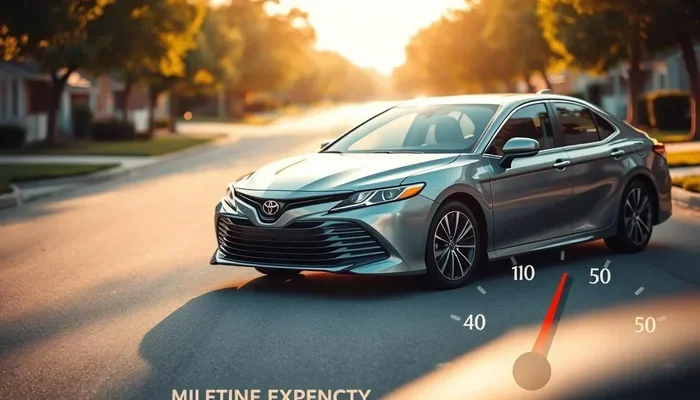
How reliable is a Toyota Camry? This sedan consistently earns top marks for durability, low repair frequency, and affordable upkeep. You will learn what real owners experience, which model years to target, and how to keep your Camry running strong for years.
When you shop for a midsize sedan, you want a vehicle that starts every morning, handles daily commutes with ease, and does not drain your wallet at the repair shop. How reliable is a Toyota Camry? The short answer is that this sedan has built a strong reputation for lasting a long time with routine care. Many owners keep their Camrys for well over a decade, and that kind of loyalty is rare in today fast automotive market.
You will find plenty of reasons behind that reputation. The powertrain choices are straightforward, the cabin materials hold up well, and the overall design avoids unnecessary complexity. That simplicity helps mechanics diagnose issues quickly and keeps parts prices reasonable. If you value predictable performance and low stress ownership, this car deserves a close look.
In this guide, we will walk through real-world ownership patterns, common strengths, potential weak spots, and practical buying advice. You will also see how the Camry compares with other popular sedans and what you can do to stretch its lifespan. By the end, you will have a clear picture of what to expect before you sign any paperwork.
Key Takeaways
- Proven durability: The Camry consistently ranks among the most dependable sedans, with many examples reaching 200,000 miles with basic care.
- Low repair frequency: Most owners report fewer unexpected breakdowns compared to competing midsize sedans, especially after the first 100,000 miles.
- Affordable maintenance: Routine service costs stay reasonable, and parts remain widely available across the country.
- Model year matters: Recent generations improved powertrain smoothness and safety tech, while earlier years may need closer inspection for worn components.
- Fuel efficiency adds value: Strong highway mileage and smooth hybrid options help lower total cost of ownership over time.
- Smart buying tips: Check service records, test drive for transmission smoothness, and verify recall completion before purchasing.
- Long-term ownership: Consistent oil changes, timely brake service, and proper tire rotation dramatically extend the vehicle lifespan.
📑 Table of Contents
What Makes the Camry a Top Reliability Contender
Reliability is not just about avoiding breakdowns. It is also about consistency. A dependable car should start cold, shift smoothly, brake confidently, and keep doing those things year after year. The Camry was engineered with that mindset, and the results show up in long-term ownership reports.
One big reason is the powertrain lineup. You get a choice of efficient gasoline engines and a well-sorted hybrid system. The gasoline option pairs a naturally aspirated four-cylinder with a smooth automatic transmission, while the hybrid adds a second electric motor for extra low-speed torque. Both setups are proven, and neither relies on extreme boost pressures or fragile performance tricks. That conservative approach often pays off in daily driving.
Another strength is the cabin layout. The interior uses durable materials, straightforward controls, and a logical dashboard design. When buttons are placed where you expect them and switches feel solid, the car simply feels more trustworthy. That sense of quality matters because it often reflects how carefully the rest of the vehicle was assembled.
Real-World Ownership Patterns
Long-term owners frequently mention a few recurring themes. First, the Camry tends to age gracefully when maintenance stays on schedule. Second, many owners report smooth highway cruising and comfortable seating that make daily driving easy. Third, the vehicle usually holds its value well, which is a strong signal that the market trusts its durability.
You will also notice that ownership costs often stay predictable. Routine service like oil changes, brake inspections, and tire rotations are standard tasks that most shops can handle without confusion. Because the platform is so common, parts availability is excellent, and that helps keep labor and replacement parts affordable. If you ever wonder how long a Toyota Camry will last, consistent care is the biggest factor in the answer.
Common Strengths Owners Appreciate Most
When people ask how reliable is a Toyota Camry, they often want specifics. Here are the strengths that show up again and again in owner feedback and service records.

Visual guide about Toyota Camry driving reliability
Image source: daxstreet.com
- Smooth daily driving: The sedan feels composed at city speeds and stable on the highway, which reduces fatigue on longer trips.
- Low repair frequency: Many owners experience fewer surprise visits to the shop compared with some rivals, especially after the first few years of ownership.
- Resale appeal: Strong market demand helps protect value, which makes the Camry a practical financial choice as well as a dependable one.
- Comfortable ergonomics: Seat support, steering feel, and visibility are tuned for everyday use rather than track-day excitement.
- Practical technology: Safety aids and infotainment features are designed to be usable without distracting the driver.
These strengths matter because they affect your daily experience, not just the long-term odometer reading. A car that feels steady and predictable is easier to trust, and trust is a huge part of reliability in the real world.
Potential Weak Spots to Watch
No vehicle is perfect, and the Camry has a few areas where attentive ownership makes a difference. Being aware of these points helps you buy smarter and maintain the car properly.
Trims, Options, and Model Year Variations
Reliability can vary slightly by trim and model year. Higher trims may add more features, which can introduce additional electronics to monitor over time. Base and mid-level trims often stay simpler, which some owners prefer for long-term ease of service. If you are comparing model years, look for generations that refined the transmission tuning and improved the hybrid system calibration. Those updates often make a noticeable difference in day-to-day satisfaction.
Common Maintenance Areas to Check
Even a dependable sedan needs regular attention. A few items deserve extra focus:
- Brake pads and rotors: City driving can wear these faster, so inspect them during routine service.
- Tires and alignment: Proper inflation and alignment help the car feel stable and reduce uneven wear.
- Fluid levels: Engine oil, coolant, and transmission fluid should stay within spec to support long-term health.
- Battery health: Especially in hybrid models, the 12-volt battery and hybrid system components should be checked as part of scheduled service.
- Suspension bushings and struts: These can wear gradually, and early inspection helps maintain a smooth ride.
If you are shopping for a used example, a thorough pre-purchase inspection is one of the smartest moves you can make. A good mechanic can spot worn parts, incomplete service history, or signs that the car was not cared for consistently.
How the Camry Compares with Rivals
The midsize sedan segment is crowded, so context helps. You may be weighing the Camry against other well-known options that target the same buyers. Each vehicle has its own personality, but the Camry often stands out for balanced reliability and low ownership stress.
Some rivals emphasize sharper styling or more aggressive driving dynamics. Others focus on luxury touches or bold technology. The Camry takes a more practical route. It aims to be comfortable, efficient, and easy to live with over many years. That philosophy usually aligns well with buyers who want a car that simply works.
If you are also considering a crossover, you might compare the Camry to a compact SUV like the Corolla Cross or RAV4. Those vehicles offer taller seating and more cargo flexibility, but the Camry often delivers a smoother ride and a more car-like feel on pavement. Your choice depends on whether you prioritize seating height, cargo shape, or a traditional sedan experience.
Smart Buying and Ownership Tips
Whether you are buying new or used, a few habits can help you get the most from the car. These tips are simple, but they make a real difference over time.
Before You Buy
- Review service records: Consistent oil changes and scheduled maintenance are strong signs of a careful owner.
- Test drive thoroughly: Pay attention to transmission shifts, brake feel, and any unusual noises from the suspension or engine.
- Check recall status: Verify that any open recalls have been addressed before finalizing the purchase.
- Inspect the tires and brakes: Uneven wear can point to alignment issues or deferred maintenance.
- Look at the battery and fluids: Clean fluid conditions and a healthy battery suggest the car was maintained regularly.
Once You Own It
- Follow the maintenance schedule: Use the manufacturer service intervals as your baseline and adjust for driving conditions.
- Keep up with oil changes: Fresh oil protects internal parts and helps the engine stay smooth over the long haul.
- Rotate tires on time: Even tire wear supports better handling and longer tread life.
- Address small issues early: A minor noise or warning light is easier to fix when it is caught quickly.
- Drive smoothly: Gentle acceleration and braking reduce wear on the drivetrain and brakes.
If you want to understand total ownership costs, it helps to think beyond the purchase price. Fuel consumption, insurance, routine service, and tire replacement all add up. A dependable sedan with efficient powertrains can keep those ongoing expenses more manageable, which is one reason this car remains such a popular choice.
Expert Insights and Long-Term Ownership
Experienced owners and service technicians often say the same thing: consistency beats complexity. A car that is easy to service and designed with proven components usually rewards steady care. The Camry fits that profile well, and that is why so many examples stay on the road for a long time.
Hybrid models deserve a special mention. They can be especially satisfying in stop-and-go traffic because the electric assist reduces engine strain at low speeds. That can translate into a calmer driving experience and less noise during daily commutes. Of course, hybrid ownership still means following the service schedule and keeping an eye on key components. If you are curious about fuel efficiency, you may also want to review how many mpg does Toyota Camry get, since real-world mileage can vary by trim and driving habits.
Another practical point is parts availability. Because the Camry is so common, most shops understand the platform well. That familiarity can simplify diagnosis and reduce the chance of misdiagnosing a minor issue. It also means you usually have more options when it is time to replace wear items.
If you are planning to keep the car for many years, think of reliability as a partnership between the vehicle and your habits. A well-maintained Camry can deliver dependable service for a long stretch, while neglected maintenance can shorten the life of any car, regardless of brand.
Final Thoughts Before You Buy
So, how reliable is a Toyota Camry? In real-world use, it has a strong track record for durability, straightforward maintenance, and predictable ownership costs. It is not flashy, but it is steady, and steadiness matters when you depend on your car every day. If you choose a well-cared-for example and keep up with service, you are likely to enjoy a smooth and low-stress ownership experience.
Before you decide, match the trim and model year to your priorities. Look for a clean service history, verify recall status, and take a careful test drive. If you want a sedan that focuses on dependable daily transportation rather than drama, the Camry is a sensible place to start.
Frequently Asked Questions
How reliable is a Toyota Camry compared with other midsize sedans?
The Camry generally ranks well for dependable daily driving, with many owners reporting fewer unexpected repairs than some rivals. Its conservative engineering and strong parts availability help make ownership easier over time.
What is the average lifespan of a well-maintained Camry?
A carefully maintained Camry can often reach high mileage, with many examples staying on the road for well over a decade. Consistent oil changes, brake service, and timely repairs play the biggest role in extending its life.
Are Camry hybrid models reliable in the long run?
Hybrid models are generally dependable, especially for city driving where electric assist reduces strain on the engine. They still need regular service, but many owners appreciate the smooth low-speed driving and efficient everyday performance.
Which model years should I look at when buying used?
It is smart to focus on model years with refined transmission tuning and updated safety features, while also checking service history. A pre-purchase inspection can help confirm the condition of the brakes, suspension, and powertrain.
How much maintenance does a Camry usually need?
Maintenance is typically straightforward and includes routine oil changes, tire rotations, brake inspections, and fluid checks. Because the platform is common, most shops can service it without special complications.
Does the Camry hold its value well over time?
Yes, the Camry often retains strong resale appeal because buyers trust its durability and low ownership stress. That value retention can make it a practical choice if you plan to sell or trade it in later.