
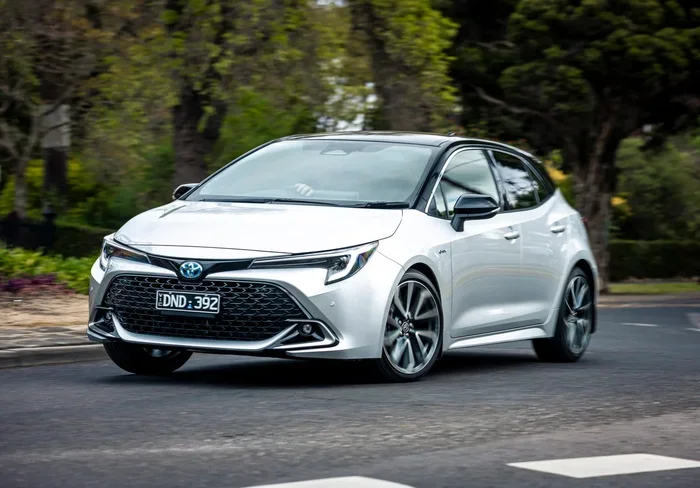
Toyota Corollas are known for lasting over 200,000 miles with basic care. Real owner reviews show few major breakdowns when you follow simple maintenance. How reliable are Toyota Corollas depends on driving habits, service history, and trim choice. This guide breaks down real world data, common problems, and tips to keep your Corolla running strong.
Buying a car is a big choice. You want a vehicle that starts every morning and keeps going. That is why many people ask how reliable are Toyota Corollas before they sign any papers. The short answer is very positive. This sedan has a long track record of steady performance. Real owners share stories of cars that run well past 200,000 miles. Many report few surprise repairs. The Corolla is not flashy, but it is practical. It saves money at the pump. It costs less to fix when something small breaks. It holds its value well in many markets. If you want a no-nonsense daily driver, this model deserves a close look.
In this guide, we look at real world owner reviews and service data. We cover engine behavior, transmission feel, fuel use, and common wear items. We also share simple tips to keep your car healthy. You will learn what to check during a test drive. You will see which trims tend to cost more to maintain. We will also compare ownership costs with other popular cars. By the end, you will know what to expect and how to protect your investment.
Key Takeaways
- Long lifespan: Many Corollas reach 200,000 to 300,000 miles with routine care.
- Low repair costs: Parts are affordable and most shops can service them quickly.
- Fuel efficiency: Excellent gas mileage helps reduce daily running costs.
- Simple mechanics: Straightforward engines and transmissions make fixes easier.
- Trim matters: Higher trims add features but may bring more complex parts.
- Maintenance wins: Oil changes, tire rotations, and brake checks prevent most issues.
- Owner feedback: Real reviews highlight steady reliability when cars are serviced on time.
📑 Table of Contents
How Reliable Are Toyota Corollas in Daily Driving
Most owners say the Corolla feels solid in daily use. The ride is smooth on normal roads. The brakes respond well in city traffic. The steering feels light and easy. These traits make the car friendly for new drivers and busy commuters. Real reviews often mention that the car starts quickly in cold weather. The climate control warms the cabin fast. The seats stay comfortable on longer trips. Many people use this sedan for school runs, work commutes, and errands. It handles stop-and-go traffic without much fuss.
The engine usually delivers steady power. It is not a race car, but it pulls well in normal driving. Passing on a highway is safe when you plan ahead. The transmission shifts smoothly in most cases. Some drivers notice a slight pause during slow maneuvers, but this is common in many modern cars. Overall, the daily experience is calm and predictable. That predictability is a big part of reliability. A car that behaves the same way every day is easier to trust.
What Owners Say After Five Years
Owner feedback after several years is mostly positive. Many report that the body paint holds up well in normal sun and rain. The interior plastics stay intact when treated with care. The infotainment screen remains clear if you keep it clean. Some owners note that the rear seat feels snug for tall adults on long trips. Others say the trunk space is enough for groceries and luggage. A few mention that road noise grows on rough pavement. These points are minor compared with the overall durability. The car still starts, drives, and stops as expected.
Common Wear Items to Watch
Every car has parts that wear over time. The Corolla is no different. Tires wear down with normal use. Brake pads thin out with city driving. Wiper blades need replacement each year or two. Cabin air filters get dirty and reduce airflow. Battery health can drop after three to five years, especially in hot climates. These items are easy to check and fix. Staying on top of them helps the car run longer. It also prevents small issues from becoming bigger ones.
- Tires: Check pressure monthly and rotate them on schedule.
- Brakes: Listen for squealing and feel for vibration.
- Battery: Test it during routine service visits.
- Filters: Swap the cabin and engine air filters as needed.
- Wipers: Replace them when streaking appears.
Engine and Transmission Durability Over Time
The powertrain is the heart of any car. In the Corolla, it is designed for efficiency and longevity. The engine uses proven technology and simple layout. That simplicity helps shops service it without special tools. Owners often report smooth idle and decent throttle response. Oil changes matter a lot here. Fresh oil keeps internal parts clean and cool. Skipping service can lead to sludge and extra wear. A steady maintenance routine keeps the engine happy.
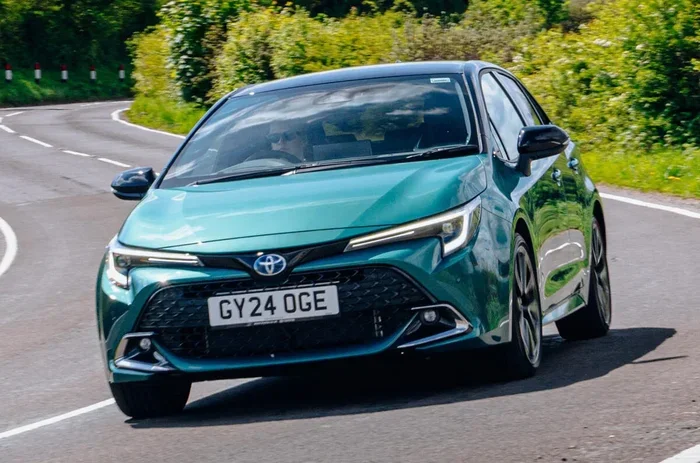
Visual guide about Toyota Corolla car review
Image source: images.cdn.autocar.co.uk
The transmission also shows strong long-term behavior. Many models use a well-tested automatic gearbox. Some use a manual or a hybrid system. Each has its own feel. The automatic shifts are usually soft and easy. The manual offers direct control for enthusiasts. The hybrid version focuses on fuel savings and smooth low-speed driving. Real reviews show that all three can last when cared for. The key is gentle use and timely fluid checks.
Maintenance That Protects the Powertrain
You do not need fancy tricks to protect the engine and transmission. Basic habits work best. Change the oil at the right interval. Use the recommended grade. Check for leaks under the car. Listen for odd noises during starts and stops. Watch the dashboard for warning lights. If something feels different, get it checked early. Small fixes cost less than major repairs. This approach is the simplest path to long life.
- Oil changes: Follow the schedule in the owner manual.
- Fluid checks: Inspect coolant, brake fluid, and transmission fluid.
- Belts and hoses: Look for cracks or soft spots.
- Filters: Keep air and oil filters clean.
- Warm-up: Let the engine run briefly in very cold weather.
Quick Tips for Longer Engine Life
Drive gently when the engine is cold. Avoid hard acceleration right after a cold start. Let the car reach operating temperature before towing or sprinting. Keep the cooling system healthy. A hot engine ages faster. Use quality fuel from trusted stations. Bad fuel can cause deposits and rough running. These small habits add up over years. They help the engine stay strong for a long time.
Fuel Economy and Real World Running Costs
Saving money at the pump matters to many buyers. The Corolla is known for strong fuel economy. Real owners often report numbers that match or beat the official estimates in mixed driving. City traffic lowers efficiency, while open roads help it rise. The hybrid version pushes savings even higher. If you drive a lot each week, that difference adds up fast. Lower fuel use also means fewer fill-ups and less hassle.
Running costs go beyond gas. Insurance can be reasonable for this class. Registration fees vary by region. Tires and brakes are common expenses for all cars. The Corolla usually keeps these costs in check because parts are widely available. Many repair shops know this model well. That familiarity can reduce labor time and price. If you want a clear picture of ownership costs, it helps to compare trims and powertrains before you buy.
How Driving Habits Change Costs
Your habits shape your costs. Hard braking wastes energy. Rapid acceleration burns more fuel. Long idling adds up too. Smooth driving saves money and reduces wear. Plan your routes to avoid heavy traffic when possible. Combine errands into one trip. Keep tires properly inflated. These steps are simple, but they help a lot. Over time, they can lower your total cost of ownership.
Comparison Snapshot: Corolla vs Common Alternatives
Here is a quick look at how the Corolla stacks up against popular compact cars. This table is a general guide, not a final price list. Real costs depend on location, trim, and driving style.
| Feature | Toyota Corolla | Compact Sedan A | Compact Sedan B |
|---|---|---|---|
| Fuel economy (mixed) | Strong | Good | Good |
| Repair complexity | Low to moderate | Moderate | Moderate to high |
| Parts availability | Wide | Wide | Varies |
| Ride comfort | Comfortable | Comfortable | Sportier |
| Cargo space | Practical | Similar | Similar |
| Long-term ownership feel | Steady and simple | Steady | More tech-focused |
Common Issues and How to Prevent Them
No car is perfect. The Corolla has a strong record, but some owners report recurring themes. Paint thinness on certain panels can be a concern for some. Interior rattles may appear after years of use. A few owners note infotainment glitches on older systems. Hybrid battery replacement is rare, but it can be costly when it happens late in the car’s life. These issues are usually manageable with care and early attention.
Prevention is the best tool. Wash the car regularly to protect the paint. Use touch-up paint for small chips. Keep the interior clean to reduce wear on switches and trim. Update software if your model allows it. For hybrid owners, follow the cooling system care steps in the manual. These actions do not guarantee zero problems, but they lower the odds. Most importantly, they help you catch small changes before they grow.
Simple Checklist Before You Buy
If you are shopping for a used Corolla, take your time. Look over the exterior in good light. Check for dents, rust spots, and mismatched paint. Open and close every door and the trunk. Test the seats and seatbelts. Turn on the air conditioning and heat. Listen for unusual noises when the car is cold and warm. Review service records if you can. A well-documented car is often a safer bet.
- Exterior: Look for chips, rust, and uneven gaps.
- Interior: Test buttons, screens, and storage bins.
- Under the hood: Check fluid levels and hose condition.
- Test drive: Note braking, steering, and transmission feel.
- Records: Ask for maintenance history and past repairs.
Expert Insights on Long-Term Ownership
Experienced owners often say the same thing: consistency wins. Keep a simple service log. Fix small things early. Use quality parts that meet the original specs. Do not ignore warning lights. If a noise changes, get it checked. These habits keep ownership stress low. They also help the car stay dependable for daily life. A calm, steady approach is the smartest path.
Trim Levels and Model Years That Matter
Not all Corollas feel the same. Base models focus on value and simplicity. Higher trims add screens, driver aids, and comfort features. More features can make the car more enjoyable, but they can also add complexity. That does not mean higher trims are less reliable. It means there are more parts that could need attention over time. Choose the trim that fits your needs, not just the one with the most badges.
Model years also matter. Recent years tend to have updated safety tech and refined infotainment. Some earlier generations are known for very simple mechanics and long service life. If you want the latest driver aids, a newer model may suit you. If you want a straightforward car with lower feature complexity, an older model can still be a great choice. Match the year to your priorities.
Hybrid vs Gas: Which Is Better for You
The gas model is simple and familiar. The hybrid model focuses on efficiency and smooth low-speed driving. If you drive mostly in the city, the hybrid can save a lot of fuel. If you often take long highway trips, the gas model still does a solid job. Both can be reliable when maintained well. Think about your daily routes, not just the sticker price. The best choice is the one that fits your real life.
Real Owner Stories and Long-Term Verdict
Real reviews paint a clear picture. Many owners keep their Corollas for many years. Some pass them down to family members. Others drive them as first cars and graduate to bigger vehicles later. A common theme is low stress. The car usually does what it should. It gets you to work, carries groceries, and handles school runs. It does not demand constant attention. That is a big reason people trust it.
Of course, experiences vary. Some owners face repairs after high mileage or rough use. That is normal for any car. The difference is that the Corolla often stays repairable at a reasonable cost. Parts are easy to find. Many technicians know the platform well. This combination makes ownership less stressful over time. If you treat the car well, it tends to return the favor.
Key Takeaways for Buyers
If you are weighing your options, keep these points in mind. The Corolla is a practical choice for daily use. It offers strong fuel economy and low running costs. It is simple to service and widely understood by repair shops. Real owner feedback shows steady long-term performance when maintenance is consistent. Pick the trim and powertrain that match your needs. Then follow a basic care routine. That is the best way to enjoy a dependable car for years.
In the end, how reliable are Toyota Corollas is a question with a reassuring answer for most buyers. The car is not built for show. It is built for everyday life. It rewards simple care and steady use. If you want a car that gets out of the way and just works, this sedan is a strong candidate. Take your time, check the service history, and choose the version that fits your routine. Then enjoy the peace of mind that comes with a proven compact sedan.
Frequently Asked Questions
How many miles can a Toyota Corolla last?
Many Corollas reach 200,000 miles and some go much higher with proper care. Regular oil changes, tire rotations, and timely repairs help the car stay strong. Driving style and maintenance history matter more than the calendar.
Do Toyota Corollas have major problems?
Most Corollas do not suffer from widespread major failures. Some owners report paint wear, interior rattles, or infotainment quirks on older models. These issues are usually manageable and not deal-breakers for daily use.
Is the Toyota Corolla expensive to maintain?
Maintenance is generally reasonable because parts are widely available and the design is straightforward. Routine service like oil changes, brakes, and tires is common for any car. Staying on schedule helps keep costs low.
Which Toyota Corolla trim is most reliable?
Lower and mid-level trims often have fewer complex features, which can mean fewer things to service over time. Higher trims can still be reliable, but they include more technology and comfort parts. Choose the trim that fits your needs and budget.
Are Toyota Corolla hybrids reliable?
Hybrid Corollas are generally reliable and offer excellent fuel economy. The hybrid system is designed for durability, and many owners report smooth performance. Follow the cooling system care and battery maintenance advice in the manual.
What is the best year to buy a used Toyota Corolla?
The best year depends on your priorities, budget, and local market. Recent years offer updated safety tech and refined features, while older models can be simpler and more affordable. Always check service records, condition, and test drive results before buying.