
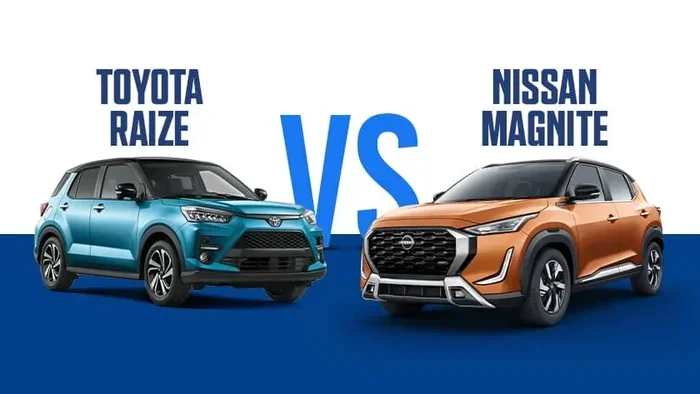
Choosing between Nissan and Toyota can feel overwhelming for any car buyer. Both brands offer great vehicles, but they have different strengths. This guide breaks down reliability, cost, and performance to help you decide. You will learn which brand fits your lifestyle best.
When you walk onto a car lot, you face a big decision. You want a vehicle that lasts. You want one that saves you money. Many people ask the same question: is Nissan better than Toyota? It is a classic debate in the automotive world. Both companies are giants in the industry. They both sell millions of cars every year. But they have different reputations.
Toyota is known for building tanks. People trust them to run for years without trouble. Nissan tries to offer more style and excitement. They want drivers to feel something behind the wheel. So, which one should you pick? The answer depends on what you value. Do you want peace of mind? Or do you want a car that looks unique? We will explore every angle to help you decide.
Key Takeaways
- Reliability Matters: Toyota often leads in long-term reliability ratings compared to Nissan.
- Cost of Ownership: Toyota models usually hold their value better over time.
- Performance Differences: Nissan offers sportier designs, while Toyota focuses on practicality.
- Maintenance Costs: Toyota parts and service are often more affordable and accessible.
- Resale Value: Toyota vehicles typically have higher resale value than Nissan models.
- Technology Features: Both brands offer modern tech, but Toyota integrates safety features well.
- Final Verdict: Your choice depends on whether you prioritize reliability or unique styling.
📑 Table of Contents
Understanding the Reliability Debate
Reliability is the biggest factor for most buyers. When you spend thousands of dollars, you want it to work. Toyota has a long history of durability. Their engines often run for hundreds of thousands of miles. Mechanics know how to fix them easily. This makes ownership less stressful. You do not want to be stranded on the side of the road.
Toyota’s Track Record
Toyota builds cars with simplicity in mind. They do not always chase the newest gimmicks. Instead, they focus on making parts that last. This approach pays off over time. Owners report fewer trips to the repair shop. This is why many people ask is Nissan better than Toyota when looking at long-term use. Toyota often wins this specific category. Their reputation is built on trust.
Nissan’s Reliability History
Nissan has had some ups and downs. In the past, some models had engine issues. They have worked hard to fix these problems. Newer models are much better than older ones. However, the perception of reliability still lags behind Toyota. Some Nissan cars offer great features. But you might worry about potential repairs. It is a trade-off between style and stability.
If you plan to keep your car for ten years, Toyota might be safer. If you change cars every few years, Nissan could work well. You need to think about your own habits. Reliability is not just about the brand. It is also about the specific model you choose. Researching individual vehicles is key.
Cost of Ownership and Value
Money is a major part of the decision. You need to look at the total cost. This includes the purchase price and maintenance. It also includes how much the car is worth later. This is called resale value. Toyota usually wins here. Their cars hold value very well. You can sell a used Toyota for a good price.
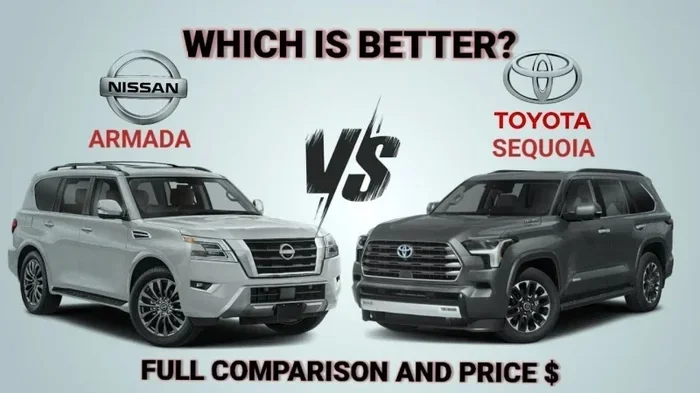
Visual guide about Nissan vs Toyota comparison
Image source: cms-image-contents.s3-us-west-1.amazonaws.com
Initial Purchase Price
Nissan often tries to compete on price. They may offer lower starting costs for some models. This can be attractive if you have a tight budget. You get more features for less money upfront. But cheap upfront does not always mean cheap overall. You must consider fuel costs and insurance too. Both brands offer efficient engines.
Long-Term Financial Impact
Think about the five-year cost of ownership. Toyota vehicles often cost less over time. This is due to fewer repairs and better resale. If you lease a car, this matters less. But if you buy, it matters a lot. Many buyers research how much is a used Toyota Camry to see value retention. They see that Toyotas stay expensive on the used market. Nissans often drop in price faster.
Here is a quick comparison of costs:
- Purchase Price: Nissan can be slightly lower on some trims.
- Maintenance: Toyota parts are widely available and often cheaper.
- Resale Value: Toyota typically retains more percentage of original value.
- Fuel Economy: Both offer hybrids, but Toyota has more variety.
You should calculate your own budget. Look at insurance quotes for both brands. Check the fuel ratings for the specific models you like. A cheaper car might cost more in gas. A expensive car might save money on repairs. It is all about the big picture.
Performance and Driving Experience
Some drivers care about how the car feels. They want power and handling. This is where Nissan often tries to shine. They have brands like Infiniti for luxury. But their mainstream cars also focus on comfort. Toyota is more about smooth and steady driving. They are not usually sporty. They are reliable commuters.
Nissan’s Sporty Options
Nissan has models with unique styling. The Altima and Maxima offer different looks. They try to stand out on the road. Some drivers prefer this over the plain Toyota designs. Nissan also offers all-wheel drive on more models. This helps in snowy or rainy areas. If you live in a tough climate, this is a plus.
Toyota’s Practical Performance
Toyota focuses on efficiency. Their hybrid system is famous worldwide. The Prius changed the game for fuel savings. Toyota SUVs like the RAV4 are very popular. They balance size and fuel use well. You do not buy a Toyota for racing. You buy it to get to work safely. The ride is usually quiet and comfortable.
When asking is Nissan better than Toyota, think about your driving. Do you drive on highways or city streets? Do you need all-wheel drive? Do you want a fun engine? Nissan might appeal to you more. If you want a boring but safe ride, Toyota wins. Neither brand is a luxury performance brand like BMW. But Nissan feels a bit more engaging to some.
Interior Quality and Technology
Inside the car, you spend all your time. You want comfy seats and good screens. Both brands have improved their interiors. Old cars from both companies felt cheap. Newer models are much better. Toyota uses durable materials. They focus on function over flash. Nissan tries to make cabins look modern.
Tech Features Comparison
Technology changes fast. You want Apple CarPlay and Android Auto. Both brands offer these now. Safety tech is also important. Toyota Safety Sense comes on many models. It includes lane departure and adaptive cruise. Nissan has ProPILOT Assist too. Both systems work well to help you drive.
Here are some tech points to consider:
- Infotainment: Both have touchscreens, but usability varies by model.
- Safety: Toyota includes safety suites on most trims now.
- Comfort: Nissan seats are often praised for comfort on long trips.
- Space: Toyota SUVs often offer more cargo room for families.
Test drive both cars. Sit in the driver seat. Adjust the mirrors. Turn on the radio. See if the buttons make sense. Technology should help you, not confuse you. Some Toyota menus can be complex. Some Nissan screens are very bright and clear. It is a matter of personal taste.
Maintenance and Repair Considerations
Eventually, every car needs service. You will need oil changes and tire rotations. You might need bigger repairs later. Where you live matters for this. Toyota dealers are everywhere. You can find parts easily. This makes fixing a Toyota simple. Nissan dealers are common too, but slightly less so in some areas.
Service Costs
Labor rates vary by dealer. Toyota service centers are very standardized. You know what to expect price-wise. Nissan service can vary more. Independent mechanics can fix both brands. But Toyota engines are simpler to work on. This can lower labor time. If you are handy, you might fix simple things yourself.
Many owners wonder how much is oil change at Toyota dealership compared to other brands. Generally, it is competitive. Regular maintenance keeps any car running well. Ignoring service hurts any brand. You must follow the schedule in your manual. This protects your warranty too.
Common Issues to Watch
Every model has weak points. For Nissan, check the CVT transmission history. Some older models had concerns there. For Toyota, watch for corrosion on older frames. Newer models are better protected. Always check recall notices for any car you buy. This applies to both Nissan and Toyota vehicles.
- Oil Changes: Do this every 5,000 to 10,000 miles.
- Tires: Rotate them to ensure even wear.
- Brakes: Listen for squeaking or grinding noises.
- Battery: Test it before winter starts.
Taking care of your car saves money. It also keeps you safe. A well-maintained Nissan can outlast a neglected Toyota. So ownership habits matter just as much as the brand name.
Who Should Choose Which Brand?
Now we get to the final decision. Who is each brand best for? This helps answer the question: is Nissan better than Toyota for you. It is not a universal truth. It is about fit. Let us look at specific types of buyers.
The Toyota Buyer
You are practical and plan ahead. You want a car for five years or more. You do not want to worry about repairs. You care about resale value when you sell. You might have a family to transport. Safety is your top priority. You want a hybrid to save on gas. Toyota fits this profile perfectly.
The Nissan Buyer
You want something different. You like unique styling cues. You might want a bit more driving engagement. You plan to trade the car in sooner. You want more features for a lower price. You live in an area needing all-wheel drive. Nissan might be the better fit for you.
Consider your local weather too. If you need snow capability, check the drivetrain. Both offer options, but availability varies. Think about your parking situation. Larger SUVs need more space. Smaller sedans are easier to park. Match the vehicle size to your life.
Expert Insights and Final Thoughts
Experts generally lean toward Toyota for reliability. Consumer reports often rank Toyota high. They test cars rigorously. Nissan has improved their rankings recently. They are closing the gap. But Toyota still holds the crown for consistency. This is why the debate continues.
When you look at the market, Toyota dominates. They sell more cars than Nissan in many places. This means more people trust them. It creates a cycle of confidence. More buyers mean more used cars. This helps resale value even more. Nissan fights hard to gain that trust back.
Ultimately, both brands make good cars. You cannot go wrong with either if you pick the right model. Do not just pick a brand. Pick the specific vehicle. A great Nissan is better than a bad Toyota. And vice versa. Use reviews to guide you. Talk to owners of the specific models.
Remember to check the warranty too. Both offer good coverage. Some Toyota models come with longer powertrain warranties. Nissan sometimes offers special financing deals. Look for promotions before you buy. This can save you thousands of dollars.
In the end, the question is Nissan better than Toyota has no single answer. It depends on your priorities. If reliability is number one, look at Toyota. If style and value are key, look at Nissan. Test drive both. Compare the prices. Choose the one that makes you happy. That is the best car for you.
Frequently Asked Questions
Is Nissan more reliable than Toyota?
Generally, Toyota is considered more reliable than Nissan over the long term. Toyota has a stronger track record for fewer mechanical issues. However, newer Nissan models have improved significantly in recent years.
Which brand holds its value better?
Toyota vehicles typically retain their resale value better than Nissan models. This is due to their reputation for durability and high demand in the used car market. You will often get more money back when selling a Toyota.
Are Nissan parts more expensive than Toyota?
Toyota parts are usually more affordable and easier to find because of the brand’s massive market share. Nissan parts can be slightly pricier depending on the model and location. Labor costs are similar for both brands at authorized dealers.
Which brand is better for families?
Toyota is often preferred by families due to their reputation for safety and reliability. Models like the Sienna and Highlander offer great space and safety features. Nissan also offers family-friendly vans and SUVs with comfortable interiors.
Do Nissan cars last as long as Toyotas?
With proper maintenance, Nissan cars can last just as long as Toyotas. The difference lies in the frequency of unexpected repairs. Toyota owners often report fewer visits to the mechanic over the life of the vehicle.
Is it worth buying a Nissan over a Toyota?
It is worth buying a Nissan if you prefer their styling or specific features like all-wheel drive availability. If your main priority is long-term dependability and resale value, Toyota is usually the safer bet. It depends on what you value most in a vehicle.