
Is Mazda better than Toyota? The answer depends on what you value most in a vehicle. Toyota often wins on long-term reliability and resale value, while Mazda shines with sporty handling and upscale interior design. This guide compares both brands across real-world ownership factors so you can make a confident choice.
Choosing a new car can feel overwhelming, especially when two brands keep showing up in every conversation. You may have heard people praise Toyota for its dependability and others rave about Mazda’s stylish design and fun driving dynamics. So is Mazda better than Toyota? The truth is, there is no single winner for everyone. The best choice depends on your priorities, budget, and how you plan to use the vehicle.
Both brands have earned strong reputations, but they do not always aim for the same feel or feature set. Toyota often builds cars with a focus on practicality, durability, and broad appeal. Mazda tends to emphasize elegant styling, refined interiors, and a more connected driving experience. When you compare them side by side, the differences become clearer. This article breaks those differences down in a simple, honest way so you can decide with confidence.
Before diving into the details, it helps to remember that brand name alone does not tell the full story. A specific model, trim level, powertrain, and even your local service options can change the ownership experience a lot. With that in mind, let’s look at the biggest factors that matter when comparing these two popular automakers.
Key Takeaways
- Reliability leads the debate: Toyota consistently ranks high for long-term dependability, while Mazda has steadily improved its reliability scores over recent years.
- Driving feel matters: Mazda focuses on engaging, driver-focused dynamics, whereas Toyota prioritizes smooth, comfortable, and practical daily driving.
- Interior quality differs: Mazda often delivers a more premium, refined cabin experience, while Toyota leans toward functional, durable materials.
- Value and pricing vary: Toyota typically offers strong resale value and broad pricing options, while Mazda can feel more competitively priced in certain trims.
- Maintenance and ownership costs: Both brands are generally affordable to maintain, but Toyota’s extensive service network and parts availability often give it an edge.
- Model-by-model comparison is essential: Brand reputation matters, but the specific model, trim, and powertrain you choose will impact your experience the most.
- Your priorities decide the winner: If you want proven reliability and resale strength, Toyota is hard to beat. If you want style, handling, and a polished cabin, Mazda may be the better fit.
📑 Table of Contents
Reliability And Long-Term Durability
When shoppers ask is Mazda better than Toyota, reliability is usually one of the first things they want to know. Toyota has a long history of building vehicles that are known for lasting a long time with routine care. Many buyers choose Toyota because they want a car that simply works every day without surprising them. That reputation has helped Toyota become a go-to choice for commuters, families, and high-mileage drivers.
Mazda has also improved a lot in this area. In recent years, the brand has worked hard to raise its build quality and reduce common issues. Many Mazda models now feel more solid and dependable than ever, and their reliability ratings have become much more competitive. Still, Toyota often maintains a slight edge in the public’s mind because of its long track record and large body of owner feedback.
What Reliability Looks Like In Real Life
Reliability is not just about whether a car starts in the morning. It also includes how often parts wear out, how smooth the transmission feels over time, and whether small issues turn into bigger repairs. Here are a few things to think about:
- Routine maintenance: Both brands generally respond well to regular oil changes, fluid checks, and scheduled service.
- Common wear items: Brakes, tires, batteries, and suspension parts will need attention on any vehicle, regardless of brand.
- Transmission behavior: Some drivers find Toyota’s transmissions very smooth, while others appreciate Mazda’s crisp shifting and responsive feel.
- Long-term ownership: Vehicles that are well maintained often last longer, but the specific model matters just as much as the badge on the hood.
Quick Tip
If long-term dependability is your top priority, look at reliability data for the exact model you want rather than relying only on general brand reputation. A well-reviewed model from either brand can be a smart pick.
Performance, Handling, And Driving Feel
Another major part of the is Mazda better than Toyota conversation is driving enjoyment. Mazda has built a strong identity around making cars that feel engaging behind the wheel. Their steering often feels communicative, the suspensions are tuned for a balanced ride, and the overall design often gives the impression of a more premium sports-oriented brand. If you enjoy a car that feels lively and responsive, Mazda can be very appealing.

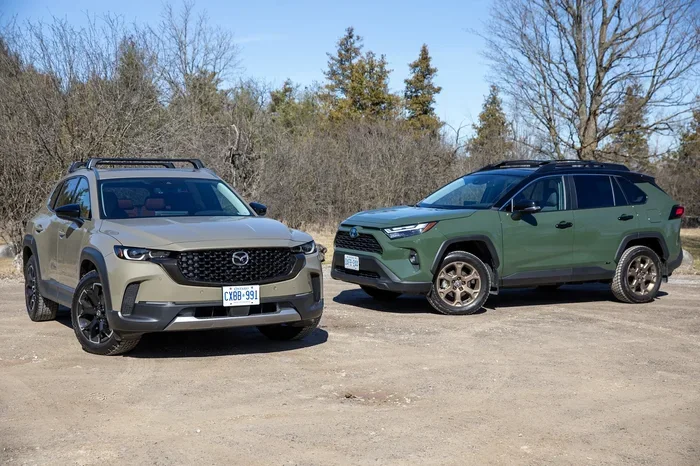
Visual guide about Mazda and Toyota cars side by side
Image source: amazingcarsanddrives.com
Toyota usually takes a different approach. Many Toyota vehicles are tuned for comfort, stability, and easy daily driving. That does not mean Toyota cars are boring. It means they often focus on smooth rides, predictable handling, and practical performance that works well in everyday traffic. For many buyers, that comfortable and confident feel is exactly what they want.
Which Driving Style Fits You
The right choice depends on how you drive and what kind of experience you want every day.
- Choose Mazda if: You like a car that feels nimble, stylish, and a little more connected to the road.
- Choose Toyota if: You want a relaxed, comfortable ride with steady handling and a focus on convenience.
- Choose either if: You are comparing specific models, because some Toyota vehicles are more engaging than others, and some Mazda models are more comfort-focused.
Expert Insight
A brand’s general personality is helpful, but the vehicle class matters too. A compact sedan, a crossover, and a larger SUV will all drive differently, even within the same brand. Always test drive the exact model you are considering.
Interior Quality, Technology, And Comfort
Interior design is another area where Mazda and Toyota can feel quite different. Mazda has spent a lot of time creating cabins that feel warm, refined, and visually cohesive. Their designs often use layered dashboards, higher-quality materials, and a more upscale atmosphere. For buyers who care about how the cabin looks and feels, Mazda often stands out.
Toyota interiors are usually built with a practical mindset. They tend to be functional, durable, and easy to use. In many models, Toyota focuses on making controls intuitive and the seating position comfortable for a wide range of drivers. Some trims feel especially clean and modern, while others aim for a simpler, no-nonsense layout.
What To Look For Inside The Cabin
When comparing interiors, do not just look at the exterior photos. Sit inside both vehicles and pay attention to the details that affect daily use.
- Material quality: Check the soft-touch areas, seat fabrics, and trim finishes.
- Seat comfort: Make sure the seats support you well, especially if you spend a lot of time driving.
- Technology layout: See whether the infotainment system feels easy to understand and use.
- Storage and practicality: Look at cupholders, door pockets, cargo space, and everyday storage.
- Noise and comfort: Listen for road noise and notice how calm the cabin feels at cruising speed.
Common Mistake
Do not assume one brand always has a better interior. A higher trim from one brand may feel more premium than a base model from the other. The trim level and model generation can make a huge difference.
Value, Pricing, And Resale Considerations
Price is often where the is Mazda better than Toyota debate becomes very practical. Toyota is known for strong resale value, which can be a big advantage if you plan to sell or trade in your vehicle later. Many buyers also appreciate the wide range of Toyota models available at different price points. That variety makes it easier to find something that fits a specific budget.
Mazda can also be a strong value, especially if you want a more premium feel without paying luxury-brand prices. In some segments, Mazda offers upscale styling and a polished cabin at a competitive price. That can make it feel like a smart alternative for buyers who want more design flair and driving polish.
How To Compare True Value
Sticker price is only part of the picture. The real cost of ownership includes depreciation, fuel use, maintenance, insurance, and how long you plan to keep the vehicle.
- Purchase price: Compare similar trims, not just base models against fully loaded ones.
- Resale value: Think about how well the vehicle may hold its value over time.
- Fuel costs: Consider whether you want a standard gas model, a hybrid, or another powertrain option.
- Warranty and service: Review the warranty terms and what coverage feels right for your plans.
- Insurance estimates: Get quotes for the exact model, since premiums can vary.
Quick Tip
If you plan to keep your car for many years, resale value may matter less than comfort, reliability, and how much you enjoy driving it. If you trade often, depreciation becomes more important.
Safety, Family Use, And Everyday Practicality
Safety is one of those topics that matters to almost every buyer. Both Mazda and Toyota offer vehicles with modern safety features, and many of their current models include advanced driver-assistance tools as part of their packages. These can include lane support, collision alerts, automatic braking, and other aids that help make daily driving less stressful.
For families and daily commuters, practicality often becomes just as important as style. Toyota has a strong reputation for producing vehicles that work well for a wide range of needs, from compact cars to larger SUVs and minivans. Mazda also offers practical models, but its lineup may feel more focused on style and driver appeal in some categories. That does not make Mazda less useful, but it may influence which model feels right for your household.
Practical Checklist For Daily Use
- Seating space: Check headroom, legroom, and how easy it is to get in and out.
- Cargo capacity: Think about groceries, luggage, sports gear, or work equipment.
- Ease of use: See whether the controls and seating adjustments feel intuitive.
- Safety features: Confirm which driver-assistance features come standard or cost extra.
- Visibility: Pay attention to blind spots, mirror clarity, and overall driving confidence.
Key Takeaway
If your top priority is a vehicle that feels practical, versatile, and easy to live with, compare the specific model’s layout and features carefully. The best family or commuter car is the one that fits your routine without making you compromise on the things you use most.
Total Cost Of Ownership And Maintenance Experience
When people ask is Mazda better than Toyota, they sometimes focus only on the purchase price. But the total cost of ownership tells a fuller story. That includes scheduled maintenance, repairs, fuel, tires, and how easy it is to find parts and service where you live. Both brands are generally considered reasonable to own, but the experience can vary by model and region.
Toyota’s large service network and widespread parts availability can make maintenance simpler in many areas. That can be especially helpful if you want a vehicle that is easy to service at many dealerships or repair shops. Mazda also has a solid service structure, though the availability may feel different depending on your location and the model you choose.
What Can Affect Ownership Costs
- Maintenance schedule: Follow the recommended service intervals to avoid avoidable wear.
- Repair history: Research common issues for the specific model year you are considering.
- Parts availability: Common maintenance parts are usually easier to find than rare or specialized components.
- Fuel economy: A more efficient model can save money over time, especially if you drive a lot.
- Driving habits: Gentle acceleration, smooth braking, and regular care often help any vehicle last longer.
Expert Insight
If you want a simple ownership experience, think about the whole journey, not just the first year. A car that feels affordable today may cost more later if it needs frequent repairs or loses value quickly. On the other hand, a slightly higher upfront cost can be worth it if the vehicle delivers the comfort, style, or driving feel you really want.
Which Brand Should You Choose
So, is Mazda better than Toyota? The best answer is that each brand has strengths, and the right one depends on what you care about most. If you want a vehicle with a strong reputation for long-term reliability, broad practicality, and strong resale appeal, Toyota is often a very safe bet. If you want a more stylish cabin, a engaging driving feel, and a polished experience that can feel a step above its price range, Mazda may be the better match.
The smartest approach is to compare models directly instead of choosing by brand alone. A specific Mazda could be a better fit for your needs than a specific Toyota, or the opposite could be true. Think about how you drive, how long you plan to keep the car, and which features matter most to you every day.
Simple Decision Guide
- Pick Toyota if: You want dependable daily transportation, strong resale value, and a wide range of practical models.
- Pick Mazda if: You want upscale styling, an engaging drive, and a cabin that feels more premium in many trims.
- Compare both if: You are deciding between two similar vehicles and want to see which one offers the better mix of price, features, and comfort.
In the end, the best vehicle is the one that feels right when you sit behind the wheel, fits your budget, and matches your lifestyle. Both Mazda and Toyota can be excellent choices. The key is choosing the model that serves you best, not just the badge that sounds best on paper.
Frequently Asked Questions
Is Mazda more reliable than Toyota?
Toyota is often known for strong long-term reliability, but Mazda has improved a great deal and now competes well in many model lines. The best choice depends on the specific model, year, and how well the vehicle is maintained.
Is Mazda better than Toyota for driving enjoyment?
Mazda usually feels more engaging and driver-focused, with steering and suspension tuning that many people find fun and polished. Toyota often favors comfort and smooth daily driving, though some models can still feel quite balanced and easy to drive.
Which brand has better resale value, Mazda or Toyota?
Toyota generally has a stronger reputation for holding value over time, which can make it appealing if you plan to sell or trade in the vehicle later. Mazda can still offer solid value, but resale results may vary more by model and market.
Are Mazda interiors better than Toyota interiors?
Mazda interiors often feel more upscale and carefully designed, especially in higher trims. Toyota interiors are usually more practical and straightforward, though some models and trims can feel modern and comfortable as well.
Which is cheaper to maintain, Mazda or Toyota?
Both brands are generally reasonable to maintain, but total costs depend on the model, repair history, and local service availability. Toyota’s large network and parts availability can make service easier in many areas.
Should I choose Mazda or Toyota for a family vehicle?
It depends on the model you choose and the features your family needs. Toyota offers a wide range of practical options, while Mazda can be a great fit if you also want a more refined cabin and engaging drive.